What Is the Current Definition of CLTI and PAD?

Inova Schar Heart and Vascular, Falls Church, Virginia
How clinicians define peripheral arterial disease (PAD) and chronic limb-threatening ischemia (CLTI) has a direct impact on diagnosis, treatment selection, and limb salvage outcomes. Kicking off Wednesday morning’s session, "Shaping the Future of CLTI Care" at the Amputation Prevention Symposium, Program Chair Richard F. Neville, MD, FACS, DFSVS, reviewed the evolution of PAD and CLTI definitions, emphasizing that modern classification systems, earlier recognition, and multidisciplinary care are essential to reducing preventable amputations.
Dr Neville opened by highlighting the growing burden of PAD, noting that over 9 million Americans are affected, yet the disease remains substantially underdiagnosed. Over 7 million chronic wounds are treated annually, with a health care cost of $20 billion. Delayed recognition often allows disease progression to CLTI, which carries significant risks of tissue loss, major amputation, and mortality. He stressed that increasing awareness among both clinicians and patients is critical to improving outcomes through earlier diagnosis and timely intervention.
A central theme of the presentation was the evolution from the historical diagnosis of critical limb ischemia to the current definition of CLTI. Rather than relying solely on ischemic symptoms and pressure measurements, today’s definition incorporates wound severity, foot infection, objective hemodynamic assessment, and arterial anatomy to better characterize limb threat and guide treatment decisions.
Dr Neville also reviewed the progression of classification systems—from Fontaine, Rutherford, and TASC to the Society for Vascular Surgery’s Wound, Ischemia, and foot Infection (WIfI) classification and the Global Limb Anatomic Staging System (GLASS). He emphasized that these newer frameworks have become indispensable tools, helping predict amputation risk, estimate the benefit of revascularization, and tailor treatment strategies based on both wound characteristics and arterial anatomy.
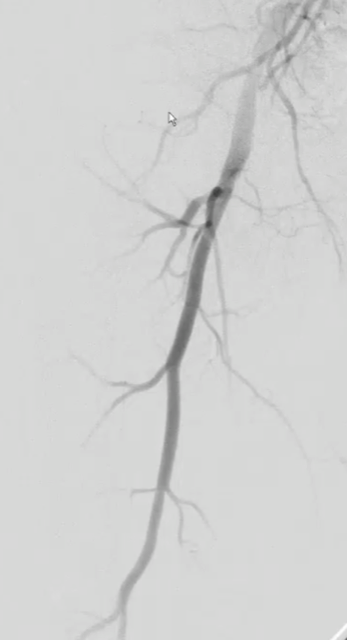
Another important takeaway centered on angiosome-based revascularization. Dr Neville reviewed evidence demonstrating that direct revascularization of the artery supplying the affected wound territory can improve wound healing and reduce amputation risk, particularly in patients with diabetic ischemic foot ulcers.
The presentation concluded by examining persistent disparities in vascular care. Geographic location, race and ethnicity, insurance status, and limited public awareness continue to influence access to revascularization and amputation prevention services. Dr Neville emphasized that addressing these inequities will require continued education, advocacy, and multidisciplinary collaboration.