Reporting of Key Variables in Clinical Trials: Guidelines for Authors
© 2026 HMP Global. All Rights Reserved.
Any views and opinions expressed are those of the author(s) and/or participants and do not necessarily reflect the views, policy, or position of Wounds or HMP Global, their employees, and affiliates.
Abstract
Background. Fully understanding wound care clinical trials is of importance to physicians, health care institutions, payers, researchers, and regulatory authorities, and failure to properly report all the details of such trials makes interpretation of such trials challenging. Objective. To address this issue by conducting a literature search for chronic wound healing prognostic models in systematic reviews in order to identify which characteristics were supported by evidence and thus qualified as candidates for reporting. Methods. A panel of experts under the auspices of the Wound Care Collaborative Community Gaps group selected and analyzed trials in a Delphi setting using Grading of Recommendations Assessment, Development, and Evaluation as guidance in developing the certainty of the evidence and recommendations for inclusion. Results. Fifteen systematic reviews were analyzed, and 11 key variables were selected for reporting: patient-related variables at the first visit (sex, patient age, body mass index, and hemoglobin), wound-related variables at the first visit (wound area and age, multiple ulcers, wound severity, anatomical location, and complications), and diagnostics. Additionally, a table was developed for reporting formats and their contextual use with examples. Conclusion. It is expected that these guidelines will help authors and sponsors of human wound care trials in both the development phase (conceptualization of data to be collected) and the reporting phase.
Chronic wounds encompass a range of conditions such as pressure ulcers, diabetic foot ulcers (DFUs), and venous leg ulcers (VLUs), representing a significant burden on health care systems worldwide. These wounds affect millions of people and contribute to substantial health care costs, which are exacerbated by the prolonged treatment durations required for these nonhealing wounds.1,2 The pathophysiology of chronic wounds involves the complexity of systemic and local factors, including comorbidities such as diabetes and peripheral vascular disease, as well as localized issues such as microbial infections and impaired tissue perfusion.3,4 The persistence of these wounds can lead to severe complications, including chronic pain, secondary infections, reduced quality of life, and, in extreme cases, limb amputation.5,6 Thus, addressing these wounds is not only of health care importance but also has an economic and social impact.1,2
Managing chronic wounds effectively requires an integrative approach that includes wound debridement, advanced wound dressings, infection control, and patient education to optimize healing outcomes.7,8 Current research efforts involve the basic science of biological mechanisms that hinder wound healing and innovate more effective treatment options, clinical research, and translational work.9,10 Despite significant progress in the field, chronic wound care research faces numerous challenges, including patient heterogeneity, varied wound etiologies, and inconsistencies in treatment protocols.11,12 These challenges highlight the critical need for methodological rigor in clinical trials to ensure findings are valid, reproducible, and clinically applicable.
One crucial aspect of ensuring high-quality research is the adoption of comprehensive reporting standards. Incomplete or unclear reporting can result in misinterpretation of trial findings, limit reproducibility, and obstruct the translation of research into clinical practice.13,14 To address these issues, standardized reporting guidelines have been established to enhance the transparency and completeness of research reports. These guidelines help researchers provide detailed and structured accounts of their clinical trials, facilitating critical appraisal and reproducibility.15,16 Standardizing wound care research could help reduce heterogeneity and improve the ability to more effectively compare different diagnostics, treatments, and outcomes.
The Consolidated Standards of Reporting Trials (CONSORT) statement, which was designed specifically for randomized controlled trials, has been widely recognized for improving the quality of clinical trial reporting.17,18 The 25-item CONSORT checklist covers critical components such as clinical trial design, participant characteristics, interventions, and outcomes.19,20 By using the CONSORT guidelines, researchers can produce reports that allow readers to evaluate a study’s methodology with greater confidence in the results.17-20 Applying the CONSORT statement to wound care research can create a more systematic approach to clinical trial development.
Similarly, the Enhancing the Quality and Transparency of Health Research (EQUATOR) network provides a repository of reporting guidelines tailored to various trial designs, including observational trials, diagnostic accuracy trials, and qualitative research.21 These guidelines are developed through systematic reviews and expert consensus to ensure their relevance and scientific rigor.15,16 By promoting standardized reporting practices, the EQUATOR network supports the dissemination of high-quality, reliable, and clinically applicable research findings.21 When developing wound care clinical trials unrelated to randomized controlled trials, using the EQUATOR network resources can be helpful in standardization for comparative measures later.
The Wound Care Collaborative Community (WCCC) assesses shortcomings and unmet needs in wound care by partnering with key stakeholders, such as the National Institutes of Health, the US Food and Drug Administration (FDA), industry leaders, and expert health care providers and researchers, to advance the study of wound healing.22
One of the key workstreams established by the WCCC Gaps work group aims to enhance clinical trial design and reporting. A dedicated panel was convened with the explicit purpose of reviewing existing wound care literature. This panel developed a comprehensive checklist encompassing patient-related, wound-related, and other essential variables that should constitute a minimum reporting set for clinical trials in wound care. Additionally, the panel will provide recommendations for effective reporting formats. It is hoped that this will lead to standardization of reporting guidelines in wound care and burns clinical trials.
Methods
Study eligibility
Inclusion criteria were systematic reviews (referred to as “studies” hereafter) of clinical trials that reported evaluations of prognostic factors for wound healing or wound healing models of chronic wounds in adult populations and that included VLUs or DFUs. (A prognostic factor or variable is a patient or system characteristic that helps predict the likelihood of a particular future outcome.) Studies were excluded if only abstracts were available; if they were purely narrative reviews; if the systematic reviews covered animal, preclinical, or artificial wound models; or if the studies were not published in English, included acute wounds, did not include prognostic factors, did not include healing outcomes, or were related only to product-specific research (ie, were focused on drugs, biologics, or devices used in wound care).
Literature search strategy
A literature search for prognostic models of chronic wound healing was conducted in the MEDLINE and Embase databases using the STN platform (American Chemical Society). The search combined the following criteria using the Boolean operator AND: (1) wound healing or wound closure in titles or indexing terms; (2) the document types review, general review, systematic review, or meta-analysis; and (3) the keywords predict, prognosis, wound, or healing within 2 words of model. Results were then restricted using the terms venous leg ulcer, varicose ulcer, venous ulcer, diabetic foot ulcer, pressure ulcer, pressure injury, bedsore, skin ulcer, chronic wound, complex wound, non-healing wound, hard-to-heal wound, healing-impaired wound, and persistent wound. Additional limits included adult or human, English language, and publication from 2014 through the search date (March 4, 2024, for MEDLINE and March 5, 2024, for Embase). Truncation operators were used where appropriate. A full description of the search terms is provided in Supplemental Table 1.
Two reviewers (M.J.C./W.C.) independently screened titles and abstracts against eligibility criteria to identify potentially included studies, and then independently assessed the full text of the retrieved articles for compliance with the eligibility criteria. Discrepancies between the 2 reviewers’ judgment were resolved by discussion or by the involvement of a third reviewer (V.R.D.).
Final selection of studies
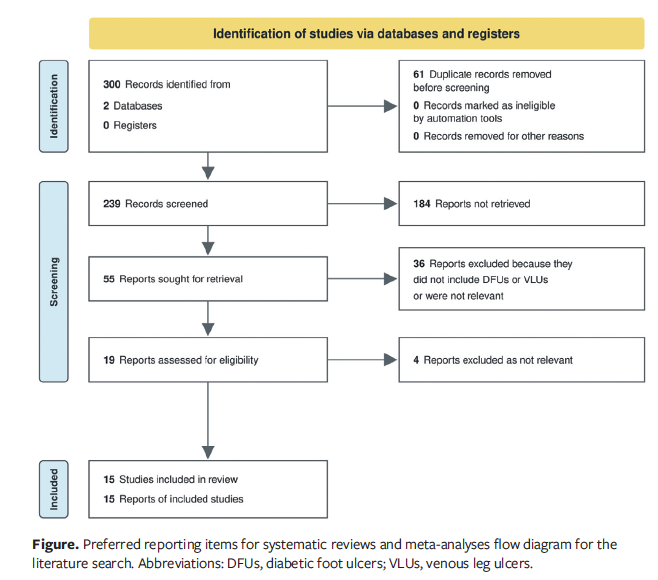
The initial literature search revealed 117 citations from Medline with no duplicates and 183 entries from Embase, of which 61 were duplicates, resulting in a total of 239 unique citations. Examination of these citation abstracts and reading of 55 full-text articles led to 19 systematic reviews for initial selection (Figure). The group then used a Delphi process to make a final selection in terms of relevancy (for example, whether biomarkers represent a group that should be reported), resulting in a total of 15 studies included in the systematic review.
Study assessment and judgment of evidence
Key population and other characteristics of the clinical trials were added to a prespecified Excel spreadsheet template (Microsoft 365) by individual group members. To simplify reporting outcomes, only summary results are presented in the main tables; detailed results are presented in Supplemental Table 2.
Although Grading of Recommendations Assessment, Development, and Evaluation (GRADE) guidance is largely used to assess the efficacy or effectiveness of specific health care interventions, in the current context it was used as a means to decide which variables identified from systematic reviews of studies of prognostic factors or variables merited inclusion into clinical trial reporting. GRADE guidance is implemented by gathering and evaluating evidence based on 5 domains: imprecision, risk of bias, indirectness, inconsistency, and publication bias.23 Ultimately, the process focuses on certainty in evidence, which is classified as very low (the true effect is probably markedly different from the estimated effect), low (the true effect might be markedly different from the estimated effect), moderate (the authors believe that the true effect is probably close to the estimated effect), and high (the authors have a lot of confidence that the true effect is similar to the estimated effect).
Based on consensus, it was decided that the certainty in evidence for each variable should be at least moderate for inclusion, with larger studies (≥200 subjects) contributing a higher weight toward assessment. After the variable list was completed, suggested reporting formats were developed.
Results
ounds of masked voting (only the coordinator saw the votes to tally), 15 studies were selected for analysis.24-38 The 4 studies that were not selected included protease activity as a prognostic factor for wound healing in complex wounds39,40; measurement of pH, exudate composition, and temperature in wound healing41; and effect of Pseudomonas colonization on lower limb venous ulcer healing.42
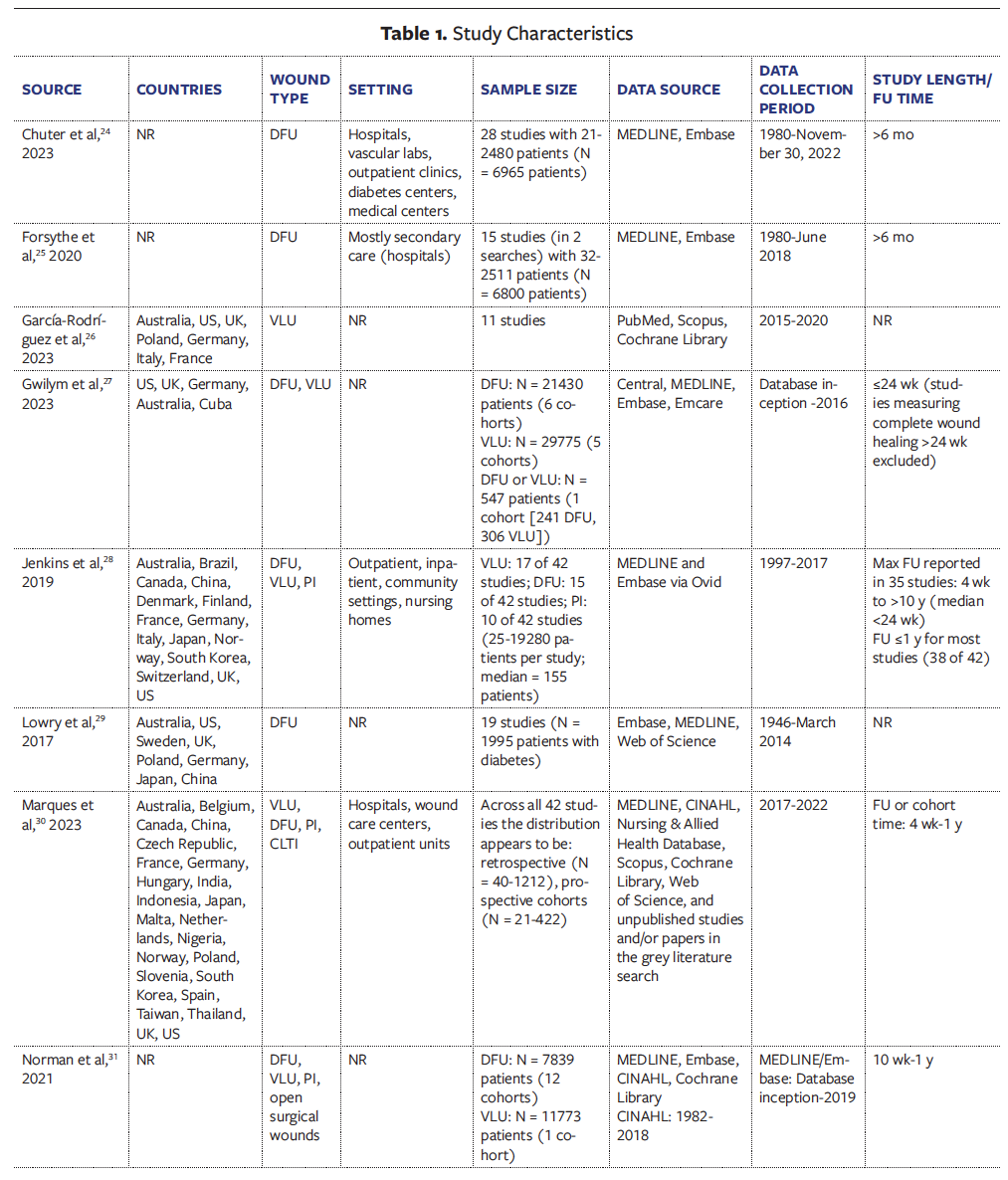
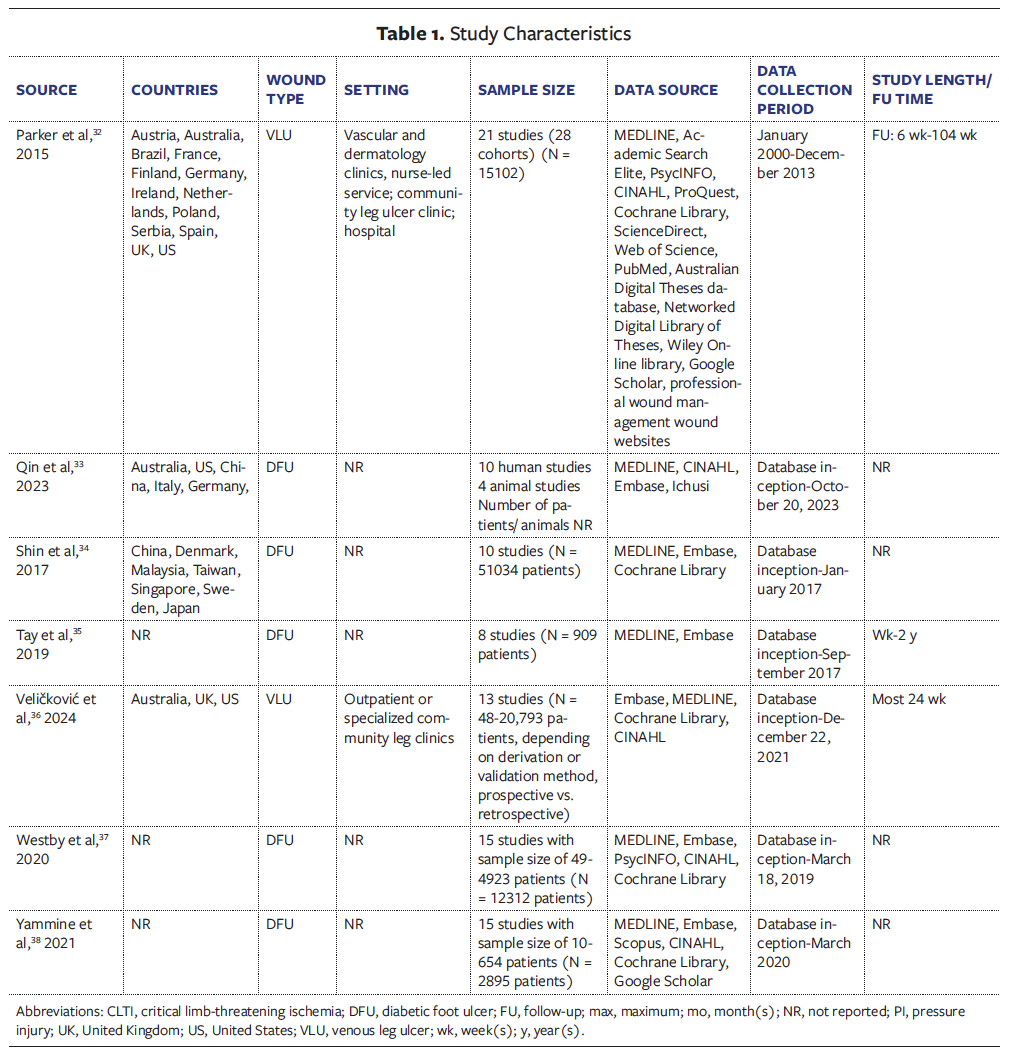
All the studies were published from 2016 to 2024, with the majority of the literature searches starting with inception of the databases. A few studies were updates of previous systematic reviews. Although 9 studies listed the countries of origin, most did not present data on the settings of the subjects. The number of studies reviewed and sample sizes of those studies varied considerably. For example, Gwilym et al27 reported on 6 studies on DFUs (21 430 patients) and 5 studies on VLUs (29 775 patients), whereas Tay et al35 included 8 studies with only 909 subjects (Table 1). Although the authors of the current study intended to capture demographic information from the reviews, few of them reported these details.
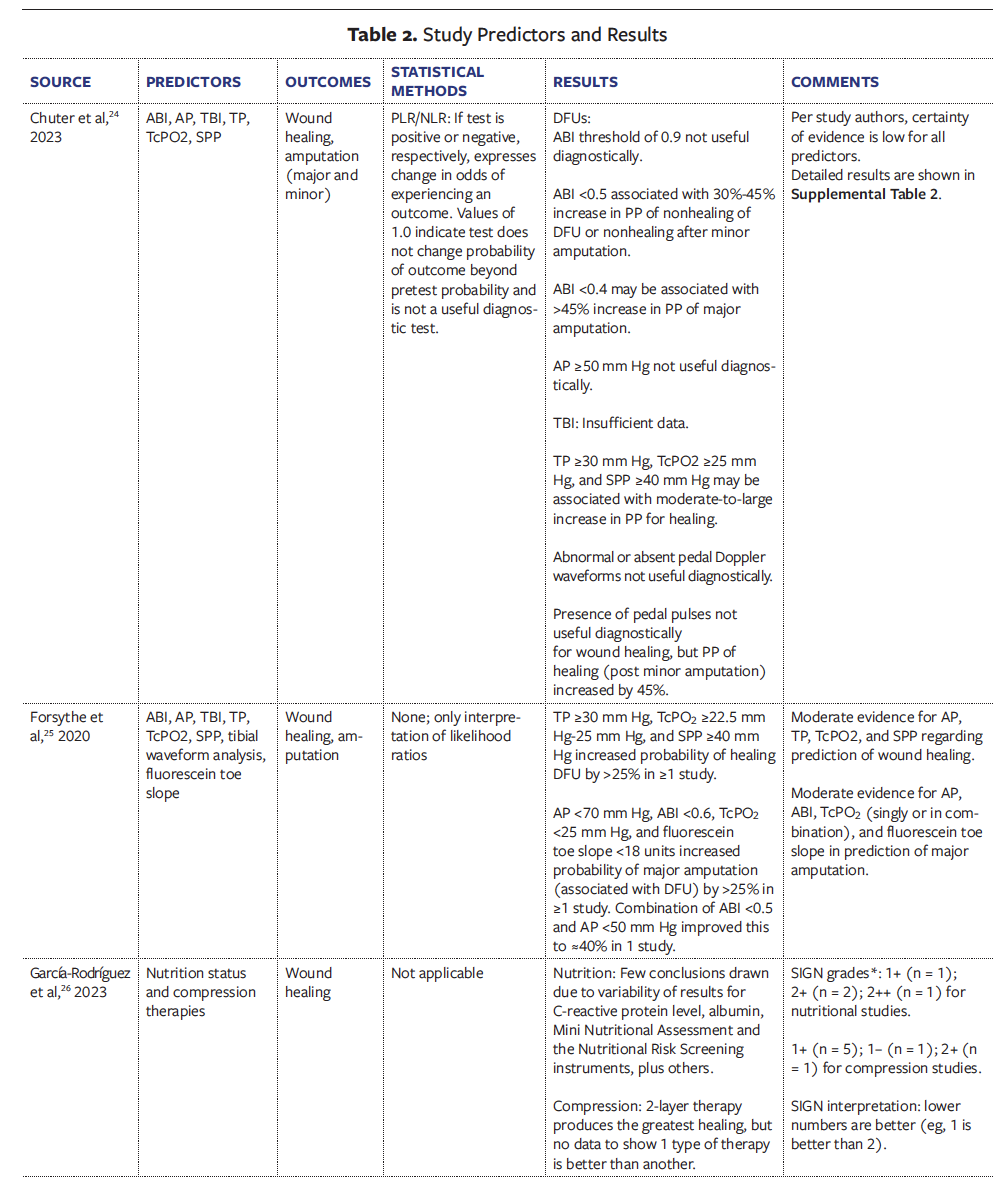
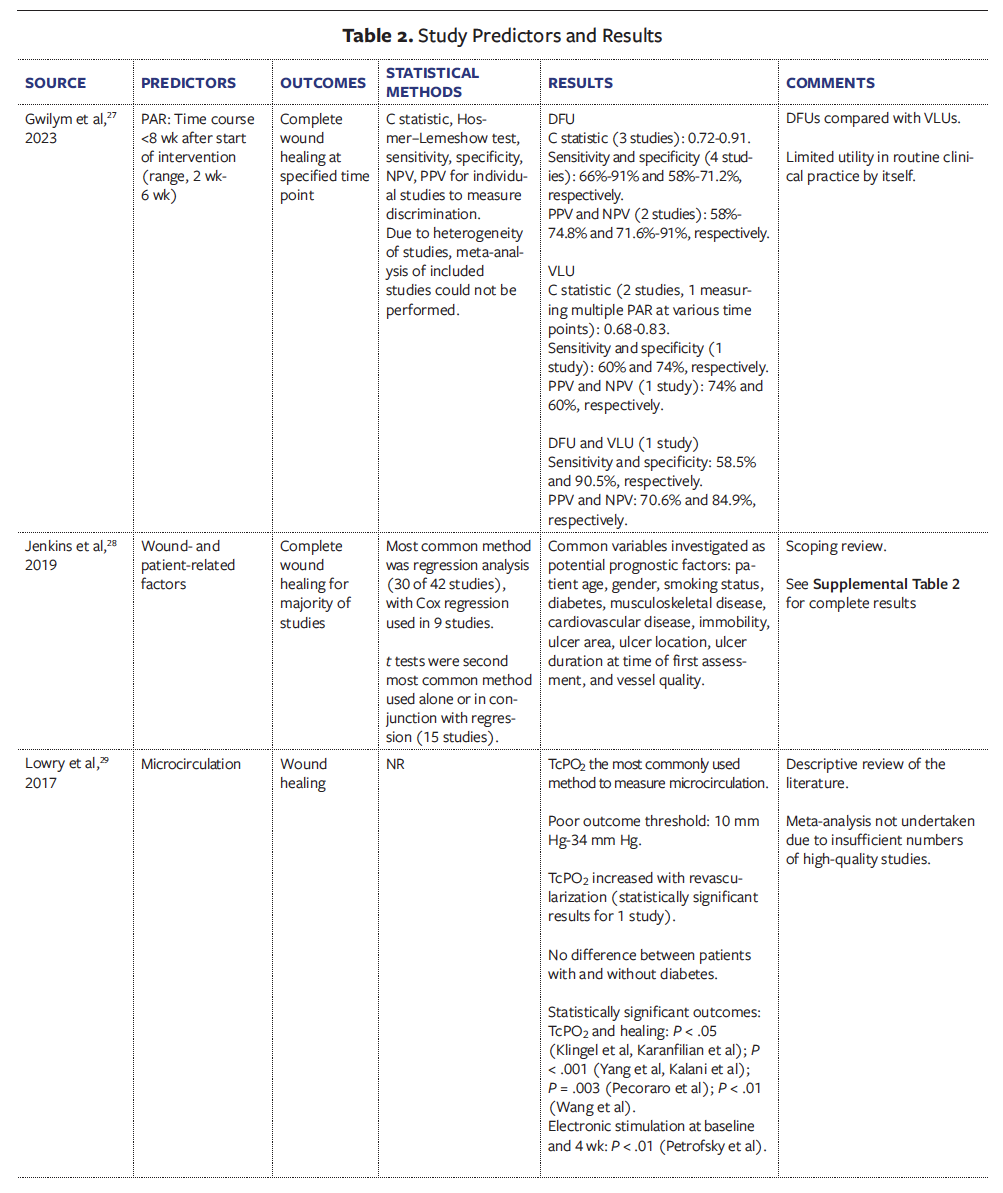
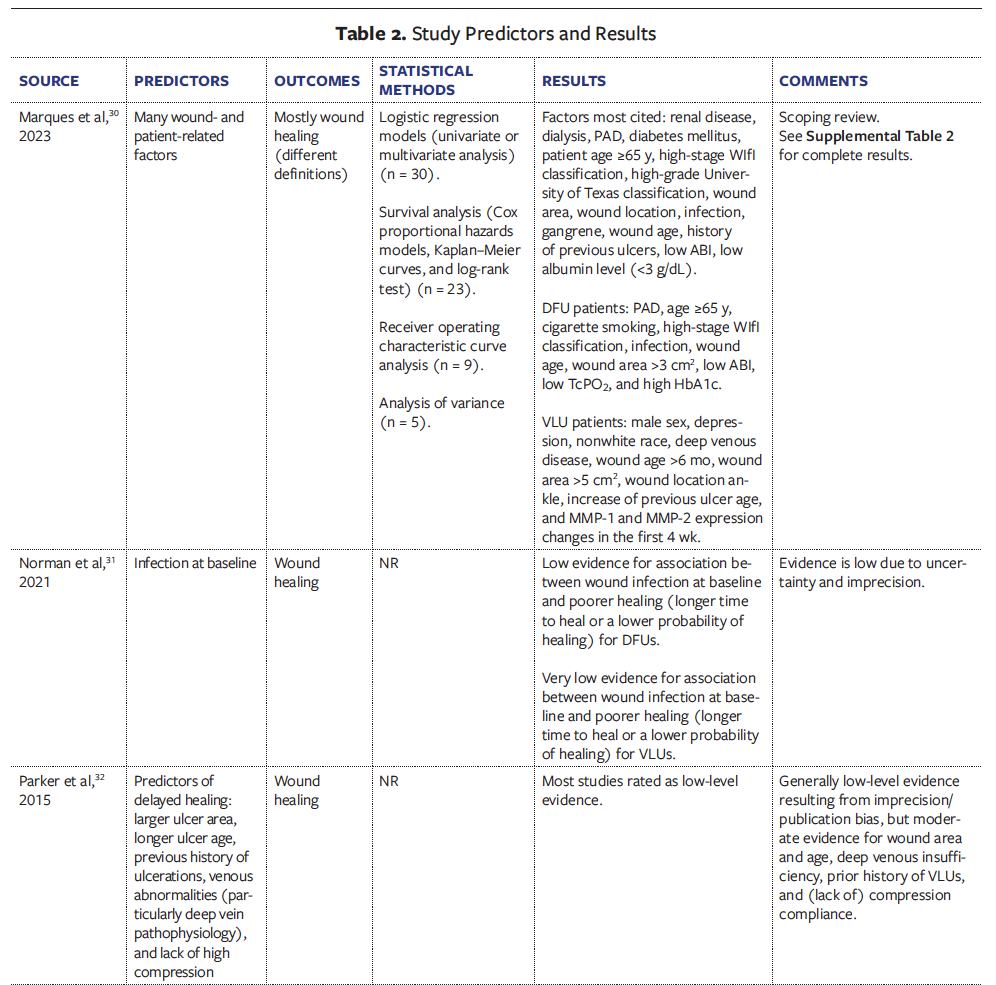
The authors of 4 reviews examined various vascular or microcirculation predictors, such as ankle-brachial index, ankle pressure, transcutaneous oxygen pressure (TcPO2), skin perfusion pressure, toe brachial index, and toe pressure.24,25,29,35 A variety of methodological approaches were used in the studies cited by the reviews, for both complete wound healing and amputation outcomes, with overall positive results, though the certainty of evidence as would be defined by GRADE varied when cited by the authors (Table 2). Most reviews analyzed wound- and patient-related factors, such as wound age or area, infection, or wound severity (primarily for DFUs), as well as sex, patient age, smoking status, or comorbidities (Table 2; Supplemental Table 2). For many of these variables there was considerable evidence in terms of prognostic value. Gwilym et al27 found that early percentage area reduction (PAR) (ie, <8 weeks after start of treatment) had better discriminatory power for prediction in DFUs than in VLUs, and Qin et al33 analyzed a large number of biomarkers, noting that some of these (eg, CXCL6), showed considerable promise based on area under the receiver operating characteristic curve analysis (Table 2). However, there were notable exceptions. García-Rodríguez et al26 looked at nutrition status and compression therapies for VLUs and determined that no conclusions could be drawn regarding the former. Infection was judged not to be a good predictor of healing, especially in VLUs,31 nor were anxiety and depression good predictors of amputation or wound healing in DFUs.37
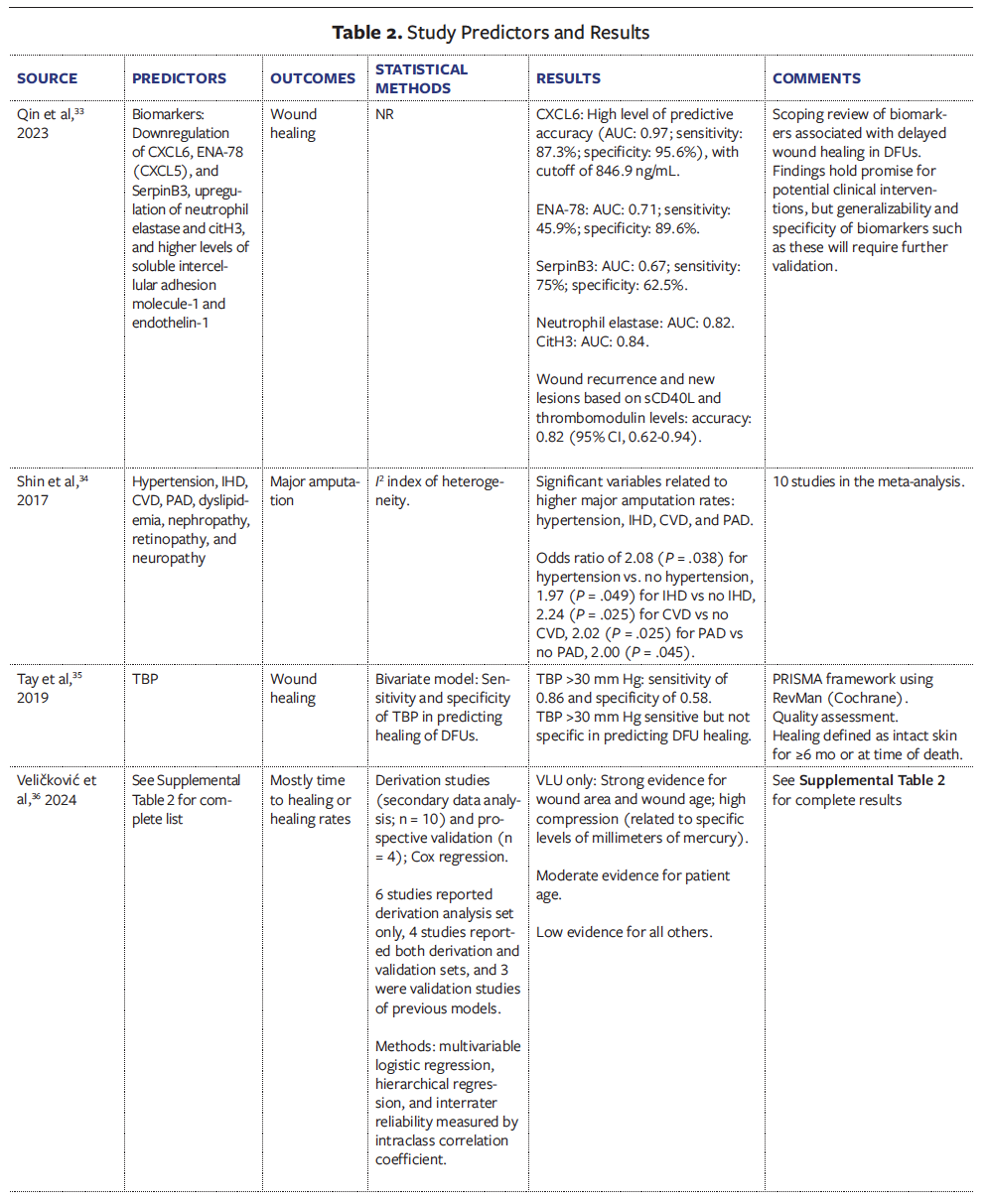
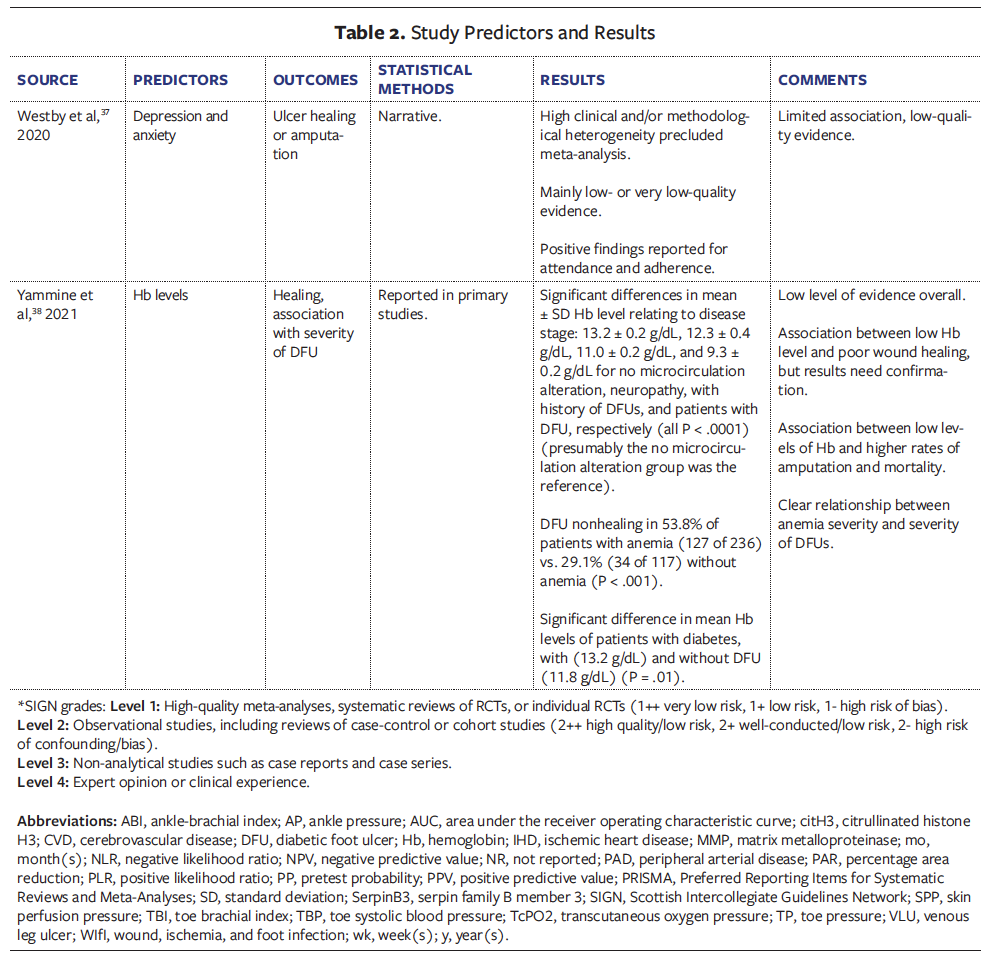
In determining the utility of variables in predicting outcomes, especially wound healing, the authors of the current study also took into account the ease with which such variables can be measured. For example, whereas common wound-related parameters are easily captured and comorbidities can be extracted from medical history or records, parameters such as biomarkers are not easily captured, because they are not routinely available from central laboratories or hospital facilities. The authors of the current study also considered that although the evidence for PAR as a predictor variable for wound healing was moderate, it could also be an end point, and consequently, it was not included. A similar situation pertains to treatments, such as high compression for VLUs. Although it can be argued that type of compression (and level of pressure achieved) should be part of clinical trial reporting for VLUs, the authors of the current study see this as integral to reporting of standards of care, which is a separate subject under study by a WCCC group. Finally, the study authors did not find strong enough evidence for any comorbidities, in part because the prevalence in many clinical trials is not high enough.
The list of final variables in the form identifier, units (if relevant), and preferred reporting formats are shown in Table 3. The 3 groups of variables are patient-related variables at first visit (sex, patient age, body mass index, and hemoglobin level); wound-related variables at first visit (area, wound age, presence of multiple ulcers, wound severity, anatomical location, and complications that have predictive value in regard to wound healing); and diagnostics (ankle pressure, toe pressure, TcPO2, and skin perfusion pressure). In some cases there may be multiple permissible formats; for example, for patient age the authors of the current study recommend reporting the mean (standard deviation) at a minimum but recommend also supplying the median (IQR) or age range in increments of 10 years with percentages if the age distribution is nonnormal.
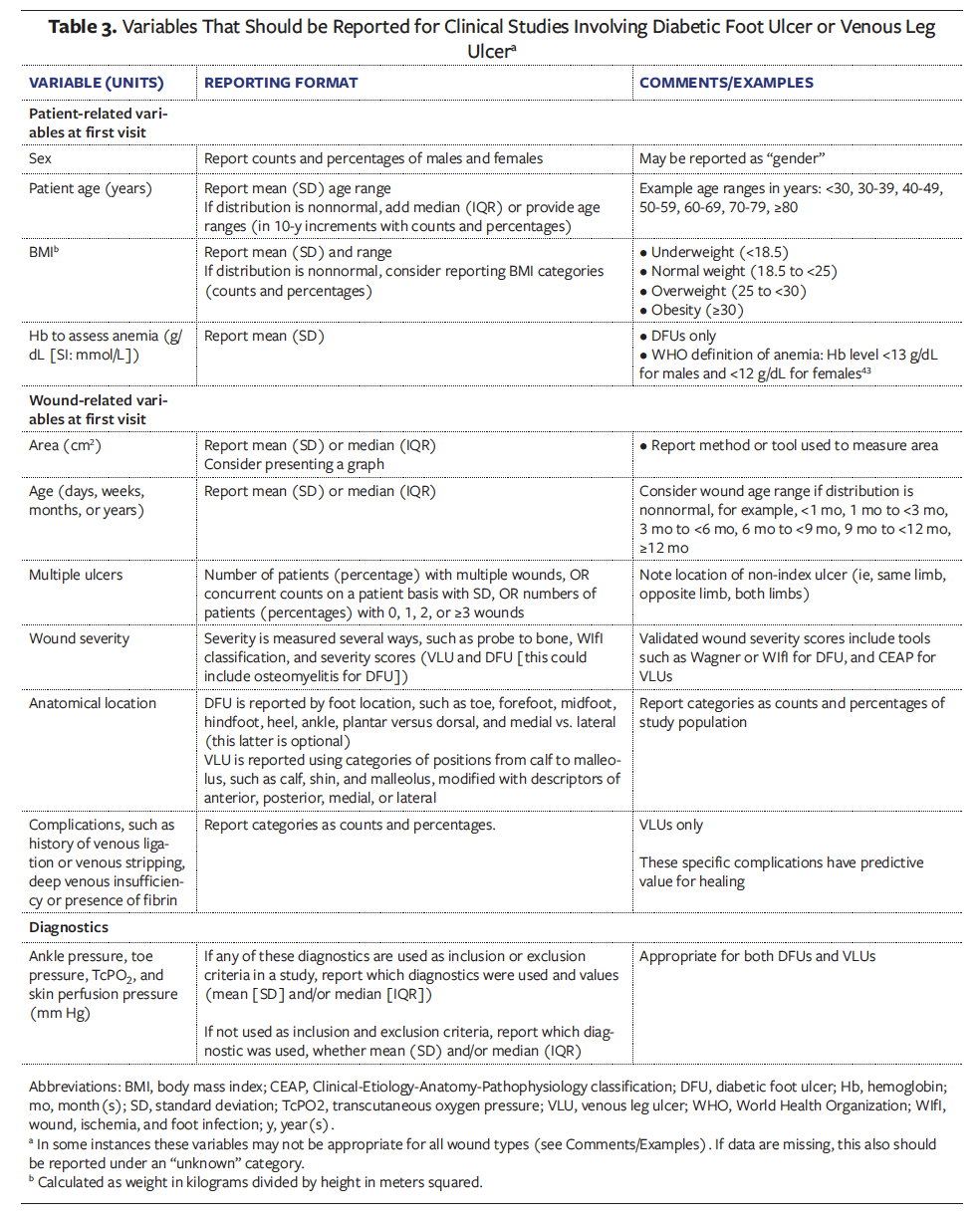
The reporting of variables that can affect wound healing is not meant to substitute for demographics, including comorbidities. The proposed reporting set is intended to serve as a minimum standard, and it should not be taken to discourage the collection or reporting of other variables that may be of relevance but for which less current evidence is available.
Discussion
Identifying appropriate variables to report in clinical wound care trials in terms of relevance is challenging. During prior review of the current study, it was suggested that prognostic evidence for specific variables should be studied rather than variables that might or might not be included sufficiently to be cited in systematic reviews. The problem with the predefined variables approach is that it risks missing variables that are not always considered important by clinicians. Hemoglobin level is a good example of this. Another issue is conditions that wound care clinicians observe occasionally in practice but that are not routinely included in prospective clinical trials, such as drugs thought to interfere with wound healing. Consequently, the authors of the current study consider the proposed approach to be a compromise.
The selection of 15 studies for analysis from a broader review underscores both the depth and complexity of current research on wound healing. While the current effort aimed to capture a comprehensive array of prognostic factors, the exclusion of certain studies highlights the challenges in synthesizing diverse methodologies and outcomes in this field. Notably, the excluded studies on protease activity, pH measurement, and Pseudomonas colonization raise pertinent questions about the multifaceted nature of wound healing, particularly in complex wounds and specific patient populations, such as those with lower limb ulcers.39-42 The temporal context of the selected studies, all published between 2016 and 2024, reflects an energetic yet focused approach to understanding contemporary issues in wound healing. However, the variability in sample sizes and the limited reporting of patient settings across studies suggest a potential bias in the generalizability of findings. For instance, the large cohorts for DFUs and VLUs in Gwilym et al27 contrast sharply with the more modest subject numbers reported by Tay et al.35 This disparity may influence the reliability of comparisons across populations and conditions, emphasizing the need for standardized reporting in future research.
In the authors’ analysis of studies presented in this study, it was observed that certain traditional parameters, such as early PAR, demonstrated notable predictive power in DFUs compared with VLUs.27 This finding supports the case for routine monitoring of wound progress and is in alignment with PAR as an alternative wound healing end point.44-46 The examination of biomarkers by Qin et al33 presents a promising avenue for further exploration, particularly those with high area under the receiver operating characteristic curve values; however, the challenge remains in making these measurements easy to obtain in a wide variety of clinical settings.
Although research (primarily in VLUs) has not established nutrition as a key predictor of wound healing outcomes, it remains a critical factor to track in clinical trials from a regulatory perspective. The FDA generally recommends to sponsors that they implement baseline nutrition screening in clinical trials to ensure that the study population is not malnourished. This helps prevent imbalances in baseline nutritional status that could affect wound healing outcomes between active and placebo groups. When subjects show poor nutrition markers during screening, the FDA generally recommends run-in periods to optimize nutrition before randomization. Nutrition also highlights the quandary in certain prognostic variable or factor operational definitions; currently, there is no standard as to what should be used, partly because poor nutrition is a complex process characterized by several biomarkers, physical attributes, and system impairments. Psychological factors, such as anxiety and depression, also highlight the need for a more nuanced understanding of how these may interplay with wound healing outcomes. Although these particular variables have been postulated as being important, the current analysis did not uncover compelling current evidence to support their predictive validity. Finally, both nutritional and psychological assessments within the context of wound healing could benefit from further investigation in terms of broader clinical evaluation to understand whether or not the reason for their lack of effect is one of relatively lower population prevalence or a lower effect size compared with other factors.
Limitations
One primary limitation of the current study lies in the specific inclusion criteria, which focused solely on studies evaluating prognostic factors for wound healing or wound healing models in adults with VLUs or DFUs. This deliberate selection may restrict the applicability of the findings to other wound types or patient populations. Additionally, the search strategy’s limitation to English-language publications may have inadvertently excluded relevant studies. Furthermore, the relatively small number of studies included in the analysis may limit the ability to identify all crucial variables for clinical trial reporting.
The ease of measuring prognostic variables is another important consideration. Although wound-related parameters are generally straightforward to capture, the challenges associated with biomarker assessments necessitate dialogue regarding their practicality and implementation in diverse clinical environments. The recognition that some variables could serve as both predictors and end points complicates their classification in prognostic models, suggesting a need for ongoing discussion about how best to integrate these factors into clinical practice.
Interestingly, although many studies explored wound- and patient-related factors, such as wound age and patient demographics, substantial gaps in demographic reporting highlight a crucial limitation. The diversity in the methodologic approaches of these studies noted in the reviews themselves complicates the interpretation of prognostic factors. Although positive outcomes were reported, the certainty of evidence varied considerably. This finding highlights the need for a unified framework that could enhance the robustness of future findings and facilitate clearer clinical applications.
Conclusion
Although this synthesis of the literature reinforces known prognostic factors in wound healing, it also exposes critical gaps and areas for improvement in future studies. The final list of reported variables is meant to serve as a guide for consistent communication in research and clinical contexts, stressing the imperative to include comprehensive demographic data alongside these variables to enrich understanding of wound healing dynamics. As the field continues to evolve, collaborative efforts to standardize reporting and address existing gaps will be essential in enhancing collective knowledge and improving patient outcomes in wound care. This guidance adds to 2 crucial consensus statements developed by the WCCC that point to the robust agreement that this work is critical to help advance this field of medicine: “Consensus statement 1: Investor hesitancy resulting from poorly executed clinical trials, poor clinical trial design, and/or insufficient endpoints hinders innovation in wound care,” and “Consensus statement 6: The wound care community has a significant need for updated clinical trial reporting guidelines.”22
Based on the work in the current study conducted by the WCCC committee, it is strongly recommended that these guidelines be used across the board in wound healing and burns clinical trial development.
Author and Public Information
Authors: Marissa J. Carter, PhD, MA1; Alisha Oropallo, MD2,3; Windy Cole, DPM4; Edmond Lee, MBA5; Vickie R. Driver, DPM, MS6; Rhonda Sullivan, DNP, PhD, MSN, MBA7; Howard Walthall, JD, BSE8; Robert Snyder, DPM, MSc9; and Christine Bongards, PhD10
Affiliations: 1Strategic Solutions, Inc, Bozeman, MT, USA; 2Department of Surgery, Northwell Health System, Comprehensive Wound Healing Center and Hyperbarics, New Hyde Park, NY, USA; 3Donald and Barbara Zucker School of Medicine at Hofstra/Northwell, Hempstead, NY, USA; 4College of Podiatric Medicine, Kent State University, Independence, OH, USA; 5Microbion Corp, Bozeman, MT, USA; 6Elson S. Floyd College of Medicine, Washington State University, Spokane, WA, USA; 7NOxy Health Products, San Mateo, CA, USA; 8ProgenaCare Global, LLC, Marietta, GA, USA; 9Barry University School of Podiatric Medicine, Miami Shores, FL, USA; 10Solventum GmbH, Kamen, North Rhine-Westphalia, Germany
Disclaimer: The US Food and Drug Administration (FDA) participates as a member of the Wound Care Collaborative Community (WCCC). The FDA did not contribute to the development of the WCCC statements and work therein. The statements should not be construed to represent the FDA’s views or policies.
Acknowledgements: We formally acknowledge Solventum for their invaluable literature search support. In particular, we would like to thank Judith Alexander for her invaluable support in designing and executing the literature search in STN. The authors would also like to thank Marjana Tomic-Canic, PhD, and Sarah Griffiths, PhD, from the WCCC Gaps group committee, and Dev Verma, MD, from the FDA Center for Drug Evaluation and Research for helpful discussions.
Author Contributions: All authors contributed to the project and the article and approved the submitted version.
Disclosure: The authors report no financial or other conflicts of interest.
Ethics Statement: Ethical approval was not required because this is a systematic review.
Correspondence: Marissa J. Carter, PhD; Strategic Solutions, Inc, 37 Voyager Lane, Bozeman, MT 59718; marissajan@aol.com
Manuscript Accepted: August 10, 2026
References
1. Sen CK, Gordillo GM, Roy S, et al. Human skin wounds: a major and snowballing threat to public health and the economy. Wound Repair Regen. 2009;17(6):763-771. doi:10.1111/j.1524-475X.2009.00543.x
2. Fonder MA, Lazarus GS, Cowan DA, et al. Treating the chronic wound: a practical approach to the care of nonhealing wounds and wound care dressings. J Am Acad Dermatol. 2008;58(2):185-206. doi: 10.1016/j.jaad.2007.08.048.
3. Frykberg RG, Banks J. Challenges in the treatment of chronic wounds. Adv Wound Care (New Rochelle). 2015;4(9):560-582. doi:10.1089/wound.2015.0635
4. Guo S, DiPietro LA. Factors affecting wound healing. J Dent Res. 2010;89(3):219-229. doi:10.1177/0022034509359125
5. Nussbaum SR, Carter MJ, Fife CE, et al. An economic evaluation of the impact, cost, and Medicare policy implications of chronic nonhealing wounds. Value Health. 2018;21(1):27-32. doi:10.1016/j.jval.2017.07.007
6. Margolis DJ, Malay DS, Hoffstad OJ, et al. Prevalence of diabetes, diabetic foot ulceration, and lower extremity amputation among Medicare beneficiaries, 2006 to 2008. In: Data Points Publication Series. Data Points #1. Agency for Healthcare Research and Quality (US); 2011. Published February 17, 2011. https://www.ncbi.nlm.nih.gov/books/NBK63602/
7. Sibbald RG, Elliott JA, Persaud-Jaimangal R, et al. Wound Bed Preparation 2021. Adv Skin Wound Care. 2021;34(4):183-195. doi: 10.1097/01.ASW.0000733724.87630.d6.
8. Gottrup F, Apelqvist J, Bjansholt T, et al. EWMA document: antimicrobials and non-healing wounds. Evidence, controversies and suggestions. J Wound Care. 2013; 22(5 Suppl):S1-S89. doi:10.12968/jowc.2013.22.Sup5.S1
9. Wilkinson HN, Hardman MJ. Wound healing: cellular mechanisms and pathological outcomes. Open Biol. 2020 Sep;10(9):200223. doi: 10.1098/rsob.200223.
10. Martin P, Nunan R. Cellular and molecular mechanisms of repair in acute and chronic wound healing. Br J Dermatol. 2015;173(2):370-378. doi:10.1111/bjd.13954
11. Barakat M, DiPietro LA, Chen L. Limited treatment options for diabetic wounds: barriers to clinical translation despite therapeutic success in murine models. Adv Wound Care (New Rochelle). 2021 Aug;10(8):436-460. doi: 10.1089/wound.2020.1254.
12. Dovell G, Staniszewska A, Ramirez J, et al. A systematic review of outcome reporting for interventions to treat people with diabetic foot ulceration. Diabet Med. 2021; 38:e14664. https://doi.org/10.1111/dme.14664
13. Moher D, Schulz KF, Altman DG. The CONSORT statement: revised recommendations for improving the quality of reports of parallel-group randomised trials. Lancet. 2001; 357(9263):1191-4.
14. Schulz KF, Altman DG, Moher D; CONSORT Group. CONSORT 2010 statement: updated guidelines for reporting parallel group randomised trials. PLoS Med. 2010;7(3):e1000251. doi:10.1371/journal.pmed.1000251
15. Simera I, Moher D, Hirst A, Hoey J, Schulz KF, Altman DG. Transparent and accurate reporting increases reliability, utility, and impact of your research: reporting guidelines and the EQUATOR Network. BMC Med. 2010;8:24. doi:10.1186/1741-7015-8-24
16. Altman DG, Simera I, Hoey J, Moher D, Schulz K. EQUATOR: reporting guidelines for health research. Lancet. 2008;371(9619):1149-50. doi: 10.1016/S0140-6736(08)60505-X.
17. Plint AC, Moher D, Morrison A, et al. Does the CONSORT checklist improve the quality of reports of randomised controlled trials? A systematic review. Med J Aust. 2006;185(5):263-7. doi: 10.5694/j.1326-5377.2006.tb00557.x.
18. Turner L, Shamseer L, Altman DG, et al. Consolidated standards of reporting trials (CONSORT) and the completeness of reporting of randomised controlled trials (RCTs) published in medical journals. Cochrane Database Syst Rev. 2012;11(11):MR000030. doi:10.1002/14651858.MR000030.pub2
19. Hopewell S, Clarke M, Moher D, et al. CONSORT for reporting randomized trials in journal and conference abstracts. Lancet. 2008;371(9609):281-283. doi:10.1016/S0140-6736(07)61835-2
20. Moher D, Hopewell S, Schulz KF, et al; Consolidated Standards of Reporting Trials Group. CONSORT 2010 explanation and elaboration: updated guidelines for reporting parallel group randomised trials. J Clin Epidemiol. 2010;63(8):e1-37. doi:10.1016/j.jclinepi.2010.03.004
21. EQUATOR network: Enhancing the QUAlity and Transparency Of health Research. Accessed January 28, 2025. https://www.equator-network.org/
22. Driver VR, Walthall H, Oropallo A, et al. Collaboration encourages innovation: setting new standards in wound care with the Wound Care Collaborative Community expert panel consensus recommendations. Wounds. 2024;36(12):410-418. doi:10.25270/wnds/24186
23. Schünemann HJ, Neumann I, Hultcrantz M, et al; GRADE Working Group. GRADE guidance 35: update on rating imprecision for assessing contextualized certainty of evidence and making decisions. J Clin Epidemiol. 2022;150:225-242. doi:10.1016/j.jclinepi.2022.07.015
24. Chuter V, Schaper N, Hinchliffe R, et al. Performance of non-invasive bedside vascular testing in the prediction of wound healing or amputation among people with foot ulcers in diabetes: a systematic review. Diabetes Metab Res Rev. 2024;40(3):e3701. doi:10.1002/dmrr.3701
25. Forsythe RO, Apelqvist J, Boyko EJ, et al. Performance of prognostic markers in the prediction of wound healing or amputation among patients with foot ulcers in diabetes: a systematic review. Diabetes Metab Res Rev. 2020;36(Suppl 1):e3278. doi:10.1002/dmrr.3278
26. García-Rodríguez MT, Rodríguez-Parrado M, Seijo-Bestilleiro R, González-Martín C. Influence of nutrition status and compression therapy on venous ulcer healing: a systematic review. Adv Skin Wound Care. 2023;36(1):45-53. doi:10.1097/01.ASW.0000902492.97059.f2
27. Gwilym BL, Mazumdar E, Naik G, Tolley T, Harding K, Bosanquet DC. Initial reduction in ulcer size as a prognostic indicator for complete wound healing: a systematic review of diabetic foot and venous leg ulcers. Adv Wound Care (New Rochelle). 2023;12(6):327-338. doi:10.1089/wound.2021.0203
28. Jenkins DA, Mohamed S, Taylor JK, Peek N, van der Veer SN. Potential prognostic factors for delayed healing of common, non-traumatic skin ulcers: a scoping review. Int Wound J. 2019;16(3):800-812. doi:10.1111/iwj.13100
29. Lowry D, Saeed M, Narendran P, Tiwari A. The difference between the healing and the nonhealing diabetic foot ulcer: a review of the role of the microcirculation. J Diabetes Sci Technol. 2017;11(5):914-923. doi:10.1177/1932296816658054
30. Marques R, Lopes M, Ramos P, Neves-Amado J, Alves P. Prognostic factors for delayed healing of complex wounds in adults: a scoping review. Int Wound J. 2023;20(7):2869-2886. doi:10.1111/iwj.14128
31. Norman G, Shi C, Westby MJ, et al. Bacteria and bioburden and healing in complex wounds: a prognostic systematic review. Wound Repair Regen. 2021;29(3):466-477. doi:10.1111/wrr.12898
32. Parker CN, Finlayson KJ, Shuter P, Edwards HE. Risk factors for delayed healing in venous leg ulcers: a review of the literature. Int J Clin Pract. 2015;69(9):967-977. doi:10.1111/ijcp.12635
33. Qin Q, Haba D, Nakagami G. Which biomarkers predict hard-to-heal diabetic foot ulcers? A scoping review. Drug Discov Ther. 2024;17(6):368-377. doi:10.5582/ddt.2023.01086
34. Shin JY, Roh SG, Sharaf B, Lee NH. Risk of major limb amputation in diabetic foot ulcer and accompanying disease: a meta-analysis. J Plast Reconstr Aesthet Surg. 2017;70(12):1681-1688. doi:10.1016/j.bjps.2017.07.015
35. Tay WL, Lo ZJ, Hong Q, Yong E, Chandrasekar S, Tan GWL. Toe pressure in predicting diabetic foot ulcer healing: a systematic review and meta-analysis. Ann Vasc Surg. 2019;60:371-378. doi:10.1016/j.avsg.2019.04.011
36. Veličković VM, Macmillan T, Kottner J, et al. Prognostic models for clinical outcomes in patients with venous leg ulcers: a systematic review. J Vasc Surg Venous Lymphat Disord. 2024;12(1):101673. doi:10.1016/j.jvsv.2023.06.017
37. Westby M, Norman G, Vedhara K, Game F, Cullum N. Psychosocial and behavioural prognostic factors for diabetic foot ulcer development and healing: a systematic review. Diabet Med. 2020;37(8):1244-1255. doi:10.1111/dme.14310
38. Yammine K, Hayek F, Assi C. Is there an association between anemia and diabetic foot ulcers? A systematic review and meta-analysis. Wound Repair Regen. 2021;29(3):432-442. doi:10.1111/wrr.12902
39. Westby MJ, Norman G, Watson REB, Cullum NA, Dumville JC. Protease activity as a prognostic factor for wound healing in complex wounds. Wound Repair Regen. 2020;28(5):631-644. doi:10.1111/wrr.12835
40. Westby MJ, Dumville JC, Stubbs N, et al. Protease activity as a prognostic factor for wound healing in venous leg ulcers. Cochrane Database Syst Rev. 2018;9(9):CD012841. doi:10.1002/14651858.CD012841.pub2
41. Power G, Moore Z, O’Connor T. Measurement of pH, exudate composition and temperature in wound healing: a systematic review. J Wound Care. 2017;26(7):381-397. doi:10.12968/jowc.2017.26.7.381
42. Toale C, Kelly A, Leahy F, et al. Effect of Pseudomonas colonisation on lower limb venous ulcer healing: a systematic review. J Wound Care. 2022;31(2):186-192. doi:10.12968/jowc.2022.31.2.186
43. Sanford AM, Morley JE. Editorial: anemia of old age. J Nutr Health Aging. 2019;23(7):602-605. doi: 10.1007/s12603-019-1214-x.
44. Driver VR, Gould LJ, Dotson P, et al. Identification and content validation of wound therapy clinical endpoints relevant to clinical practice and patient values for FDA approval. Part 1. Survey of the wound care community. Wound Repair Regen. 2017;25(3):454-465. doi:10.1111/wrr.12533
45. Driver VR, Gould LJ, Dotson P, Allen LL, Carter MJ, Bolton LL. Evidence supporting wound care end points relevant to clinical practice and patients’ lives. Part 2. Literature survey. Wound Repair Regen. 2019;27(1):80-89. doi:10.1111/wrr.12676
46. Gould LJ, Liu J, Wan R, Carter MJ, Dotson MP, Driver VR. Evidence supporting wound care end points relevant to clinical practice and patients’ lives. Part 3: The Patient Survey. Wound Repair Regen. 2021;29(1):60-69. doi:10.1111/wrr.12872