How New Clinical Evidence Standards Could Shape Provider Confidence in CTP Selection and Outcomes
Key Summary
-
CMS (US) — new CTP payment rules: Equal payment across anatomic sites and improved outpatient department access allow Medicare beneficiaries with wounds of any size or location to receive CTPs previously limited by bundled payment barriers.
-
APC reimbursement structure: New three-tier APC categories—PMA, 510(k), and HCT/P—will initially reimburse $127/cm², with future rates determined by category assignment once fully implemented.
-
Clinical decision-making implications: Providers may prefer categories with more stringent evidence, but real-world product selection will continue to hinge primarily on coverage and reimbursement, while RCT endpoints may not reflect broader patient populations.
Transcript
Please note: This content is a direct transcript, capturing the authentic conversation without edits. Some language may reflect the flow of live discussion rather than polished text.
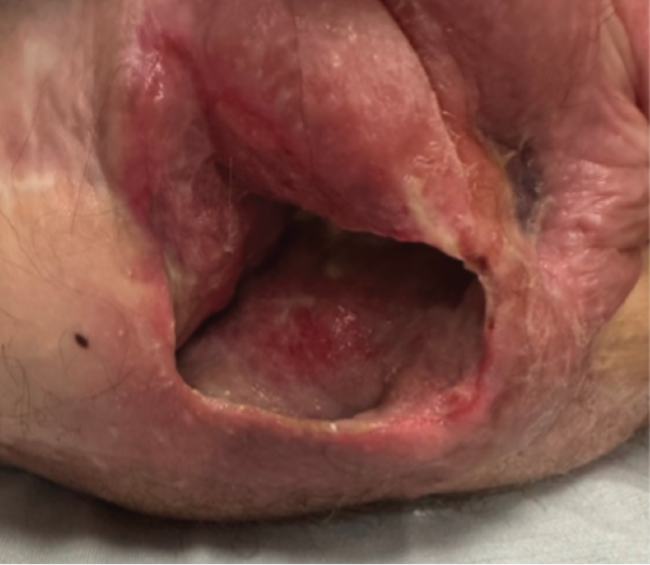
So when considering the new clinical evidence standards that may change our confidence in product selection or patient outcomes, there are some potential wins for patient outcomes with these changes. Cellular- and tissue products are going to be paid equally across anatomic locations. So you aren’t paid more or less on a wound on the foot compared to a wound on the thigh or the head.
Also Medicare beneficiaries will have improved access to CTPs in outpatient departments regardless of the size or location of their wounds. So previously because it was bundled in the outpatient department, patients with very large wounds had to seek care elsewhere or not be treated.
Looking towards the future, the new payment for the products has been stratified into three categories. They call these ambulatory payment classification structures or APCs. And those three categories are based on regulatory clearances. They can either be PMA, 510K or an HCTP and for now each category is going to be reimbursed at $127 per square centimeter. But once those categories are established the reimbursement would then be based on where the CTP is categorized. So as a provider once that is implemented I can see this is being beneficial as the requirements for each category vary significantly.
Ideally, we would choose a product from the category with the most stringent evidence and requirements demonstrating the best efficacy in the patient population we want to treat, right? We want to pick the one that's going to work the best. However, in the U.S., most of our decisions are not based that way. They hinge, unfortunately primarily upon coverage, reimbursement. Fortunately, RCTs are super hyper-focused by definition, so they focus on certain endpoints that may not be as illustrative of the patients that were actually seen.
Dr. Laura Swoboda is a translational scientist, family nurse practitioner, and wound specialist in Milwaukee, Wisconsin. Dr Swoboda serves as principal investigator for quality improvement, evidence-based practice, and research projects in complex wound care. They serve as treasuror of the AAWC, and on the board of directors for the ISTAP and the SALSAL Foundation. Dr Swoboda volunteers on various committees and task forces including the NPIAP's prophylactic dressing standards initiative task force and the American Heart Association's Peripheral Arterial Disease National Action Plan.
© 2025 HMP Global. All Rights Reserved.
All information regarding reimbursement, legislation, regulations, policy, and legal proceedings, is provided as a service to our audience. Commercially reasonable efforts have been made to ensure the accuracy of the information within this resource but HMP Global, their employees, their affiliates, contributors, commenters, and reviewers do not represent, guarantee, or warranty that any information provided within this resource is error-free. HMP Global, their employees, their affiliates, contributors, and reviewers disclaim all liability attributable to the use of any information, guidance, or advice contained in this resource. The responsibility for verifying information accuracy for individual use and in individual circumstances lies solely with the audience member. The information in this resource is also not a substitute for legal, medical, or business advice, and is for educational purposes only. Any views and opinions expressed are those of the author(s) and/or participants and do not necessarily reflect the views, policy, or position of Wounds or HMP Global, their employees, and affiliates.