Clark County Nurse Navigators Ease Load on EMS
How can an EMS agency reduce demand for its ambulances while improving its overall quality of care? In Clark County, Washington, they do it by using nurse navigators.
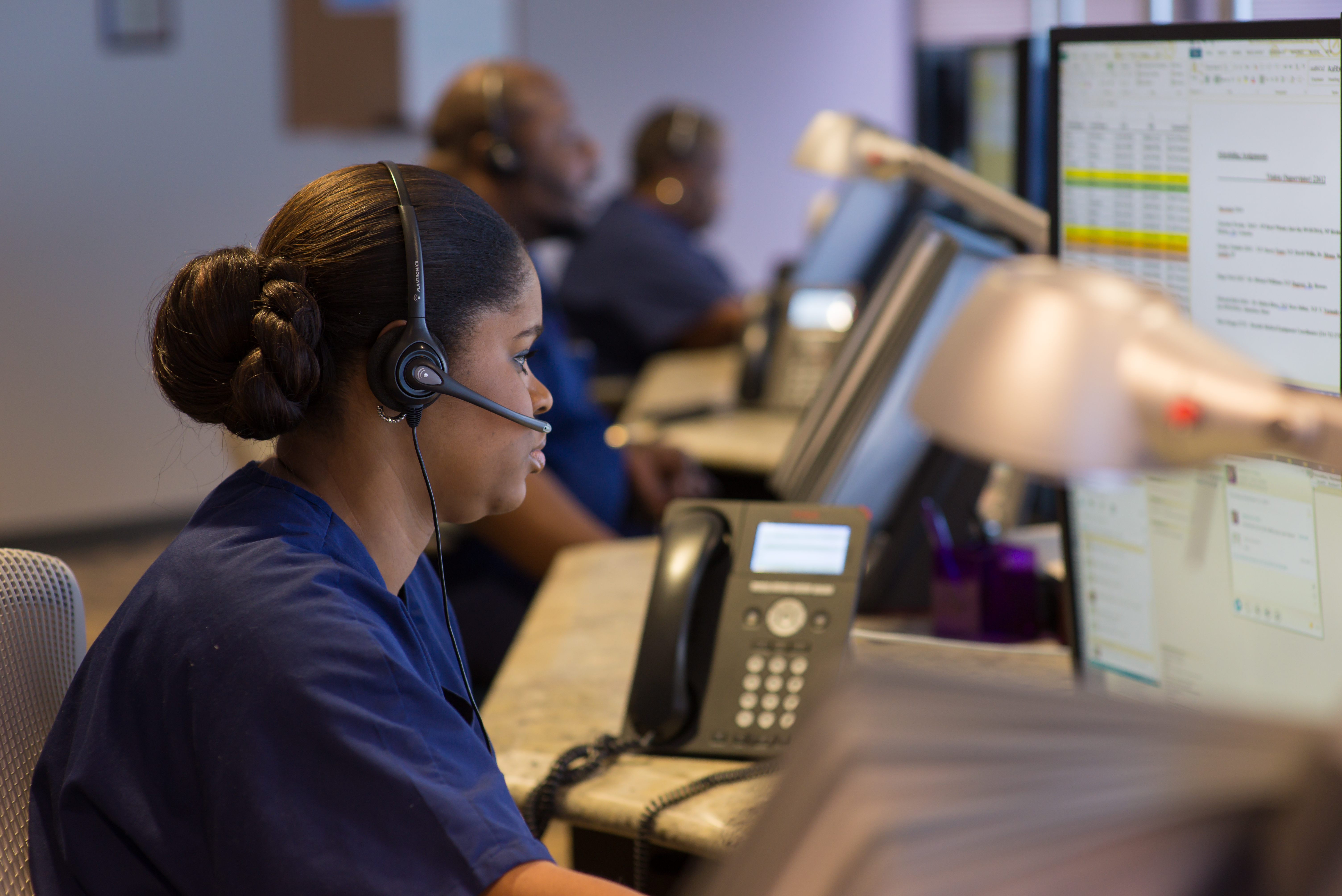
Under Clark County’s Nurse Navigation Program—which is put into action by AMR Clark County, the contracted EMS service from Global Medical Response (GMR)—dispatchers are able to transfer low-level nonemergency 9-1-1 calls to a team of nurses. They are authorized to provide navigation to callers and assist them in booking in-person or telehealth appointments. In this way, AMR Clark County reserves its ambulances for emergency calls, while Clark County can provide better care to more of its residents.
Clark County launched its nurse navigator program in January 2023. Since then, the 9-1-1 center has been able to divert more than 800 low-acuity calls to GMR’s on-call nurses, who work from GMR's call center in Lewisville, Texas. They’re available 24/7, 365 days a year.

“We were just looking for the most efficient way to provide the service that our patients need,” said Marlow Macht, medical program director for Clark County EMS. “We are far from the first to do this: We know that the program was first developed in Washington, D.C. in 2018. But that doesn’t matter. What does matter is that we know our healthcare system is difficult to navigate and that people call 9-1-1 at times because they don't know what else to do.”
These two facts are what make nurse navigators such a useful service for GMR to provide.
“We realized that patients call 9-1-1 just looking for a solution to a problem,” said Gerad Troutman, GMR’s national medical director. “Traditionally that solution has always been an ambulance and a ride to an emergency department. Today, we know that that's probably not always the best way to serve patients.” He told EMS World that nurse navigation systems have expanded beyond Washington, D.C. to now serve 30 sites across 15 states, with a total volume of 200,000 calls to date.

Nurse navigation programs are designed to employ a consistent approach when interacting with callers to deliver the best results reliably and efficiently. To this end, the nurse at the other end of the phone uses a scripted protocol to evaluate the caller and get them to the right medical resource. “It is a very specific scripted protocol that is similar to a typical 9-1-1 MPDS [Medical Priority Dispatch System] type protocol,” said Troutman.
At a time where emergency medical services are under great stress, nurse navigators are an effective way to help their limited resources go further. “Post COVID, many EMS agencies and hospitals have hit their capacity limits, while having difficulties recruiting paramedics and EMTs due to the national labor shortage,” said Rocco Roncarati, regional director for AMR's Southwest Washington Operations. “Using nurse navigators is a big help to them both, because this service takes some of the burden off them. At the same time, navigators use protocols to direct 9-1-1 nonemergency callers to quality healthcare at a lower cost to the system. It is a win-win situation for everybody.”
The numbers speak for themselves. Between May 16, 2023, and September 16, 2024, Clark County’s nurse navigation program saved about $1.1 million dollars in operational expenses. More importantly, “we generated an additional 1,350 hours of availability of ambulances to the higher acuity patients,” Roncarati said. “And we avoided 476 unnecessary EMS ambulance dispatches.”
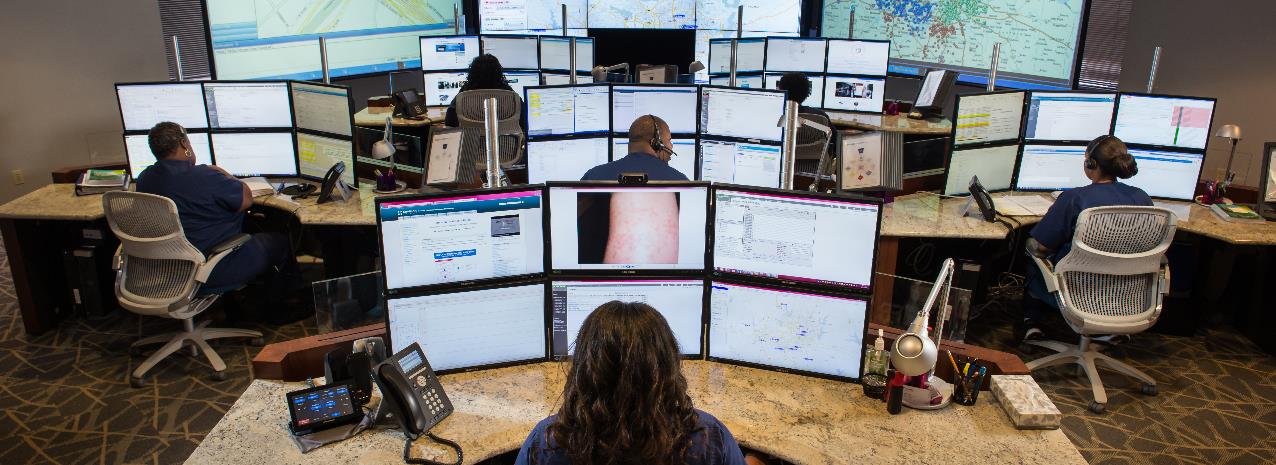 Nurse navigation programs also have a positive impact on EMTs and paramedics, based on GMR’s in-company national surveys. “In those places where we have nurse navigation programs in place, our employees report higher levels of job satisfaction because they spend more of their time on serious cases,” said Troutman. “I like to say that nurse navigation helps us put the E back into EMS because we know most people signed up for emergency services to take care of true emergencies. That's where we feel our most value as providers, taking care of emergency patients.”
For Clark County in particular, adding nurse navigators to their first response roster has been a great success. “It's been a tremendous benefit for us to work with an established program like GMR’s, and we've been able to learn from the experiences of other jurisdictions that have implemented it,” Macht said.
“I believe that nurse navigation should be part of every EMS system in America,” Troutman said. “Everybody benefits from this program, from nonemergency patients who get directed to the care they need and the emergency patients who get better access to EMS resources, to EMS agencies, hospitals and their people who are now able to do their jobs better and save more lives in the process.”