Behind the Scenes at the 2026 FDNY Search and Rescue Field Medicine Symposium
Editor’s note: This is extended conference coverage from the fall issue of EMS World. Unless otherwise noted, the author provided all photos.
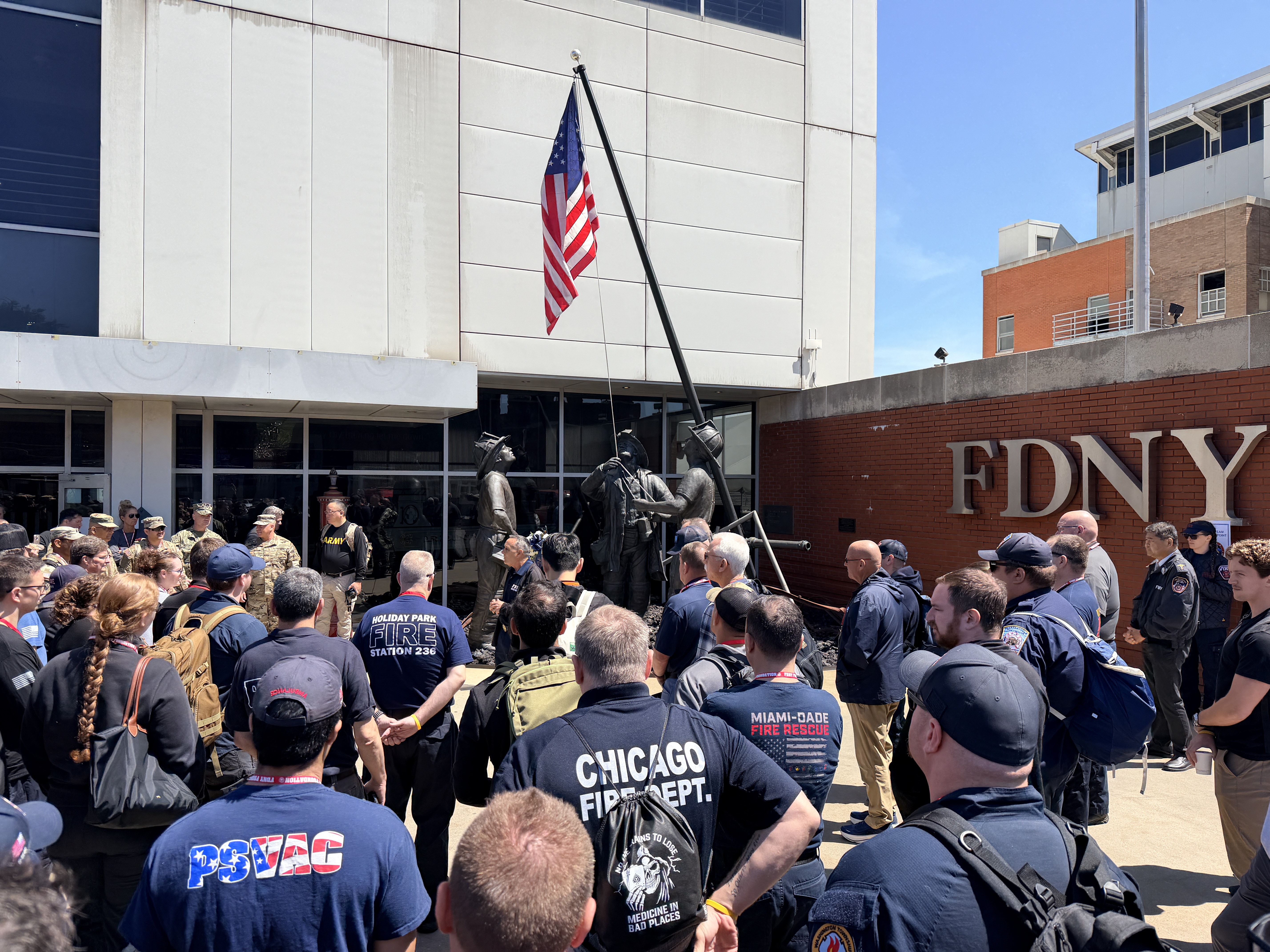
For an EMS provider who wants to be prepared for any situation, an organization that wants to be on the cutting edge of EMS innovation, or anyone looking for a unique experience and a window into how one of the largest fire and EMS agencies in the United States operates, the FDNY Search and Rescue Field Medicine Conference held at the FDNY Fire Academy on Randall's Island in New York City is a dream. Over the course of the weekend of May 16-17, 2026, as well as pre-conference sessions on Thursday May 14 and Friday May 15, conference attendees were treated to informative speakers and engaging hands-on skill sessions covering all manner of special operations in EMS. Attendees included hundreds of representatives from over 25 states and seven different countries, and the faculty were subject matter experts from around the world, as well as FDNY personnel. The conference was funded in part by the FDNY Foundation, and the lead organizer was Dr. Douglas Isaacs, FDNY Deputy Medical Director (and also in charge of the department’s renowned Rescue Medic program.)
Attendees had the opportunity to take a variety of current topics and gain invaluable knowledge from faculty, FDNY EMS personnel, FDNY Rescue Paramedics, and FDNY Special Operations firefighters from Rescue and Squad companies.
Pre-Conference Training
Eleven pre-conference training sessions were held at the FDNY Fire Academy and area hospitals on Thursday May 14 and Friday May 15, 2026, prior to the conference.
Andrew Grandin, a critical care and flight paramedic from New Jersey and Delaware led "Hands-Free Ventilation: Leveraging Mechanical Ventilation In and Out of Hospital and Austere Environments." Participants started the training with a review of ventilation theory and basic modes of ventilation. After the didactic setting, the class was split into groups and moved into stations where they performed case studies on test lungs, pig lungs, high-fidelity manikins, and patient movement, including vertical patient lifts and rigging.
“EMS providers are taught a lot more about ventilation than they think. We use PEEP valves, manometers, and titrate to SpO2 and EtCO2. Modern turbine or piston ventilators are more portable than ever and easy to use. This class was designed to bridge the gap between what they learned to do with a BVM and leveraging a ventilator, to include safe patient movement in all environments,” Grandin said. Grandin encouraged every EMS agency to look into mechanical ventilation. He suggested they select a full-featured ventilator that fits their program and system that has the ability to perform both volume and pressure modes of ventilation and support invasive and noninvasive modalities.
Steven Wood, DmS, ACNP, a flight nurse practitioner and tactical paramedic from Massachusetts, taught a session on "Prolonged Care in Contested Environments: Decision Making Beyond the Golden Hour." Participants worked through the core framework of prolonged field care and what it means to be responsible for a patient for hours, not minutes. The class covered hemorrhage control beyond the basics, airway management without a hospital safety net, fluid resuscitation decisions in the field, monitoring with limited equipment, and documentation and communication under operational stress. The class taught that competence in austere environments isn't about having exotic gear or special training; it's about understanding fundamentals deeply enough to apply them when conditions aren't ideal. Wood wants providers to leave with a mental checklist they can actually run under stress, a realistic sense of what they can manage and for how long, and the confidence to act decisively when the “cavalry” isn't coming for a while.
“If they also leave thinking more seriously about prehospital blood, well, I won't complain,” Wood said.
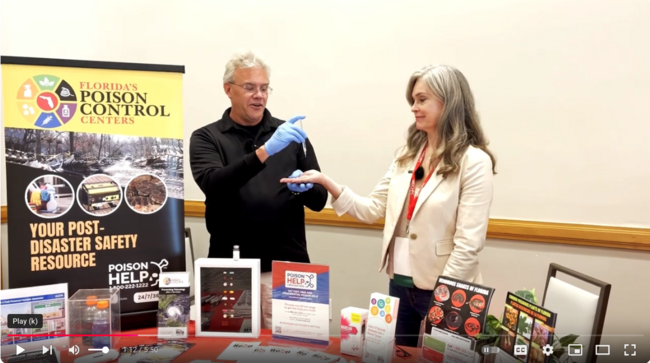
Building on the foundation of previous three years, the "Bite Me! Bites, Stings and Envenomations" course, taught by Dr. Steven Wood, Dr. Joshua Silverberg, and Dr. Sanjay Gupta, maintained its core framework anchored in field-relevant toxicology, threat recognition, and critical prehospital decision-making, but with an evolved clinical depth. This year’s curriculum narrowed the gap between "what the zoo vet does" and "what EMS is actually going to face at 2 a.m." The instructional faculty expanded the program to include structured case reviews and updated envenomation management guidelines, particularly regarding antivenom logistics and indications for FDA-approved options such as CroFab and Anavip. The critical importance of these updates is highlighted by two recent real-world cases that Silverberg managed involving patients transported by ambulance from outside the city: an upstate New York farmer bitten by a wild copperhead, and a rare, complex exotic envenomation from a Mangshan pit viper transferred all the way from Connecticut. The course aims to instill both confidence and humility in attendees—ensuring they can aggressively manage ABCs, mitigate pain, and communicate seamlessly with Poison Control, while remembering that their primary objective with exotic bites is stabilization and rapid transport rather than tourniquets and false “sucking out poison” heroics. Most importantly (and perhaps the most unique), the program retains its defining feature, which allows attendees an experiential, behind-the-scenes learning session inside the hyper-secure Bronx Zoo reptile house guided by zoo reptile house staff.
This year’s "Point-of-Care Ultrasound in Medical Special Operations" intensive session had its primary focus include ultrasound-guided peripheral venous access (USPIV). The session, coordinated by Dr. Daniel Dexeus from Northwell-Long Island Jewish Medical Center, was anchored by a dedicated lecture from Dr. Angela Cirilli, Ultrasound Director at St. John's Riverside. Alongside hands-on practice using specialized silicon training models, Dexeus challenged the common EMS misconception that ultrasound is strictly reserved for verifying cardiac standstill or assisting with central lines. Instead, he emphasized its diagnostic power across a massive spectrum of emergencies, including identifying pericardial tamponade, ruptured ectopic pregnancies, hypovolemic shock, fractures, abscesses, and eye globe ruptures. Students rotated through rigorous, hands-on stations covering the e-FAST exam, cardiac and lung imaging for pulmonary edema, obstetric assessments for fetal heart rate, and the RUSH protocol for undifferentiated hypotension using Butterfly and Lumify models.
Dr. David Charash’s session on the "Field Management of Diving Injuries" underscored a major operational gap in that comprehensive diving medicine is virtually absent from standard EMS curricula and emergency physician training alike. This intensive workshop blended rigorous physics and physiology lectures with a deep dive into 24 distinct diving injuries. Attendees then transitioned to the hands-on portion of the day, working in small teams through 12 dynamic, scenario-based skill stations designed to build cohesive field assessment and triage habits. A lesson learned from the session highlighted the national shortage of facilities willing to accept injured divers for hyperbaric oxygen therapy. Consequently, the primary field directive for EMS when managing a decompression or barotrauma emergency is to transport the patient to the nearest emergency department immediately, rather than bypassing local hospitals to find a chamber. The receiving ED can then use DAN to coordinate a transfer to one of the few regional facilities equipped for hyperbaric treatment.
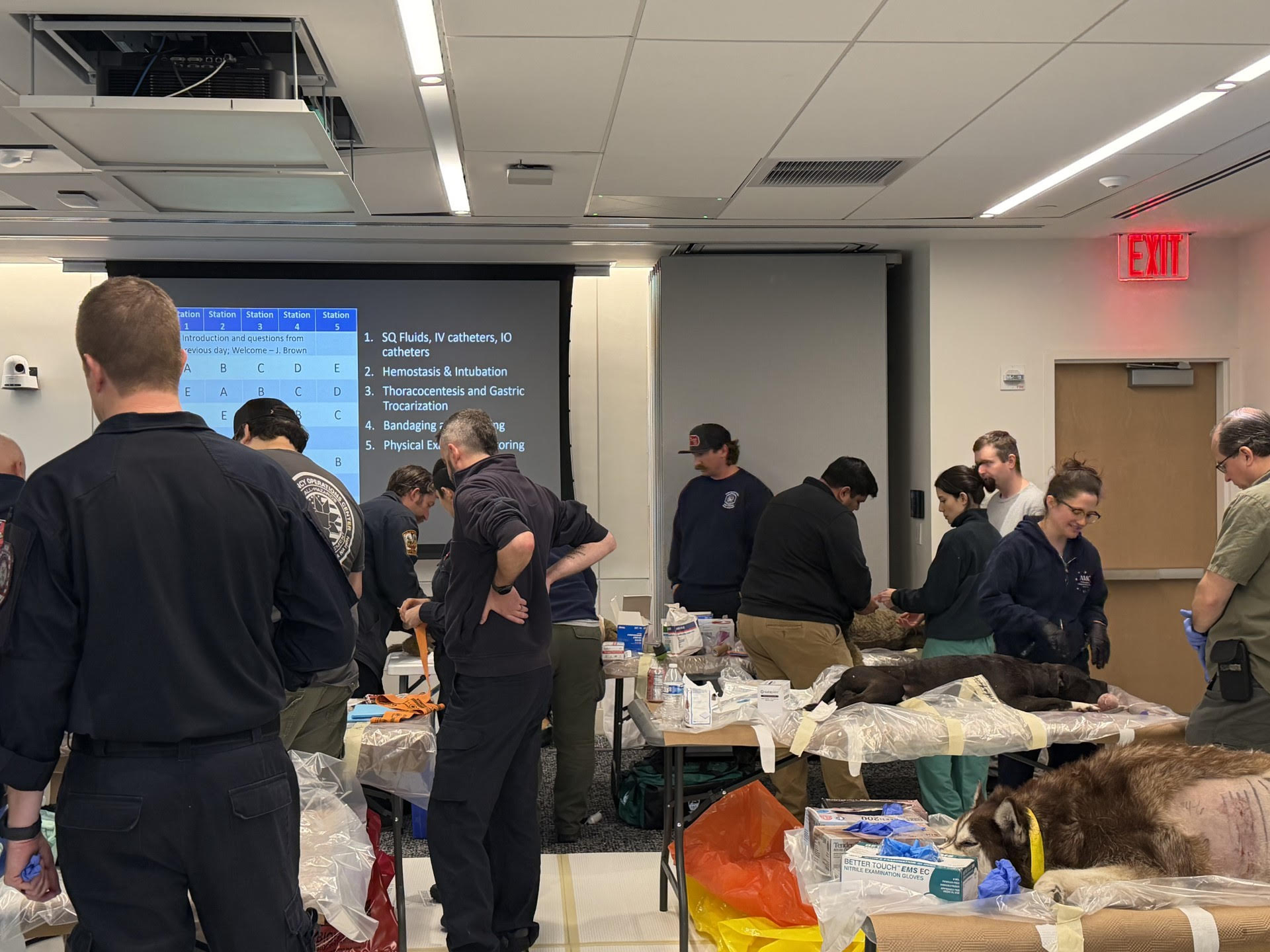
Dr. Ann Marie Zollo’s intensive two-day pre-conference session, "Advanced K-9 Veterinary Care," tackled a critical reality in the field: Human EMTs and paramedics are increasingly expected to provide lifesaving care to law enforcement and (sometime civilian) canines, yet they rarely receive formal training to do so. Designed for a diverse cohort of handler teams, search-and-rescue personnel, EMTs, paramedics, and tactical medics, the course delivered a powerful combination of didactic lectures and high-intensity, hands-on skills stations. Zollo is a board-certified emergency and critical care veterinary specialist from the Schwarzman Animal Medical Center. She taught participants that while the underlying medical principles cross over from human care, dogs possess distinct anatomical, physiological, and behavioral variations that fundamentally alter how a provider must approach patient assessment, triage, and physical restraint. Students walked through foundational mechanics such as specialized K-9 patient packaging and restraint before shifting into high-tier interventions including advanced airway and respiratory management, shock resuscitation, aggressive hemorrhage control, and canine-specific CPR. All these skills were taught using simulations and high-fidelity manikins.
With a subject-matter expert background in educational technology, AI, and EMS, Dr. Barry Bachenheimer presented "The Algorithm Won't Run My Command Post, But It Can Write the Script: Ethical AI for High-Stakes MCI Simulation, Preparedness, and Training for Field EMS." This intensive course provided a roadmap for integrating generative Artificial Intelligence into modern disaster preparedness. The presentation addressed a critical training paradox: While AI can’t (and shouldn’t) replace real-time clinical judgment or human-led incident command, it has become an augmentative tool for automating administrative burdens and generating deeply complex, texture-rich tabletop exercises in seconds. The core of the session was an interactive, hands-on exercise during which participants used robust, role-specific prompts and multi-modal AI engines to generate dynamic Mass Casualty Incident scripts, custom dispatcher bots, and Exercise Evaluation Guides aligned to standards. Bachenheimer reminded attendees, “Never let AI’s first draft be your last. Keep the human in the loop!”
The William Randolph Hearst Burn Center at New York-Presbyterian/Weill Cornell Medical Center team marked their 50th anniversary at this year's FDNY conference by highlighting historical burn trends and the escalating threat of lithium battery fires in New York City in their pre-conference session "Advanced Field Burn Care." Dana Haile, BSN, RN-BC, CCRN, and her multidisciplinary team emphasized that burn injuries are complex systemic traumas in which field interventions directly dictate the patient's long-term recovery trajectory. The instructional focus centered on rapid field assessments for burn size, depth, and mechanism alongside critical initial interventions such as airway management, fluid resuscitation, and pain control. The curriculum culminated in an interactive case study challenging responders to make rapid decisions on airways and intubation, vascular access, and total body surface area calculations while physically evaluating various dressings. The session also reinforced strict adherence to New York’s REMSCO protocols regarding wound coverage, capping off an energetic exchange of regional emergency medical practices among an international audience of first responders.
Other pre-conference sessions included:
- NAEMT Tactical Emergency Casualty Care
- The ABCs of Blood Transfusion
- Advanced Field Burn Care (taught in conjunction with Weill-Cornell Burn Center)
- Bioskills: Field Limb Amputation and Other Critical Procedures
The Main Conference
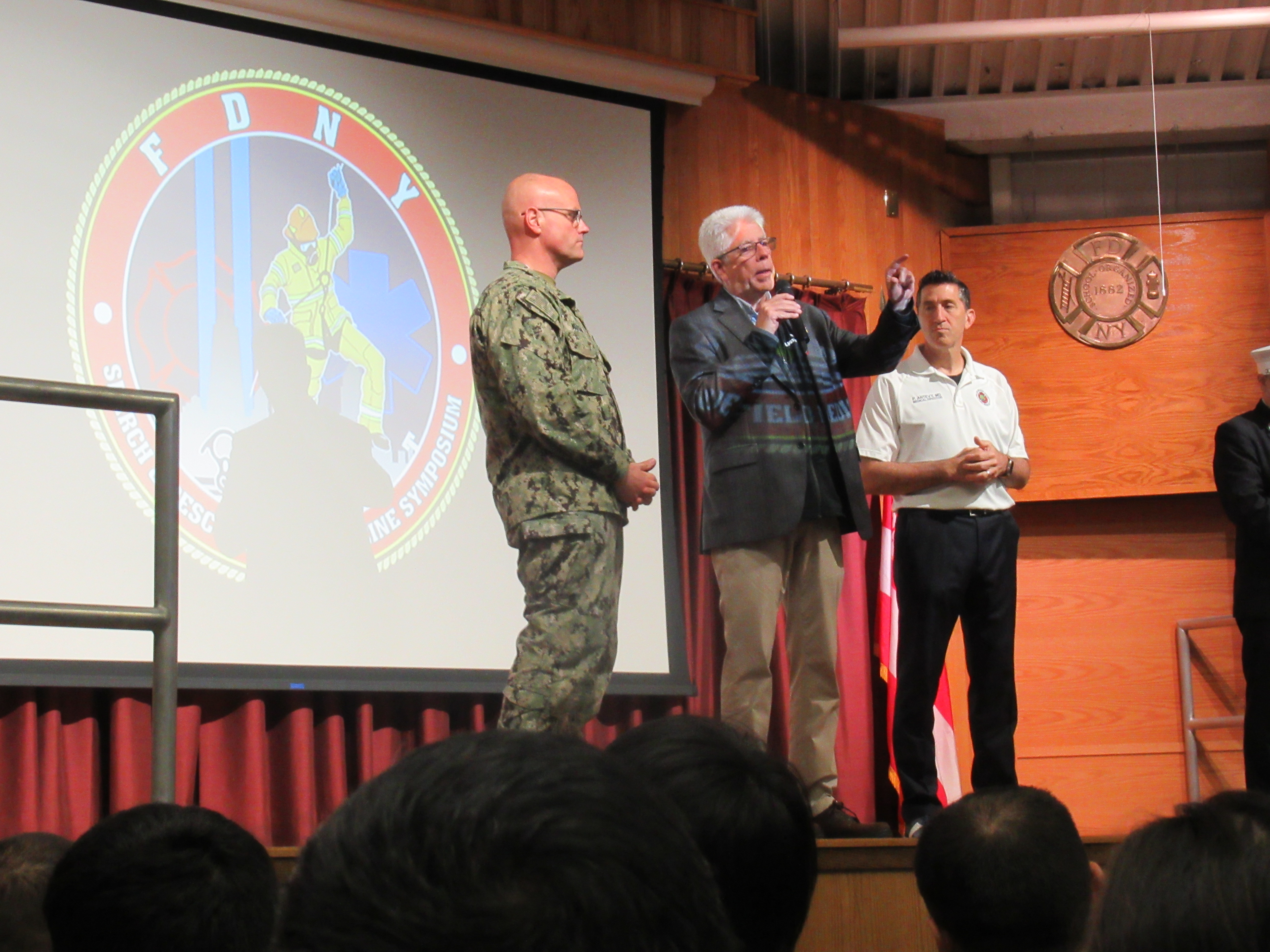
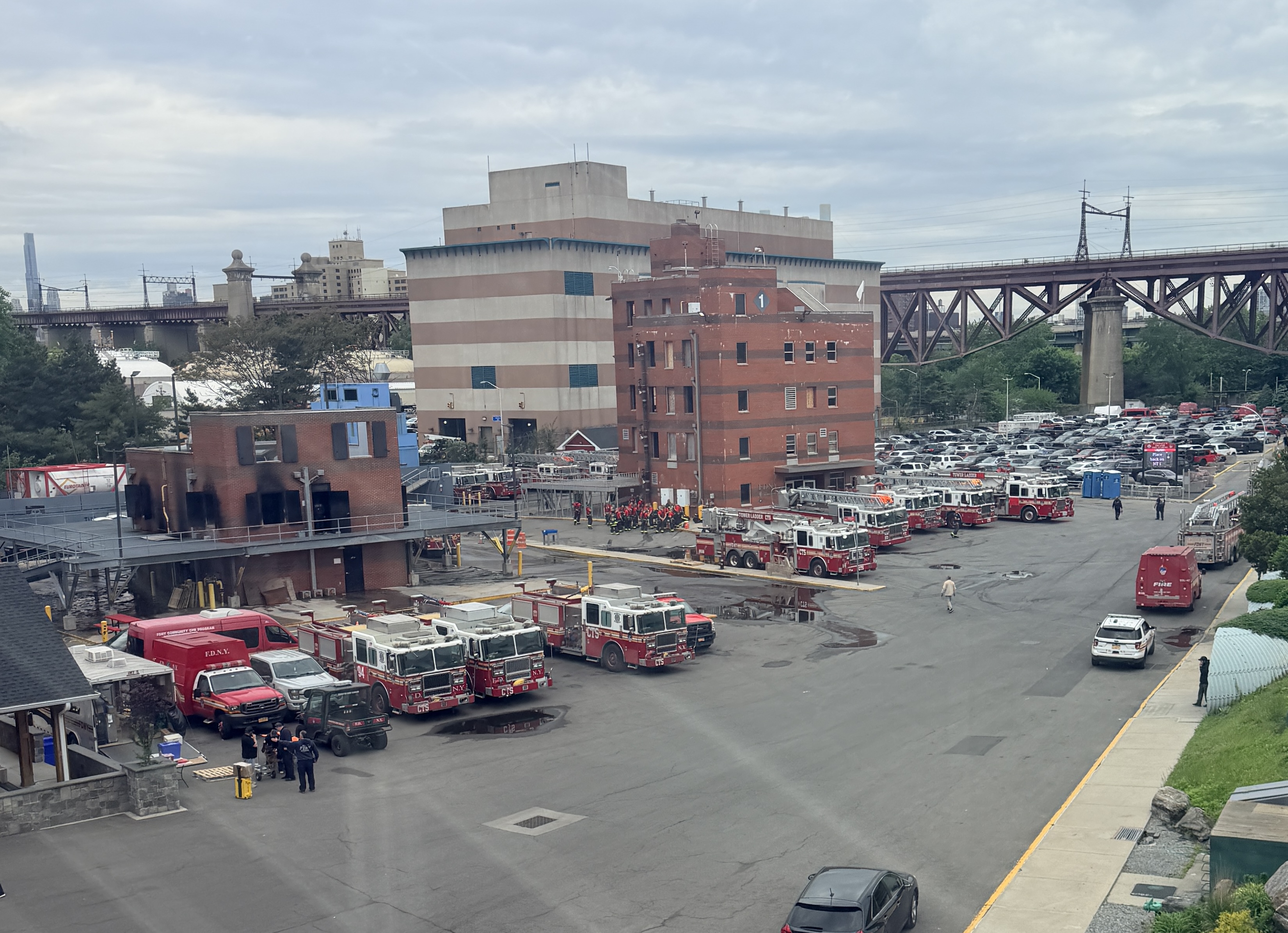
The weekend conference began with the FDNY EMS color guard and pipes and drums band presenting colors and an FDNY firefighter singing the national anthem. The Master of Ceremonies was FDNY EMS Captain Randy Li. Attendees were welcomed by FDNY Deputy Assistant Chief and the Chief of EMS Training Ian Swords, who also brought greetings on behalf of FDNY Commissioner Lillian Bonsignore.
“FDNY SFRM isn’t your average EMS conference,” Swords said. “Preparation, training, discipline, and collaboration make for a successful EMS and rescue outcome. Stay safe and stay ready.”
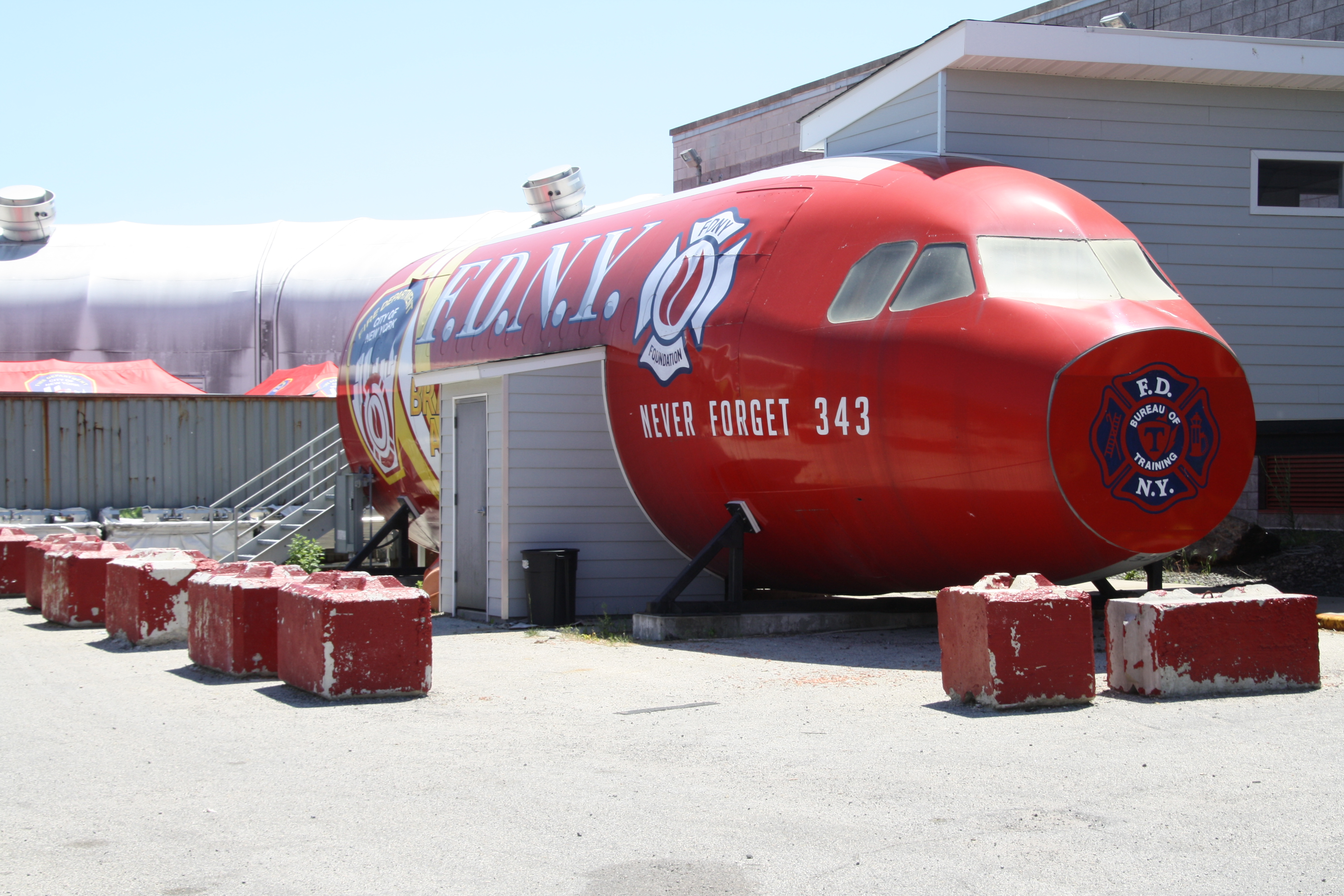
Swords thanked FDNY Deputy Medical Director Dr. Doug Isaacs and his staff for all their hard work in organizing the conference as well as FDNY Foundation Executive Director Jean O’Shea.
Dr. Glenn Asaeda, Chief Medical Director of FDNY, welcomed attendees and noted that injury and illness has been in the news a great deal lately, from “Hantavirus to Ebola to Norovirus.” He noted the preparations for the 250th anniversary of America and the FIFA World Cup games.
“All these layers of complexities have EMS involvement and training, which is what will make us ready,” he said.
Six speakers giving 20-minute “ignite-style” lectures followed.
The first speaker was Dr. John Holcomb, a retired colonel from the U.S. Army who spoke about "Trauma Lessons Learned from Ukraine." Holcomb shared medical insights learned over the last four years that Ukraine has been fighting Russia. He spent time talking about how battlefield trauma, saline, and Ringer’s lactate will not help the bleeding patient, but whole blood and plasma will. He also shared recent research about tourniquet use that showed that prolonged use has increased amputations of extremities.
“They might be in place initially, but they should be removed and converted to a dressing or placement of the tourniquet lower on the extremity,” he said. “If you know how to place a tourniquet, you should know how and when to remove it. Ukraine has thousands of amputations from injuries that didn’t require a tourniquet.”
Holcomb also discussed the rising use of drones in warfare and talked about the vulnerabilities of ambulances and tent-based field hospitals from drone attacks. Lastly, he talked about the rise of antibiotic-resistant infections on the battlefield as well as an increase in tympanic membrane and hearing injuries that occur from the results of hypersonic missile and drone explosions.
The second speaker, Dr. Peter Antevy, a nationally known medical director for several systems in South Florida, laid out a compelling case for eliminating crystalloids such as normal saline and Lactated Ringer's from our trauma kits in his talk “Will You Ditch the Salt Water? Plasma in TBIU Management.” Drawing from his experience in his high-volume system in Florida, Antevy highlighted how infusing saltwater into a trauma patient causes rapid neuron degeneration, dilutes the blood, and worsens systemic edema. When a patient suffers severe trauma or shock, the body strips away the endothelial glycocalyx, the microscopic, hair-like protein network lining the blood vessels. This destruction triggers a massive capillary leak that takes the body 5-7 days to naturally repair, significantly increasing the risk of subsequent sepsis.
The solution is early field plasma administration, which actively heals these leaky vessels and restores those lost proteins. In practice, this means using objective protocol triggers, such as administering plasma to any trauma patient with a Glasgow Coma Scale score of 12 or less. Antevy suggested rethinking our blood pressure targets for head injuries. While permissive hypotension has been a standard teaching point in trauma, new data shows it is highly detrimental to the brain. Currently, logistics limit plasma deployment in Antevy’s systems to quick response vehicles, due to a 26-day shelf life for the liquid product. However, Antevy predicts the future of field care lies in dried plasma. With FDA approval anticipated by 2028, this product will offer a two-year shelf life, allowing every single EMS unit to carry the tools necessary to protect the vascular endothelium right at the scene.
Lt. Commander Joseph Katora, a Marine Corps physician, discussed in his talk “Navy Medicine 2.0” how he established a robust prehospital care system for the Marine Corps in Okinawa, Japan by partnering with Japanese authorities.
The ongoing evolution of hemorrhage control represents one of the most dynamic areas in EMS trauma medicine. Dr. Pamela Lai, a Deputy Medical Director for the FDNY and a medical control physician in the Bronx, delivered a talk titled “The Bleeding Edge of Innovations in Hemorrhage Control.” Lai shared that we are rapidly moving beyond our current standard toolkit of tourniquets, hemostatic gels, TXA, and field blood deployment. The future of resuscitation lies in advanced technologies, including artificial intelligence systems to improve hemorrhage detection, risk assessment, and outcome prediction. Lai shared that perhaps the most fascinating paradigm shift is occurring in the realm of blood substitutes. While the history of transfusions includes bizarre 19th-century attempts such as using milk, and the 1980s saw dangerous experimentation with perfluorocarbons, modern science is closing in on universally matchable artificial blood with extended shelf lives. This includes Hemoglobin-Based Oxygen Carriers (HBOCs) such as Hemopure, which has been used in South Africa since 2001, alongside newer polyethylene glycol liposome-encapsulated vesicles currently undergoing limited Phase 1 human clinical trials.
Managing noncompressible torso hemorrhage remains a critical hurdle, but Lai shared that emerging nanoscale solutions are on the horizon, such as peptide-polymer nanoparticles designed to deliver pro-coagulants directly to damaged vasculature to accelerate platelet adhesion and increase clot strength. Even more revolutionary is the concept of a neural tourniquet, in which vagus nerve stimulation is used to increase systemic hemostasis and reduce inflammatory responses. Remarkably, recent data demonstrates that trigeminal nerve stimulation during resuscitation for hemorrhagic shock yielded a 68% reduction in blood loss following a total transection of the femoral artery. Combined with the ongoing development of spray-dried plasma described by Dr. Antevy, Lai shared that these bio-electronic and nano-chemical innovations could fundamentally redefine field survivability in the future when it comes to life-threatening hemorrhage.
FDNY EMS Deputy Chief Ian Swords challenged the room to confront the flawed ideas that every major incident follows the same structure, resources will arrive exactly as expected, and our training perfectly mirrors reality in his lecture, “Beyond Chaos: Modern Best Practices For Managing MCIs.” Swords suggested that EMS agencies risk catastrophic failure if they treat dynamic, high-threat scenes with static solutions. Swords reminded the audience that we typically stage ambulances for egress rather than entrance, and that we often fail to recognize the critical variables, such as mechanism, patient count, geography, and scene security when they alter an incident in real time.
Swords outlined a flexible four-phase model to navigate this chaos, beginning with a strict reconnaissance and rapid assessment phase in which command sizes up the problem before fully committing resources, followed by adaptive setup, dynamic operations, and intelligent demobilization. Operating dynamically means anticipating the unexpected, such as secondary devices or multi-site attacks. Swords said that “...people do not equal patients.” For example, a mass transit incident dispatched as hundreds of passengers affected often yields a fraction of actual patients, requiring EMS to constantly observe, orient, decide, and act. He cited two examples of proactive care—the use of the EMS Rescue Task Force Model integrated with law enforcement for active threats in the warm zone, as well as the use of rescue medics to provide in-building care of downed firefighters and trapped civilians during structure fires and rescue operations. Swords suggested that EMS agencies must review their MCI protocols and intentionally introduce injectables into their next tabletop exercises that break the rules in order to prepare providers for the unexpected.
Other lectures included:
- The HALO Procedures: Why Good Enough is Not Good Enough by Trevor Glass
- Building the Medical Formation for the 2026 FIFA World Cup by Dr. Matthew Steenburg
- Lessons from the TCS NYC Marathon and Major Music Festivals by Dr. Connor Fitzpatrick
- New Orleans EMS Responses to the New Year's Day Attack by Dr. Meg Marino
- Prehospital Strategies for Complex Coordinated Attacks by S. Yockel and S. Flak
- Field Amputation to Rescue Trapped Patients by Dr. Azeemuddin Ahmed
- Orthopedic Damage Control in the Field by Dr. Christopher Ho
- Air Mobility in EMS Responses by FDNY Captain Michael Leo and FDNY Pilot Frank Montana
- Use of AI in Trauma by Dr. Stuart Kessler
- Optimizing Human Performance at Emergencies by FDNY Capt. Jason Brezler
- Mayday: When the Rescuer Becomes the Patient by Dr. Douglas Isaacs and FDNY Deputy Chief Yonatan Klein
Afternoon Skill Stations
After lunch each day, attendees put on their rescue gear and were placed in four groups that rotated through hands-on stations.
Station 1: Mayday Operations at Structure Fires
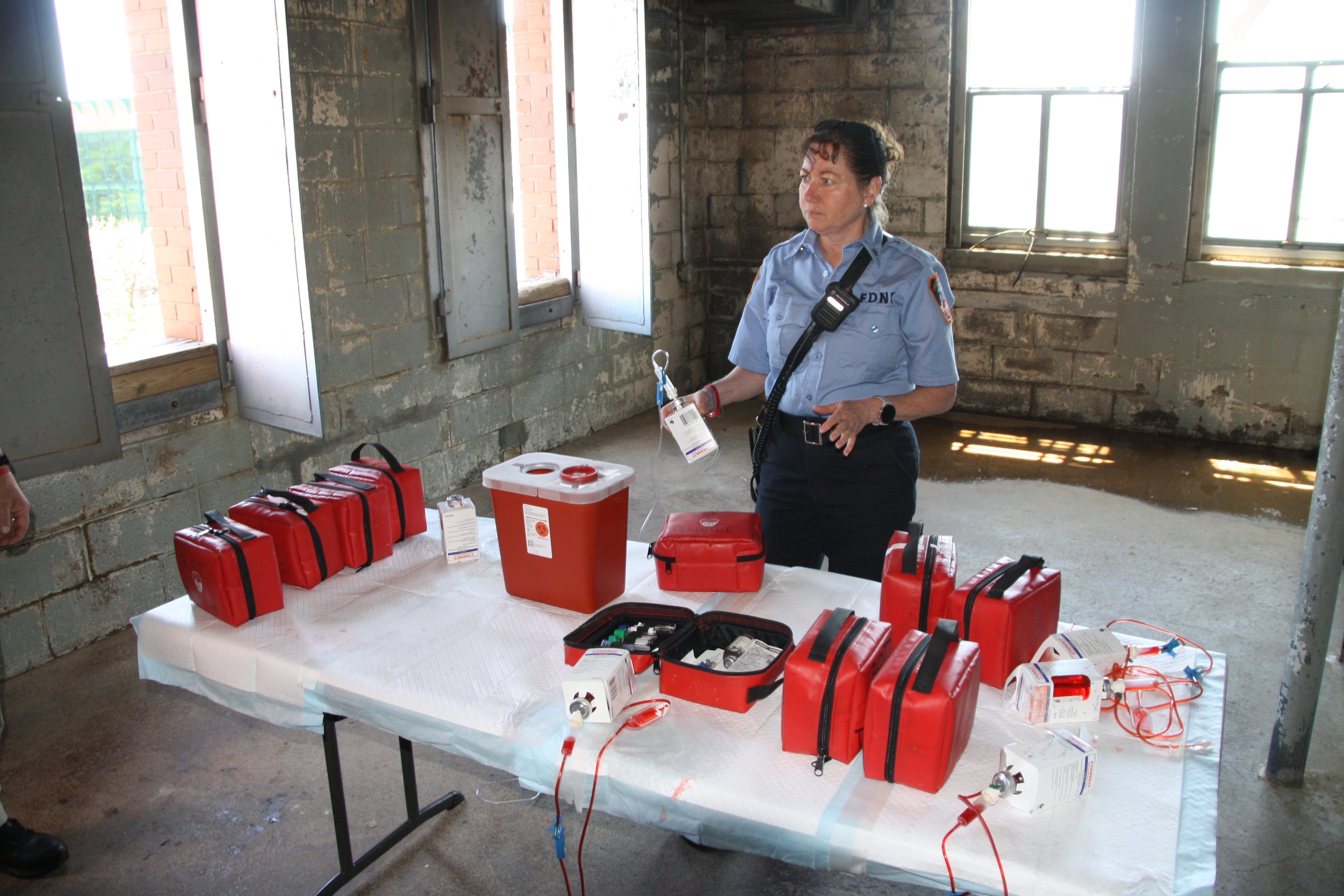
Working on four different floors of one of the multi-story burn buildings used by the FDNY at the training academy, students rotated through stations taught by faculty, paramedics, and Rescue Division personnel from the FDNY. This station covered airway and burn management for the downed firefighter.
- Recognize the Modern Toxic Threat: While 31.7% of firefighter line-of-duty deaths are caused by cardiac arrest, 25% stem from smoke inhalation. Modern fires release microscopic soot particles that travel deep into the lower airways, carrying highly toxic hydrogen cyanide and benzene directly to the cells.
- Control the Scene's Emotional Volume: Treating a fellow responder triggers extreme stress that can easily derail clinical execution. Leaders must actively slow down the pace of the assessment and redirect hyper-emotional personnel away from the patient toward necessary logistical tasks, such as clearing access routes or staging transport ambulances.
- Ditch the PPE for Medical Gloves: When first removing a downed firefighter's turnout gear, EMS should use firefighter turnout gloves for protection from hot buckles and contaminants Then, they must rapidly switch out their bulky structural firefighting gloves for medical gloves, preventing cross-contamination from the toxic soot coating the outer shell.
- Master the Hockey Jersey Fight Method: Turnout gear traps heat, steam, and toxins against the skin, making rapid removal an absolute priority. Responders should use the "hockey jersey fight method" to aggressively remove the firefighter’s helmet and then pull the coat up and over the firefighter's head or immediately use heavy-duty shears to cut them out of the thermal liner and moisture barrier.
- Build Dedicated Firefighter Airway Bags: Every ambulance should be equipped with a specialized kit designed specifically for structural gear removal and immediate airway management. At a minimum, this bag should contain specialized shears, such as Heros or X-shears, heavy-duty medical gloves, sterile water bottles for cooling, and oxygen humidifiers.
- Employ Aggressive BLS Airway Duplication: If a firefighter (or civilian) presents with airway burns or severe respiratory compromise BLS crews must maximize noninvasive pre-oxygenation. Place an OPA, two NPAs, and a high-flow nasal cannula, and manage a high-flow NRB or a two-person BVM setup, noting that chest burns will cause massive ventilation resistance.
- Target a 7.5 Tube Minimum for ALS Intubation: When an advanced airway is indicated via video or direct laryngoscopy, ALS providers must use at least a 7.5 endotracheal tube. This specific sizing is critical because it ensures the hospital can subsequently pass a bronchoscope through the tube to evaluate lower airway damage.
- Deploy Cyanokits Early for Smoke Inhalation: Cyanide is a ubiquitous killer in modern structure smoke, often because members remove their SCBA masks too early during overhaul. In jurisdictions with standing orders, ALS should have a low threshold for administering a Cyanokit to reverse cellular poisoning.
- Cool Active Burns and Prevent Hypothermia: Cool thermal burns using sterile water or saline for up to 30 minutes until the skin is cool to the touch, ensuring you never use ice water. Once cooled, immediately cut off remaining wet clothes and wrap the patient in warm blankets to aggressively prevent hypothermia, which remains a constant threat even during summer operations.
Station 2: Response to Terrorism on the Subway
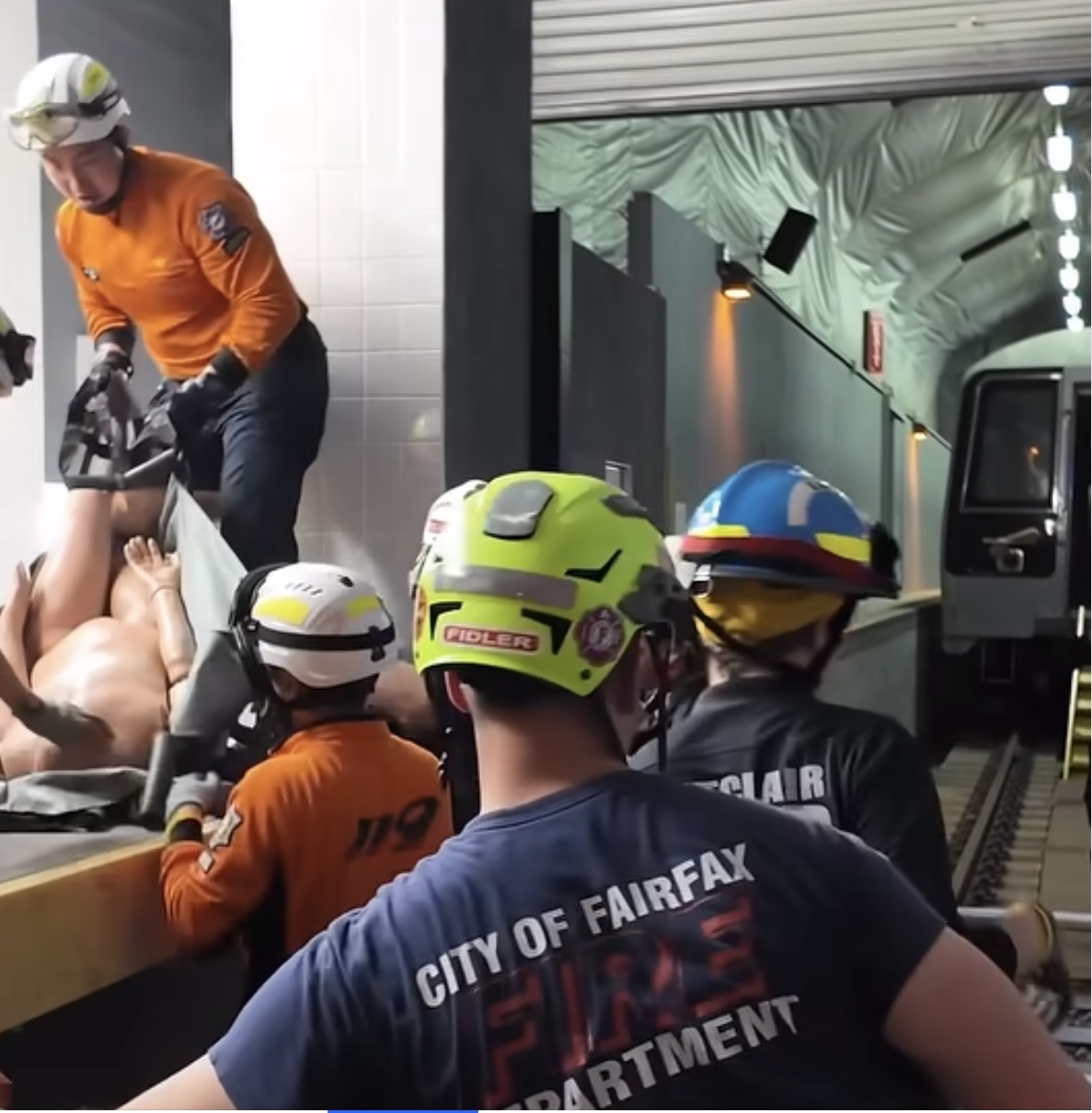
In this station, students descended directly into the subterranean depths of the FDNY subway simulator, a high-pressure environment designed to mimic the sheer disorientation of a warm-zone active threat scenario. Instructors from FDNY rescue companies and FDNY rescue paramedics broke attendees into teams of seven or eight, forcing them to establish order amidst simulated chaos across dark platforms and cramped transit cars. Before breaching the operational zone, the task force ensured everyone was properly outfitted for high-threat operations: Every participant donned tactical vests fitted with heavy Type 4 steel plates and carried an individual first-aid kit packed with chest seals, pressure dressings, hemostatic gauze, and dual tourniquets, alongside a Sked stretcher for rapid patient movement. The setting drove home the brutal reality of operating in confined tactical spaces, where limited light, restricted egress, and the threat of ongoing violence completely redefines standard clinical practice.
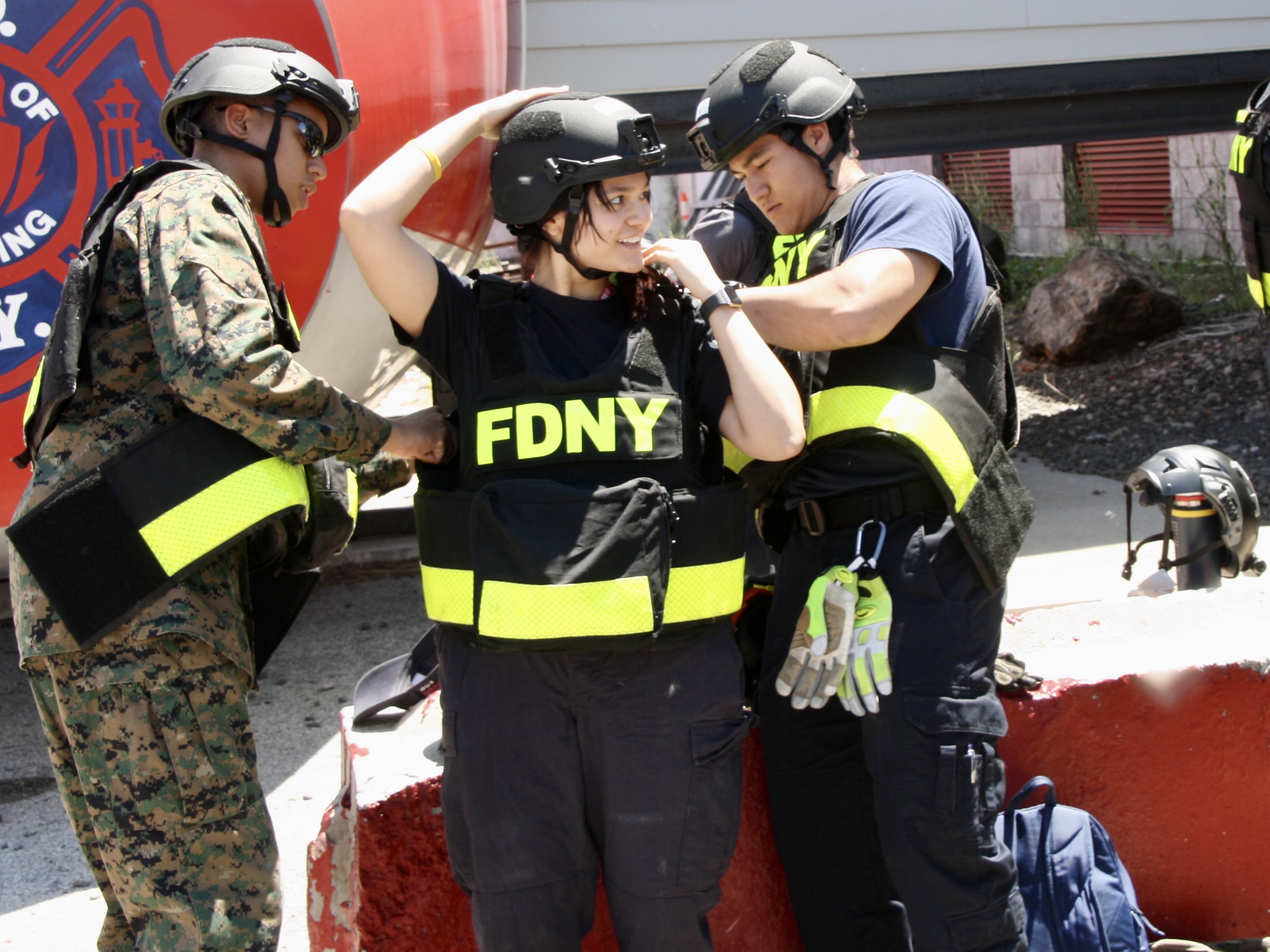
- Use A Tourniquet If You Must, But You Don’t Always Have To: True operational readiness requires being proficient with whatever bleeding control hardware you use in the field. Participants were reminded that if they could control bleeding without a tourniquet, to do so.
- Use Objective Physiological Triggers: Triage must be immediate and disciplined, utilizing rapid assessment cards to evaluate basic respirations, pulse, and mental status (RPM) rather than getting bogged down by complex diagnostic algorithms.
- Clear the Walking Wounded First: On the crowded subway platform, the most effective strategy proved to be clearing the "green tag" walking wounded out of the warm zone first, which decluttered the scene and allowed teams to re-triage and manage the remaining critical victims.
- Make Hard Choices with Limited Resources: Inside the narrow confines of a transit car, limited space and scarce equipment force providers to make rapid prioritization decisions regarding exactly who gets extricated first.
- Adopt the Rescue Task Force Mindset: Operating successfully alongside specialized law enforcement, rescue, and counterterrorism assets requires a shared understanding of tactical movement, proving that integrating an RTF model is what ultimately drives down preventable death on active threat scenes as well as protecting rescuers.
- Embrace Cross-Agency Equipment Unfamiliarity: Joint-agency responses will always bring a mix of unfamiliar gear and varied system strategies. Regular joint training is the only way to expose these friction points before they manifest on a real-world incident.
- Practice as You Will Play: Creating simulations in the environment is far more powerful, especially when sensory enhancement takes place in the form of screams, loud noises, and radios, rather than the calmness of a classroom.
Station 3: FDNY Robotics Unit
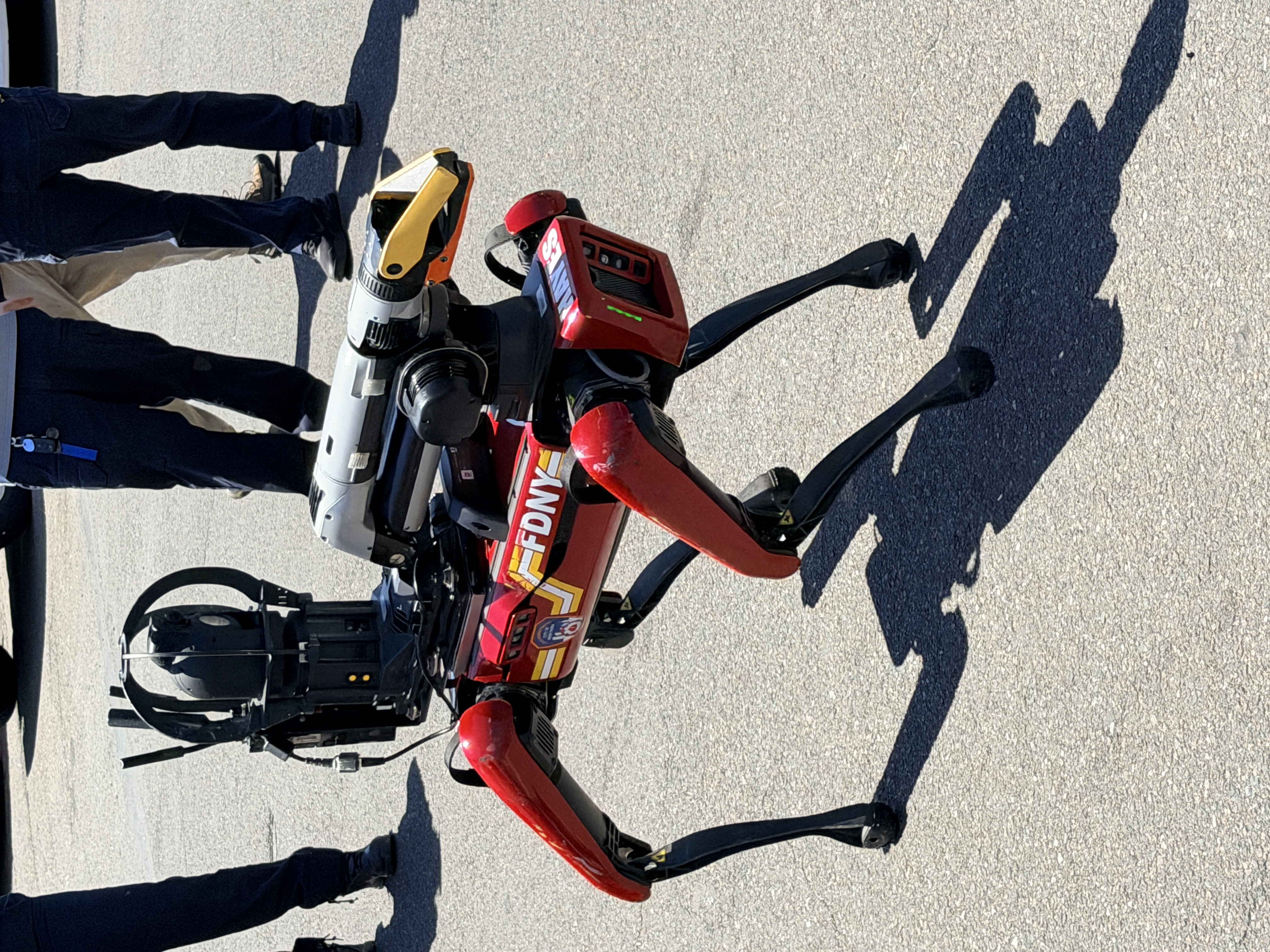
The FDNY Robotics unit gave a demonstration of its operability packages, including search and rescue “dog” robots, drones of various sizes and capabilities, and an operational overview. Drones are currently deployed for multi-alarm structure fires, rescue operations, and when requested to give the incident commanders a birds-eye view of the building, the operation, and hazards.
Station 4: Training Innovation Learning using Mobile Simulation Center
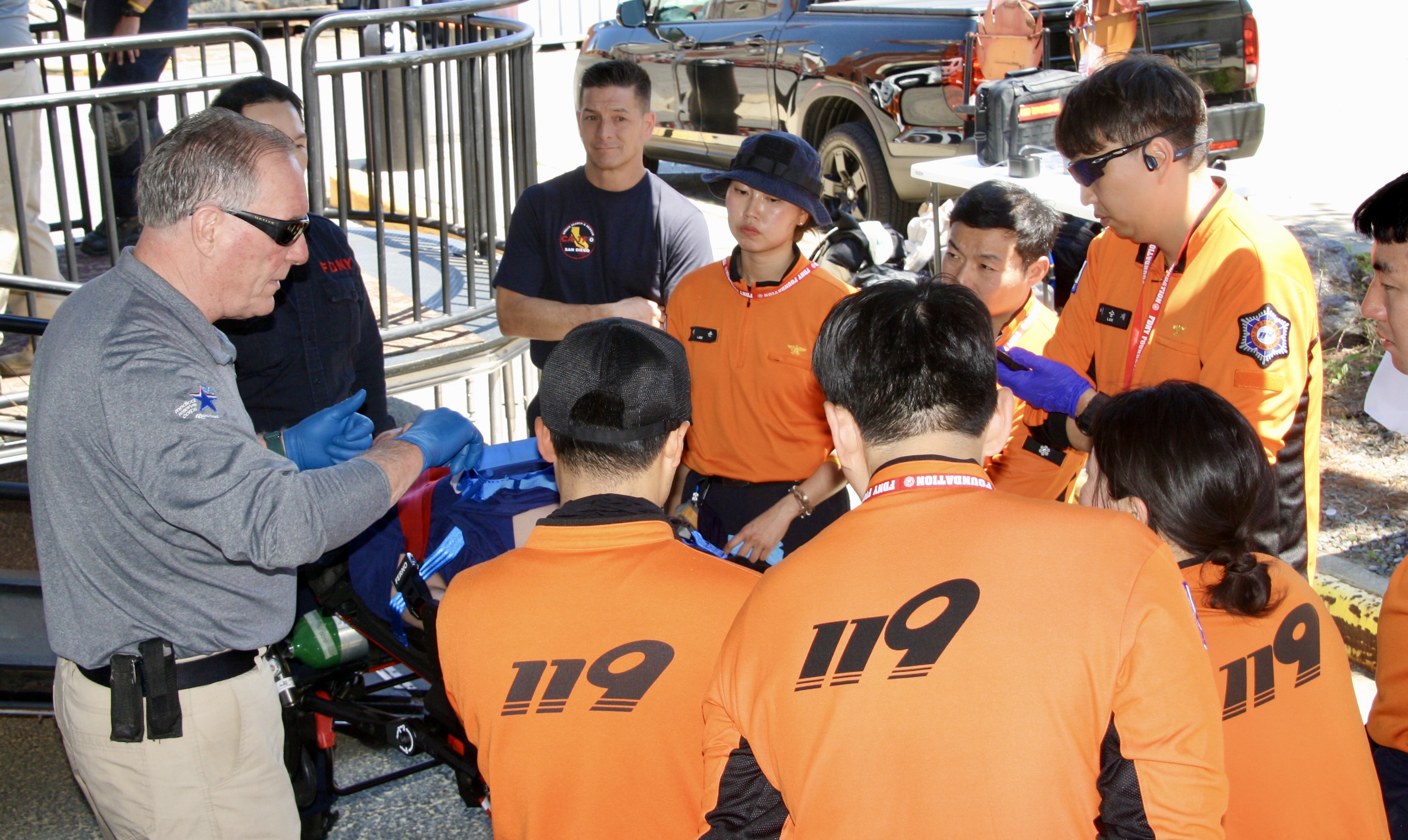
Using a variety of hands-on modalities including high fidelity simulation and virtual reality goggles students got a chance to immerse themselves in bleeding control, incident management, and advanced medical procedures using high-tech tools.
Conclusion
The Saturday and Sunday lectures and hands-on learning sessions at the SRFM symposium provided attendees with a unique window into the issues and innovations in emergency medicine and rescue. The faculty and instructors made their expertise accessible to providers from all skill levels, agencies, and regions. From drone attacks to ultrasound, K-9 operations to subways, from structure fires to tactical operations, the broad scope of the conference fostered new knowledge and encouraged participants to both practice new skills and collaborate with both FDNY staff and participants from around the world. With the importance of training for the effectiveness and success of rescue and special operations, events such as the SRFM are significant moments to bring people together and help make everyone, in the words of Asst. EMS Chief Swords, “Stay Safe and Stay Ready.”
Dr. Doug Isaacs summed up the entire conference by saying “This is a great way to help teach EMS providers to better deliver some excellent care in some very challenging environments.”
About the Author
Barry Bachenheimer, EdD, NREMT, has been a writer for EMS World for over a decade. A 40-year EMS field provider and firefighter in New Jersey, Bachenheimer is also an adjunct professor at Montclair State University and owns an EMS and Educational Technology consulting company, edRescue Solutions. Bachenheimer served on the faculty for the 2026 FDNY SFRM conference.