Highlights from the August 5, 2026 NEMSAC Meeting
The election of a new chair and vice-chair, plus the creation of three new subcommittees, dominated the National EMS Advisory Council (NEMSAC) virtual meeting on Aug. 5, 2026. It was posted to YouTube live, where a recording can be viewed at www.youtube.com/watch?v=nCEEUawTLBw.
This was the second NEMSAC meeting of the advisory council since the terms of its previous members were terminated on Aug. 13, 2025, by President Donald Trump.
According to EMS.gov, “The National EMS Advisory Council was established in April 2007 as a nationally recognized council of EMS representatives and consumers to provide advice and recommendations regarding EMS to National Highway Traffic Safety Administration (NHTSA), part of the Department of Transportation, and to the members of the Federal Interagency Committee on EMS (FICEMS).”
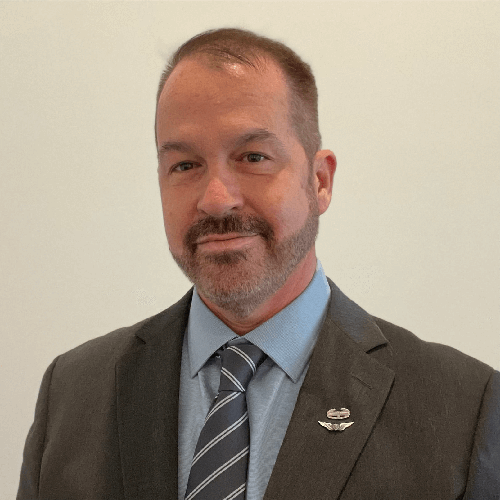
Gamunu "Gam" Wijetunge opened the second meeting online. He is Director of the Office of Emergency Medical Services (EMS) at the National Highway Traffic Safety Administration (NHTSA), and Designated Federal Officer (DFO) for NEMSAC. Wijetunge acted as ad hoc chairperson due to a lack of anyone in this position when the meeting began.
New Roadway Safety Strategy
Wijetunge launched the meeting with a major announcement. “As of just a few hours ago this morning, Secretary of Transportation Sean Duffy released the department's National Roadway Safety Strategy, which sets the department's vision for achieving zero deaths on America's roadways moving forward,” he said. “Throughout the National Roadway Safety Strategy, there are issues that I believe NEMSAC will be particularly interested in.”
Digging into this point, Wijetunge noted that “There is a big focus on public safety and first responders in the community, and the National Roadway Safety Strategy highlights some of the same priorities that NHTSA Administrator Jonathan Morrison outlined earlier this year in NHTSA's pathways to safer street strategy. And that includes a big focus on the importance of emergency medical dispatch, prehospital blood transfusion, and advanced automatic crash notification, as well as broadly improving post-crash care in the United States. Our partners on the Federal Interagency Committee on EMS have been holding extensive deliberations, much of it public, on the importance of prehospital blood transfusion to the nation. And I expect in the near future that the chair of FICEMS and its administrator, Jonathan Morrison, will be sending a letter to the NEMSAC requesting advice on how we can support as a community further adoption of prehospital blood transfusion throughout the country.”
Federal Updates
The meeting featured updates from federal agencies associated with the Federal Interagency Committee on EMS (FICEMS).
First up was Greg Williams, EMS program manager with the U.S. Fire Administration. “We recently released our update of the EMS Medical Director's Handbook,” Williams said. “And for any EMS medical director out there, go ahead and please go to usfa.fema.gov and check it out. We have a whole EMS list up there of not only publications, but also classes from the National Fire Academy, which we just in the last month here got CAPCE approval for. So now when people attend National Fire Academy courses in EMS, of which there are 19…including a new field training officer program here in the next few months, they will be eligible for CAPCE credit as well.”
Next up was Dr. Sean Michael, regional chief medical officer for the Centers for Medicare & Medicaid Services. “We have a lot of work underway in the prehospital blood transfusion realm,” he said. “As many of you all know, a couple of years ago, we were able to revise some of the ALS-2 specifications on the ambulance fee schedule to include prehospital blood administration at the ALS-2 level, and we continue to look at what other levers we have available to continue to advance that work.”
A New Chair and Vice-Chair
The leadership of NEMSAC has been vacant since the Trump administration terminated the old body. This gap was filled during the meeting when the council members held an online vote for the chairperson and vice chairperson positions.
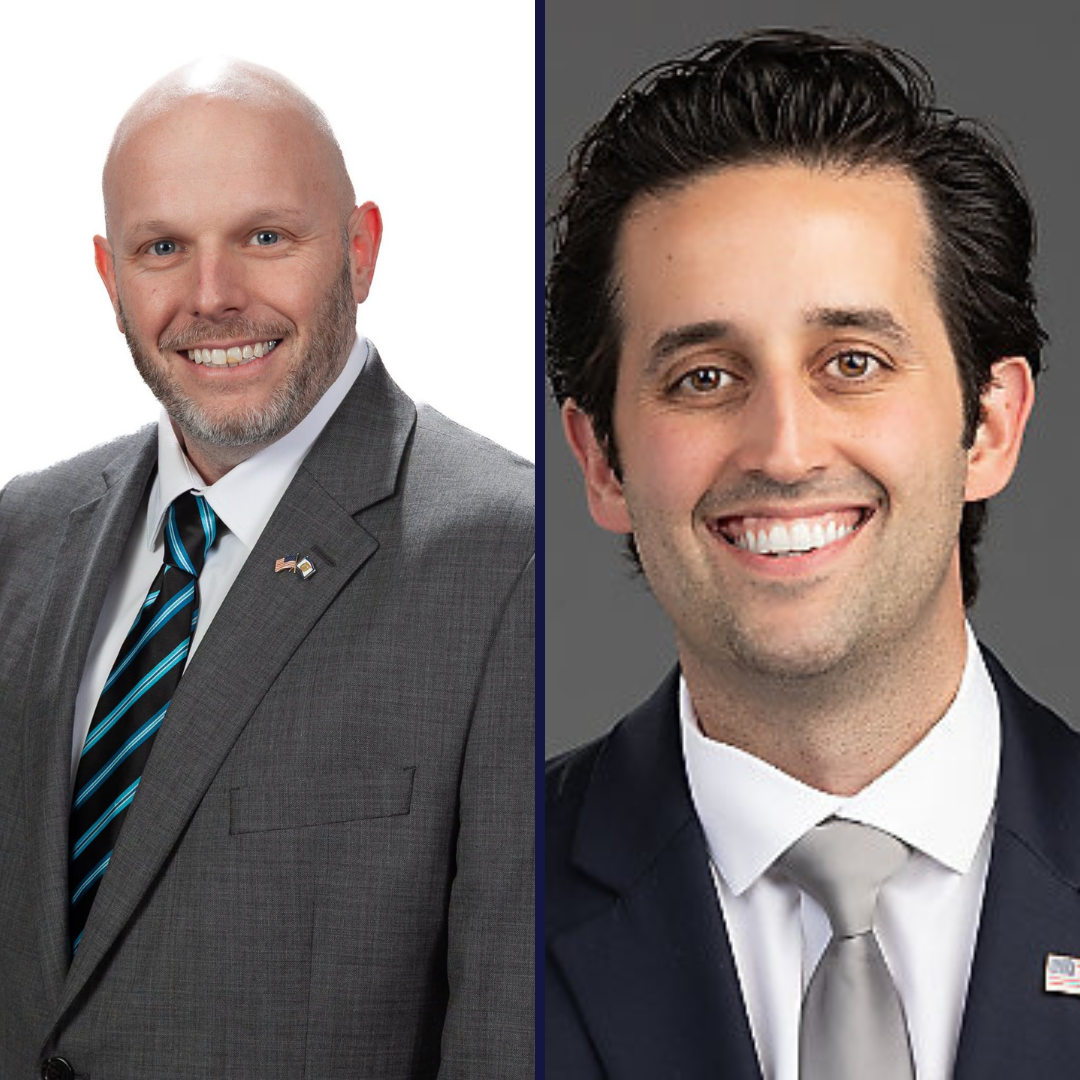
After the votes were counted, Michael Thomas, DrPH, MHA, was chosen to be NEMSAC’s chairperson, and Nicholas Cozzi, MD, as its vice chair. Thomas is chief government affairs officer, director of dafety, and deputy director of human resources for Jan-Care Ambulance, and the private EMS representative on NEMSAC. Cozzi is EMS and disaster medicine medical director at Rush University Medical Center and the EMS physicians representative on the council.
New Subcommittees
“The previous existing subcommittees of NEMSAC have been abolished and not identified in the new NEMSAC charter,” said Wijetunge during the meeting. “At this time, I'm pleased to officially announce the names and structural purposes of the newly established NEMSAC subcommittees that were approved by Secretary Duffy just a few weeks ago.”
According to Wijetunge, the Clinical Excellence Subcommittee will focus on increasing prehospital blood transfusion rates for hemorrhagic shock patients, enhancing pediatric burn and trauma care, and advancing clinician education for time-critical emergencies.
The Systems Innovation Committee will work on scaling prehospital blood transfusion programs across the nation, advancing military civilian integration for casualty management, and guiding research into vehicle extrication to reduce crash mortality.
The Integrated Informatics Subcommittee will focus on data linkage across the public safety environment, including the adoption of advanced automatic crash notification or AACN, standardization of 9-1-1 protocols and data integration among NHTSA's National EMS Information System (NEMSIS), the National Emergency Response Information System (NERIS), and Health Information Exchange (HIE).
The council members spent the rest of the meeting discussing which topics should be assigned to which subcommittees. The chairs of the subcommittees have yet to be officially announced. After this discussion ended, the meeting was adjourned.