Wake County EMS Earns AHA Gold After Reaching 15% Cardiac Arrest Survival Rate
In 2025, Wake County EMS achieved a 15% survival rate for cardiac arrest patients—significantly outpacing the national average of 10.5%. Over the course of the year, the North Carolina agency saved 118 lives. Using the national baseline as a comparison, that represents roughly 35 more survivors than would otherwise be expected.
For its success, Wake County EMS recently received the American Heart Association’s Mission: Lifeline EMS Gold achievement award for its commitment to clinically excellent care. The agency is also listed on the AHA’s Target: Heart Attack Honor Roll and Target: Stroke Honor Roll. Both awards focus on the work by EMS and hospital providers to shorten the time from a patient’s first medical contact through their arrival at the hospital and the start of treatment.
Wake County EMS serves the entirety of Wake County in North Carolina. This includes the capital city of Raleigh, 11 towns of various sizes, and the unincorporated areas in between. The total coverage area is about 857 square miles, serving a total population of about 1.2 million people.
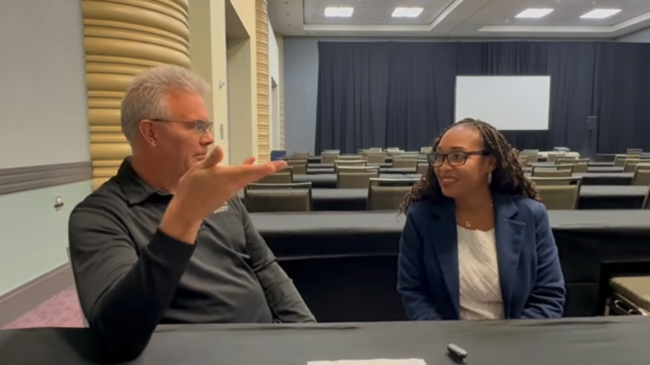
Staten Young, Wake County EMS’ Commander of Community Outreach, spoke with EMS World about the agency’s AHA recognition, its sustained cardiac arrest survival rates, and the training and hospital partnerships behind those results.
EMS WORLD: First, tell me a bit about Wake County EMS. Where do you serve and how big are you?
STATEN YOUNG: We're in North Carolina, serving the Raleigh area, which is part of the greater Research Triangle, but we specifically serve the entirety of Wake County. Some of our larger notable cities besides Raleigh include Apex, which is a growing tech hub, and others like Holly Springs are gaining a lot of traction as well. We have about 66 people a day moving into Wake County. It’s a rapidly growing population that we serve, spread out over a large geographic area.
EMS WORLD: Tell me about this Gold honor you received from the AHA. Walk me through what it entails.
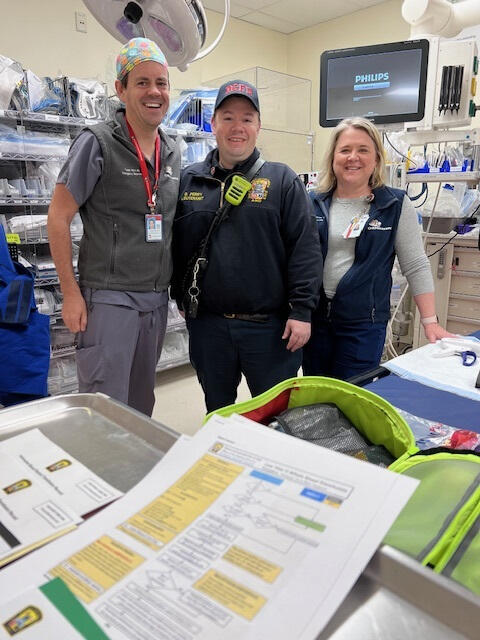
YOUNG: This award is given out for quality of care based on specific criteria related to heart attacks and strokes. Ultimately, what we're looking at is early identification, field care, and our relationships with our hospital partners. We’re very lucky to have great relationships with the hospitals here.
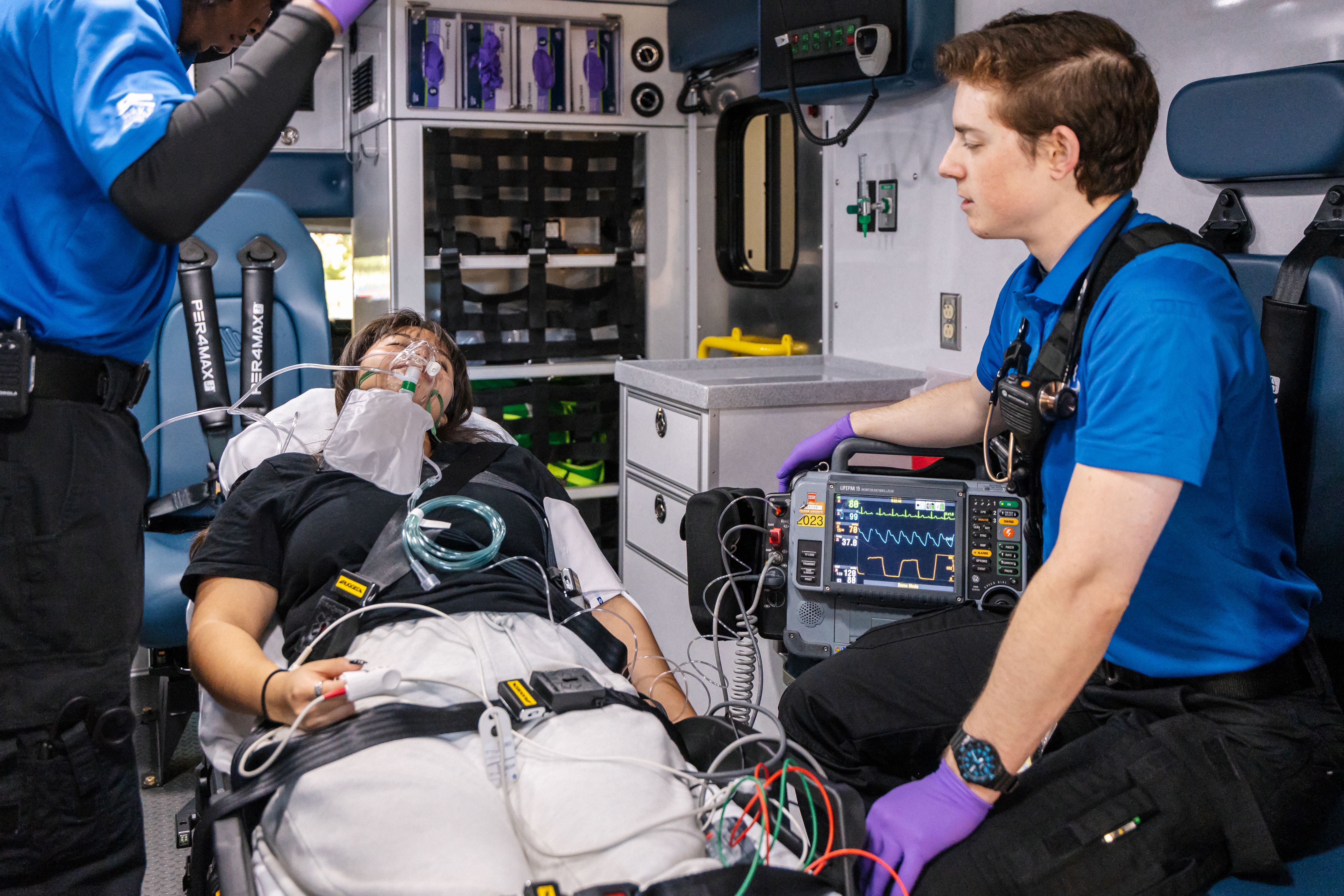
When we identify something like a STEMI or a heart attack, we can get them to a hospital quickly. Because of our working relationships, we can identify the issue early in the field and even activate the hospital's cath lab before we arrive. All of those collaborative efforts speed up the time from the identification of symptoms to the start of treatment. Because of that, we save a lot of lives, which has been recognized as part of the criteria for the Mission: Lifeline initiative.
EMS WORLD: It’s pretty amazing that you've moved the needle from 10.5% to 15%. Was this a gradual increase, or did it happen all at once?
YOUNG: It gradually increased over several years, but over the last two years, we've consistently been at 15%. Prior to that, we had one year at 13.5%, and before that, we were close to 15% again. So, we've been fairly steady for almost five years now with numbers that are regularly and significantly higher than the national average, which we’re obviously very proud of.
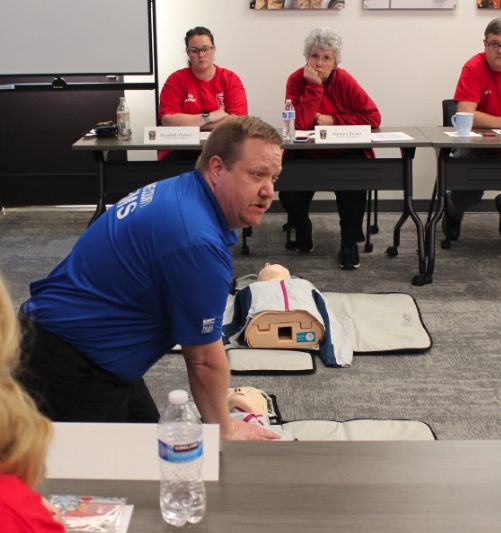
I like to point out that we have a lot of hardworking providers, and we do regular training on this. Every quarter, when we do continuing education, we run simulations. At least one of those will always be a cardiac arrest scenario. There may also be something else specifically tied to it, like an airway focus one quarter or a cardiac arrhythmia focus the next. But we regularly run simulations of our cardiac arrest procedures in the field, so there is continuous practice, training, and coaching.
EMS WORLD: What sort of response have you had from the community regarding your award? Has this given you more leverage and support?
YOUNG: Yes. We've had citizens reach out to congratulate us, especially after the story was initially posted by the county communications department. It’s given us a lot of credibility. Even as recently as yesterday, I gave a presentation tailored to seniors at a 55-plus community. It was brought up that they are aware Wake County has high survival rates for CPR. They are aware that we have high-quality care for early identification and fast door-to-treatment times with our hospital partners for strokes. They are very much aware of what happens and the high level of the EMS system that serves them.
EMS WORLD: What advice would you have for other EMS agencies that want to achieve what you've been able to achieve?
YOUNG: I think it's twofold. Internally, you must ensure you have the right training to better inform your providers, and you must be consistent with that training. As I mentioned, we run a code quarterly. We do stroke simulations as part of our continuing education. It's not just for new providers. You must build out high-quality training that happens regularly.
Externally, it is about having positive, influential relationships with your hospital partners. If you’re a really well-organized agency that truly cares about your clinical work and the treatment you provide to your patients, the hospitals respect that. Building those relationships allows you to say, "How can we help you? If we identify these cases in the field, we can let you know early so you can prep your processes to get them straight to treatment."