The Complexities of Diagnosing and Assessing Alopecia Areata
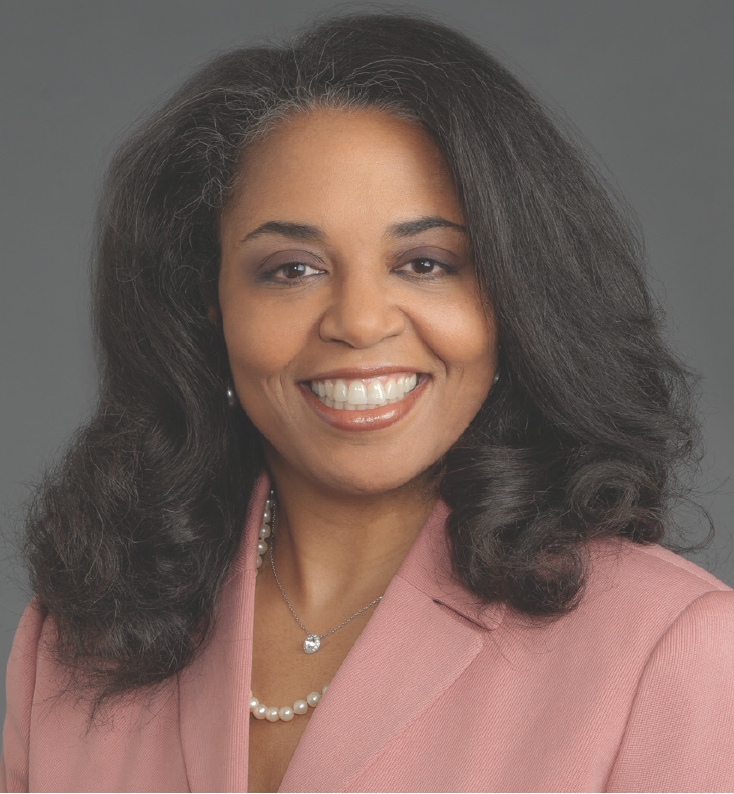
In this video, Amy J McMichael, MD, FAAD, discusses the complexities encountered when diagnosing alopecia areata; the currently available disease severity assessment tools, along with the benefits and shortcomings of each tool; and where the field is heading in the effort to provide consistent assessment of disease severity.
Dr Amy McMichael: Hi, I'm Dr Amy McMichael, and I'm a professor of dermatology with a special interest in hair disorders and hair disorders research, and I'm at Wake Forest University School of Medicine. Today we're going to talk about The Complexities of Diagnosis and Assessment of Alopecia Areata.
I do work with a number of companies, and we'll try to disclose any issues as we go through the talk, but most of this is really going to discuss assessment and will not be a concern.
So, let's talk about the objectives for today's talk. We're going to describe the complexities of diagnosis of alopecia areata. So, we'll be looking at differential diagnosis. We're going to discuss the currently available disease severity assessment tools. And we're going to explain the benefits and shortcomings of each tool and where the field is moving in order to provide a consistent assessment of disease severity.
So first let's start off with a definition and characteristic description of alopecia areata. Now of course we know that this is an autoimmune disease of hair follicles which can appear patchy or cause total hair loss from any area of the body. When there's hair loss from just the scalp and it's total, then we call it totalis. When it's hair loss from the entire body and it's full, then we call it universalis. There's an interesting way to look at when you have hair loss in the posterior scalp extending onto the post-auricular areas, and we call that ophiasis. And then when you have the opposite, hair everywhere on the back of the scalp but not on the top, someone came up with an idea that this can be called sisaipho. And then we have a particularly difficult-to-diagnose form of alopecia areata called the diffuse pattern. There's a lifetime risk of almost 2% of the general population.
And we do have some signs that we can see in active alopecia areata. They're not always present, but when they're present, they can be helpful in diagnosis. And these include exclamation point hairs, a positive pull test at the active margin of an area that's affected. Often you can see that hairs that are growing back are gray or white, and that the pigmented hairs have actually been the ones that have fallen out. And that's where going gray overnight comes from. It's thought that the patients would develop alopecia areata suddenly and they would have gray hairs that they didn't know that they had, and patients would go gray overnight. And you can also see pitting of nails. That's particularly common in children.
There are many associated autoimmune diseases. I won't list them for you, but you can see here that pretty much any autoimmune disease has been seen in association with alopecia areata.
Now when it comes to differential diagnosis of alopecia areata, there are a number of things that have to be considered. Typically, alopecia areata is really an easy diagnosis. It's classically not something that requires a biopsy, but there are times when it can be somewhat concerning and challenging. And these are the ones that we really have to consider as other entities when we're thinking about alopecia areata: Tenia capitis, central centrifugal cicatricial alopecia—I'll refer to this as CCCA—trichotillomania, discoid lupus, traction alopecia, and telogen effluvium. So let's take a look at how some of these things can really resemble or look very much like alopecia areata.
So the first one is tenia capitis. You can see in this photograph there is a patient with a fairly well-demarcated area of hair loss. There is some fine regrowth, some intermediate regrowth. If you look a little closer, however, there are some scales, just a few scaling in the patch, and that might be a giveaway that perhaps you're not dealing with alopecia areata. So in this case, the patient actually underwent a potassium hydroxide scraping, and you can see here very clearly that there were spores throughout the hair shafts. The hair shafts are broken and contain lots of spores, and that is a diagnosis of tinea capitis. But it certainly could have been confused with alopecia areata.
Trichotillomania, also called the hair pulling disorder, is also something that we see in younger individuals. Alopecia areata is a disease of younger patients, although we certainly can see it in any age person. And we often see this in children and in young adults. But the issues are is that people often spend time in a localized area where they pull, and it can resemble alopecia areata. There's an incidence varying from about 0.6% to 3.4%, with a lifetime risk of about 10%, so it's actually more common than alopecia areata. And when it does begin in childhood, it tends to be easier to treat. However, when it starts later in life, it's very difficult to treat. The thing that might give away that this is trichotillomania versus alopecia areata is that areas might be more angular. It is more common in females. And alopecia areata tends to be more common in females, so that's not going to help you much. But what you can do is look a little bit closely at tricoscopy and also biopsies if necessary. But when you do have trichotillomania, it's important to give the patient an out to talk about what may be stimulating their pulling, maybe some itching, start of the process, things that you can treat. And then you can also think about anxiety and other comorbidities that may occur with trichotillomania. And this is a patient here that you can see before and after treatment, so you can improve their outcomes as well.
What about CCCA? This can look very much like alopecia areata. There can be very discrete patches of hair loss with fine regrowth and certainly has been confused with alopecia areata in many clinical trials at times for alopecia areata. You can have a diffuse variant that can look very much like alopecia areata. Again, using your clinical skills, your tricoscopy skills, and your pathology skills with biopsies will help you if you're caught between a differential diagnosis of CCCA and alopecia areata.
Traction alopecia can be very similar in some cases. As you can see here, this is a patient who has a very well-demarcated area of hair loss, has a frontal fringe which can maybe suggest that she has traction alopecia, and also you can see some fine vellus hairs regrowing. They won't have things like exclamation point hairs, will not likely have positive pull tests. And again, trichoscopy and biopsies will often help you decide about whether or not this patient has alopecia areata or traction alopecia.
We mostly see traction alopecia in girls and women. We don't have great prevalence data in the United States, but it does appear to be an odds ratio of this being much higher in adults than in children, and that's around 1.28 to 2.72. Braiding associated with chemical relaxing seemed to be something that increased the risk of traction alopecia in girls and women. And we see the highest risk of traction alopecia compared with natural hair occurring when traction was added to relaxed hair. So the chemical plus tension appears to really increase the risk that there's going to be a traction change. Many patients will have symptoms associated with their hair loss, and that can help to differentiate, because rarely do patients have symptoms with alopecia areata. It’s not unheard of that some people may have a little itching when a spot comes out in alopecia areata, but it's quite rare.
And here's a patient that has true patchy alopecia areata, and the reason why I show this patient is because it is an African-American patient and because this was a young patient. She was African American, she was treated as if she had tinea capitis for about 8 to 9 months prior to being diagnosed with alopecia areata in our clinics locally. So you don't want to miss this and assume that people have other things like tinea capitis or any of the other differential diagnoses that we mentioned. You really must make the right decision to get the right treatment for the patient.
So what can we do? Well, we can do dermoscopy or trichoscopy in patients with alopecia areata, and what you can see is exclamation point hairs. They're always very nice when you can see them. You can see dystrophic hairs, so they might not be shaped exactly like an exclamation point, but they can be irregular in their shape. You can often see yellow dots within the follicular ostium, or you can see empty hair follicles with just no hairs, but the hair follicles are still intact. And these are all things that can be helpful in diagnosis but are not always present.
Some interesting updates in the epidemiology of alopecia areata is that there are a couple of studies that suggested that alopecia areata was more common in black patients than previously thought. The first study was one that looked at the National Alopecia Areata Registry, but patients of this registry were not necessarily sent in any scientific manner. And so it was questionable as to whether or not this was real data that we could depend on. And then a Nurses’ Health Study I and Nurses’ Health Study II also appeared to suggest that there was an increased prevalence of alopecia areata in patients of color. Again, because of the type of study this is, with questionnaires, it wasn't clear if these patients had that or potentially another diagnosis.
However, now there are several studies, one very large one looking at electronic medical record data coded from dermatology visits. And these data show that relative to White patients, standardized prevalence ratios for Asian, Black, and Hispanic/Latino patients are actually elevated for the risk for having alopecia areata.
There's also a study in pediatric alopecia areata patients that looked at a cohort study of 5800 children with alopecia areata. And when looking at that group, it was determined that you can see also people with skin of color were quite likely to have alopecia areata. So this is good data to have and gets us to think about how we're assessing our patients and making sure that we're not leaving those patients with skin of color out of the possibility of having alopecia areata in favor of one of the other diagnoses we discussed.
We were able to perform an epidemiology study of the African-American patients with alopecia areata in our single-center study at Wake Forest. And we were able to see that again, the likelihood of patients being quite young was born out in this group of patients. Most patients were women, and that might be a reflection of those to simply come to the doctor more frequently for hair loss. But this is more data to suggest that this population of patients of color do mimic the kinds of things that we see in the larger group of alopecia areata patients.
Now, when we're talking about treatments for alopecia areata, they are many. And it used to be that we could say that the reason we have so many treatments for alopecia areata is because there's no one good one. Now we have excellent treatments that are FDA approved, including 3 systemic JAK inhibitors. However, these medications are only approved for those with severe alopecia areata as per the FDA guidelines. So as a result, patients who have moderate or potentially who have mild disease are going to likely have to use other treatments.
So those include topical, intralesional, and hopefully not too much in the way of systemic corticosteroids. There is some data around light working for alopecia areata, topical and oral minoxidil, anthralin, methotrexate, antihistamines, and then of course, any manner of camouflage. Now, I just want to mention that none other than the systemic JAK inhibitors are FDA approved. And so now that we have FDA-approved treatments, that is really where the science has brought us into this idea that the inflammatory pathway that gives immune privilege to– It takes away immune privilege to those hair follicles and allows white blood cells to get in through the JAK/STAT pathway is really where we're going to treat patients more effectively.
Now patients with alopecia areata often feel that healthcare providers are dismissive of them and their disease. And unfortunately, a number of patients have been told by providers who are not informed that the alopecia areata is stemming from their stress, their anxiety, their depression. And that is absolutely not the case. Alopecia areata is an autoimmune disease, and it has a genetic predisposition. And unfortunately, if people are given incorrect information, it can cause even more of a negative impact on their health-related quality of life. So, it's important to get patients to support groups to let them know that they're not alone.
And as with any disease or event that causes distress, therapy and counseling can be very helpful. People should be referred to the National Alopecia Areata Foundation, which is a support foundation for alopecia areata. It's been around for many, many years and has many, many functions. And counseling and management of the patient's stress and depression and anxiety should never be confused with treatment of their alopecia areata. The alopecia is a separate entity that deserves its own treatment.
So when we look at the associated burden of mental health conditions in the alopecia areata population, there's a nice study out of the United Kingdom looking at their primary care records. They looked at over 5,000 people with newly diagnosed alopecia areata, and they matched them with controls. And what they found was that depression and anxiety was much more prevalent in people with alopecia areata, and those with alopecia areata were much more likely to develop new-onset depression and anxiety, depressive episodes, and true anxiety disorders. They were more likely to be issued time off work. They were more likely to be recorded as unemployed, and they had higher rates of antidepressant prescribing as well.
And so this is really good data to suggest that patients with alopecia are not just dealing with the loss of hair. They're also losing the sense of self. They're losing their ability to control their environment and how they look in their environment. They're losing their ability to actually be productive citizens in the world because of the anxiety and stress that the disorder provides. So this is something that means that we need to actually come in and help these patients be functional citizens in the world.
So what about anxiety and depression in children and adults with alopecia areata? We see some of these things from the United Kingdom study, but in a very, very large group of 93 studies, so a meta-analysis evaluation. Results showed that patients with alopecia areata had higher chances of being diagnosed with anxiety and/or depression, and this is separate from the study that we just looked at. Psychological outcomes are often similar to those patients with other dermatologic conditions and that they're going to have more symptoms of anxiety compared to healthy controls. And so just sort of the same sorts of things in these very large studies, just over and over telling us that anxiety, depression, and quality of life in both children and adults is going to be severely affected in those patients with alopecia areata.
The European Dermatology and Venereology group has looked at quality of life measurements and alopecia areata and has actually developed a position statement. They looked at 48 publications for their final analysis, and they looked at 25 different instruments. And basically what they did was hone it down to really important instruments that they think are needed to be used to assess patients.
The most frequently used instrument was the Dermatology Life Quality Index assessment. And of course, this is something that is not specific to alopecia areata but is used in all forms of dermatologic disease. And then they saw that 15 other instruments were used only in one publication each. There were 3 AA-specific health-related quality of life instruments, which included the Alopecia Areata Symptom Impact Scale, the Alopecia Areata Quality of Life Index, and the Alopecia Areata Patients Quality of Life Scale.
The health-related quality of life of adult members of children with AA was more impaired than the health-related quality of life of adult family members of adults with AA. So this is really important. That brings out, if you have a child with AA, your health-related quality of life is going to be affected. Wigs or hair pieces improved perceived competence, adaptability, and self-esteem. Sometimes, as dermatologists, we don't necessarily talk up to our patients about wigs or hair pieces, but in this case, it may be something that they're interested in dealing with as they're going through treatment.
And there were two clinical trials reporting health-related quality of life improvement in alopecia reata patients when they had good treatment results with steroid therapy and with tofacitinib, so with a JAK inhibitor. So this is important because it really shows that if you treat the disease process, you can actually impact the anxiety and all the health-related quality of life symptoms that patients with AA have.
So this is just a chart showing the frequency of how the assessments were used in the EADV Task Force on Quality of Life in alopecia areata patients, So, it gives you an idea of how they looked at all the different assessment types that you can use in this disease. And what they finally came up with in terms of their final position statement is the following: The EADV Task Force on Quality of Life and Patient Oriented Outcomes recommends the use of the DLQI or the Dermatology Life Quality Index Questionnaire, their hair disease-specific Scalpdex, and the alopecia areata-specific instruments the Alopecia Areata Symptom Impact Scale or the Alopecia Areata Quality of Life Index, even though some of those more disease-specific scales had limited experience. So this gives you a guideline on how you can actually evaluate patients either in a clinical trial setting or in a setting where patients are going to see a therapist or a psychiatrist.
There are other AA-specific quality of life instruments, Priority Outcome Questionnaire, and there's a Scale of AA Distress, and these are all very important because they do still serve a purpose. The AA patient priority outcomes questionnaire was able to include the perspective of adolescents, so that was very helpful. And then the Scale of Alopecia Areata Distress included a lot more components—emotional and cognitive functioning, romantic relationships, stigma, non-primary life responsibility activities—so it really got into some of the corners of quality of life that the other instruments didn't. So I think that these are going to be coming up as things that we can use in the future to assess our patients.
Now, when an online qualitative survey study was performed, looking at 95 participants, we did find very specific things. And what are those things that were found? Well, number one, negative cultural meanings of hair and hair loss are pervasive, and they drive social avoidance and camouflage behaviors in those patients with AA. Normalizing social interactions with health care practitioners, significant others, and peers were pivotal to positive adjustment, and support groups and online forums were very, very valued. So when you're talking to your patients, certainly give them the information about support groups, support groups that we know are going to be supportive for the diagnosis of alopecia areata, and giving them ways to have impact in their own environment with significant others and peers will also give them a sense of well-being. So it's important to note that when you're talking to your patients.
In one online qualitative survey study, patients reported feeling and looking monstrous or alien, some felt ugly or unfeminine, the hair loss was thought to be like a bereavement, and even patients went as far as feeling like having lost the hair was as important or as impactful as losing a limb, a breast, or part of themselves. They were being bullied. They felt as if they were not given the opportunity to be upset, like they were not entitled to be upset because they were told that it was just hair loss, or “You only have hair loss.” They had to deal with the cost of concealment, such as wigs or hair pieces or having hairstyles that camouflage their hair loss, which can be very costly. And there are these patients who actually have this feeling of being free, that they actually come to terms with their hair loss, and they're okay with being bald and proud and being authentically bald in public. So there are patients who feel quite fine with their hair loss after coming to deal with it.
So what about the psychosocial and psychiatric comorbidity seen in alopecia areata patients? Well, we've been alluding to them, but there are a number of articles that have looked at these disorders in patients with alopecia areata. There are 15 articles that looked at non-pharmacologic treatments, therapies targeting AA patients. Most commonly cited effective treatment was psychotherapy followed by, interestingly, hypnotherapy. Other techniques included wigs and pharmacotherapy to increase quality of life. So there are certainly mechanisms of treatment that can make patients feel better in terms of their psychiatric comorbidities. But again, we know that emerging treatments such as JAK inhibitors demonstrate improvement in quality of life. So this is something that needs to go hand in hand with the appropriate treatment of the actual disease itself.
Now, what about costs of alopecia treatment? This is a review that I did with some of my students, and we were able to look at the hair loss treatments and concealment techniques and the cost of these for the average patient. And interestingly, it really extends into the thousands of dollars. There's really no group or no patient that used these hair loss treatments and concealments that had anything under $500 as their annual cost. Mean spending was highest on headwear and cosmetic items, and as you can see, over $2000 per year, and rarely were these things covered by insurance. There is psychosocial sequelae that further increased costs via therapy charges. So, as we stated, patients who are going to get therapy, going to try to improve their anxiety, distress, were getting charged for this, they're also losing time at work. Alopecia areata patients also paid more than non-alopecia areata patients in out-of-pocket health care expenses in the comparisons that we looked at. So this is very important. It's not just costing in terms of self-appraisal. It's not just costing in terms of how others are looking at patients. It's not just costing in terms of their anxiety and stress, but there's also costs associated, just typical costs for health care are increased.
So one thing that is out there and not really well attended to is this Alopecia Areata Scale, which was a scale that brought hair disorders experts as well as pharmaceutical interested parties together to figure out a way to really examine what patients need. So patients who have mild alopecia areata, 20% or less hair loss, are not able to assess the FDA-approved medications. However, using this scale, there are secondary criteria that would allow both the mild alopecia areata patients and the moderate alopecia areata patients, those with 21% to 49% scalp hair loss, to potentially move up a notch or two, dependent upon whether or not they had these secondary criteria.
So what are these secondary criteria? Negative impact on psychosocial functioning, which is what we've just reviewed. Noticeable involvement of eyebrows and lashes. Inadequate response after at least 6 months of treatment, and diffused positive hair pull test consistent with rapidly progressive alopecia areata. So any of these secondary criteria could, if present, increase the severity rating by 1. So given this scale, a patient with 20% or less hair loss who is experiencing eyebrow and eyelash loss and inadequate response after 6 months of a treatment would then move to the severe category. If someone had moderate hair loss and had negative impact on psychosocial functioning, they would move up to the severe category. And this is something that we would hope payers and all of the folks that are around approvals should actually start to use, because it actually gives a better assessment of the patient than just looking at the hair loss itself.
There's also important work around shared decision-making. This is something that is used in many different forms and many different disorders, but it's been looked at in alopecia areata. And when we look at this shared decision-making routine or algorithm, a good rule of thumb is to sort of understand what you're actually doing. You're seeking your patient's participation and making a decision about treatment or potentially not doing treatment. You're looking to help your patient explore and compare treatment options. You're assessing your patient's values and preferences. You're trying to reach a decision with your patient, not for your patient, and you're evaluating your patient's decision to make sure that it meets the appropriate guidelines as something they could actually get. And it really shows in all of these evaluations of shared decision-making in many different entities that when patients are involved in the decision-making and about their care that they are able to make better choices, because they're not confused about the different choices that they have available to them, and the same has been true in alopecia areata. When the decisions are explained, patients have a role in decision-making, they tend to have better idea of what they want to do, and you have reduced decisional regret. So they don't look back and say, "Oh, I wish I had done X," because they actually chose the decision and the treatment that was right for them.
So in summary, the psychosocial effects in alopecia areata, we really see that the health-related quality of life is an important part of treatment for patients with alopecia areata. We need to address patients' concern and work with psychologists if possible. We need to consider the costs of treatment, the age and patient preferences when it comes to how they want to pursue treatment, use newer scales to assess severity so that we can actually get the appropriate drugs for our patients, and we need to use shared decision-making with patients and families.
And I'll thank you for your attention, and hopefully you've enjoyed reviewing the diagnosis, the differential diagnosis, and the evaluation of health-related quality of life in alopecia areata.
Related Content