Evolving AK Treatment Strategies Emphasize Combination Therapy and PDT Optimization
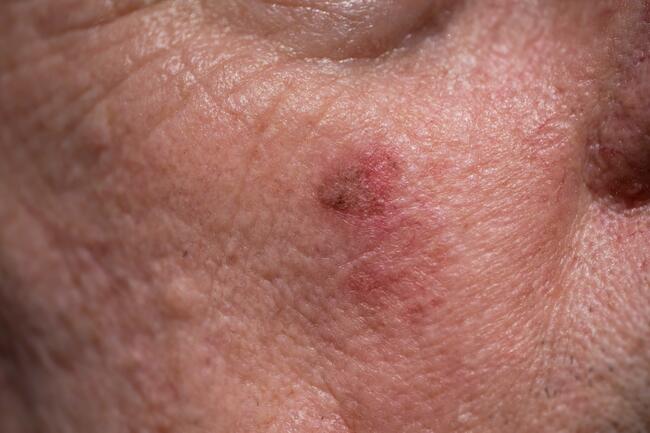
Emerging approaches to actinic keratosis (AK) management are shifting toward combination therapies, procedural optimization, and novel adjunctive strategies aimed at improving efficacy while minimizing treatment burden, according to George Martin, MD, during his Music City SCALE 2026 session, “Targeting Sun Damage: Evolving Strategies for Actinic Keratoses.”
Photodynamic therapy (PDT) remains a cornerstone of field treatment, but efforts are increasingly focused on tolerability. Dr Martin highlighted multiple strategies for “optimizing efficacy and minimizing pain during PDT,” including the use of 5% panthenol cream and 4% imipramine cream to reduce discomfort. Red and blue light sources were described as interchangeable for AK treatment, with red light offering “deeper penetration into tissue and a theoretical advantage” for nonmelanoma skin cancer.
Protocol innovation was also emphasized. A simplified “painless PDT” approach using pre-treatment with vitamin D3 (10,000 IU daily for 2 weeks), followed by immediate blue light activation and a 30-minute treatment, was proposed as a streamlined workflow. Additional data suggested that vitamin D3 preconditioning may improve lesion clearance.
Topical therapies are also evolving. Tirbanibulin 1% ointment was highlighted as an underutilized option, with Dr Martin asking, “Why aren’t we using it?” Clinical data demonstrated a median AK clearance rate of 87.5%, with complete clearance in 49% of patients and minimal irritation across larger treatment fields. Its 5-day, once-daily regimen and low irritation profile were noted as advantages for patient adherence.
Combination regimens aim to enhance immune response and clearance. “Super-charging” 5-fluorouracil (5-FU) through combination with imiquimod or calcipotriol was emphasized. Calcipotriol was noted to increase thymic stromal lymphopoietin, amplifying immune activation during 5-FU therapy. Sequential regimens combining 5% 5-FU and 5% imiquimod also demonstrated near-complete lesion clearance in clinical use.
Additional investigational strategies include plasma therapy, microbiome modulation targeting Staphylococcus aureus, microwave irradiation, and HPV vaccination. Immune checkpoint inhibitors were discussed for patients with widespread AKs, reflecting expansion into systemic therapies.
For more meeting coverage, visit the Music City SCALE newsroom.
Reference
Martin G. Targeting sun damage: evolving strategies for actinic keratoses. Presented at: Music City SCALE Symposium; May 13–17, 2026; Nashville, TN.