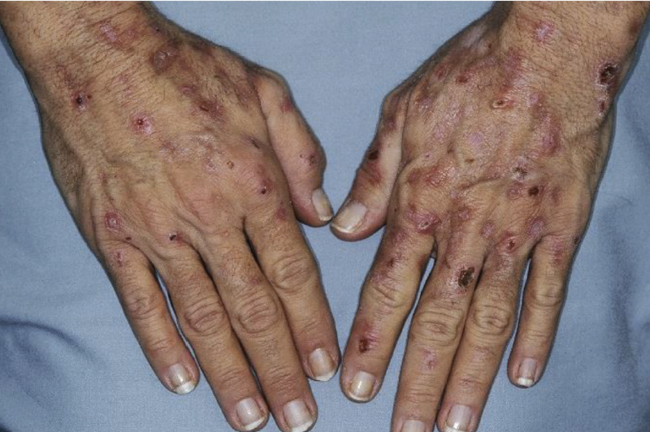
As treating psoriasis and psoriatic arthritis with biologic agents becomes more common, it is important for physicians and patients to be aware of potential side effects and how to effectively manage them.
The use of biologic agents for the treatment of psoriasis and psoriatic arthritis has become more widely accepted in dermatology. With the increased use of these drugs comes the need for physician and patient knowledge of potential side effects. While these agents come with black box warnings highlighting some potentially serious adverse effects, less serious side effects are more commonly reported. Familiarity with these more common side effects and how to effectively manage them is important to ensure patient adherence to treatment and to improve treatment outcomes.
Injection Site and Infusion Reactions
Injection Site Reactions
Adverse effects to biologic agents are categorized as infectious or non-infectious and further labeled based on severity. One of the most commonly reported non-infectious adverse events with the use of injectable tumor necrosis factor-alpha (TNF-α) inhibitors is injection site reactions (ISR). ISRs are defined as pain, erythema, edema, pruritus or localized rash at the injection site.1,2 The mechanism is thought to be T-lymphocyte-mediated, delayed-type hypersensitivity reactions, although IgE-mediated immediate type I hypersensitivity reactions have been reported.1,3,4
In clinical trials of psoriasis and psoriatic arthritis patients treated with adalimumab, ISRs occurred in 3.2%-14.4% of patients and up to 20% of patients treated with etanercept.5-10 ISRs have been more extensively studied for the treatment of rheumatoid arthritis (RA), where rates of reactions in clinical trials of adalimumab were between 15.3%-19.5%11,12 and up to 49% with etanercept.1,2,13 However, lower rates of ISRs have been reported in clinical practice. In a large Japanese study of RA patients treated with etanercept, Koike et al reported ISRs as the most frequent adverse event, with 5.3% of patients having a reaction.14 ISRs were reported in 6.7% of psoriasis patients treated with etanercept in an observational study.15 ISRs are less commonly reported in psoriasis patients treated with the interleukin (IL)-12 and IL-23 inhibitor ustekinumab, with reactions reported in 1%-4% of patients.16-18
ISRs with the use of TNF-α inhibitors are generally mild to moderate. They occur within the first 2 months of therapy, occur 1-2 days after the last injection and resolve within 2-3 days.1 The reactions eventually diminish, which is thought to be due to an acquired tolerance, and typically do not result in the need to discontinue the drug.1
An important aspect of managing these side effects is educating patients who are receiving injectable biologic agents about the possibility of having an ISR. If patients know in advance that these reactions commonly occur and are manageable, they may be less likely to discontinue the drug. Instructing patients to rotate injection sites is important to help prevent reactions. While reactions are self-limiting, cold compresses and acetaminophen for pain and antihistamines or topical corticosteroids for pruritus and edema are helpful.
While most ISRs are mild and tolerable, recall-reactions and worsening ISRs that require discontinuation of the biologic agent may occur. Recall ISRs are reactions that occur at previously injected sites with a subsequent injection at a different site.1,19 Successful desensitization to etanercept in IgE-mediated ISRs has been reported.4
Infusion Reactions
While self-injected biologic agents can cause ISRs, the intravenous (IV) TNF-α inhibitor infliximab is associated with infusion reactions. Both acute reactions, occurring within 24 hours of an infusion, and delayed reactions, occurring between 24 hours to 14 days after an infusion, can occur, though acute reactions are much more common.20-22 Acute infusion reactions may result in fever, chills, headache, flushing, nausea, dyspnea, hypotension/hypertension, injection site infiltrations and taste changes.20,22-24 Delayed reactions typically present as arthralgia, myalgia, urticarial rash, fever and malaise.20,24 Like ISRs, these reactions are usually mild to moderate and rarely severe.20,23,25 The mechanism behind infusion reactions has not been established, but is not believed to be an IgE-mediated hypersensitivity reaction.20,21
In psoriasis patients treated with infliximab, 22%-29% experience infusion reactions.23,24 These reactions can be effectively managed and prophylaxis treatment can prevent future events. For acute reactions, slowing the infusion rate and administering antihistamines (diphenhydramine), acetaminophen or both is an effective treatment.20,21 To prevent future infusion reactions, pretreatment with antihistamines and acetaminophen is effective.20,21 Delayed infusion reactions are treated with antihistamines, acetaminophen and corticosteroids.20 In cases of severe acute reactions, maintaining airway, providing oxygen, monitoring vital signs and administering IV epinephrine, antihistamines and corticosteroids may be necessary, and these supplies should be readily available.20
Infections
Infections are common side effects seen with the use of all biologic agents. While black box warnings highlight potentially serious infections, these are rare. The common infections seen in patients using biologic agents are generally mild illnesses frequently encountered in the general population. In fact, in most clinical trials, these infections were no more frequent than in the control groups.26-29 In psoriasis patients treated with etanercept, infections were the most common side effect (26.6%), with upper respiratory infections (URIs) making up nearly half of the infections (49.3%).15 Urinary tract infections (UTIs) accounted for 10.4% of infections.15 In patients with psoriatic arthritis, 21%-57% of patients receiving etanercept experienced a URI.26,27 In patients with psoriasis and psoriatic arthritis treated with adalimumab, URIs (7.2%-14%) and nasopharyngitis (5.3%-12%) were the most commonly reported infectious side effects.5,6,30,31 Similarly, URIs (2.9%-11.5%) and nasopharyngitis (6.8%-14.7%) were the most common infections in psoriasis patients treated with ustekinumab.16,17 While these rates may seem high, over the course of 6-12 months, similar rates of URIs and other common infections would be expected in the general population. These mild illnesses can be treated symptomatically or with antibiotics when appropriate, and anti-TNF-α therapy can be continued.
The risk of serious infections should not be marginalized. Though less common than other infectious side effects, patients receiving anti-TNF-α therapy are at an increased risk of serious infections.32-34 Physicians and patients should have a higher index of suspicion when signs of a potentially serious infection present in a patient on a biologic agent. In a large British prospective, observational study of RA patients receiving TNF-α inhibitors, the most common serious infections (defined as infections that required hospitalization or IV antibiotics or that resulted in death) were respiratory infections such as pneumonia, followed by skin and soft tissue infections, bone and joint infections and UTIs.
It is important to note that patients with RA on TNF treatment are also often treated with concomitant prednisone or other immune inhibitors and have infection rates higher than rates seen in psoriasis patients.34 While not common, these patients were at increased risk of intracellular bacterial infections including Mycobacterium Tuberculosis (TB), Salmonella, Legionella, pneunophila, and Listeria monocytogenes.34
Reactivation of latent TB is a concern and has been reported with TNF-α inhibitors, though rarely. Prior to starting a biologic agent, all patients should be thoroughly screened for TB; patients positive for latent TB should be treated before biologic therapy is initiated.35 When serious infections do occur, the biologic agent should be discontinued until the infection has resolved.
Abnormal Laboratory Values
In psoriatic patients treated with TNF-α inhibitors, the most common laboratory abnormalities are in liver transaminases. Though mild elevations have been reported with the use of all the TNF blockers, serum alanine aminotransferase (ALT) and aspartate aminotransferase appear to be most affected by infliximab.5,36 Up to 7.4% of psoriatic patients treated with infliximab experienced markedly elevated ALT.25,28 In patients treated with ustekinumab, up to 8.5% had abnormal hepatic function.17 Limitations to many studies are that patients treated with biologic agents for RA, psoriasis and psoriatic arthritis have often received prior or concomitant hepatotoxic medications, such as methotrexate or isoniazid, that may contribute to abnormal transaminase levels.5,17,30,36 Transaminase elevations typically did not result in clinically significant liver disease and were transient and returned to normal levels while continuing the biologic agent in most cases.5,25,30,36 There are no fixed standards for laboratory monitoring of patients on biologics; regular testing of hepatic function is not necessarily required.
The use of TNF-α inhibitors has also led to the formation of autoantibodies and antibodies to the anti-TNF agents. In psoriasis patients treated with infliximab, up to 51.5% of patients developed antibodies to infliximab.23,25,28 Though positive titers did not appear to prevent a response to treatment, at least one study has reported fewer patients with antibodies achieving a Psoriasis Area and Severity Index (PASI)-75.25,28 A number of psoriasis patients (8.8%-10.6%) treated with adalimumab developed anti-drug antibodies.7,37 While some patients who develop antibodies continue to respond to therapy, fewer achieve a PASI-75 or PASI-50.37 The development of antibodies to etanercept appears to be less common, with only 1.6% or less of psoriasis patients positive.9,10 This finding correlates to previous studies in rheumatic diseases where antibody formation was low with etanercept and more common with adalimumab and infliximab.38 The development of antibodies to ustekinumab ranged from 3.8%-5.4% and positive antibodies also corresponded to lower rates of achieving PASI-75.17,18,39 Testing for the development of antibodies to biologic agents is not standard in clinical practice, but may be worth considering in patients who fail to to respond appropriately to treatment and may provide insight into alternative treatment options. In patients with ulcerative colitis who became unresponsive to infliximab (including patients with positive infliximab antibodies) or became intolerant (infusion and hypersensitivity reactions), adalimumab was well tolerated and effective.40,41
The development of autoantibodies with TNF-α inhibitors has also been reported. In psoriasis patients treated with infliximab, 3.8% converted from negative to positive anti-dsDNA antibodies.23 Seroconversion from negative to positive anti-nuclear antibodies (ANA) has also been reported with adalimumab and etanercept.42 In rheumatologic diseases, development of these autoantibodies has been reported with the use of all anti-TNF-α inhibitors, least often with etanercept and most commonly with infliximab, with up to 87% of RA patients converting from negative to positive.38 In psoriasis, conversion from negative to positive ANA or anti-dsDNA has not resulted in clinical signs of lupus-like disease or connective tissue disease.23,42
Currently, there are no consensus guidelines on screening and monitoring laboratory tests in patients on biologic agents. Huang et al reviewed literature, including Cochrane and Medline databases, for evidence on screening and monitoring labs for psoriasis patients on biologic agents and concluded there was no strong support for or against recommending screening tests.43 While TB screening and baseline hepatitis B screening is appropriate, it is ultimately up to the physician and the patient to determine what tests are appropriate and how often these tests should be monitored.
Conclusion
Biologic therapy has made a significant impact on how psoriasis and psoriatic arthritis are treated. With the use of these agents comes side effects, some serious, that physicians and patients need to be knowledgeable about. Most biologic agents are well tolerated and the most common side effects are mild, very manageable and generally do not necessitate discontinuing therapy. Patients who are well educated on these side effects and how to manage them when they do occur will ensure better adherence to treatment and will result in better outcomes. Furthermore, familiarizing both physicians and patients on the serious, though less common, side effects will help both individuals recognize when something potentially more serious is occurring and allow quick action to prevent detrimental consequences.
Dr. Sandoval is with the Center for Dermatology Research and the Department of Dermatology at Wake Forest University School of Medicine in Winston-Salem, NC.
Dr. Feldman is with the Center for Dermatology Research and the Departments of Dermatology, Pathology and Public Health Sciences at Wake Forest University School of Medicine.
Disclosure: The Center for Dermatology Research is supported by an unrestricted educational grant from Galderma Laboratories, L.P.
Dr. Feldman is a consultant and speaker for Galderma, Stiefel/GlaxoSmithKline, Abbott Labs, Warner Chilcott, Janssen, Amgen, Photomedex, Genentech, BiogenIdec, and Bristol Myers Squibb. Dr. Feldman has received grants from Galderma, Astellas, Abbott Labs, Warner Chilcott, Janssen, Amgen, Photomedex, Genentech, BiogenIdec, Coria/Valeant, Pharmaderm, Ortho Pharmaceuticals, Aventis Pharmaceuticals, Roche Dermatology, 3M, Bristol Myers Squibb, Stiefel/GlaxoSmithKline, Novartis, Medicis, Leo, HanAll Pharmaceuticals, Celgene, Basilea, and Anacor and has received stock options from Photomedex.
Dr. Sandoval has no conflicts to disclose.
References
1. Zeltser R, Valle L, Tanck C, Holyst MM, Ritchlin C, Gaspari AA. Clinical, histological and immunophenotypic characteristics of injection site reactions associated with etanercept: A recombinant tumor necrosis factor alpha receptor: Fc fusion protein. Arch Dermatol. 2001;137(7):893-899.
2. Moreland LW, Schiff MH, Baumgartner SW, et al. Etanercept therapy in rheumatoid arthritis. A randomized, controlled trial. Ann Intern Med. 1999;130(6):478-486.
3. Paltiel M, Gober LM, Deng A, et al. Immediate type I hypersensitivity response implicated in worsening injection site reactions to adalimumab. Arch Dermatol. 2008;144(9):1190-1194.
4. Bavbek S, Aydin O, Ataman S, Cahill K, Castells M. Injection-site reaction to etanercept: Role of skin test in the diagnosis of such reaction and successful desensitization. Allergy. 2011;66(9):1256-1257.
5. Mease PJ, Gladman DD, Ritchlin CT, et al. Adalimumab for the treatment of patients with moderately to severely active psoriatic arthritis: results of a double-blind, randomized, placebo-controlled trial. Arthritis Rheum. 2005;52(10):3279-3289.
6. Gordon KB, Langley RG, Leonardi C, et al. Clinical response to adalimumab treatment in patients with moderate to severe psoriasis: double-blind, randomized controlled trial and open-label extension study. J Am Acad Dermatol. 2006;55(4):598-606.
7. Menter A, Tyring SK, Gordon K, et al. Adalimumab therapy for moderate to severe psoriasis: A randomized, controlled phase III trial. J Am Acad Dermatol. 2008;58(1):106-115.
8. Mease PJ, Ory P, Sharp JT, et al. Adalimumab for long-term treatment of psoriatic arthritis: 2-year data from the Adalimumab Effectiveness in Psoriatic Arthritis Trial (ADEPT). Ann Rheum Dis. 2009;68(5):702-709.
9. Papp KA, Tyring S, Lahfa M, et al. A global phase III randomized controlled trial of etanercept in psoriasis: Safety, efficacy, and effect of dose reduction. Br J Dermatol. 2005;152(6):1304-1312.
10. Gottlieb AB, Leonardi CL, Goffe BS, et al. Etanercept monotherapy in patients with psoriasis: A summary of safety, based on an integrated multistudy database. J Am Acad Dermatol. 2006;54(3 Suppl 2):S92-S100.
11. Weinblatt ME, Keystone EC, Furst DE, et al. Adalimumab, a fully human anti-tumor necrosis factor alpha monoclonal antibody, for the treatment of rheumatoid arthritis in patients taking concomitant methotrexate: The ARMADA trial. Arthritis Rheum. 2003;48(1):35-45.
12. Furst DE, Schiff MH, Fleischmann RM, et al. Adalimumab, a fully human anti tumor necrosis factor-alpha monoclonal antibody, and concomitant standard antirheumatic therapy for the treatment of rheumatoid arthritis: Results of STAR (Safety Trial of Adalimumab in Rheumatoid Arthritis). J Rheumatol. 2003;30(12):2563-2571.
13. Dore RK, Mathews S, Schechtman J, et al. The immunogenicity, safety, and efficacy of etanercept liquid administered once weekly in patients with rheumatoid arthritis. Clin Exp Rheumatol. 2007;25(1):40-46.
14. Koike T, Harigai M, Inokuma S, et al. Postmarketing surveillance of the safety and effectiveness of etanercept in Japan. J Rheumatol. 2009;36(5):898-906.
15. Puig L, Camacho Martinez FM, Gimeno CE, López-Ávila A, García-Calvo C. Efficacy and safety of clinical use of etanercept for the treatment of moderate-to-severe psoriasis in Spain: Results of a multicentric prospective study at 12 months follow-up. Dermatology. 2012;225(3):220-230.
16. Papp KA, Langley RG, Lebwohl M, et al. Efficacy and safety of ustekinumab, a human interleukin-12/23 monoclonal antibody, in patients with psoriasis: 52-week results from a randomised, double-blind, placebo-controlled trial (PHOENIX 2). Lancet. 2008;371(9625):1675-1684.
17. Tsai TF, Ho JC, Song M, et al. Efficacy and safety of ustekinumab for the treatment of moderate-to-severe psoriasis: A phase III, randomized, placebo-controlled trial in Taiwanese and Korean patients (PEARL). J Dermatol Sci. 2011;63(3):154-163.
18. Lebwohl M, Leonardi C, Griffiths CE, et al. Long-term safety experience of ustekinumab in patients with moderate-to-severe psoriasis (Part I of II): Results from analyses of general safety parameters from pooled Phase 2 and 3 clinical trials. J Am Acad Dermatol. 2012;66(5):731-741.
19. Gonzalez-Lopez MA, Martinez-Taboada VM, Gonzalez-Vela MC, et al. Recall injection-site reactions associated with etanercept therapy: Report of two new cases with immunohistochemical analysis. Clin Exp Dermatol. 2007;32(6):672-674.
20. Cheifetz A, Smedley M, Martin S, et al. The incidence and management of infusion reactions to infliximab: A large center experience. Am J Gastroenterol. 2003;98(6):1315-1324.
21. Lequerre T, Vittecoq O, Klemmer N, et al. Management of infusion reactions to infliximab in patients with rheumatoid arthritis or spondyloarthritis: Experience from an immunotherapy unit of rheumatology. J Rheumatol. 2006;33(7):1307-1314.
22. Kelsall J, Rogers P, Galindo G, De Vera MA. Safety of infliximab treatment in patients with rheumatoid arthritis in a real-world clinical setting: Description and evaluation of infusion reactions. J Rheumatol. 2012;39(8):1539-1545.
23. Gottlieb AB, Evans R, Li S, et al. Infliximab induction therapy for patients with severe plaque-type psoriasis: A randomized, double-blind, placebo-controlled trial. J Am Acad Dermatol. 2004;51(4):534-542.
24. Wee JS, Petrof G, Jackson K, Barker JN, Smith CH. Infliximab for the treatment of psoriasis in the U.K.: 9 years’ experience of infusion reactions at a single centre. Br J Dermatol. 2012;167(2):411-416.
25. Menter A, Feldman SR, Weinstein GD, et al. A randomized comparison of continuous vs. intermittent infliximab maintenance regimens over 1 year in the treatment of moderate-to-severe plaque psoriasis. J Am Acad Dermatol. 2007;56(1):31.e1-e15.
26. Mease PJ, Kivitz AJ, Burch FX, et al. Etanercept treatment of psoriatic arthritis: Safety, efficacy, and effect on disease progression. Arthritis Rheum. 2004;50(7):2264-2272.
27. Mease PJ, Goffe BS, Metz J, VanderStoep A, Finck B, Burge DJ. Etanercept in the treatment of psoriatic arthritis and psoriasis: A randomised trial. Lancet. 2000;356(9227):385-390.
28. Reich K, Nestle FO, Papp K, et al. Infliximab induction and maintenance therapy for moderate-to-severe psoriasis: A phase III, multicentre, double-blind trial. Lancet. 2005;366(9494):1367-1374.
29. Reich K, Papp KA, Griffiths CE, et al. An update on the long-term safety experience of ustekinumab: Results from the psoriasis clinical development program with up to four years of follow-up. J Drugs Dermatol. 2012;11(3):300-312.
30. Gladman DD, Mease PJ, Ritchlin CT, et al. Adalimumab for long-term treatment of psoriatic arthritis: Forty-eight week data from the adalimumab effectiveness in psoriatic arthritis trial. Arthritis Rheum. 2007;56(2):476-488.
31. Gordon KB, Langley RG, Leonardi C, et al. Clinical response to adalimumab treatment in patients with moderate to severe psoriasis: Double-blind, randomized controlled trial and open-label extension study. J Am Acad Dermatol. 2006;55(4):598-606.
32. Bongartz T, Sutton AJ, Sweeting MJ, Buchan I, Matteson EL, Montori V. Anti-TNF antibody therapy in rheumatoid arthritis and the risk of serious infections and malignancies: Systematic review and meta-analysis of rare harmful effects in randomized controlled trials. JAMA. 2006;295(19):2275-2285.
33. Leombruno JP, Einarson TR, Keystone EC. The safety of anti-tumour necrosis factor treatments in rheumatoid arthritis: Meta and exposure-adjusted pooled analyses of serious adverse events. Ann Rheum Dis. 2009;68(7):1136-1145.
34. Dixon WG, Watson K, Lunt M, Hyrich KL, Silman AJ, Symmons DP; British Society for Rheumatology Biologics Register. Rates of serious infection, including site-specific and bacterial intracellular infection, in rheumatoid arthritis patients receiving anti-tumor necrosis factor therapy: Results from the British Society for Rheumatology Biologics Register. Arthritis Rheum. 2006;54(8):2368-2376.
35. Patkar NM, Teng GG, Curtis JR, Saag KG. Association of infections and tuberculosis with antitumor necrosis factor alpha therapy. Curr Opin Rheumatol. 2008;20(3):320-326.
36. Sokolove J, Strand V, Greenberg JD, et al. Risk of elevated liver enzymes associated with TNF inhibitor utilisation in patients with rheumatoid arthritis. Ann Rheum Dis. 2010;69(9):1612-1617.
37. Asahina A, Nakagawa H, Etoh T, Ohtsuki M; Adalimumab M04-688 Study Group. Adalimumab in Japanese patients with moderate to severe chronic plaque psoriasis: Efficacy and safety results from a Phase II/III randomized controlled study. J Dermatol. 2010;37(4):299-310.
38. Borchers AT, Leibushor N, Cheema GS, Naguwa SM, Gershwin ME. Immune-mediated adverse effects of biologicals used in the treatment of rheumatic diseases. J Autoimmun. 2011;37(4):273-288.
39. Kimball AB, Gordon KB, Fakharzadeh S, et al. Long-term efficacy of ustekinumab in patients with moderate-to-severe psoriasis: Results from the PHOENIX 1 trial through up to 3 years. Br J Dermatol. 2012;166(4):861-872.
40. Oussalah A, Laclotte C, Chevaux JB, et al. Long-term outcome of adalimumab therapy for ulcerative colitis with intolerance or lost response to infliximab: A single-centre experience. Aliment Pharmacol Ther. 2008;28(8):966-972.
41. Afif W, Leighton JA, Hanauer SB, et al. Open-label study of adalimumab in patients with ulcerative colitis including those with prior loss of response or intolerance to infliximab. Inflamm Bowel Dis. 2009;15(9):1302-1307.
42. van Lümig PP, Driessen RJ, Roelofs-Thijssen MA, Boezeman JB, van de Kerkhof PC, de Jong EM. Relevance of laboratory investigations in monitoring patients with psoriasis on etanercept or adalimumab. Br J Dermatol. 2011;165(2):375-382.
43. Huang W, Cordoro KM, Taylor SL, Feldman SR. To test or not to test? An evidence-based assessment of the value of screening and monitoring tests when using systemic biologic agents to treat psoriasis. J Am Acad Dermatol. 2008;58(6):970-977.
As treating psoriasis and psoriatic arthritis with biologic agents becomes more common, it is important for physicians and patients to be aware of potential side effects and how to effectively manage them.
The use of biologic agents for the treatment of psoriasis and psoriatic arthritis has become more widely accepted in dermatology. With the increased use of these drugs comes the need for physician and patient knowledge of potential side effects. While these agents come with black box warnings highlighting some potentially serious adverse effects, less serious side effects are more commonly reported. Familiarity with these more common side effects and how to effectively manage them is important to ensure patient adherence to treatment and to improve treatment outcomes.
Injection Site and Infusion Reactions
Injection Site Reactions
Adverse effects to biologic agents are categorized as infectious or non-infectious and further labeled based on severity. One of the most commonly reported non-infectious adverse events with the use of injectable tumor necrosis factor-alpha (TNF-α) inhibitors is injection site reactions (ISR). ISRs are defined as pain, erythema, edema, pruritus or localized rash at the injection site.1,2 The mechanism is thought to be T-lymphocyte-mediated, delayed-type hypersensitivity reactions, although IgE-mediated immediate type I hypersensitivity reactions have been reported.1,3,4
In clinical trials of psoriasis and psoriatic arthritis patients treated with adalimumab, ISRs occurred in 3.2%-14.4% of patients and up to 20% of patients treated with etanercept.5-10 ISRs have been more extensively studied for the treatment of rheumatoid arthritis (RA), where rates of reactions in clinical trials of adalimumab were between 15.3%-19.5%11,12 and up to 49% with etanercept.1,2,13 However, lower rates of ISRs have been reported in clinical practice. In a large Japanese study of RA patients treated with etanercept, Koike et al reported ISRs as the most frequent adverse event, with 5.3% of patients having a reaction.14 ISRs were reported in 6.7% of psoriasis patients treated with etanercept in an observational study.15 ISRs are less commonly reported in psoriasis patients treated with the interleukin (IL)-12 and IL-23 inhibitor ustekinumab, with reactions reported in 1%-4% of patients.16-18
ISRs with the use of TNF-α inhibitors are generally mild to moderate. They occur within the first 2 months of therapy, occur 1-2 days after the last injection and resolve within 2-3 days.1 The reactions eventually diminish, which is thought to be due to an acquired tolerance, and typically do not result in the need to discontinue the drug.1
An important aspect of managing these side effects is educating patients who are receiving injectable biologic agents about the possibility of having an ISR. If patients know in advance that these reactions commonly occur and are manageable, they may be less likely to discontinue the drug. Instructing patients to rotate injection sites is important to help prevent reactions. While reactions are self-limiting, cold compresses and acetaminophen for pain and antihistamines or topical corticosteroids for pruritus and edema are helpful.
While most ISRs are mild and tolerable, recall-reactions and worsening ISRs that require discontinuation of the biologic agent may occur. Recall ISRs are reactions that occur at previously injected sites with a subsequent injection at a different site.1,19 Successful desensitization to etanercept in IgE-mediated ISRs has been reported.4
Infusion Reactions
While self-injected biologic agents can cause ISRs, the intravenous (IV) TNF-α inhibitor infliximab is associated with infusion reactions. Both acute reactions, occurring within 24 hours of an infusion, and delayed reactions, occurring between 24 hours to 14 days after an infusion, can occur, though acute reactions are much more common.20-22 Acute infusion reactions may result in fever, chills, headache, flushing, nausea, dyspnea, hypotension/hypertension, injection site infiltrations and taste changes.20,22-24 Delayed reactions typically present as arthralgia, myalgia, urticarial rash, fever and malaise.20,24 Like ISRs, these reactions are usually mild to moderate and rarely severe.20,23,25 The mechanism behind infusion reactions has not been established, but is not believed to be an IgE-mediated hypersensitivity reaction.20,21
In psoriasis patients treated with infliximab, 22%-29% experience infusion reactions.23,24 These reactions can be effectively managed and prophylaxis treatment can prevent future events. For acute reactions, slowing the infusion rate and administering antihistamines (diphenhydramine), acetaminophen or both is an effective treatment.20,21 To prevent future infusion reactions, pretreatment with antihistamines and acetaminophen is effective.20,21 Delayed infusion reactions are treated with antihistamines, acetaminophen and corticosteroids.20 In cases of severe acute reactions, maintaining airway, providing oxygen, monitoring vital signs and administering IV epinephrine, antihistamines and corticosteroids may be necessary, and these supplies should be readily available.20
Infections
Infections are common side effects seen with the use of all biologic agents. While black box warnings highlight potentially serious infections, these are rare. The common infections seen in patients using biologic agents are generally mild illnesses frequently encountered in the general population. In fact, in most clinical trials, these infections were no more frequent than in the control groups.26-29 In psoriasis patients treated with etanercept, infections were the most common side effect (26.6%), with upper respiratory infections (URIs) making up nearly half of the infections (49.3%).15 Urinary tract infections (UTIs) accounted for 10.4% of infections.15 In patients with psoriatic arthritis, 21%-57% of patients receiving etanercept experienced a URI.26,27 In patients with psoriasis and psoriatic arthritis treated with adalimumab, URIs (7.2%-14%) and nasopharyngitis (5.3%-12%) were the most commonly reported infectious side effects.5,6,30,31 Similarly, URIs (2.9%-11.5%) and nasopharyngitis (6.8%-14.7%) were the most common infections in psoriasis patients treated with ustekinumab.16,17 While these rates may seem high, over the course of 6-12 months, similar rates of URIs and other common infections would be expected in the general population. These mild illnesses can be treated symptomatically or with antibiotics when appropriate, and anti-TNF-α therapy can be continued.
The risk of serious infections should not be marginalized. Though less common than other infectious side effects, patients receiving anti-TNF-α therapy are at an increased risk of serious infections.32-34 Physicians and patients should have a higher index of suspicion when signs of a potentially serious infection present in a patient on a biologic agent. In a large British prospective, observational study of RA patients receiving TNF-α inhibitors, the most common serious infections (defined as infections that required hospitalization or IV antibiotics or that resulted in death) were respiratory infections such as pneumonia, followed by skin and soft tissue infections, bone and joint infections and UTIs.
It is important to note that patients with RA on TNF treatment are also often treated with concomitant prednisone or other immune inhibitors and have infection rates higher than rates seen in psoriasis patients.34 While not common, these patients were at increased risk of intracellular bacterial infections including Mycobacterium Tuberculosis (TB), Salmonella, Legionella, pneunophila, and Listeria monocytogenes.34
Reactivation of latent TB is a concern and has been reported with TNF-α inhibitors, though rarely. Prior to starting a biologic agent, all patients should be thoroughly screened for TB; patients positive for latent TB should be treated before biologic therapy is initiated.35 When serious infections do occur, the biologic agent should be discontinued until the infection has resolved.
Abnormal Laboratory Values
In psoriatic patients treated with TNF-α inhibitors, the most common laboratory abnormalities are in liver transaminases. Though mild elevations have been reported with the use of all the TNF blockers, serum alanine aminotransferase (ALT) and aspartate aminotransferase appear to be most affected by infliximab.5,36 Up to 7.4% of psoriatic patients treated with infliximab experienced markedly elevated ALT.25,28 In patients treated with ustekinumab, up to 8.5% had abnormal hepatic function.17 Limitations to many studies are that patients treated with biologic agents for RA, psoriasis and psoriatic arthritis have often received prior or concomitant hepatotoxic medications, such as methotrexate or isoniazid, that may contribute to abnormal transaminase levels.5,17,30,36 Transaminase elevations typically did not result in clinically significant liver disease and were transient and returned to normal levels while continuing the biologic agent in most cases.5,25,30,36 There are no fixed standards for laboratory monitoring of patients on biologics; regular testing of hepatic function is not necessarily required.
The use of TNF-α inhibitors has also led to the formation of autoantibodies and antibodies to the anti-TNF agents. In psoriasis patients treated with infliximab, up to 51.5% of patients developed antibodies to infliximab.23,25,28 Though positive titers did not appear to prevent a response to treatment, at least one study has reported fewer patients with antibodies achieving a Psoriasis Area and Severity Index (PASI)-75.25,28 A number of psoriasis patients (8.8%-10.6%) treated with adalimumab developed anti-drug antibodies.7,37 While some patients who develop antibodies continue to respond to therapy, fewer achieve a PASI-75 or PASI-50.37 The development of antibodies to etanercept appears to be less common, with only 1.6% or less of psoriasis patients positive.9,10 This finding correlates to previous studies in rheumatic diseases where antibody formation was low with etanercept and more common with adalimumab and infliximab.38 The development of antibodies to ustekinumab ranged from 3.8%-5.4% and positive antibodies also corresponded to lower rates of achieving PASI-75.17,18,39 Testing for the development of antibodies to biologic agents is not standard in clinical practice, but may be worth considering in patients who fail to to respond appropriately to treatment and may provide insight into alternative treatment options. In patients with ulcerative colitis who became unresponsive to infliximab (including patients with positive infliximab antibodies) or became intolerant (infusion and hypersensitivity reactions), adalimumab was well tolerated and effective.40,41
The development of autoantibodies with TNF-α inhibitors has also been reported. In psoriasis patients treated with infliximab, 3.8% converted from negative to positive anti-dsDNA antibodies.23 Seroconversion from negative to positive anti-nuclear antibodies (ANA) has also been reported with adalimumab and etanercept.42 In rheumatologic diseases, development of these autoantibodies has been reported with the use of all anti-TNF-α inhibitors, least often with etanercept and most commonly with infliximab, with up to 87% of RA patients converting from negative to positive.38 In psoriasis, conversion from negative to positive ANA or anti-dsDNA has not resulted in clinical signs of lupus-like disease or connective tissue disease.23,42
Currently, there are no consensus guidelines on screening and monitoring laboratory tests in patients on biologic agents. Huang et al reviewed literature, including Cochrane and Medline databases, for evidence on screening and monitoring labs for psoriasis patients on biologic agents and concluded there was no strong support for or against recommending screening tests.43 While TB screening and baseline hepatitis B screening is appropriate, it is ultimately up to the physician and the patient to determine what tests are appropriate and how often these tests should be monitored.
Conclusion
Biologic therapy has made a significant impact on how psoriasis and psoriatic arthritis are treated. With the use of these agents comes side effects, some serious, that physicians and patients need to be knowledgeable about. Most biologic agents are well tolerated and the most common side effects are mild, very manageable and generally do not necessitate discontinuing therapy. Patients who are well educated on these side effects and how to manage them when they do occur will ensure better adherence to treatment and will result in better outcomes. Furthermore, familiarizing both physicians and patients on the serious, though less common, side effects will help both individuals recognize when something potentially more serious is occurring and allow quick action to prevent detrimental consequences.
Dr. Sandoval is with the Center for Dermatology Research and the Department of Dermatology at Wake Forest University School of Medicine in Winston-Salem, NC.
Dr. Feldman is with the Center for Dermatology Research and the Departments of Dermatology, Pathology and Public Health Sciences at Wake Forest University School of Medicine.
Disclosure: The Center for Dermatology Research is supported by an unrestricted educational grant from Galderma Laboratories, L.P.
Dr. Feldman is a consultant and speaker for Galderma, Stiefel/GlaxoSmithKline, Abbott Labs, Warner Chilcott, Janssen, Amgen, Photomedex, Genentech, BiogenIdec, and Bristol Myers Squibb. Dr. Feldman has received grants from Galderma, Astellas, Abbott Labs, Warner Chilcott, Janssen, Amgen, Photomedex, Genentech, BiogenIdec, Coria/Valeant, Pharmaderm, Ortho Pharmaceuticals, Aventis Pharmaceuticals, Roche Dermatology, 3M, Bristol Myers Squibb, Stiefel/GlaxoSmithKline, Novartis, Medicis, Leo, HanAll Pharmaceuticals, Celgene, Basilea, and Anacor and has received stock options from Photomedex.
Dr. Sandoval has no conflicts to disclose.
References
1. Zeltser R, Valle L, Tanck C, Holyst MM, Ritchlin C, Gaspari AA. Clinical, histological and immunophenotypic characteristics of injection site reactions associated with etanercept: A recombinant tumor necrosis factor alpha receptor: Fc fusion protein. Arch Dermatol. 2001;137(7):893-899.
2. Moreland LW, Schiff MH, Baumgartner SW, et al. Etanercept therapy in rheumatoid arthritis. A randomized, controlled trial. Ann Intern Med. 1999;130(6):478-486.
3. Paltiel M, Gober LM, Deng A, et al. Immediate type I hypersensitivity response implicated in worsening injection site reactions to adalimumab. Arch Dermatol. 2008;144(9):1190-1194.
4. Bavbek S, Aydin O, Ataman S, Cahill K, Castells M. Injection-site reaction to etanercept: Role of skin test in the diagnosis of such reaction and successful desensitization. Allergy. 2011;66(9):1256-1257.
5. Mease PJ, Gladman DD, Ritchlin CT, et al. Adalimumab for the treatment of patients with moderately to severely active psoriatic arthritis: results of a double-blind, randomized, placebo-controlled trial. Arthritis Rheum. 2005;52(10):3279-3289.
6. Gordon KB, Langley RG, Leonardi C, et al. Clinical response to adalimumab treatment in patients with moderate to severe psoriasis: double-blind, randomized controlled trial and open-label extension study. J Am Acad Dermatol. 2006;55(4):598-606.
7. Menter A, Tyring SK, Gordon K, et al. Adalimumab therapy for moderate to severe psoriasis: A randomized, controlled phase III trial. J Am Acad Dermatol. 2008;58(1):106-115.
8. Mease PJ, Ory P, Sharp JT, et al. Adalimumab for long-term treatment of psoriatic arthritis: 2-year data from the Adalimumab Effectiveness in Psoriatic Arthritis Trial (ADEPT). Ann Rheum Dis. 2009;68(5):702-709.
9. Papp KA, Tyring S, Lahfa M, et al. A global phase III randomized controlled trial of etanercept in psoriasis: Safety, efficacy, and effect of dose reduction. Br J Dermatol. 2005;152(6):1304-1312.
10. Gottlieb AB, Leonardi CL, Goffe BS, et al. Etanercept monotherapy in patients with psoriasis: A summary of safety, based on an integrated multistudy database. J Am Acad Dermatol. 2006;54(3 Suppl 2):S92-S100.
11. Weinblatt ME, Keystone EC, Furst DE, et al. Adalimumab, a fully human anti-tumor necrosis factor alpha monoclonal antibody, for the treatment of rheumatoid arthritis in patients taking concomitant methotrexate: The ARMADA trial. Arthritis Rheum. 2003;48(1):35-45.
12. Furst DE, Schiff MH, Fleischmann RM, et al. Adalimumab, a fully human anti tumor necrosis factor-alpha monoclonal antibody, and concomitant standard antirheumatic therapy for the treatment of rheumatoid arthritis: Results of STAR (Safety Trial of Adalimumab in Rheumatoid Arthritis). J Rheumatol. 2003;30(12):2563-2571.
13. Dore RK, Mathews S, Schechtman J, et al. The immunogenicity, safety, and efficacy of etanercept liquid administered once weekly in patients with rheumatoid arthritis. Clin Exp Rheumatol. 2007;25(1):40-46.
14. Koike T, Harigai M, Inokuma S, et al. Postmarketing surveillance of the safety and effectiveness of etanercept in Japan. J Rheumatol. 2009;36(5):898-906.
15. Puig L, Camacho Martinez FM, Gimeno CE, López-Ávila A, García-Calvo C. Efficacy and safety of clinical use of etanercept for the treatment of moderate-to-severe psoriasis in Spain: Results of a multicentric prospective study at 12 months follow-up. Dermatology. 2012;225(3):220-230.
16. Papp KA, Langley RG, Lebwohl M, et al. Efficacy and safety of ustekinumab, a human interleukin-12/23 monoclonal antibody, in patients with psoriasis: 52-week results from a randomised, double-blind, placebo-controlled trial (PHOENIX 2). Lancet. 2008;371(9625):1675-1684.
17. Tsai TF, Ho JC, Song M, et al. Efficacy and safety of ustekinumab for the treatment of moderate-to-severe psoriasis: A phase III, randomized, placebo-controlled trial in Taiwanese and Korean patients (PEARL). J Dermatol Sci. 2011;63(3):154-163.
18. Lebwohl M, Leonardi C, Griffiths CE, et al. Long-term safety experience of ustekinumab in patients with moderate-to-severe psoriasis (Part I of II): Results from analyses of general safety parameters from pooled Phase 2 and 3 clinical trials. J Am Acad Dermatol. 2012;66(5):731-741.
19. Gonzalez-Lopez MA, Martinez-Taboada VM, Gonzalez-Vela MC, et al. Recall injection-site reactions associated with etanercept therapy: Report of two new cases with immunohistochemical analysis. Clin Exp Dermatol. 2007;32(6):672-674.
20. Cheifetz A, Smedley M, Martin S, et al. The incidence and management of infusion reactions to infliximab: A large center experience. Am J Gastroenterol. 2003;98(6):1315-1324.
21. Lequerre T, Vittecoq O, Klemmer N, et al. Management of infusion reactions to infliximab in patients with rheumatoid arthritis or spondyloarthritis: Experience from an immunotherapy unit of rheumatology. J Rheumatol. 2006;33(7):1307-1314.
22. Kelsall J, Rogers P, Galindo G, De Vera MA. Safety of infliximab treatment in patients with rheumatoid arthritis in a real-world clinical setting: Description and evaluation of infusion reactions. J Rheumatol. 2012;39(8):1539-1545.
23. Gottlieb AB, Evans R, Li S, et al. Infliximab induction therapy for patients with severe plaque-type psoriasis: A randomized, double-blind, placebo-controlled trial. J Am Acad Dermatol. 2004;51(4):534-542.
24. Wee JS, Petrof G, Jackson K, Barker JN, Smith CH. Infliximab for the treatment of psoriasis in the U.K.: 9 years’ experience of infusion reactions at a single centre. Br J Dermatol. 2012;167(2):411-416.
25. Menter A, Feldman SR, Weinstein GD, et al. A randomized comparison of continuous vs. intermittent infliximab maintenance regimens over 1 year in the treatment of moderate-to-severe plaque psoriasis. J Am Acad Dermatol. 2007;56(1):31.e1-e15.
26. Mease PJ, Kivitz AJ, Burch FX, et al. Etanercept treatment of psoriatic arthritis: Safety, efficacy, and effect on disease progression. Arthritis Rheum. 2004;50(7):2264-2272.
27. Mease PJ, Goffe BS, Metz J, VanderStoep A, Finck B, Burge DJ. Etanercept in the treatment of psoriatic arthritis and psoriasis: A randomised trial. Lancet. 2000;356(9227):385-390.
28. Reich K, Nestle FO, Papp K, et al. Infliximab induction and maintenance therapy for moderate-to-severe psoriasis: A phase III, multicentre, double-blind trial. Lancet. 2005;366(9494):1367-1374.
29. Reich K, Papp KA, Griffiths CE, et al. An update on the long-term safety experience of ustekinumab: Results from the psoriasis clinical development program with up to four years of follow-up. J Drugs Dermatol. 2012;11(3):300-312.
30. Gladman DD, Mease PJ, Ritchlin CT, et al. Adalimumab for long-term treatment of psoriatic arthritis: Forty-eight week data from the adalimumab effectiveness in psoriatic arthritis trial. Arthritis Rheum. 2007;56(2):476-488.
31. Gordon KB, Langley RG, Leonardi C, et al. Clinical response to adalimumab treatment in patients with moderate to severe psoriasis: Double-blind, randomized controlled trial and open-label extension study. J Am Acad Dermatol. 2006;55(4):598-606.
32. Bongartz T, Sutton AJ, Sweeting MJ, Buchan I, Matteson EL, Montori V. Anti-TNF antibody therapy in rheumatoid arthritis and the risk of serious infections and malignancies: Systematic review and meta-analysis of rare harmful effects in randomized controlled trials. JAMA. 2006;295(19):2275-2285.
33. Leombruno JP, Einarson TR, Keystone EC. The safety of anti-tumour necrosis factor treatments in rheumatoid arthritis: Meta and exposure-adjusted pooled analyses of serious adverse events. Ann Rheum Dis. 2009;68(7):1136-1145.
34. Dixon WG, Watson K, Lunt M, Hyrich KL, Silman AJ, Symmons DP; British Society for Rheumatology Biologics Register. Rates of serious infection, including site-specific and bacterial intracellular infection, in rheumatoid arthritis patients receiving anti-tumor necrosis factor therapy: Results from the British Society for Rheumatology Biologics Register. Arthritis Rheum. 2006;54(8):2368-2376.
35. Patkar NM, Teng GG, Curtis JR, Saag KG. Association of infections and tuberculosis with antitumor necrosis factor alpha therapy. Curr Opin Rheumatol. 2008;20(3):320-326.
36. Sokolove J, Strand V, Greenberg JD, et al. Risk of elevated liver enzymes associated with TNF inhibitor utilisation in patients with rheumatoid arthritis. Ann Rheum Dis. 2010;69(9):1612-1617.
37. Asahina A, Nakagawa H, Etoh T, Ohtsuki M; Adalimumab M04-688 Study Group. Adalimumab in Japanese patients with moderate to severe chronic plaque psoriasis: Efficacy and safety results from a Phase II/III randomized controlled study. J Dermatol. 2010;37(4):299-310.
38. Borchers AT, Leibushor N, Cheema GS, Naguwa SM, Gershwin ME. Immune-mediated adverse effects of biologicals used in the treatment of rheumatic diseases. J Autoimmun. 2011;37(4):273-288.
39. Kimball AB, Gordon KB, Fakharzadeh S, et al. Long-term efficacy of ustekinumab in patients with moderate-to-severe psoriasis: Results from the PHOENIX 1 trial through up to 3 years. Br J Dermatol. 2012;166(4):861-872.
40. Oussalah A, Laclotte C, Chevaux JB, et al. Long-term outcome of adalimumab therapy for ulcerative colitis with intolerance or lost response to infliximab: A single-centre experience. Aliment Pharmacol Ther. 2008;28(8):966-972.
41. Afif W, Leighton JA, Hanauer SB, et al. Open-label study of adalimumab in patients with ulcerative colitis including those with prior loss of response or intolerance to infliximab. Inflamm Bowel Dis. 2009;15(9):1302-1307.
42. van Lümig PP, Driessen RJ, Roelofs-Thijssen MA, Boezeman JB, van de Kerkhof PC, de Jong EM. Relevance of laboratory investigations in monitoring patients with psoriasis on etanercept or adalimumab. Br J Dermatol. 2011;165(2):375-382.
43. Huang W, Cordoro KM, Taylor SL, Feldman SR. To test or not to test? An evidence-based assessment of the value of screening and monitoring tests when using systemic biologic agents to treat psoriasis. J Am Acad Dermatol. 2008;58(6):970-977.
As treating psoriasis and psoriatic arthritis with biologic agents becomes more common, it is important for physicians and patients to be aware of potential side effects and how to effectively manage them.
The use of biologic agents for the treatment of psoriasis and psoriatic arthritis has become more widely accepted in dermatology. With the increased use of these drugs comes the need for physician and patient knowledge of potential side effects. While these agents come with black box warnings highlighting some potentially serious adverse effects, less serious side effects are more commonly reported. Familiarity with these more common side effects and how to effectively manage them is important to ensure patient adherence to treatment and to improve treatment outcomes.
Injection Site and Infusion Reactions
Injection Site Reactions
Adverse effects to biologic agents are categorized as infectious or non-infectious and further labeled based on severity. One of the most commonly reported non-infectious adverse events with the use of injectable tumor necrosis factor-alpha (TNF-α) inhibitors is injection site reactions (ISR). ISRs are defined as pain, erythema, edema, pruritus or localized rash at the injection site.1,2 The mechanism is thought to be T-lymphocyte-mediated, delayed-type hypersensitivity reactions, although IgE-mediated immediate type I hypersensitivity reactions have been reported.1,3,4
In clinical trials of psoriasis and psoriatic arthritis patients treated with adalimumab, ISRs occurred in 3.2%-14.4% of patients and up to 20% of patients treated with etanercept.5-10 ISRs have been more extensively studied for the treatment of rheumatoid arthritis (RA), where rates of reactions in clinical trials of adalimumab were between 15.3%-19.5%11,12 and up to 49% with etanercept.1,2,13 However, lower rates of ISRs have been reported in clinical practice. In a large Japanese study of RA patients treated with etanercept, Koike et al reported ISRs as the most frequent adverse event, with 5.3% of patients having a reaction.14 ISRs were reported in 6.7% of psoriasis patients treated with etanercept in an observational study.15 ISRs are less commonly reported in psoriasis patients treated with the interleukin (IL)-12 and IL-23 inhibitor ustekinumab, with reactions reported in 1%-4% of patients.16-18
ISRs with the use of TNF-α inhibitors are generally mild to moderate. They occur within the first 2 months of therapy, occur 1-2 days after the last injection and resolve within 2-3 days.1 The reactions eventually diminish, which is thought to be due to an acquired tolerance, and typically do not result in the need to discontinue the drug.1
An important aspect of managing these side effects is educating patients who are receiving injectable biologic agents about the possibility of having an ISR. If patients know in advance that these reactions commonly occur and are manageable, they may be less likely to discontinue the drug. Instructing patients to rotate injection sites is important to help prevent reactions. While reactions are self-limiting, cold compresses and acetaminophen for pain and antihistamines or topical corticosteroids for pruritus and edema are helpful.
While most ISRs are mild and tolerable, recall-reactions and worsening ISRs that require discontinuation of the biologic agent may occur. Recall ISRs are reactions that occur at previously injected sites with a subsequent injection at a different site.1,19 Successful desensitization to etanercept in IgE-mediated ISRs has been reported.4
Infusion Reactions
While self-injected biologic agents can cause ISRs, the intravenous (IV) TNF-α inhibitor infliximab is associated with infusion reactions. Both acute reactions, occurring within 24 hours of an infusion, and delayed reactions, occurring between 24 hours to 14 days after an infusion, can occur, though acute reactions are much more common.20-22 Acute infusion reactions may result in fever, chills, headache, flushing, nausea, dyspnea, hypotension/hypertension, injection site infiltrations and taste changes.20,22-24 Delayed reactions typically present as arthralgia, myalgia, urticarial rash, fever and malaise.20,24 Like ISRs, these reactions are usually mild to moderate and rarely severe.20,23,25 The mechanism behind infusion reactions has not been established, but is not believed to be an IgE-mediated hypersensitivity reaction.20,21
In psoriasis patients treated with infliximab, 22%-29% experience infusion reactions.23,24 These reactions can be effectively managed and prophylaxis treatment can prevent future events. For acute reactions, slowing the infusion rate and administering antihistamines (diphenhydramine), acetaminophen or both is an effective treatment.20,21 To prevent future infusion reactions, pretreatment with antihistamines and acetaminophen is effective.20,21 Delayed infusion reactions are treated with antihistamines, acetaminophen and corticosteroids.20 In cases of severe acute reactions, maintaining airway, providing oxygen, monitoring vital signs and administering IV epinephrine, antihistamines and corticosteroids may be necessary, and these supplies should be readily available.20
Infections
Infections are common side effects seen with the use of all biologic agents. While black box warnings highlight potentially serious infections, these are rare. The common infections seen in patients using biologic agents are generally mild illnesses frequently encountered in the general population. In fact, in most clinical trials, these infections were no more frequent than in the control groups.26-29 In psoriasis patients treated with etanercept, infections were the most common side effect (26.6%), with upper respiratory infections (URIs) making up nearly half of the infections (49.3%).15 Urinary tract infections (UTIs) accounted for 10.4% of infections.15 In patients with psoriatic arthritis, 21%-57% of patients receiving etanercept experienced a URI.26,27 In patients with psoriasis and psoriatic arthritis treated with adalimumab, URIs (7.2%-14%) and nasopharyngitis (5.3%-12%) were the most commonly reported infectious side effects.5,6,30,31 Similarly, URIs (2.9%-11.5%) and nasopharyngitis (6.8%-14.7%) were the most common infections in psoriasis patients treated with ustekinumab.16,17 While these rates may seem high, over the course of 6-12 months, similar rates of URIs and other common infections would be expected in the general population. These mild illnesses can be treated symptomatically or with antibiotics when appropriate, and anti-TNF-α therapy can be continued.
The risk of serious infections should not be marginalized. Though less common than other infectious side effects, patients receiving anti-TNF-α therapy are at an increased risk of serious infections.32-34 Physicians and patients should have a higher index of suspicion when signs of a potentially serious infection present in a patient on a biologic agent. In a large British prospective, observational study of RA patients receiving TNF-α inhibitors, the most common serious infections (defined as infections that required hospitalization or IV antibiotics or that resulted in death) were respiratory infections such as pneumonia, followed by skin and soft tissue infections, bone and joint infections and UTIs.
It is important to note that patients with RA on TNF treatment are also often treated with concomitant prednisone or other immune inhibitors and have infection rates higher than rates seen in psoriasis patients.34 While not common, these patients were at increased risk of intracellular bacterial infections including Mycobacterium Tuberculosis (TB), Salmonella, Legionella, pneunophila, and Listeria monocytogenes.34
Reactivation of latent TB is a concern and has been reported with TNF-α inhibitors, though rarely. Prior to starting a biologic agent, all patients should be thoroughly screened for TB; patients positive for latent TB should be treated before biologic therapy is initiated.35 When serious infections do occur, the biologic agent should be discontinued until the infection has resolved.
Abnormal Laboratory Values
In psoriatic patients treated with TNF-α inhibitors, the most common laboratory abnormalities are in liver transaminases. Though mild elevations have been reported with the use of all the TNF blockers, serum alanine aminotransferase (ALT) and aspartate aminotransferase appear to be most affected by infliximab.5,36 Up to 7.4% of psoriatic patients treated with infliximab experienced markedly elevated ALT.25,28 In patients treated with ustekinumab, up to 8.5% had abnormal hepatic function.17 Limitations to many studies are that patients treated with biologic agents for RA, psoriasis and psoriatic arthritis have often received prior or concomitant hepatotoxic medications, such as methotrexate or isoniazid, that may contribute to abnormal transaminase levels.5,17,30,36 Transaminase elevations typically did not result in clinically significant liver disease and were transient and returned to normal levels while continuing the biologic agent in most cases.5,25,30,36 There are no fixed standards for laboratory monitoring of patients on biologics; regular testing of hepatic function is not necessarily required.
The use of TNF-α inhibitors has also led to the formation of autoantibodies and antibodies to the anti-TNF agents. In psoriasis patients treated with infliximab, up to 51.5% of patients developed antibodies to infliximab.23,25,28 Though positive titers did not appear to prevent a response to treatment, at least one study has reported fewer patients with antibodies achieving a Psoriasis Area and Severity Index (PASI)-75.25,28 A number of psoriasis patients (8.8%-10.6%) treated with adalimumab developed anti-drug antibodies.7,37 While some patients who develop antibodies continue to respond to therapy, fewer achieve a PASI-75 or PASI-50.37 The development of antibodies to etanercept appears to be less common, with only 1.6% or less of psoriasis patients positive.9,10 This finding correlates to previous studies in rheumatic diseases where antibody formation was low with etanercept and more common with adalimumab and infliximab.38 The development of antibodies to ustekinumab ranged from 3.8%-5.4% and positive antibodies also corresponded to lower rates of achieving PASI-75.17,18,39 Testing for the development of antibodies to biologic agents is not standard in clinical practice, but may be worth considering in patients who fail to to respond appropriately to treatment and may provide insight into alternative treatment options. In patients with ulcerative colitis who became unresponsive to infliximab (including patients with positive infliximab antibodies) or became intolerant (infusion and hypersensitivity reactions), adalimumab was well tolerated and effective.40,41
The development of autoantibodies with TNF-α inhibitors has also been reported. In psoriasis patients treated with infliximab, 3.8% converted from negative to positive anti-dsDNA antibodies.23 Seroconversion from negative to positive anti-nuclear antibodies (ANA) has also been reported with adalimumab and etanercept.42 In rheumatologic diseases, development of these autoantibodies has been reported with the use of all anti-TNF-α inhibitors, least often with etanercept and most commonly with infliximab, with up to 87% of RA patients converting from negative to positive.38 In psoriasis, conversion from negative to positive ANA or anti-dsDNA has not resulted in clinical signs of lupus-like disease or connective tissue disease.23,42
Currently, there are no consensus guidelines on screening and monitoring laboratory tests in patients on biologic agents. Huang et al reviewed literature, including Cochrane and Medline databases, for evidence on screening and monitoring labs for psoriasis patients on biologic agents and concluded there was no strong support for or against recommending screening tests.43 While TB screening and baseline hepatitis B screening is appropriate, it is ultimately up to the physician and the patient to determine what tests are appropriate and how often these tests should be monitored.
Conclusion
Biologic therapy has made a significant impact on how psoriasis and psoriatic arthritis are treated. With the use of these agents comes side effects, some serious, that physicians and patients need to be knowledgeable about. Most biologic agents are well tolerated and the most common side effects are mild, very manageable and generally do not necessitate discontinuing therapy. Patients who are well educated on these side effects and how to manage them when they do occur will ensure better adherence to treatment and will result in better outcomes. Furthermore, familiarizing both physicians and patients on the serious, though less common, side effects will help both individuals recognize when something potentially more serious is occurring and allow quick action to prevent detrimental consequences.
Dr. Sandoval is with the Center for Dermatology Research and the Department of Dermatology at Wake Forest University School of Medicine in Winston-Salem, NC.
Dr. Feldman is with the Center for Dermatology Research and the Departments of Dermatology, Pathology and Public Health Sciences at Wake Forest University School of Medicine.
Disclosure: The Center for Dermatology Research is supported by an unrestricted educational grant from Galderma Laboratories, L.P.
Dr. Feldman is a consultant and speaker for Galderma, Stiefel/GlaxoSmithKline, Abbott Labs, Warner Chilcott, Janssen, Amgen, Photomedex, Genentech, BiogenIdec, and Bristol Myers Squibb. Dr. Feldman has received grants from Galderma, Astellas, Abbott Labs, Warner Chilcott, Janssen, Amgen, Photomedex, Genentech, BiogenIdec, Coria/Valeant, Pharmaderm, Ortho Pharmaceuticals, Aventis Pharmaceuticals, Roche Dermatology, 3M, Bristol Myers Squibb, Stiefel/GlaxoSmithKline, Novartis, Medicis, Leo, HanAll Pharmaceuticals, Celgene, Basilea, and Anacor and has received stock options from Photomedex.
Dr. Sandoval has no conflicts to disclose.
References
1. Zeltser R, Valle L, Tanck C, Holyst MM, Ritchlin C, Gaspari AA. Clinical, histological and immunophenotypic characteristics of injection site reactions associated with etanercept: A recombinant tumor necrosis factor alpha receptor: Fc fusion protein. Arch Dermatol. 2001;137(7):893-899.
2. Moreland LW, Schiff MH, Baumgartner SW, et al. Etanercept therapy in rheumatoid arthritis. A randomized, controlled trial. Ann Intern Med. 1999;130(6):478-486.
3. Paltiel M, Gober LM, Deng A, et al. Immediate type I hypersensitivity response implicated in worsening injection site reactions to adalimumab. Arch Dermatol. 2008;144(9):1190-1194.
4. Bavbek S, Aydin O, Ataman S, Cahill K, Castells M. Injection-site reaction to etanercept: Role of skin test in the diagnosis of such reaction and successful desensitization. Allergy. 2011;66(9):1256-1257.
5. Mease PJ, Gladman DD, Ritchlin CT, et al. Adalimumab for the treatment of patients with moderately to severely active psoriatic arthritis: results of a double-blind, randomized, placebo-controlled trial. Arthritis Rheum. 2005;52(10):3279-3289.
6. Gordon KB, Langley RG, Leonardi C, et al. Clinical response to adalimumab treatment in patients with moderate to severe psoriasis: double-blind, randomized controlled trial and open-label extension study. J Am Acad Dermatol. 2006;55(4):598-606.
7. Menter A, Tyring SK, Gordon K, et al. Adalimumab therapy for moderate to severe psoriasis: A randomized, controlled phase III trial. J Am Acad Dermatol. 2008;58(1):106-115.
8. Mease PJ, Ory P, Sharp JT, et al. Adalimumab for long-term treatment of psoriatic arthritis: 2-year data from the Adalimumab Effectiveness in Psoriatic Arthritis Trial (ADEPT). Ann Rheum Dis. 2009;68(5):702-709.
9. Papp KA, Tyring S, Lahfa M, et al. A global phase III randomized controlled trial of etanercept in psoriasis: Safety, efficacy, and effect of dose reduction. Br J Dermatol. 2005;152(6):1304-1312.
10. Gottlieb AB, Leonardi CL, Goffe BS, et al. Etanercept monotherapy in patients with psoriasis: A summary of safety, based on an integrated multistudy database. J Am Acad Dermatol. 2006;54(3 Suppl 2):S92-S100.
11. Weinblatt ME, Keystone EC, Furst DE, et al. Adalimumab, a fully human anti-tumor necrosis factor alpha monoclonal antibody, for the treatment of rheumatoid arthritis in patients taking concomitant methotrexate: The ARMADA trial. Arthritis Rheum. 2003;48(1):35-45.
12. Furst DE, Schiff MH, Fleischmann RM, et al. Adalimumab, a fully human anti tumor necrosis factor-alpha monoclonal antibody, and concomitant standard antirheumatic therapy for the treatment of rheumatoid arthritis: Results of STAR (Safety Trial of Adalimumab in Rheumatoid Arthritis). J Rheumatol. 2003;30(12):2563-2571.
13. Dore RK, Mathews S, Schechtman J, et al. The immunogenicity, safety, and efficacy of etanercept liquid administered once weekly in patients with rheumatoid arthritis. Clin Exp Rheumatol. 2007;25(1):40-46.
14. Koike T, Harigai M, Inokuma S, et al. Postmarketing surveillance of the safety and effectiveness of etanercept in Japan. J Rheumatol. 2009;36(5):898-906.
15. Puig L, Camacho Martinez FM, Gimeno CE, López-Ávila A, García-Calvo C. Efficacy and safety of clinical use of etanercept for the treatment of moderate-to-severe psoriasis in Spain: Results of a multicentric prospective study at 12 months follow-up. Dermatology. 2012;225(3):220-230.
16. Papp KA, Langley RG, Lebwohl M, et al. Efficacy and safety of ustekinumab, a human interleukin-12/23 monoclonal antibody, in patients with psoriasis: 52-week results from a randomised, double-blind, placebo-controlled trial (PHOENIX 2). Lancet. 2008;371(9625):1675-1684.
17. Tsai TF, Ho JC, Song M, et al. Efficacy and safety of ustekinumab for the treatment of moderate-to-severe psoriasis: A phase III, randomized, placebo-controlled trial in Taiwanese and Korean patients (PEARL). J Dermatol Sci. 2011;63(3):154-163.
18. Lebwohl M, Leonardi C, Griffiths CE, et al. Long-term safety experience of ustekinumab in patients with moderate-to-severe psoriasis (Part I of II): Results from analyses of general safety parameters from pooled Phase 2 and 3 clinical trials. J Am Acad Dermatol. 2012;66(5):731-741.
19. Gonzalez-Lopez MA, Martinez-Taboada VM, Gonzalez-Vela MC, et al. Recall injection-site reactions associated with etanercept therapy: Report of two new cases with immunohistochemical analysis. Clin Exp Dermatol. 2007;32(6):672-674.
20. Cheifetz A, Smedley M, Martin S, et al. The incidence and management of infusion reactions to infliximab: A large center experience. Am J Gastroenterol. 2003;98(6):1315-1324.
21. Lequerre T, Vittecoq O, Klemmer N, et al. Management of infusion reactions to infliximab in patients with rheumatoid arthritis or spondyloarthritis: Experience from an immunotherapy unit of rheumatology. J Rheumatol. 2006;33(7):1307-1314.
22. Kelsall J, Rogers P, Galindo G, De Vera MA. Safety of infliximab treatment in patients with rheumatoid arthritis in a real-world clinical setting: Description and evaluation of infusion reactions. J Rheumatol. 2012;39(8):1539-1545.
23. Gottlieb AB, Evans R, Li S, et al. Infliximab induction therapy for patients with severe plaque-type psoriasis: A randomized, double-blind, placebo-controlled trial. J Am Acad Dermatol. 2004;51(4):534-542.
24. Wee JS, Petrof G, Jackson K, Barker JN, Smith CH. Infliximab for the treatment of psoriasis in the U.K.: 9 years’ experience of infusion reactions at a single centre. Br J Dermatol. 2012;167(2):411-416.
25. Menter A, Feldman SR, Weinstein GD, et al. A randomized comparison of continuous vs. intermittent infliximab maintenance regimens over 1 year in the treatment of moderate-to-severe plaque psoriasis. J Am Acad Dermatol. 2007;56(1):31.e1-e15.
26. Mease PJ, Kivitz AJ, Burch FX, et al. Etanercept treatment of psoriatic arthritis: Safety, efficacy, and effect on disease progression. Arthritis Rheum. 2004;50(7):2264-2272.
27. Mease PJ, Goffe BS, Metz J, VanderStoep A, Finck B, Burge DJ. Etanercept in the treatment of psoriatic arthritis and psoriasis: A randomised trial. Lancet. 2000;356(9227):385-390.
28. Reich K, Nestle FO, Papp K, et al. Infliximab induction and maintenance therapy for moderate-to-severe psoriasis: A phase III, multicentre, double-blind trial. Lancet. 2005;366(9494):1367-1374.
29. Reich K, Papp KA, Griffiths CE, et al. An update on the long-term safety experience of ustekinumab: Results from the psoriasis clinical development program with up to four years of follow-up. J Drugs Dermatol. 2012;11(3):300-312.
30. Gladman DD, Mease PJ, Ritchlin CT, et al. Adalimumab for long-term treatment of psoriatic arthritis: Forty-eight week data from the adalimumab effectiveness in psoriatic arthritis trial. Arthritis Rheum. 2007;56(2):476-488.
31. Gordon KB, Langley RG, Leonardi C, et al. Clinical response to adalimumab treatment in patients with moderate to severe psoriasis: Double-blind, randomized controlled trial and open-label extension study. J Am Acad Dermatol. 2006;55(4):598-606.
32. Bongartz T, Sutton AJ, Sweeting MJ, Buchan I, Matteson EL, Montori V. Anti-TNF antibody therapy in rheumatoid arthritis and the risk of serious infections and malignancies: Systematic review and meta-analysis of rare harmful effects in randomized controlled trials. JAMA. 2006;295(19):2275-2285.
33. Leombruno JP, Einarson TR, Keystone EC. The safety of anti-tumour necrosis factor treatments in rheumatoid arthritis: Meta and exposure-adjusted pooled analyses of serious adverse events. Ann Rheum Dis. 2009;68(7):1136-1145.
34. Dixon WG, Watson K, Lunt M, Hyrich KL, Silman AJ, Symmons DP; British Society for Rheumatology Biologics Register. Rates of serious infection, including site-specific and bacterial intracellular infection, in rheumatoid arthritis patients receiving anti-tumor necrosis factor therapy: Results from the British Society for Rheumatology Biologics Register. Arthritis Rheum. 2006;54(8):2368-2376.
35. Patkar NM, Teng GG, Curtis JR, Saag KG. Association of infections and tuberculosis with antitumor necrosis factor alpha therapy. Curr Opin Rheumatol. 2008;20(3):320-326.
36. Sokolove J, Strand V, Greenberg JD, et al. Risk of elevated liver enzymes associated with TNF inhibitor utilisation in patients with rheumatoid arthritis. Ann Rheum Dis. 2010;69(9):1612-1617.
37. Asahina A, Nakagawa H, Etoh T, Ohtsuki M; Adalimumab M04-688 Study Group. Adalimumab in Japanese patients with moderate to severe chronic plaque psoriasis: Efficacy and safety results from a Phase II/III randomized controlled study. J Dermatol. 2010;37(4):299-310.
38. Borchers AT, Leibushor N, Cheema GS, Naguwa SM, Gershwin ME. Immune-mediated adverse effects of biologicals used in the treatment of rheumatic diseases. J Autoimmun. 2011;37(4):273-288.
39. Kimball AB, Gordon KB, Fakharzadeh S, et al. Long-term efficacy of ustekinumab in patients with moderate-to-severe psoriasis: Results from the PHOENIX 1 trial through up to 3 years. Br J Dermatol. 2012;166(4):861-872.
40. Oussalah A, Laclotte C, Chevaux JB, et al. Long-term outcome of adalimumab therapy for ulcerative colitis with intolerance or lost response to infliximab: A single-centre experience. Aliment Pharmacol Ther. 2008;28(8):966-972.
41. Afif W, Leighton JA, Hanauer SB, et al. Open-label study of adalimumab in patients with ulcerative colitis including those with prior loss of response or intolerance to infliximab. Inflamm Bowel Dis. 2009;15(9):1302-1307.
42. van Lümig PP, Driessen RJ, Roelofs-Thijssen MA, Boezeman JB, van de Kerkhof PC, de Jong EM. Relevance of laboratory investigations in monitoring patients with psoriasis on etanercept or adalimumab. Br J Dermatol. 2011;165(2):375-382.
43. Huang W, Cordoro KM, Taylor SL, Feldman SR. To test or not to test? An evidence-based assessment of the value of screening and monitoring tests when using systemic biologic agents to treat psoriasis. J Am Acad Dermatol. 2008;58(6):970-977.