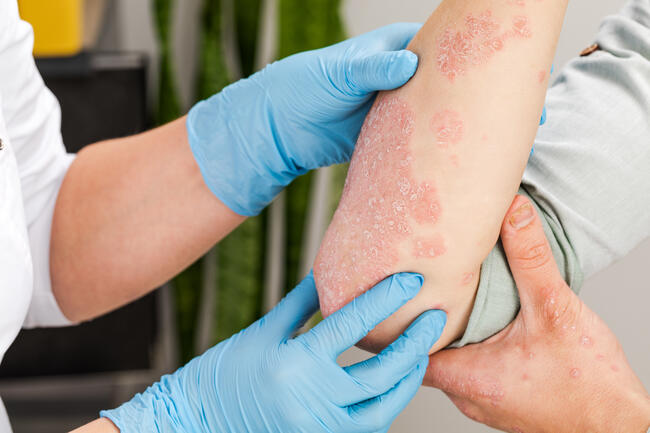
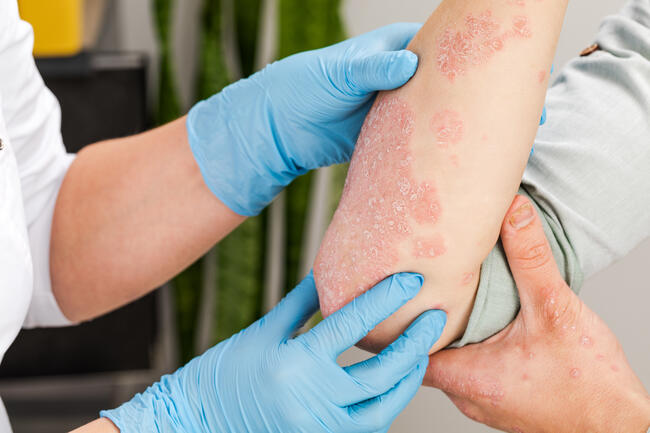
The 2016 35th Anniversary Fall Clinical Dermatology Conference came to Las Vegas on October 20 to 23, 2016. The 4-day program aims to provide the practicing dermatologist with a comprehensive update on the diagnosis and treatment of a variety of conditions that face dermatologists on a daily basis.
Organized by the Foundation for Research and Education in Dermatology, Fall Clinical’s program directors included Mark Lebwohl, MD, James Q. Del Rosso, DO, Darrell S. Rigel, MD, MS, and Clay J. Cockerell, MD.
“The conference agenda has been carefully developed to provide pearls of knowledge for daily use to the practicing dermatologist in an intimate environment designed to maximize faculty/registrant interactions. Through daily lectures, panels, live patient workshops, and question-and-answer sessions dermatologists learn practical and important information for their dermatology practice,” said Darrell S. Rigel, MD, MS.
The conference also included an extensive poster presentation and the National Psoriasis Foundation Annual Golf Tournament.
Atopic Dermatitis
The conference included numerous talks on atopic dermatitis. On Thursday October 20, Adelaide Hebert, MD, chief of pediatric dermatology at McGovern School of Medicine and Children’s Memorial Hermann Hospital, discussed pathogenesis of atopic dermatitis and the barrier defect of the skin that initiates immune dysregulation. The effects of the condition impact patients (and their families) physically with increased itching and lack of sleep as well as emotionally. “Itching is one of the most challenging aspects of disease management,” she said. “In addition, parents of children with atopic dermatitis lose one to one and half hours of sleep every night.”
Dr Hebert noted that good skin lubrication help reduce itching, however, children still may wake up on average 36 times, which can affect proper sleep and development. Antihistamines do not adequately control the itching associated with atopic dermatitis but they have a sedative effect that might help the child and family sleep, she said.
Investigational targeted immunotherapies for moderate to severe atopic dermatitis, such as dupilumab (phase 3), and phase 2 agents nemolizumab, lebrikizumab, tralokinumab, baricitinib, and others offer potential for future treatment of the disease. Investigational novel nonsteroidal ointments like crisaborole will also likely play a major role in treating patients with atopic dermatitis, she said.
Psoriasis
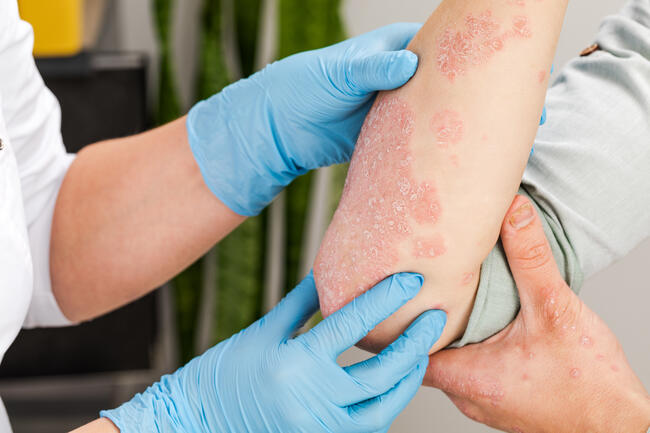
Dr Lebwohl, chairman of the Mount Sinai Department of Dermatology, updated attendees on the latest research related to breakthroughs in psoriasis. He emphasized the impact of psoriasis psychosocially and noted that patients now experience clearance much higher than before. In addition, treatments of psoriasis have evolved to become more specific and associated with significantly fewer side effects.
He reviewed research related to medications targeting IL-23 and IL-17. New IL-23 blockers—tildrakizumab, guselkumab, and risankizumab—have shown to be efficacious, some with sustained, longer lasting skin clearance. The IL-17 blockers—secukinumab (Cosentyx), ixekizumab (Taltz ), and investigational brodalumab (Siliq), have also shown to be effective, he noted. He reviewed secukinumab data and its efficacy for patients with palmoplantar psoriasis. He also reviewed clinical trials on the efficacy of apremilast (Otezla) for patients with psoriasis and psoriatic arthritis.
Medications targeting IL-17 and IL-23 are effective for psoriasis, psoriatic arthritis, and palmoplantar psoriasis, Dr Lebwohl said. He also suggested clinicians consider registering patients on biologics to the Corrona registry to help gather critical data on the psoriasis community.
Hyperhidrosis
Dr Hebert also spoke on the effects of hyperhidrosis on patients and emphasized the toll the condition takes on patients, particularly on children. She noted that hyperhidrosis is associated with depression and anxiety. She reviewed novel approaches to treating hyperhidrosis, including botulinum toxin type A topical gel, laser therapy with nd:YAG, oxybutynin, topical umeclidinium, miraDry, Ulthera, and iontophoresis devices.
Posters
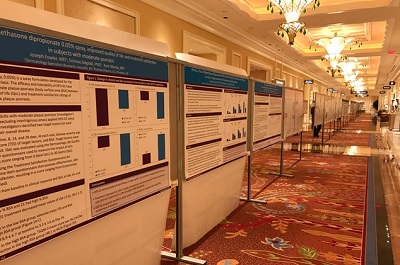 A record number of posters were presented at the meeting. Topics covered acne, atopic dermatitis, psoriasis, rosacea, skin cancer, scarring, and aesthetic procedures. Highlights from the poster sessions will be included in upcoming articles in The Dermatologist, starting this month with a look at psoriasis poster presentations at The Fall Clinical Dermatology Conference.
Up Next
Next year’s winter meeting, the 2017 Winter Clinical Dermatology Conference-Hawaii, will be held January 13 to 18, 2017 at the Fairmont Orchid, Kohala Coast, HI. The 6-day program is designed to provide the practicing dermatologist with a comprehensive update on the diagnosis and treatment of a variety of conditions related to medical, surgical, and appearance dermatology that face dermatologists on a daily basis.
The 2017 Fall Clinical Dermatology Conference will be held October 12 to 15, 2017, at the Wynn Hotel in Las Vegas, NV. Registration opened for next year’s fall meeting during the 2016 meeting and has sold out according to the organizers.
For more information, please visit https://www.clinicaldermconf.org
 The 2016 35th Anniversary Fall Clinical Dermatology Conference came to Las Vegas on October 20 to 23, 2016. The 4-day program aims to provide the practicing dermatologist with a comprehensive update on the diagnosis and treatment of a variety of conditions that face dermatologists on a daily basis.
Organized by the Foundation for Research and Education in Dermatology, Fall Clinical’s program directors included Mark Lebwohl, MD, James Q. Del Rosso, DO, Darrell S. Rigel, MD, MS, and Clay J. Cockerell, MD.
“The conference agenda has been carefully developed to provide pearls of knowledge for daily use to the practicing dermatologist in an intimate environment designed to maximize faculty/registrant interactions. Through daily lectures, panels, live patient workshops, and question-and-answer sessions dermatologists learn practical and important information for their dermatology practice,” said Darrell S. Rigel, MD, MS.
The conference also included an extensive poster presentation and the National Psoriasis Foundation Annual Golf Tournament.
Atopic Dermatitis
The conference included numerous talks on atopic dermatitis. On Thursday October 20, Adelaide Hebert, MD, chief of pediatric dermatology at McGovern School of Medicine and Children’s Memorial Hermann Hospital, discussed pathogenesis of atopic dermatitis and the barrier defect of the skin that initiates immune dysregulation. The effects of the condition impact patients (and their families) physically with increased itching and lack of sleep as well as emotionally. “Itching is one of the most challenging aspects of disease management,” she said. “In addition, parents of children with atopic dermatitis lose one to one and half hours of sleep every night.”
Dr Hebert noted that good skin lubrication help reduce itching, however, children still may wake up on average 36 times, which can affect proper sleep and development. Antihistamines do not adequately control the itching associated with atopic dermatitis but they have a sedative effect that might help the child and family sleep, she said.
Investigational targeted immunotherapies for moderate to severe atopic dermatitis, such as dupilumab (phase 3), and phase 2 agents nemolizumab, lebrikizumab, tralokinumab, baricitinib, and others offer potential for future treatment of the disease. Investigational novel nonsteroidal ointments like crisaborole will also likely play a major role in treating patients with atopic dermatitis, she said.
Psoriasis
Dr Lebwohl, chairman of the Mount Sinai Department of Dermatology, updated attendees on the latest research related to breakthroughs in psoriasis. He emphasized the impact of psoriasis psychosocially and noted that patients now experience clearance much higher than before. In addition, treatments of psoriasis have evolved to become more specific and associated with significantly fewer side effects.
He reviewed research related to medications targeting IL-23 and IL-17. New IL-23 blockers—tildrakizumab, guselkumab, and risankizumab—have shown to be efficacious, some with sustained, longer lasting skin clearance. The IL-17 blockers—secukinumab (Cosentyx), ixekizumab (Taltz ), and investigational brodalumab (Siliq), have also shown to be effective, he noted. He reviewed secukinumab data and its efficacy for patients with palmoplantar psoriasis. He also reviewed clinical trials on the efficacy of apremilast (Otezla) for patients with psoriasis and psoriatic arthritis.
Medications targeting IL-17 and IL-23 are effective for psoriasis, psoriatic arthritis, and palmoplantar psoriasis, Dr Lebwohl said. He also suggested clinicians consider registering patients on biologics to the Corrona registry to help gather critical data on the psoriasis community.
Hyperhidrosis
Dr Hebert also spoke on the effects of hyperhidrosis on patients and emphasized the toll the condition takes on patients, particularly on children. She noted that hyperhidrosis is associated with depression and anxiety. She reviewed novel approaches to treating hyperhidrosis, including botulinum toxin type A topical gel, laser therapy with nd:YAG, oxybutynin, topical umeclidinium, miraDry, Ulthera, and iontophoresis devices.
Posters
 A record number of posters were presented at the meeting. Topics covered acne, atopic dermatitis, psoriasis, rosacea, skin cancer, scarring, and aesthetic procedures. Highlights from the poster sessions will be included in upcoming articles in The Dermatologist, starting this month with a look at psoriasis poster presentations at The Fall Clinical Dermatology Conference.
Up Next
Next year’s winter meeting, the 2017 Winter Clinical Dermatology Conference-Hawaii, will be held January 13 to 18, 2017 at the Fairmont Orchid, Kohala Coast, HI. The 6-day program is designed to provide the practicing dermatologist with a comprehensive update on the diagnosis and treatment of a variety of conditions related to medical, surgical, and appearance dermatology that face dermatologists on a daily basis.
The 2017 Fall Clinical Dermatology Conference will be held October 12 to 15, 2017, at the Wynn Hotel in Las Vegas, NV. Registration opened for next year’s fall meeting during the 2016 meeting and has sold out according to the organizers.
For more information, please visit https://www.clinicaldermconf.org
The 2016 35th Anniversary Fall Clinical Dermatology Conference came to Las Vegas on October 20 to 23, 2016. The 4-day program aims to provide the practicing dermatologist with a comprehensive update on the diagnosis and treatment of a variety of conditions that face dermatologists on a daily basis.
Organized by the Foundation for Research and Education in Dermatology, Fall Clinical’s program directors included Mark Lebwohl, MD, James Q. Del Rosso, DO, Darrell S. Rigel, MD, MS, and Clay J. Cockerell, MD.
“The conference agenda has been carefully developed to provide pearls of knowledge for daily use to the practicing dermatologist in an intimate environment designed to maximize faculty/registrant interactions. Through daily lectures, panels, live patient workshops, and question-and-answer sessions dermatologists learn practical and important information for their dermatology practice,” said Darrell S. Rigel, MD, MS.
The conference also included an extensive poster presentation and the National Psoriasis Foundation Annual Golf Tournament.
Atopic Dermatitis
The conference included numerous talks on atopic dermatitis. On Thursday October 20, Adelaide Hebert, MD, chief of pediatric dermatology at McGovern School of Medicine and Children’s Memorial Hermann Hospital, discussed pathogenesis of atopic dermatitis and the barrier defect of the skin that initiates immune dysregulation. The effects of the condition impact patients (and their families) physically with increased itching and lack of sleep as well as emotionally. “Itching is one of the most challenging aspects of disease management,” she said. “In addition, parents of children with atopic dermatitis lose one to one and half hours of sleep every night.”
Dr Hebert noted that good skin lubrication help reduce itching, however, children still may wake up on average 36 times, which can affect proper sleep and development. Antihistamines do not adequately control the itching associated with atopic dermatitis but they have a sedative effect that might help the child and family sleep, she said.
Investigational targeted immunotherapies for moderate to severe atopic dermatitis, such as dupilumab (phase 3), and phase 2 agents nemolizumab, lebrikizumab, tralokinumab, baricitinib, and others offer potential for future treatment of the disease. Investigational novel nonsteroidal ointments like crisaborole will also likely play a major role in treating patients with atopic dermatitis, she said.
Psoriasis
Dr Lebwohl, chairman of the Mount Sinai Department of Dermatology, updated attendees on the latest research related to breakthroughs in psoriasis. He emphasized the impact of psoriasis psychosocially and noted that patients now experience clearance much higher than before. In addition, treatments of psoriasis have evolved to become more specific and associated with significantly fewer side effects.
He reviewed research related to medications targeting IL-23 and IL-17. New IL-23 blockers—tildrakizumab, guselkumab, and risankizumab—have shown to be efficacious, some with sustained, longer lasting skin clearance. The IL-17 blockers—secukinumab (Cosentyx), ixekizumab (Taltz ), and investigational brodalumab (Siliq), have also shown to be effective, he noted. He reviewed secukinumab data and its efficacy for patients with palmoplantar psoriasis. He also reviewed clinical trials on the efficacy of apremilast (Otezla) for patients with psoriasis and psoriatic arthritis.
Medications targeting IL-17 and IL-23 are effective for psoriasis, psoriatic arthritis, and palmoplantar psoriasis, Dr Lebwohl said. He also suggested clinicians consider registering patients on biologics to the Corrona registry to help gather critical data on the psoriasis community.
Hyperhidrosis
Dr Hebert also spoke on the effects of hyperhidrosis on patients and emphasized the toll the condition takes on patients, particularly on children. She noted that hyperhidrosis is associated with depression and anxiety. She reviewed novel approaches to treating hyperhidrosis, including botulinum toxin type A topical gel, laser therapy with nd:YAG, oxybutynin, topical umeclidinium, miraDry, Ulthera, and iontophoresis devices.
Posters
A record number of posters were presented at the meeting. Topics covered acne, atopic dermatitis, psoriasis, rosacea, skin cancer, scarring, and aesthetic procedures. Highlights from the poster sessions will be included in upcoming articles in The Dermatologist, starting this month with a look at psoriasis poster presentations at The Fall Clinical Dermatology Conference.
Up Next
Next year’s winter meeting, the 2017 Winter Clinical Dermatology Conference-Hawaii, will be held January 13 to 18, 2017 at the Fairmont Orchid, Kohala Coast, HI. The 6-day program is designed to provide the practicing dermatologist with a comprehensive update on the diagnosis and treatment of a variety of conditions related to medical, surgical, and appearance dermatology that face dermatologists on a daily basis.
The 2017 Fall Clinical Dermatology Conference will be held October 12 to 15, 2017, at the Wynn Hotel in Las Vegas, NV. Registration opened for next year’s fall meeting during the 2016 meeting and has sold out according to the organizers.
For more information, please visit https://www.clinicaldermconf.org