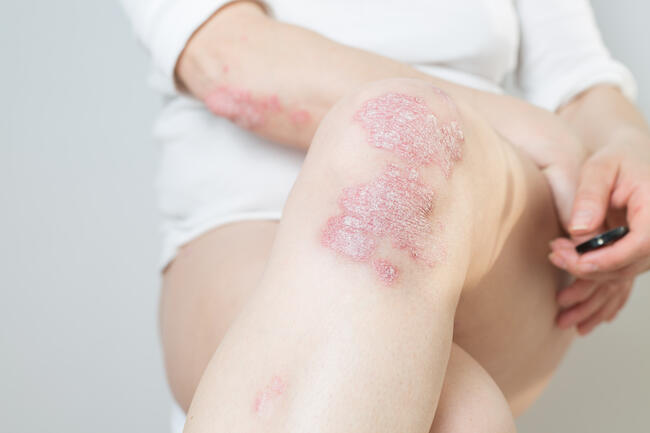
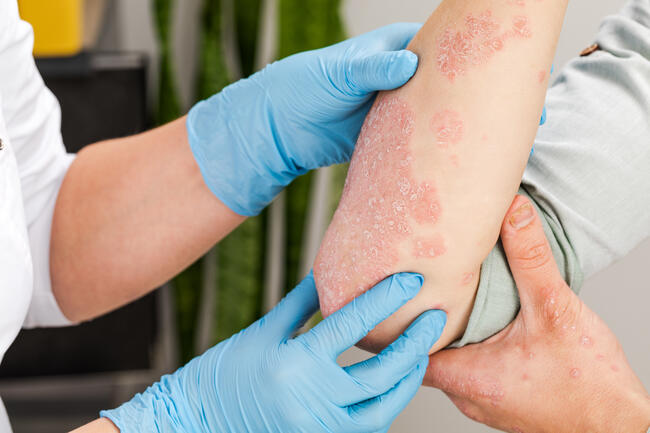
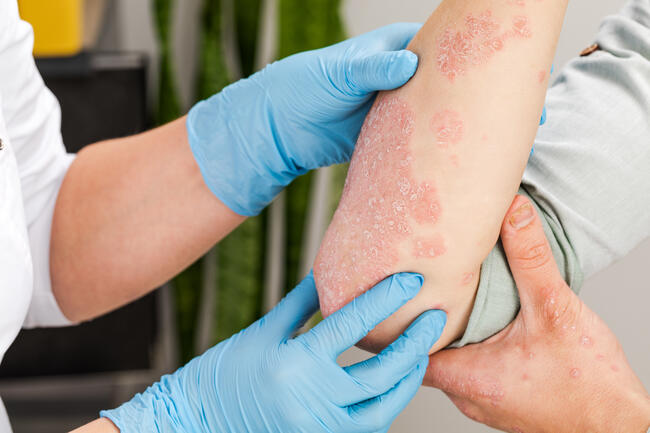
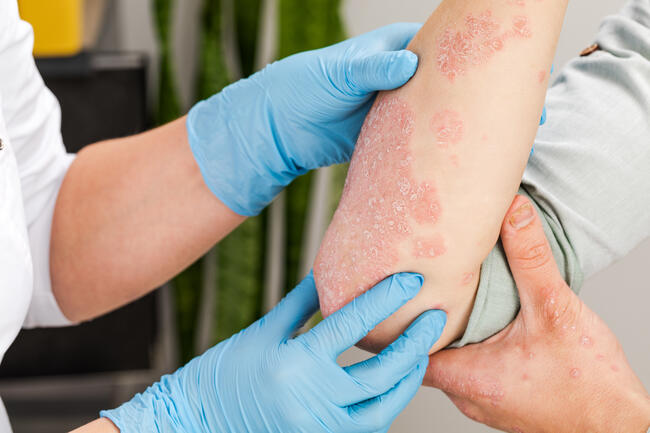
 Atopic dermatitis (AD) negatively impacts people’s lives socially and psychologically, going beyond the physical signs and symptoms, according to the results of a survey by the Understand AD campaign (www.understandad.com). The National Eczema Association (NEA) is one of the partners of the campaign. Patients with AD often alter their lifestyle and career choices to limit face-to-face interactions with others because of the disease.
The survey, which included 505 American adults, 18 years of age or older who self-reported being diagnosed with moderate to severe AD, found that 82% have made lifestyle modifications—avoiding social engagements, being in pictures, and 55% reported that their confidence was negatively impacted due to their disease. Those surveyed also indicated that living with the disease has negatively impacted their daily lives, disrupting their sleep and work patterns, and contributing to anxiety and depression. The disease also affects presenteeism and the ability to maintain employment.
Another survey of eczema parents and caregivers conducted by the NEA found that approximately 1 in 5 children with eczema, or AD, will be bullied at school due to their skin condition. More than 75% of parents of children with eczema who were bullied report that their child had lowered self-esteem as a result. Teasing, taunting, or bullying related to their appearance can often lead to isolation.
“Medically treating and managing eczema is important—but so are understanding and addressing the psychosocial challenges of this disease,” explained Amy Paller, MD, director of the Northwestern University Skin Disease Research Center. “The recent NEA survey correlates with research I’ve coauthored in the past, showing a link between bullying related to chronic eczema and a decrease in self-esteem and self-confidence. This can have a tremendous long-term impact on their lives.”
The Importance of Support
Low self-esteem, isolation, anxiety, and depression create a burden for patients living with AD. Dermatologists can offer their patients support by letting their patients know about a variety of services available.
“Eczema is a capricious condition. It does what it does, when it does, whenever it feels like it. There is often no rhyme or reason for a given flare. Thus, sufferers are left feeling confused, alone, and helpless. Support groups allow for contact and bonding with other people similarly afflicted with this unpredictable skin condition. There is opportunity for bonding, release, relief, and information exchange,” said Richard Fried, MD, PhD, a psychologist and dermatologist, who is clinical director at Yardley Dermatology Associates in Yardley, PA.
The NEA hosts its NEA Support Network, which is intended to connect individuals and families in communities who are living with or affected by eczema. People who are support contacts in the NEA Support Network are available to share their experiences with patients with eczema and to listen to their experiences. All of the contacts are either an adult with eczema or the parent of a child with eczema. They are also familiar with NEA services and resources and can share a wealth of information with newcomers.
“Interaction within an eczema support group help patients cope with the effects of the condition,” explained Judy Bruno, telephone support contact for the NEA Cleveland, OH group. “Having someone who has the same condition you have allows them to vent and feel understood. Also, different ways of handling an issue with the disease can be exchanged. The attitude is two heads are better than one.”
Support group leaders and telephone support contacts are listed by state on the NEA website. For more information, please visit https://nationaleczema.org/living-with-eczema/communities/support-network/.
Online Groups
In addition, NEA has an online support group, Eczema Wise, which offers tips and information from others living with eczema. The online eczema support group and discussion community has more than 7200 members, who can post a question or offer support to other members.
“An online support group can be helpful. I think the human contact in person or on the phone is first choice but the online group is a close second,” said Ms Bruno, noting that the online group still puts you with people who share your concerns.
“Online support groups offer the benefits of anonymity,” added Dr Fried. “Anonymity offers the safety of honest and forthcoming exchanges without the fear of personal exposure and its associated vulnerabilities. As with in-person support groups, it is helpful to be keenly aware that there is always a small subset of ‘gloom and doomers’ who espouse the worst possible scenarios. Take their opinions and perspective with a grain of salt if possible.”
For more information, please visit https://www.inspire.com/groups/national-eczema-association/.
Comprehensive Support
Besides making recommendations to patients to consider a support group, dermatologists and their staff can also support their patients in a number of ways, explained Dr Fried. “They can promise patients improvement and better sustained control of their condition. This is not a promise of a cure, but more sustained and effective control of the frequency and severity flares,” he said.
“In addition, dermatologists, dermatology physician assistants, and dermatology nurse practitioners can give patients proven tools to better control their disease. These include topical, orals, diet, lifestyle modifications, complementary treatments that are backed by research, and published studies demonstrating effectiveness and safety,” Dr Fried said.
Finally, if patients appear to be struggling with self-esteem and quality of life issues, behavioral health consultation can be considered.
 Atopic dermatitis (AD) negatively impacts people’s lives socially and psychologically, going beyond the physical signs and symptoms, according to the results of a survey by the Understand AD campaign (www.understandad.com). The National Eczema Association (NEA) is one of the partners of the campaign. Patients with AD often alter their lifestyle and career choices to limit face-to-face interactions with others because of the disease.
The survey, which included 505 American adults, 18 years of age or older who self-reported being diagnosed with moderate to severe AD, found that 82% have made lifestyle modifications—avoiding social engagements, being in pictures, and 55% reported that their confidence was negatively impacted due to their disease. Those surveyed also indicated that living with the disease has negatively impacted their daily lives, disrupting their sleep and work patterns, and contributing to anxiety and depression. The disease also affects presenteeism and the ability to maintain employment.
Another survey of eczema parents and caregivers conducted by the NEA found that approximately 1 in 5 children with eczema, or AD, will be bullied at school due to their skin condition. More than 75% of parents of children with eczema who were bullied report that their child had lowered self-esteem as a result. Teasing, taunting, or bullying related to their appearance can often lead to isolation.
“Medically treating and managing eczema is important—but so are understanding and addressing the psychosocial challenges of this disease,” explained Amy Paller, MD, director of the Northwestern University Skin Disease Research Center. “The recent NEA survey correlates with research I’ve coauthored in the past, showing a link between bullying related to chronic eczema and a decrease in self-esteem and self-confidence. This can have a tremendous long-term impact on their lives.”
The Importance of Support
Low self-esteem, isolation, anxiety, and depression create a burden for patients living with AD. Dermatologists can offer their patients support by letting their patients know about a variety of services available.
“Eczema is a capricious condition. It does what it does, when it does, whenever it feels like it. There is often no rhyme or reason for a given flare. Thus, sufferers are left feeling confused, alone, and helpless. Support groups allow for contact and bonding with other people similarly afflicted with this unpredictable skin condition. There is opportunity for bonding, release, relief, and information exchange,” said Richard Fried, MD, PhD, a psychologist and dermatologist, who is clinical director at Yardley Dermatology Associates in Yardley, PA.
The NEA hosts its NEA Support Network, which is intended to connect individuals and families in communities who are living with or affected by eczema. People who are support contacts in the NEA Support Network are available to share their experiences with patients with eczema and to listen to their experiences. All of the contacts are either an adult with eczema or the parent of a child with eczema. They are also familiar with NEA services and resources and can share a wealth of information with newcomers.
“Interaction within an eczema support group help patients cope with the effects of the condition,” explained Judy Bruno, telephone support contact for the NEA Cleveland, OH group. “Having someone who has the same condition you have allows them to vent and feel understood. Also, different ways of handling an issue with the disease can be exchanged. The attitude is two heads are better than one.”
Support group leaders and telephone support contacts are listed by state on the NEA website. For more information, please visit https://nationaleczema.org/living-with-eczema/communities/support-network/.
Online Groups
In addition, NEA has an online support group, Eczema Wise, which offers tips and information from others living with eczema. The online eczema support group and discussion community has more than 7200 members, who can post a question or offer support to other members.
“An online support group can be helpful. I think the human contact in person or on the phone is first choice but the online group is a close second,” said Ms Bruno, noting that the online group still puts you with people who share your concerns.
“Online support groups offer the benefits of anonymity,” added Dr Fried. “Anonymity offers the safety of honest and forthcoming exchanges without the fear of personal exposure and its associated vulnerabilities. As with in-person support groups, it is helpful to be keenly aware that there is always a small subset of ‘gloom and doomers’ who espouse the worst possible scenarios. Take their opinions and perspective with a grain of salt if possible.”
For more information, please visit https://www.inspire.com/groups/national-eczema-association/.
Comprehensive Support
Besides making recommendations to patients to consider a support group, dermatologists and their staff can also support their patients in a number of ways, explained Dr Fried. “They can promise patients improvement and better sustained control of their condition. This is not a promise of a cure, but more sustained and effective control of the frequency and severity flares,” he said.
“In addition, dermatologists, dermatology physician assistants, and dermatology nurse practitioners can give patients proven tools to better control their disease. These include topical, orals, diet, lifestyle modifications, complementary treatments that are backed by research, and published studies demonstrating effectiveness and safety,” Dr Fried said.
Finally, if patients appear to be struggling with self-esteem and quality of life issues, behavioral health consultation can be considered.
Atopic dermatitis (AD) negatively impacts people’s lives socially and psychologically, going beyond the physical signs and symptoms, according to the results of a survey by the Understand AD campaign (www.understandad.com). The National Eczema Association (NEA) is one of the partners of the campaign. Patients with AD often alter their lifestyle and career choices to limit face-to-face interactions with others because of the disease.
The survey, which included 505 American adults, 18 years of age or older who self-reported being diagnosed with moderate to severe AD, found that 82% have made lifestyle modifications—avoiding social engagements, being in pictures, and 55% reported that their confidence was negatively impacted due to their disease. Those surveyed also indicated that living with the disease has negatively impacted their daily lives, disrupting their sleep and work patterns, and contributing to anxiety and depression. The disease also affects presenteeism and the ability to maintain employment.
Another survey of eczema parents and caregivers conducted by the NEA found that approximately 1 in 5 children with eczema, or AD, will be bullied at school due to their skin condition. More than 75% of parents of children with eczema who were bullied report that their child had lowered self-esteem as a result. Teasing, taunting, or bullying related to their appearance can often lead to isolation.
“Medically treating and managing eczema is important—but so are understanding and addressing the psychosocial challenges of this disease,” explained Amy Paller, MD, director of the Northwestern University Skin Disease Research Center. “The recent NEA survey correlates with research I’ve coauthored in the past, showing a link between bullying related to chronic eczema and a decrease in self-esteem and self-confidence. This can have a tremendous long-term impact on their lives.”
The Importance of Support
Low self-esteem, isolation, anxiety, and depression create a burden for patients living with AD. Dermatologists can offer their patients support by letting their patients know about a variety of services available.
“Eczema is a capricious condition. It does what it does, when it does, whenever it feels like it. There is often no rhyme or reason for a given flare. Thus, sufferers are left feeling confused, alone, and helpless. Support groups allow for contact and bonding with other people similarly afflicted with this unpredictable skin condition. There is opportunity for bonding, release, relief, and information exchange,” said Richard Fried, MD, PhD, a psychologist and dermatologist, who is clinical director at Yardley Dermatology Associates in Yardley, PA.
The NEA hosts its NEA Support Network, which is intended to connect individuals and families in communities who are living with or affected by eczema. People who are support contacts in the NEA Support Network are available to share their experiences with patients with eczema and to listen to their experiences. All of the contacts are either an adult with eczema or the parent of a child with eczema. They are also familiar with NEA services and resources and can share a wealth of information with newcomers.
“Interaction within an eczema support group help patients cope with the effects of the condition,” explained Judy Bruno, telephone support contact for the NEA Cleveland, OH group. “Having someone who has the same condition you have allows them to vent and feel understood. Also, different ways of handling an issue with the disease can be exchanged. The attitude is two heads are better than one.”
Support group leaders and telephone support contacts are listed by state on the NEA website. For more information, please visit https://nationaleczema.org/living-with-eczema/communities/support-network/.
Online Groups
In addition, NEA has an online support group, Eczema Wise, which offers tips and information from others living with eczema. The online eczema support group and discussion community has more than 7200 members, who can post a question or offer support to other members.
“An online support group can be helpful. I think the human contact in person or on the phone is first choice but the online group is a close second,” said Ms Bruno, noting that the online group still puts you with people who share your concerns.
“Online support groups offer the benefits of anonymity,” added Dr Fried. “Anonymity offers the safety of honest and forthcoming exchanges without the fear of personal exposure and its associated vulnerabilities. As with in-person support groups, it is helpful to be keenly aware that there is always a small subset of ‘gloom and doomers’ who espouse the worst possible scenarios. Take their opinions and perspective with a grain of salt if possible.”
For more information, please visit https://www.inspire.com/groups/national-eczema-association/.
Comprehensive Support
Besides making recommendations to patients to consider a support group, dermatologists and their staff can also support their patients in a number of ways, explained Dr Fried. “They can promise patients improvement and better sustained control of their condition. This is not a promise of a cure, but more sustained and effective control of the frequency and severity flares,” he said.
“In addition, dermatologists, dermatology physician assistants, and dermatology nurse practitioners can give patients proven tools to better control their disease. These include topical, orals, diet, lifestyle modifications, complementary treatments that are backed by research, and published studies demonstrating effectiveness and safety,” Dr Fried said.
Finally, if patients appear to be struggling with self-esteem and quality of life issues, behavioral health consultation can be considered.