 A recent article in the New York Times entitled “The Physician Assistant Will See You” has the potential to raise awareness of the physician assistant (PA) profession. It is a good thing because the PA profession is growing rapidly and most patients are likely to encounter a PA at some point when seeking medical care. The more the public understands about those who care for them, the better. Accurate information is critical to the education process.
The article references a survey commissioned by the American Academy of Family Physicians (AAFP) and seems to suggest that the survey indicated that PAs are not well embraced by patients. Clicking the link originally lead me to the AAFP website and an announcement of the survey results in December 2013 (www.aafp.org/news/practice-professional-issues/20131218ipsossurvey.html)
The actual survey (found at https://ipsos-na.com/download/pr.aspx?id=13294) did not address the relationship between patients and PAs. The survey did ask which type of provider people would prefer to see and the results were as follows:
Physician – strongly 56%
Physician – not so strongly 16%
Nurse practitioner – strongly 4%
Nurse practitioner – not so strongly 3%
No preference 16%
Don’t know 5%
To say that PAs are not embraced based on the results of this survey is speculation. That same question was asked again following a paragraph describing nurse practitioner training, to see if the responders changed their opinion. They did and the answers were as follows:
Physician – strongly 49%
Physician – not so strongly 17%
Nurse practitioner – strongly 8%
Nurse practitioner – not so strongly 6%
No preference 14%
Don’t know 5%
It is clear that education can change minds. However, education based on inaccurate information will lead to inaccurate opinions, which are not constructive in improving public health or in creating better patient–provider relationships.
The New York Times article goes on to suggest that the PA’s role in mental health care is 1 of the reasons misdiagnoses, underdiagnoses and the overprescribing of antidepressants have flooded the mental health system. However, the author does not provide any supporting documentation that PA practice is the cause of these changes versus other factors such as direct-to-consumer advertising or the influence of large numbers of war veterans returning to civilian life. Unsupported speculation such as this is not only not helpful to the discussion but also potentially and unfairly damaging.
The Society of Dermatology Physician Assistants (SDPA) supports adequate training of any provider, physician, PA or nurse practitioner prior to autonomous practice. For the PA, this additional training occurs after graduation under the direction of a supervising physician whose duty is to ensure the PA is well-trained before increasing their level of autonomy.
It is in the best interests of all that accurate information is available to help the public better understand the roles of the many different providers who they may encounter in the team sport that medicine now is.
To learn more about the SDPA, please visit www.dermpa.org/. Also, the SDPA 12th Annual Fall Dermatology Conference 2014 will be held November 12 to November 15, 2014 at the Manchester Grand Hyatt in San Diego, CA. n
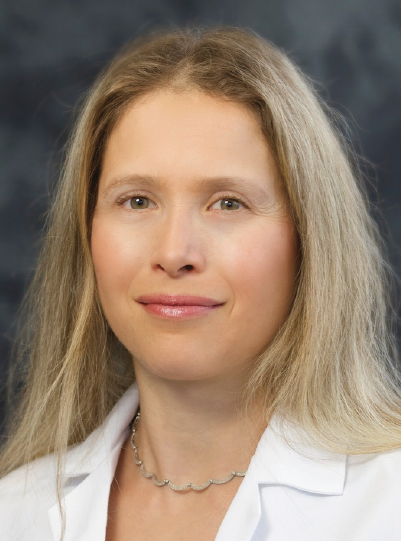
Ms. Winter practices with Mark Bauer, MD, at Dermatology and Allergy Specialists of Olympia in Olympia, WA. She is a Diplomate of the Society of Dermatology Physician Assistants where she is immediate past president.
Disclosure: The author has no conflicts of interest to report.
 A recent article in the New York Times entitled “The Physician Assistant Will See You” has the potential to raise awareness of the physician assistant (PA) profession. It is a good thing because the PA profession is growing rapidly and most patients are likely to encounter a PA at some point when seeking medical care. The more the public understands about those who care for them, the better. Accurate information is critical to the education process.
The article references a survey commissioned by the American Academy of Family Physicians (AAFP) and seems to suggest that the survey indicated that PAs are not well embraced by patients. Clicking the link originally lead me to the AAFP website and an announcement of the survey results in December 2013 (www.aafp.org/news/practice-professional-issues/20131218ipsossurvey.html)
The actual survey (found at https://ipsos-na.com/download/pr.aspx?id=13294) did not address the relationship between patients and PAs. The survey did ask which type of provider people would prefer to see and the results were as follows:
Physician – strongly 56%
Physician – not so strongly 16%
Nurse practitioner – strongly 4%
Nurse practitioner – not so strongly 3%
No preference 16%
Don’t know 5%
To say that PAs are not embraced based on the results of this survey is speculation. That same question was asked again following a paragraph describing nurse practitioner training, to see if the responders changed their opinion. They did and the answers were as follows:
Physician – strongly 49%
Physician – not so strongly 17%
Nurse practitioner – strongly 8%
Nurse practitioner – not so strongly 6%
No preference 14%
Don’t know 5%
It is clear that education can change minds. However, education based on inaccurate information will lead to inaccurate opinions, which are not constructive in improving public health or in creating better patient–provider relationships.
The New York Times article goes on to suggest that the PA’s role in mental health care is 1 of the reasons misdiagnoses, underdiagnoses and the overprescribing of antidepressants have flooded the mental health system. However, the author does not provide any supporting documentation that PA practice is the cause of these changes versus other factors such as direct-to-consumer advertising or the influence of large numbers of war veterans returning to civilian life. Unsupported speculation such as this is not only not helpful to the discussion but also potentially and unfairly damaging.
The Society of Dermatology Physician Assistants (SDPA) supports adequate training of any provider, physician, PA or nurse practitioner prior to autonomous practice. For the PA, this additional training occurs after graduation under the direction of a supervising physician whose duty is to ensure the PA is well-trained before increasing their level of autonomy.
It is in the best interests of all that accurate information is available to help the public better understand the roles of the many different providers who they may encounter in the team sport that medicine now is.
To learn more about the SDPA, please visit www.dermpa.org/. Also, the SDPA 12th Annual Fall Dermatology Conference 2014 will be held November 12 to November 15, 2014 at the Manchester Grand Hyatt in San Diego, CA. n
Ms. Winter practices with Mark Bauer, MD, at Dermatology and Allergy Specialists of Olympia in Olympia, WA. She is a Diplomate of the Society of Dermatology Physician Assistants where she is immediate past president.
Disclosure: The author has no conflicts of interest to report.
A recent article in the New York Times entitled “The Physician Assistant Will See You” has the potential to raise awareness of the physician assistant (PA) profession. It is a good thing because the PA profession is growing rapidly and most patients are likely to encounter a PA at some point when seeking medical care. The more the public understands about those who care for them, the better. Accurate information is critical to the education process.
The article references a survey commissioned by the American Academy of Family Physicians (AAFP) and seems to suggest that the survey indicated that PAs are not well embraced by patients. Clicking the link originally lead me to the AAFP website and an announcement of the survey results in December 2013 (www.aafp.org/news/practice-professional-issues/20131218ipsossurvey.html)
The actual survey (found at https://ipsos-na.com/download/pr.aspx?id=13294) did not address the relationship between patients and PAs. The survey did ask which type of provider people would prefer to see and the results were as follows:
Physician – strongly 56%
Physician – not so strongly 16%
Nurse practitioner – strongly 4%
Nurse practitioner – not so strongly 3%
No preference 16%
Don’t know 5%
To say that PAs are not embraced based on the results of this survey is speculation. That same question was asked again following a paragraph describing nurse practitioner training, to see if the responders changed their opinion. They did and the answers were as follows:
Physician – strongly 49%
Physician – not so strongly 17%
Nurse practitioner – strongly 8%
Nurse practitioner – not so strongly 6%
No preference 14%
Don’t know 5%
It is clear that education can change minds. However, education based on inaccurate information will lead to inaccurate opinions, which are not constructive in improving public health or in creating better patient–provider relationships.
The New York Times article goes on to suggest that the PA’s role in mental health care is 1 of the reasons misdiagnoses, underdiagnoses and the overprescribing of antidepressants have flooded the mental health system. However, the author does not provide any supporting documentation that PA practice is the cause of these changes versus other factors such as direct-to-consumer advertising or the influence of large numbers of war veterans returning to civilian life. Unsupported speculation such as this is not only not helpful to the discussion but also potentially and unfairly damaging.
The Society of Dermatology Physician Assistants (SDPA) supports adequate training of any provider, physician, PA or nurse practitioner prior to autonomous practice. For the PA, this additional training occurs after graduation under the direction of a supervising physician whose duty is to ensure the PA is well-trained before increasing their level of autonomy.
It is in the best interests of all that accurate information is available to help the public better understand the roles of the many different providers who they may encounter in the team sport that medicine now is.
To learn more about the SDPA, please visit www.dermpa.org/. Also, the SDPA 12th Annual Fall Dermatology Conference 2014 will be held November 12 to November 15, 2014 at the Manchester Grand Hyatt in San Diego, CA. n
Ms. Winter practices with Mark Bauer, MD, at Dermatology and Allergy Specialists of Olympia in Olympia, WA. She is a Diplomate of the Society of Dermatology Physician Assistants where she is immediate past president.
Disclosure: The author has no conflicts of interest to report.