 We know eczema can be a challenging disease to treat. But a new era of hope and promise is upon us. Eczema awareness is on the rise, eczema research is delivering novel answers and new drug therapies are advancing in the pipeline. The National Eczema Association (NEA) focuses solely on improving the health and quality of life for all those affected by eczema through education, support and research.
An Introduction
Let’s start with a bit of history. In 1988, Jon Hanifin, MD, one of the most esteemed eczema clinicians and researchers of our time, along with eczema patient advocate Irene Crosby and family nurse practitioner Susan Tofte, RN, MS, FNP, started a support group in Portland, OR, and formed what was then called the Eczema Association for Science and Education. They saw a need for those experiencing eczema to get together, learn and support one another. In 2002, the organization regrouped and moved its headquarters to San Rafael, CA, where it became the National Eczema Association. NEA has been on a solid trajectory ever since: delivering support and education programs and sponsoring eczema research.
NEA is governed by a volunteer Board of Directors consisting of adults with eczema, parents of children with eczema, spouses and friends and medical experts. NEA is advised and counseled by a Scientific Advisory Committee that ensures our trustworthiness as a source of scientifically sound eczema information. These committee members are the world-renowned experts who have dedicated their careers to this specialty. As we learn more about the multidisciplinary nature of eczema treatment, the expertise in this group is transforming to include experts in allergy, nutrition, immunology, psychology and naturopathy in order to be of continued service and relevance to the eczema patient.
What Can NEA Do for You?
You may ask: how can NEA help me — the practicing dermatologist, dermatology physician assistant, dermatology nurse or other medical professional — provide the best service possible for my patients?
Your patients have no doubt asked you about nutrition and eczema (What about a gluten-free diet?), alternative and complimentary options for treatment (Should I take probiotics and vitamin D supplements?), as well as psychosocial aspects of the disease (What can I do to relieve stress that contributes to my eczema?). NEA’s research, education and support programs aim to help answer these questions, and provide the most trustworthy information currently available to empower patients to make the best healthcare decisions in collaboration with their providers.
Eczema Research: New Hope
NEA first began to directly fund eczema research in 2004, Since then, the association has awarded over $500,000 for research grants that are focused on topics most important to eczema patients: itch, skin barrier, infections and eczema prevention.
Seed funding provided specifically on itch and eczema prevention have resulted in multi-million dollar funding from the National Institutes of Health that continue to advance these fields of study. NEA is proud of our eczema champions in these fields of study, notably Gil Yosipovitch, MD, of Temple University (known affectionately worldwide as the “Godfather of Itch”), and Eric Simpson, MD, of Oregon Health & Science University who is planning a community-based trial of skincare intervention that may reduce the incidence of atopic dermatitis by up to 50%. It is an honor to report ongoing NEA research grants made possible by our donors that have been awarded:
• Bleach Baths Normalize Skin Barrier Function, Diminish Th2 Inflammation and Improve Pruritus
• Crowdsourcing Eczema Social Media Conversations
• The Efficacy of Meditation for Treatment of Chronic Pruritus: A Pilot Trial for Eczema Patients
• Host-Mycobiome Interactions in Eczema and Atopic Dermatitis
Along with the NEA research grant program, our priority is to advance eczema research at every opportunity. We do this by:
• Advocating for increased federal research funding
• Delivering research updates from around the world
• Notifying eczema patients about participation in clinical trials
Beyond the research efforts that NEA is directly responsible for, many exciting advancements are being made in new drug therapeutics for eczema. A new day is coming for eczema treatments. Along with exceptional Phase II results reported for the first biologic treatment for eczema, there are approximately 18 new treatments in the pipeline including barrier-restoring devices, itch controllers and oral/topical anti-inflammatory drugs. These developments spell new hope for those with eczema, and new tools coming for your toolbox. NEA plays a crucial role in these advancements. The association serves as liaison for clinical trial enrollment, publicizes results to the eczema community, advocates at the FDA level and works to ensure patient access to new therapies.
Eczema Education for Your Patients
Perhaps of more immediate benefit to you — the practitioner — is NEA’s education program. NEA provides trustworthy, credible information that is impossible to impart in a 10-minute clinic visit. Eczema education is delivered through a variety of NEA channels: web (website, Facebook, e-mail, webcasts), print (education brochures, magazine, eczema kits) and events (patient conference, upcoming 1-day forums).
Take a look at nationaleczema.org. You’ll find valuable education for your eczema patients including information on: symptoms, causes, triggers, eczema types, treatments, related conditions, eczema products, research updates, patients stories and much more.
Of particular note is the NEA Seal of Acceptance program. You know the most important aspect of eczema treatment is a daily skincare regimen. The NEA Seal of Acceptance program helps individuals recognize products that are suitable for care of eczema or sensitive skin. An independent scientific committee reviews product formulation and ingredients to determine whether they are worthy to carry the NEA seal. As part of this program, I’m proud to say that NEA has influenced product formulation to address patient needs. When your patients ask what cleanser or moisturizer to use, you have a go-to resource that you can trust. You may wish to receive NEA Seal of Acceptance print brochures as a ready reference to distribute in your office, or refer patients to the NEA website to view a product directory (which includes product reviews and ingredient information).
Eczema Patients Are Not Alone — But Sometimes Feel They Are
No one understands a condition better than someone experiencing the same thing. To that end, NEA Support Programs provide an opportunity to interact with and learn from one another. The NEA Support Network hosts nationwide support groups that meet to share their experience and hope. Online, the NEA Facebook page includes weekly “Eczema Expert Posts” that engage the eczema community in high-level exchange about traditional treatments, alternatives, everyday skincare and newsworthy updates. These programs are a valuable resource you can refer your patients to that provides support they deserve to help manage this frustrating disease.
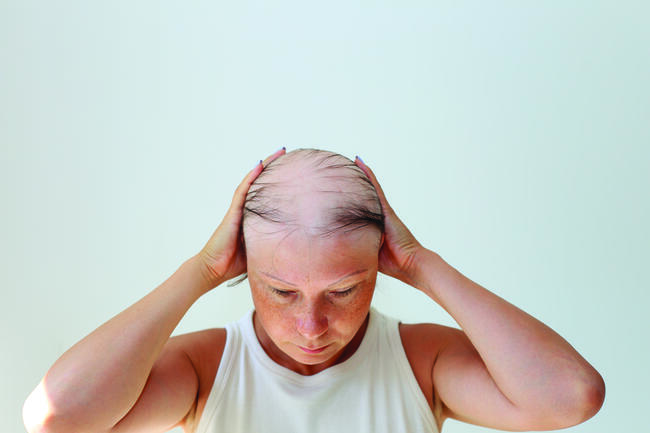
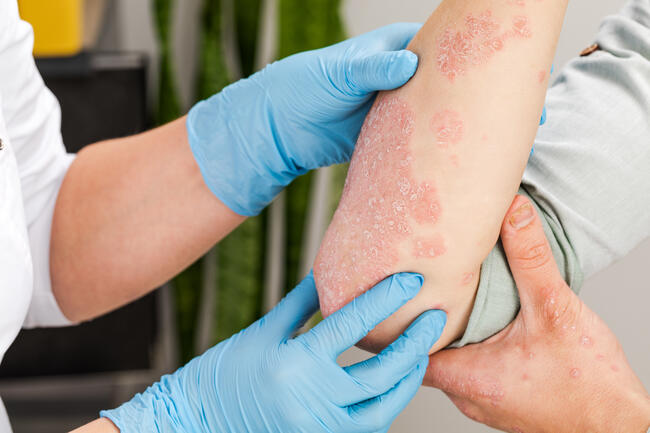
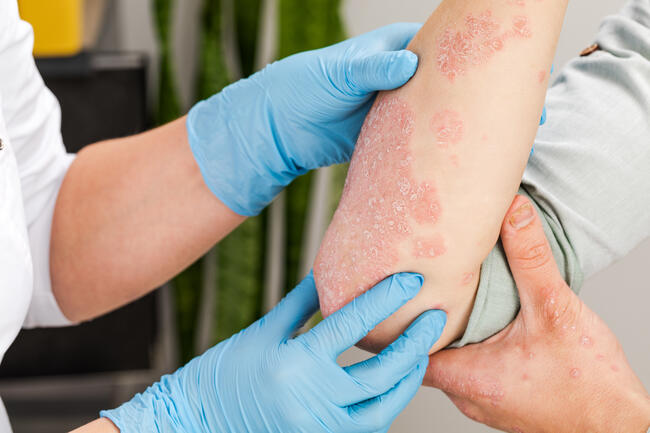
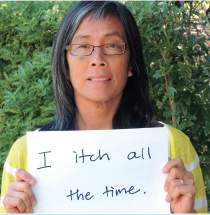
The general public may believe eczema is a simple rash. Often the public, and even family and friends of patients, are quite unaware of the physical and emotional tolls of this disease, and the overall day-to-day impact eczema can have on individuals and families for many years (Figures 1 and 2). NEA provides compassion for those with eczema, and offers action steps people can take that make a difference. NEA’s Itching for a Cure walks, Eczema Awareness Month, and Make a Difference Program represent impactful engagement and a mighty voice. These efforts increase understanding about eczema and its effect on lives. By connecting your patients to NEA, you validate the quality of life struggles they experience. Once connected, many find turning challenges into positive action by raising eczema awareness to be life changing and empowering.
So you see, NEA does truly help you provide the very best for your eczema patients. You can take action today by simply referring your patients to the organization. It is a gift you can confidently give that you know provides value. NEA surrounds the eczema patient and their loved ones with education, support and research that provides hope for the future.
Here are some action steps you can take:
• Request a FREE Eczema Office Kit complete with NEA education brochures, magazine and Itching for a Cure wristbands by e-mailing info@nationaleczema.org.
• Keep informed — sign up for eInsights, NEA’s FREE monthly electronic newsletter at nationaleczema.org
• Join NEA’s online community to learn more about the eczema population at facebook.com/nationaleczema
• Make a pledge in honor of your patients or register to walk at the next Itching for a Cure walk at itchingforacure.org
A new day for eczema treatment is upon us. Together, we can take this journey in service to eczema patients and their loved ones. n
Ms. Block is president and chief executive officer of the National Eczema Association.
Disclosure: The author reports no relevant financial relationships.
 We know eczema can be a challenging disease to treat. But a new era of hope and promise is upon us. Eczema awareness is on the rise, eczema research is delivering novel answers and new drug therapies are advancing in the pipeline. The National Eczema Association (NEA) focuses solely on improving the health and quality of life for all those affected by eczema through education, support and research.
An Introduction
Let’s start with a bit of history. In 1988, Jon Hanifin, MD, one of the most esteemed eczema clinicians and researchers of our time, along with eczema patient advocate Irene Crosby and family nurse practitioner Susan Tofte, RN, MS, FNP, started a support group in Portland, OR, and formed what was then called the Eczema Association for Science and Education. They saw a need for those experiencing eczema to get together, learn and support one another. In 2002, the organization regrouped and moved its headquarters to San Rafael, CA, where it became the National Eczema Association. NEA has been on a solid trajectory ever since: delivering support and education programs and sponsoring eczema research.
NEA is governed by a volunteer Board of Directors consisting of adults with eczema, parents of children with eczema, spouses and friends and medical experts. NEA is advised and counseled by a Scientific Advisory Committee that ensures our trustworthiness as a source of scientifically sound eczema information. These committee members are the world-renowned experts who have dedicated their careers to this specialty. As we learn more about the multidisciplinary nature of eczema treatment, the expertise in this group is transforming to include experts in allergy, nutrition, immunology, psychology and naturopathy in order to be of continued service and relevance to the eczema patient.
What Can NEA Do for You?
You may ask: how can NEA help me — the practicing dermatologist, dermatology physician assistant, dermatology nurse or other medical professional — provide the best service possible for my patients?
Your patients have no doubt asked you about nutrition and eczema (What about a gluten-free diet?), alternative and complimentary options for treatment (Should I take probiotics and vitamin D supplements?), as well as psychosocial aspects of the disease (What can I do to relieve stress that contributes to my eczema?). NEA’s research, education and support programs aim to help answer these questions, and provide the most trustworthy information currently available to empower patients to make the best healthcare decisions in collaboration with their providers.
Eczema Research: New Hope
NEA first began to directly fund eczema research in 2004, Since then, the association has awarded over $500,000 for research grants that are focused on topics most important to eczema patients: itch, skin barrier, infections and eczema prevention.
Seed funding provided specifically on itch and eczema prevention have resulted in multi-million dollar funding from the National Institutes of Health that continue to advance these fields of study. NEA is proud of our eczema champions in these fields of study, notably Gil Yosipovitch, MD, of Temple University (known affectionately worldwide as the “Godfather of Itch”), and Eric Simpson, MD, of Oregon Health & Science University who is planning a community-based trial of skincare intervention that may reduce the incidence of atopic dermatitis by up to 50%. It is an honor to report ongoing NEA research grants made possible by our donors that have been awarded:
• Bleach Baths Normalize Skin Barrier Function, Diminish Th2 Inflammation and Improve Pruritus
• Crowdsourcing Eczema Social Media Conversations
• The Efficacy of Meditation for Treatment of Chronic Pruritus: A Pilot Trial for Eczema Patients
• Host-Mycobiome Interactions in Eczema and Atopic Dermatitis
Along with the NEA research grant program, our priority is to advance eczema research at every opportunity. We do this by:
• Advocating for increased federal research funding
• Delivering research updates from around the world
• Notifying eczema patients about participation in clinical trials
Beyond the research efforts that NEA is directly responsible for, many exciting advancements are being made in new drug therapeutics for eczema. A new day is coming for eczema treatments. Along with exceptional Phase II results reported for the first biologic treatment for eczema, there are approximately 18 new treatments in the pipeline including barrier-restoring devices, itch controllers and oral/topical anti-inflammatory drugs. These developments spell new hope for those with eczema, and new tools coming for your toolbox. NEA plays a crucial role in these advancements. The association serves as liaison for clinical trial enrollment, publicizes results to the eczema community, advocates at the FDA level and works to ensure patient access to new therapies.
Eczema Education for Your Patients
Perhaps of more immediate benefit to you — the practitioner — is NEA’s education program. NEA provides trustworthy, credible information that is impossible to impart in a 10-minute clinic visit. Eczema education is delivered through a variety of NEA channels: web (website, Facebook, e-mail, webcasts), print (education brochures, magazine, eczema kits) and events (patient conference, upcoming 1-day forums).
Take a look at nationaleczema.org. You’ll find valuable education for your eczema patients including information on: symptoms, causes, triggers, eczema types, treatments, related conditions, eczema products, research updates, patients stories and much more.
Of particular note is the NEA Seal of Acceptance program. You know the most important aspect of eczema treatment is a daily skincare regimen. The NEA Seal of Acceptance program helps individuals recognize products that are suitable for care of eczema or sensitive skin. An independent scientific committee reviews product formulation and ingredients to determine whether they are worthy to carry the NEA seal. As part of this program, I’m proud to say that NEA has influenced product formulation to address patient needs. When your patients ask what cleanser or moisturizer to use, you have a go-to resource that you can trust. You may wish to receive NEA Seal of Acceptance print brochures as a ready reference to distribute in your office, or refer patients to the NEA website to view a product directory (which includes product reviews and ingredient information).
Eczema Patients Are Not Alone — But Sometimes Feel They Are
No one understands a condition better than someone experiencing the same thing. To that end, NEA Support Programs provide an opportunity to interact with and learn from one another. The NEA Support Network hosts nationwide support groups that meet to share their experience and hope. Online, the NEA Facebook page includes weekly “Eczema Expert Posts” that engage the eczema community in high-level exchange about traditional treatments, alternatives, everyday skincare and newsworthy updates. These programs are a valuable resource you can refer your patients to that provides support they deserve to help manage this frustrating disease.
The general public may believe eczema is a simple rash. Often the public, and even family and friends of patients, are quite unaware of the physical and emotional tolls of this disease, and the overall day-to-day impact eczema can have on individuals and families for many years (Figures 1 and 2). NEA provides compassion for those with eczema, and offers action steps people can take that make a difference. NEA’s Itching for a Cure walks, Eczema Awareness Month, and Make a Difference Program represent impactful engagement and a mighty voice. These efforts increase understanding about eczema and its effect on lives. By connecting your patients to NEA, you validate the quality of life struggles they experience. Once connected, many find turning challenges into positive action by raising eczema awareness to be life changing and empowering.
So you see, NEA does truly help you provide the very best for your eczema patients. You can take action today by simply referring your patients to the organization. It is a gift you can confidently give that you know provides value. NEA surrounds the eczema patient and their loved ones with education, support and research that provides hope for the future.
Here are some action steps you can take:
• Request a FREE Eczema Office Kit complete with NEA education brochures, magazine and Itching for a Cure wristbands by e-mailing info@nationaleczema.org.
• Keep informed — sign up for eInsights, NEA’s FREE monthly electronic newsletter at nationaleczema.org
• Join NEA’s online community to learn more about the eczema population at facebook.com/nationaleczema
• Make a pledge in honor of your patients or register to walk at the next Itching for a Cure walk at itchingforacure.org
A new day for eczema treatment is upon us. Together, we can take this journey in service to eczema patients and their loved ones. n
Ms. Block is president and chief executive officer of the National Eczema Association.
Disclosure: The author reports no relevant financial relationships.
We know eczema can be a challenging disease to treat. But a new era of hope and promise is upon us. Eczema awareness is on the rise, eczema research is delivering novel answers and new drug therapies are advancing in the pipeline. The National Eczema Association (NEA) focuses solely on improving the health and quality of life for all those affected by eczema through education, support and research.
An Introduction
Let’s start with a bit of history. In 1988, Jon Hanifin, MD, one of the most esteemed eczema clinicians and researchers of our time, along with eczema patient advocate Irene Crosby and family nurse practitioner Susan Tofte, RN, MS, FNP, started a support group in Portland, OR, and formed what was then called the Eczema Association for Science and Education. They saw a need for those experiencing eczema to get together, learn and support one another. In 2002, the organization regrouped and moved its headquarters to San Rafael, CA, where it became the National Eczema Association. NEA has been on a solid trajectory ever since: delivering support and education programs and sponsoring eczema research.
NEA is governed by a volunteer Board of Directors consisting of adults with eczema, parents of children with eczema, spouses and friends and medical experts. NEA is advised and counseled by a Scientific Advisory Committee that ensures our trustworthiness as a source of scientifically sound eczema information. These committee members are the world-renowned experts who have dedicated their careers to this specialty. As we learn more about the multidisciplinary nature of eczema treatment, the expertise in this group is transforming to include experts in allergy, nutrition, immunology, psychology and naturopathy in order to be of continued service and relevance to the eczema patient.
What Can NEA Do for You?
You may ask: how can NEA help me — the practicing dermatologist, dermatology physician assistant, dermatology nurse or other medical professional — provide the best service possible for my patients?
Your patients have no doubt asked you about nutrition and eczema (What about a gluten-free diet?), alternative and complimentary options for treatment (Should I take probiotics and vitamin D supplements?), as well as psychosocial aspects of the disease (What can I do to relieve stress that contributes to my eczema?). NEA’s research, education and support programs aim to help answer these questions, and provide the most trustworthy information currently available to empower patients to make the best healthcare decisions in collaboration with their providers.
Eczema Research: New Hope
NEA first began to directly fund eczema research in 2004, Since then, the association has awarded over $500,000 for research grants that are focused on topics most important to eczema patients: itch, skin barrier, infections and eczema prevention.
Seed funding provided specifically on itch and eczema prevention have resulted in multi-million dollar funding from the National Institutes of Health that continue to advance these fields of study. NEA is proud of our eczema champions in these fields of study, notably Gil Yosipovitch, MD, of Temple University (known affectionately worldwide as the “Godfather of Itch”), and Eric Simpson, MD, of Oregon Health & Science University who is planning a community-based trial of skincare intervention that may reduce the incidence of atopic dermatitis by up to 50%. It is an honor to report ongoing NEA research grants made possible by our donors that have been awarded:
• Bleach Baths Normalize Skin Barrier Function, Diminish Th2 Inflammation and Improve Pruritus
• Crowdsourcing Eczema Social Media Conversations
• The Efficacy of Meditation for Treatment of Chronic Pruritus: A Pilot Trial for Eczema Patients
• Host-Mycobiome Interactions in Eczema and Atopic Dermatitis
Along with the NEA research grant program, our priority is to advance eczema research at every opportunity. We do this by:
• Advocating for increased federal research funding
• Delivering research updates from around the world
• Notifying eczema patients about participation in clinical trials
Beyond the research efforts that NEA is directly responsible for, many exciting advancements are being made in new drug therapeutics for eczema. A new day is coming for eczema treatments. Along with exceptional Phase II results reported for the first biologic treatment for eczema, there are approximately 18 new treatments in the pipeline including barrier-restoring devices, itch controllers and oral/topical anti-inflammatory drugs. These developments spell new hope for those with eczema, and new tools coming for your toolbox. NEA plays a crucial role in these advancements. The association serves as liaison for clinical trial enrollment, publicizes results to the eczema community, advocates at the FDA level and works to ensure patient access to new therapies.
Eczema Education for Your Patients
Perhaps of more immediate benefit to you — the practitioner — is NEA’s education program. NEA provides trustworthy, credible information that is impossible to impart in a 10-minute clinic visit. Eczema education is delivered through a variety of NEA channels: web (website, Facebook, e-mail, webcasts), print (education brochures, magazine, eczema kits) and events (patient conference, upcoming 1-day forums).
Take a look at nationaleczema.org. You’ll find valuable education for your eczema patients including information on: symptoms, causes, triggers, eczema types, treatments, related conditions, eczema products, research updates, patients stories and much more.
Of particular note is the NEA Seal of Acceptance program. You know the most important aspect of eczema treatment is a daily skincare regimen. The NEA Seal of Acceptance program helps individuals recognize products that are suitable for care of eczema or sensitive skin. An independent scientific committee reviews product formulation and ingredients to determine whether they are worthy to carry the NEA seal. As part of this program, I’m proud to say that NEA has influenced product formulation to address patient needs. When your patients ask what cleanser or moisturizer to use, you have a go-to resource that you can trust. You may wish to receive NEA Seal of Acceptance print brochures as a ready reference to distribute in your office, or refer patients to the NEA website to view a product directory (which includes product reviews and ingredient information).
Eczema Patients Are Not Alone — But Sometimes Feel They Are
No one understands a condition better than someone experiencing the same thing. To that end, NEA Support Programs provide an opportunity to interact with and learn from one another. The NEA Support Network hosts nationwide support groups that meet to share their experience and hope. Online, the NEA Facebook page includes weekly “Eczema Expert Posts” that engage the eczema community in high-level exchange about traditional treatments, alternatives, everyday skincare and newsworthy updates. These programs are a valuable resource you can refer your patients to that provides support they deserve to help manage this frustrating disease.
The general public may believe eczema is a simple rash. Often the public, and even family and friends of patients, are quite unaware of the physical and emotional tolls of this disease, and the overall day-to-day impact eczema can have on individuals and families for many years (Figures 1 and 2). NEA provides compassion for those with eczema, and offers action steps people can take that make a difference. NEA’s Itching for a Cure walks, Eczema Awareness Month, and Make a Difference Program represent impactful engagement and a mighty voice. These efforts increase understanding about eczema and its effect on lives. By connecting your patients to NEA, you validate the quality of life struggles they experience. Once connected, many find turning challenges into positive action by raising eczema awareness to be life changing and empowering.
So you see, NEA does truly help you provide the very best for your eczema patients. You can take action today by simply referring your patients to the organization. It is a gift you can confidently give that you know provides value. NEA surrounds the eczema patient and their loved ones with education, support and research that provides hope for the future.
Here are some action steps you can take:
• Request a FREE Eczema Office Kit complete with NEA education brochures, magazine and Itching for a Cure wristbands by e-mailing info@nationaleczema.org.
• Keep informed — sign up for eInsights, NEA’s FREE monthly electronic newsletter at nationaleczema.org
• Join NEA’s online community to learn more about the eczema population at facebook.com/nationaleczema
• Make a pledge in honor of your patients or register to walk at the next Itching for a Cure walk at itchingforacure.org
A new day for eczema treatment is upon us. Together, we can take this journey in service to eczema patients and their loved ones. n
Ms. Block is president and chief executive officer of the National Eczema Association.
Disclosure: The author reports no relevant financial relationships.