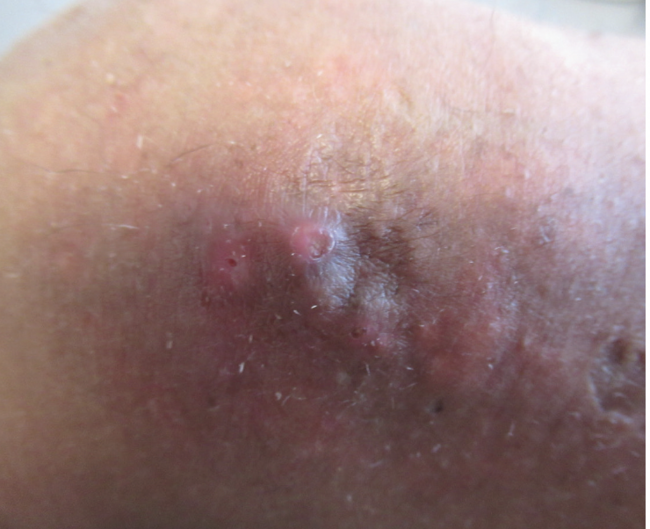
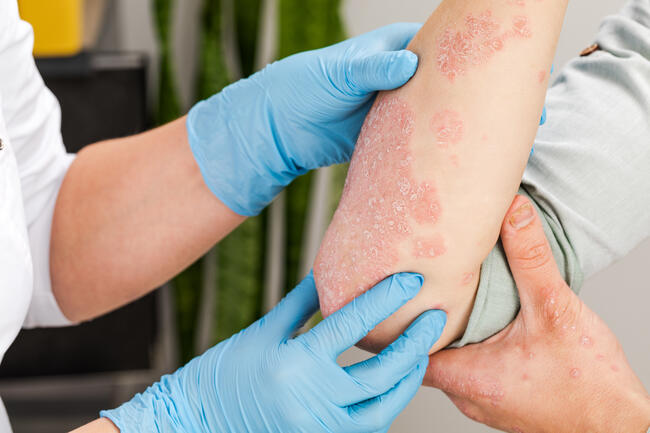
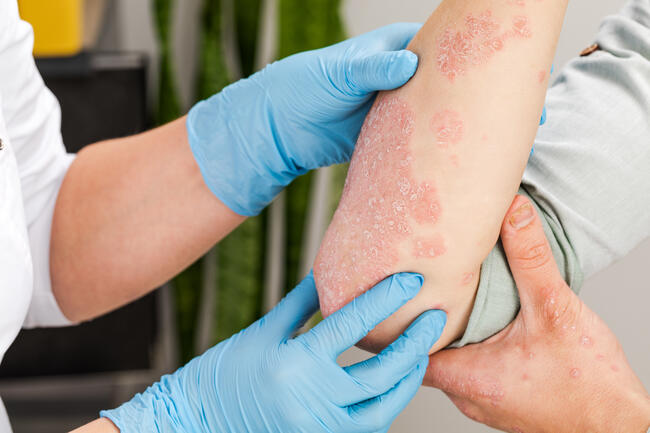
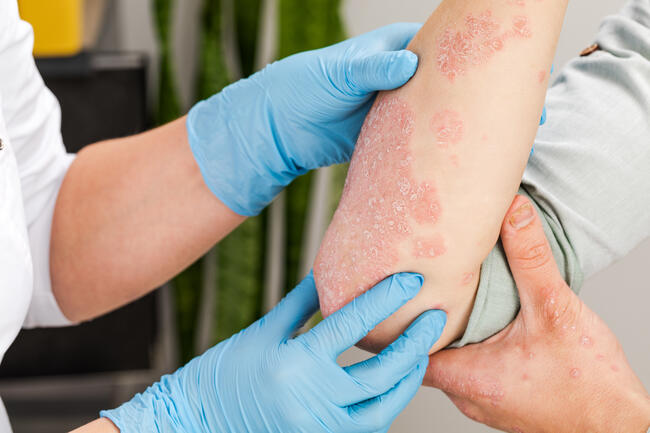
Research highlights and trends in treating psoriasis, including new AAD guidelines for topical and systemic therapies.
___________________________
Long-Term Data Finds Golimumab every 4 weeks Significantly Improves Arthritis and Lesions in Psoriatic Arthritis Patients
Long-term data on patients receiving golimumab (Simponi) at doses of 50 mg or 100 mg every 4 weeks showed significant improvements in the arthritis and skin manifestations of their psoriatic arthritis (PsA), with results sustained through 104 weeks. The data presented at the 2009 European League Against Rheumatism (EULAR) Annual Congress, also showed that both doses of the Centocor drug produced decreased disease activity and significant improvements in physical function. TWO Studies The new data were based on an open-labeled, uncontrolled extension of two randomized, placebo-controlled Phase III studies in which subcutaneous (SC) injections of Simponi 50 mg or 100 mg every 4 weeks provided persistent improvements in the signs and symptoms in patients with PsA and ankylosing spondylitis (AS). GO-REVEAL Study In the Golimumab — A Randomized EValuation of Safety and Efficacy in Subjects with Psoriatic Arthritis Using a Human Anti-TNF MonocLonal Antibody (GO-REVEAL) study, patients with active PsA were randomized to placebo (n=113), Simponi 50 mg (n=146) or Simponi 100 mg (n=146). Of the 405 patients originally randomized in the Phase III study, a 2-year observational analysis of 276 patients remaining in the study and evaluated at 2 years was performed. Sixty-four of 70 patients who received Simponi 50 mg and 95 of 130 patients who received Simponi 100 mg achieved ACR (American College of Rheumatology guidelines) 20, respectively. Forty-three of 76 patients receiving Simponi 50 mg who switched to Simponi 100 mg in early escape also achieved ACR 20. At least 50% improvement in arthritis signs and symptoms (ACR 50) was seen in 47 of 70 patients receiving Simponi 50 mg and 70 of 130 patients receiving Simponi 100 mg, respectively, while 70% improvement (ACR 70) was seen in 31 of 70 patients and 48 of 130 patients in the Simponi 50 mg and 100 mg dose groups, respectively. In a similar analysis, Simponi-treated patients also experienced sustained improvements in skin manifestations of PsA through 2 years. Patients with greater than 3% body surface area (BSA) psoriasis skin involvement at baseline (n=296) were evaluated for Psoriatic Area and Severity Index (PASI) responses. Of the 296 patients who had at least 3% BSA involved with skin symptoms of PsA, 200 were evaluated at 2 years. PASI 75 was also observed in 33 of 48 patients receiving Simponi 50 mg who did not change dose and 73 of 96 patients receiving Simponi 100 mg. Thirty-five of 56 patients receiving Simponi 50 mg who switched to Simponi 100 mg in early escape also achieved PASI 75. GO-RAISE Study In the open-label, uncontrolled extension of the Golimumab - A Randomized Study in Ankylosing Spondylitis Subjects of a Novel Anti-TNF mAB Injection (SC) Given Every Four Weeks (GO-RAISE) study, patients receiving every-4-week subcutaneous treatment with Simponi experienced sustained improvements in the signs and symptoms of AS. As in the GO-REVEAL study, the GO-RAISE findings were based on observed data only, in patients who were followed through 2 years. Of the 356 patients originally randomized, 286 were evaluated at 2 years. Improvements in the Assessment in Ankylosing Spondylitis criteria (ASAS 20) were maintained through 2 years in each of the study arms, which included: 24 of 31 patients switched to Simponi 50 mg from placebo at week 16 and 28 of 31 switched at week 24; 77 of 90 patients receiving 50 mg Simponi only, 7 of 16 patient receiving 50 mg to 100 mg of Simponi and 91 of 118 patients receiving 100 mg combined. In similar analyses from the GO-RAISE study, investigators also reported that study patients receiving Simponi showed sustained improvements in spinal and hip mobility through 2 years as measured by the Bath Ankylosing Spondylitis Metrology Index. Improvements in Mental Component Summary and Physical Component Summary Short Form-36 questionnaire scores were also maintained through 2 years. ___________________________
Impact of Psoriasis and Treatment Analyzed
Data from the 2008 Psoriasis Patient Study from Consumer Health Sciences demonstrate the significant impact that psoriasis, its diagnosis and its treatment have on patient psychological functioning and quality of life. The data further showed depression and anxiety, increased work productivity loss and increased rates of absenteeism and disability were associated with greater disease severity. The results were based on an analysis of 1,006 psoriasis patients from the 2008 Psoriasis Patient Study. Respondents were at least 18 years old and stratified based on age, gender and disease severity. Psychological functioning and quality of life were evaluated via the Skindex-16, the Dermatology Quality of Life Index and the Work Productivity and Activity Impairment scale. Additionally, patients also reported co-morbid conditions, disease severity, demographics, disease history and measures related to their physician visits and treatment history. ___________________________
Interim Study Finds Clobex Spray Followed by Vectical Ointment Effective in Plaque Psoriasis
An interim study indicates that sequential treatment of plaque psoriasis with clobetasol propionate (Clobex Spray) followed by calcitriol ointment 3 mcg/g (Vectical Ointment) is effective in managing plaque psoriasis over a 12-week period. A Galderma press release described the study and its purpose as follow: “The treatment regimen consisting of Clobex Spray, which provides initial clearing of psoriasis, followed by Vectical Ointment, which offers sustained efficacy and safety in treating the disease, may provide patients and physicians a much needed solution for achieving long-term control of this debilitating condition.” While both Clobex Spray and Vectical Ointment are indicated for the treatment of plaque psoriasis, this study, which was presented as a poster at the 2009 Annual American Academy of Dermatology meeting in March was conducted to confirm the safety and efficacy of these products when used in a sequential regimen. In this study, Clobex Spray was used in the initial phase to treat moderate to severe plaque psoriasis. Study Design and Results For subjects sufficiently clear at the end of 4 weeks, Vectical Ointment was applied twice-daily for 8 weeks. Success was evaluated at week 12 based on Overall Disease Severity scores. The interim results indicate that sequential treatment of plaque psoriasis with Clobex Spray followed by Vectical Ointment is effective in managing plaque psoriasis over a 12-week period. Additionally, the interim results demonstrate that this sequential treatment regimen was well tolerated, with the most commonly reported side effects including mild to moderate pruritus, stinging and burning and telangectasias. ___________________________
Study Finds Two-Compound Ointment Improves Nail Psoriasis
An open label study of 25 psoriatic patients with nail involvement and mild cutaneous psoriasis evaluated the efficacy of a two-compound product of calcipotriol plus betamethasone dipropionate ointment on nail psoriasis. Study Design Patients were instructed to apply a calcipotriol-betamethasone valerate ointment formulation once daily for 12 weeks on affected nails. Outcome measures were assessed at baseline and at weeks 4, 8 and 12 using the nail psoriasis severity index (NAPSI). Results and Conclusion Twenty-two patients representing 114 nails involved at baseline with a mean NAPSI of 5.8 ± 1.7 were followed for 12 weeks. The mean NAPSI at the end of the treatment period was reduced to 1.6 ± 0.6, representing a 72% improvement. Significant improvement was observed for hyperkeratosis and onycholysis (reduction of mean hyperkeratosis NAPSI from 2.2 ± 0.5 to 0.5 ± 0.1 and mean onycholysis NAPSI from 2.0 ± 0.6 to 0.4 ± 0.2), moderate improvement for oil drops (reduction of mean oil drop NAPSI from 1.2 ± 0.4 to 0.8 ± 0.3) and slight improvement for pitting (reduction of mean pitting NAPSI from 0.8 ± 0.2 to 0.6 ± 0.2). Investigators concluded that the calcipotriol plus betamethasone dipropionate two-compound ointment, applied once daily for 12 weeks, was shown to improve nail psoriasis. Rigopoulosa D S. Gregorioua, C.R. Daniel, IIIc, H. Belyayevaa, G. Lariosa, P. Verraa, C. Stamoua, G. Kontochristopoulosb, G. Avgerinoua, A. Katsambasa. Treatment of nail psoriasis with a two-compound formulation of calcipotriol plus betamethasone dipropionate ointment. Dermatology. 2009;218:338-341. ___________________________
An Unconventional Approach to Treatment
A California dermatologist describes her treatment approach, which varies depending upon location, and combines conventional treatments with a curcumin-based topical gel she developed. A Clinical Professor of Medicine/Dermatology at UCLA School of Medicine believes she has found a magic bullet of sorts for psoriasis. Madalene Heng, MD, FRACP, FACD, FAAD, created a product called Psoria-Gold, which is formulated with curcumin, the active ingredient in the spice turmeric. Her treatment plan, outlined below, combines traditional topical agents with the curcumin gel as well as oral antibiotics such as Keflex, if applicable, for bacterial superinfection, and/or Diflucan 200 for scalp and flexural lesions. PATHOGENESIS OF PSORIASIS Dr. Heng believes psoriasis is inherited, caused by a defective gene mapped to the distal end of the 17th chromosome, but that it does not develop unless it is precipitated by injurious factors that trigger allergic reactions and infection. The “injury cascade that results in wound healing,” she says, is a trigger that consists of activation of phosphorylase kinase through secretion of Type I cyclic AMP protein kinase (switch-on mechanism). This, she adds, results in generation of T lymphocytes, new blood vessels, scar tissue and scaling, signifying wound healing. “After the wound is healed, the secretion of Type II cyclic AMP protein kinase de-activates phosphorylase kinase (switch-off mechanism),” she explains. Citing a number of journal articles to support her theories about psoriasis etiology, Dr. Heng maintains that in psoriatic individuals, the switch-off mechanism for phosphorylase kinase is defective due to a defective Type II cyclic AMP protein kinase linked to a defective gene on the distal end of the 17th chromosome. 1,2, 3 Dr. Heng cites her own articles in the British Journal of Dermatology to support her claims about her curcumin gel. “The failure to switch-off phosphorylase kinase triggered by injury results in high levels of phosphorylase kinase in psoriatic epidermis.4 The increased phosphorylase kinase activity results in generation of large numbers of Ki-67+ cells, the proliferation of which results in psoriasis. Suppression of phosphorylase kinase activity by curcumin gel results in resolution of psoriasis.”5 TREATMENT Dr. Heng’s treatment starts with eliminating the precipitating or aggravating factors mentioned above, for example, avoiding lactose-containing foods, contact with the sources of nickel, latex, trivalent chromates (in black leather) or trichromates. When the suspected source is a bacterial superinfection, treatment starts with a form of oral antibiotics. However, because the bacteria within the porous psoriatic scales are not killed by the oral Keflex alone, she says, they also need a topical treatment, a 5-minute soak a bleach bath in a concentration similar to that of a swimming pool (1/4 cup of bleach to a half-filled full bath tub), followed by a shower with soap and water, including use of a shampoo that does not contain a conditioner. Oral Treatment Oral treatment prescribed by Dr. Heng includes Keflex or another appropriate antibiotic for the bacterial superinfection until it clears (usually in 4 months, but somewhat longer for palms and soles). If skin cultures are positive for MRSA infection, other appropriate antibiotics may be necessary. She prescribes Diflucan 200 mg once a week for psoriasis on the scalp and flexural areas until clear (usually 4 months for the scalp, about 2 months or more for groin and axilla). She also finds 60 mg daily of zinc helpful for restoring zinc depleted by psoriasis and lactose intolerance. Topical Treatment Topical treatment is typically followed by application of the curcumin gel after a bath as described below. During the day, she prescribed a mixture of steroid and antifungal creams. For the face and flexural areas, she prescribes ketoconazole cream 2% mixed with triamcinolone cream 0.1% once or twice a day (morning and noon). For trunk and limbs, hands and feet, the ketoconazole cream 2% should be combined with clobetasol cream 0.05% morning and noon. For the hands, the creams are replaced after hand-washing. Scalp treatment involves clobetasol solution 0.05% in the mornings, massaging between the hair roots after parting the hair. The patient may use tar shampoo or ketoconazole shampoo 2% at night after a chlorox bath, after which curcumin gel is applied after drying the hair. Curcumin Application Method Curcumin gel/Psoria-Gold is used every night after the bath/shower using this method: Psoriatic scales are first soaked with rubbing alcohol until they no longer appear white. The alcohol soaks into the scale and displaces the air bubbles, which prevent the curcumin gel from being absorbed through the psoriatic scale. The curcumin gel is massaged into the wet alcohol. Dr. Heng is emphatic about the second step, “Do not allow the alcohol to dry out before massaging in the curcumin gel, or the air bubbles will reform and prevent the penetration of curcumin gel through the scales.” RESOLUTION Dr. Heng claims results generally superior to traditional methods. “My patients usually are 65% to 70% improved in 4 weeks, 85% improved in 8 weeks, 95% in 3 months and almost totally clear in 4 months,” she says, adding “The palms and soles take longer because they have 200 layers of stratum corneum instead of 10 layers of stratum corneum to replace. It takes 60 days to replace the first layer of stratum corneum.” It also takes about 4 months for curcumin gel to decrease the proliferating cells (Ki-67+ cells) that cause the skin to become psoriatic. At this point, the skin returns to its normal appearance without scaling and redness, she says. Tapering off of Treatment When the skin returns to normal, the steroid creams may be slowly withdrawn by using daily applications, then one application every other day, once in 2 days, then once in 3 days and so on. When the patient is using only one application of clobetasol every 2 to 3 weeks without recurrence of the disease, Dr. Heng says, the curcumin gel can be withdrawn using the same method. “The steroid creams tend to have the disadvantage of causing recurrence of psoriasis when treatment is stopped. This is because steroid creams do not suppress phosphorylase kinase activity. Curcumin gel, on the other hand, is a phosphorylase kinase inhibitor. Consequently, there is no rebound phenomenon after treatment is stopped. The only exceptions are: (1) treatment is stopped too soon (i.e. before the Ki-67+ cells are decreased to normal values); and (2) the patient is re-exposed to his/her precipitating factors and infection.” Dr. Heng says patients must continue to avoid precipitating/aggravating factors. “If your patients use the protocol correctly and treat until the Ki-67+ cells are normalized, the disease does not recur after the treatment is tapered off. References 1. Tomfohrde J et al. Gene for familial psoriasis susceptibility mapped to the distal end of human chromosome 17q. Science. 1994;264:1141-1145. 2. Tournier S et al. Retinoylation of the type II cAMP-binding regulatory subunit of cAMP-dependent protein kinase is increased in psoriatic human fibroblasts. J Cell Physiol. 1996;167:196-203; 3. Sozzi G et al. A t(10;17) translocation creates the RET/PTC2 chimeric transforming sequence in papillary thyroid carcinoma.Genes Chromosomes Cancer. 1994;9:244-250). 4. Heng MC, Song MK, Heng MK. Elevated phosphorylase kinase activity in psoriatic epidermis: correlation with increased phosphorylation and psoriatic activity. Br J Dermatol. 1994;130:298-306. 5. Heng MCY et al. Drug-induced suppression of phosphorylase kinase activity correlates with resolution of psoriasis as assessed by clinical, histological and immunohistochemical parameters. Br J Dermatol. 2000;143:937-949. ___________________________
AAD Releases New Guidelines for Topical and Systemic Therapies for Treating Psoriasis
The American Academy of Dermatology (AAD) recently released new guidelines of care for the management and treatment of psoriasis. Those dealing specifically with topical therapies were released in March. Guidelines on systemic (non-biologic) therapies were released in June. Guidelines are based on an extensive review of scientific literature and include the recommendations of recognized psoriasis experts. Guidelines for TOPICAL TREATMENT General Guidelines According to these guidelines, topical therapies can be used safely and effectively in the majority of patients with mild to moderate psoriasis. However, topical therapies should not be used exclusively without other complementary treatments in more severe or difficult cases. Method of Application Guidelines note that the choice of the therapy’s vehicle — ointments, creams, solutions, gels, foams, tape, sprays, shampoos, oils and lotions — can significantly alter the use and penetration of the medication and, as a result, alter its effectiveness. However, although different vehicles are indicated for different sites, the optimal choice should be based on the vehicle the individual patient is most likely to use on a regular basis. Use of Concurrent Therapies In some cases, topical medications can be used concurrently to take advantage of varied mechanisms of action. When this is the case, patients may be instructed to apply the various medications at separate times throughout the day, and physicians also need to be aware of compatibility issues among the prescribed medications. Length of Use It is generally recommended that more potent agents be used on a short-term basis to allow for clearing of psoriasis, after which patients should be instructed to use these agents intermittently for long-term management, a strategy that may pose less risk of side effects than continuous treatment. However, patients who require continuous topical treatment should be instructed to use the least potent agent that can adequately control the condition or be transitioned to a topical agent that is associated with the lowest long-term risk. Application Amount The experts recommend the “fingertip unit” (about 500 mg). Guidelines also include recommendations for the number of units needed to cover affected areas. Other Topical Treatments The guidelines also outline other topical treatments, such as non-medicated topical moisturizers, salicylic acid, anthralin, coal tar and various combination therapies, as adjunctive therapies that could, in some cases, enhance other topical treatments. Guidelines for SYSTEMIC NON-BIOLOGICS AAD Guidelines pertaining to systemic (non-biologic) medications focused on the safe and efficacious use of the three most commonly used FDA-approved traditional systemic agents: methotrexate, cyclosporine and acitretin. While systemic therapies have traditionally been reserved for patients whose psoriasis covers at least 10% of their body surface, a subset of patients with limited psoriasis have debilitating symptoms on their palms, soles or scalp that can significantly impact their quality of life — making systemic treatments a good option. Methotrexate As the most commonly prescribed traditional systemic therapy for psoriasis, methotrexate can be very effective with even the most severe cases of psoriasis. Dosage — It is generally administered as a single weekly oral dose that can be increased gradually until an optimal response is achieved; weekly dosages usually range from 7.5 mg to 25 mg. Toxicities & Contraindications — Since methotrexate can cause birth defects or terminate a pregnancy, it is not prescribed to women attempting to conceive. It is also not appropriate for nursing mothers, alcoholics, those with chronic liver disease and immunodeficiency syndromes, among others. Cyclosporine Cyclosporine is one of the most effective treatments for psoriasis and induces immunosuppression by inhibiting the first phase of T-cell activation. Dosage — Generally, dosing of cyclosporine is given as 2.5 mg/kg to 5.0 mg/kg a day in two divided doses, and physicians should make decreased dose adjustments by 0.5 mg/kg to 1.0 mg/kg when psoriasis is cleared or when high blood pressure or decreased kidney function test results are observed. Toxicities & Contraindications — Due to its serious side effects, which include kidney damage and high blood pressure, cyclosporine is generally prescribed to adult, non-immunocompromised patients with severe psoriasis who have not responded to at least one systemic therapy or in patients who cannot tolerate other systemic medications. As a number of drug interactions can also occur, the FDA advises that it should be used during pregnancy only if the potential benefit justifies the potential risk to the fetus. Acitretin Acitretin is an oral retinoid derived from vitamin A. Although the exact way retinoids work in the treatment of psoriasis is not completely understood, they are known to inhibit excessive cell growth and stimulate differentiation of the epidermis. Efficacy & Dosage — Clinical studies suggest that when used alone, acitretin is the least effective of the traditional systemic therapies and is therefore often used in conjunction with ultraviolet (UV) light. The effectiveness of acitretin is dose-dependent, with dosing ranging from 10 mg to 50 mg per day administered as a single dose. Toxicities & Contraindications—Adverse effects associated with acitretin include alopecia, nausea and abdominal pain, and joint and muscle pain; most serious is its potential to cause birth defects. Therefore, its use is limited to male and female patients of non-childbearing potential. In addition, other increased risks include severely impaired liver or kidney function and chronic, abnormally elevated blood lipid values. For this reason, patients should be monitored with lipid profiles and liver enzymes once every 2 weeks after starting acitretin.
Research highlights and trends in treating psoriasis, including new AAD guidelines for topical and systemic therapies.
___________________________
Long-Term Data Finds Golimumab every 4 weeks Significantly Improves Arthritis and Lesions in Psoriatic Arthritis Patients
Long-term data on patients receiving golimumab (Simponi) at doses of 50 mg or 100 mg every 4 weeks showed significant improvements in the arthritis and skin manifestations of their psoriatic arthritis (PsA), with results sustained through 104 weeks. The data presented at the 2009 European League Against Rheumatism (EULAR) Annual Congress, also showed that both doses of the Centocor drug produced decreased disease activity and significant improvements in physical function. TWO Studies The new data were based on an open-labeled, uncontrolled extension of two randomized, placebo-controlled Phase III studies in which subcutaneous (SC) injections of Simponi 50 mg or 100 mg every 4 weeks provided persistent improvements in the signs and symptoms in patients with PsA and ankylosing spondylitis (AS). GO-REVEAL Study In the Golimumab — A Randomized EValuation of Safety and Efficacy in Subjects with Psoriatic Arthritis Using a Human Anti-TNF MonocLonal Antibody (GO-REVEAL) study, patients with active PsA were randomized to placebo (n=113), Simponi 50 mg (n=146) or Simponi 100 mg (n=146). Of the 405 patients originally randomized in the Phase III study, a 2-year observational analysis of 276 patients remaining in the study and evaluated at 2 years was performed. Sixty-four of 70 patients who received Simponi 50 mg and 95 of 130 patients who received Simponi 100 mg achieved ACR (American College of Rheumatology guidelines) 20, respectively. Forty-three of 76 patients receiving Simponi 50 mg who switched to Simponi 100 mg in early escape also achieved ACR 20. At least 50% improvement in arthritis signs and symptoms (ACR 50) was seen in 47 of 70 patients receiving Simponi 50 mg and 70 of 130 patients receiving Simponi 100 mg, respectively, while 70% improvement (ACR 70) was seen in 31 of 70 patients and 48 of 130 patients in the Simponi 50 mg and 100 mg dose groups, respectively. In a similar analysis, Simponi-treated patients also experienced sustained improvements in skin manifestations of PsA through 2 years. Patients with greater than 3% body surface area (BSA) psoriasis skin involvement at baseline (n=296) were evaluated for Psoriatic Area and Severity Index (PASI) responses. Of the 296 patients who had at least 3% BSA involved with skin symptoms of PsA, 200 were evaluated at 2 years. PASI 75 was also observed in 33 of 48 patients receiving Simponi 50 mg who did not change dose and 73 of 96 patients receiving Simponi 100 mg. Thirty-five of 56 patients receiving Simponi 50 mg who switched to Simponi 100 mg in early escape also achieved PASI 75. GO-RAISE Study In the open-label, uncontrolled extension of the Golimumab - A Randomized Study in Ankylosing Spondylitis Subjects of a Novel Anti-TNF mAB Injection (SC) Given Every Four Weeks (GO-RAISE) study, patients receiving every-4-week subcutaneous treatment with Simponi experienced sustained improvements in the signs and symptoms of AS. As in the GO-REVEAL study, the GO-RAISE findings were based on observed data only, in patients who were followed through 2 years. Of the 356 patients originally randomized, 286 were evaluated at 2 years. Improvements in the Assessment in Ankylosing Spondylitis criteria (ASAS 20) were maintained through 2 years in each of the study arms, which included: 24 of 31 patients switched to Simponi 50 mg from placebo at week 16 and 28 of 31 switched at week 24; 77 of 90 patients receiving 50 mg Simponi only, 7 of 16 patient receiving 50 mg to 100 mg of Simponi and 91 of 118 patients receiving 100 mg combined. In similar analyses from the GO-RAISE study, investigators also reported that study patients receiving Simponi showed sustained improvements in spinal and hip mobility through 2 years as measured by the Bath Ankylosing Spondylitis Metrology Index. Improvements in Mental Component Summary and Physical Component Summary Short Form-36 questionnaire scores were also maintained through 2 years. ___________________________
Impact of Psoriasis and Treatment Analyzed
Data from the 2008 Psoriasis Patient Study from Consumer Health Sciences demonstrate the significant impact that psoriasis, its diagnosis and its treatment have on patient psychological functioning and quality of life. The data further showed depression and anxiety, increased work productivity loss and increased rates of absenteeism and disability were associated with greater disease severity. The results were based on an analysis of 1,006 psoriasis patients from the 2008 Psoriasis Patient Study. Respondents were at least 18 years old and stratified based on age, gender and disease severity. Psychological functioning and quality of life were evaluated via the Skindex-16, the Dermatology Quality of Life Index and the Work Productivity and Activity Impairment scale. Additionally, patients also reported co-morbid conditions, disease severity, demographics, disease history and measures related to their physician visits and treatment history. ___________________________
Interim Study Finds Clobex Spray Followed by Vectical Ointment Effective in Plaque Psoriasis
An interim study indicates that sequential treatment of plaque psoriasis with clobetasol propionate (Clobex Spray) followed by calcitriol ointment 3 mcg/g (Vectical Ointment) is effective in managing plaque psoriasis over a 12-week period. A Galderma press release described the study and its purpose as follow: “The treatment regimen consisting of Clobex Spray, which provides initial clearing of psoriasis, followed by Vectical Ointment, which offers sustained efficacy and safety in treating the disease, may provide patients and physicians a much needed solution for achieving long-term control of this debilitating condition.” While both Clobex Spray and Vectical Ointment are indicated for the treatment of plaque psoriasis, this study, which was presented as a poster at the 2009 Annual American Academy of Dermatology meeting in March was conducted to confirm the safety and efficacy of these products when used in a sequential regimen. In this study, Clobex Spray was used in the initial phase to treat moderate to severe plaque psoriasis. Study Design and Results For subjects sufficiently clear at the end of 4 weeks, Vectical Ointment was applied twice-daily for 8 weeks. Success was evaluated at week 12 based on Overall Disease Severity scores. The interim results indicate that sequential treatment of plaque psoriasis with Clobex Spray followed by Vectical Ointment is effective in managing plaque psoriasis over a 12-week period. Additionally, the interim results demonstrate that this sequential treatment regimen was well tolerated, with the most commonly reported side effects including mild to moderate pruritus, stinging and burning and telangectasias. ___________________________
Study Finds Two-Compound Ointment Improves Nail Psoriasis
An open label study of 25 psoriatic patients with nail involvement and mild cutaneous psoriasis evaluated the efficacy of a two-compound product of calcipotriol plus betamethasone dipropionate ointment on nail psoriasis. Study Design Patients were instructed to apply a calcipotriol-betamethasone valerate ointment formulation once daily for 12 weeks on affected nails. Outcome measures were assessed at baseline and at weeks 4, 8 and 12 using the nail psoriasis severity index (NAPSI). Results and Conclusion Twenty-two patients representing 114 nails involved at baseline with a mean NAPSI of 5.8 ± 1.7 were followed for 12 weeks. The mean NAPSI at the end of the treatment period was reduced to 1.6 ± 0.6, representing a 72% improvement. Significant improvement was observed for hyperkeratosis and onycholysis (reduction of mean hyperkeratosis NAPSI from 2.2 ± 0.5 to 0.5 ± 0.1 and mean onycholysis NAPSI from 2.0 ± 0.6 to 0.4 ± 0.2), moderate improvement for oil drops (reduction of mean oil drop NAPSI from 1.2 ± 0.4 to 0.8 ± 0.3) and slight improvement for pitting (reduction of mean pitting NAPSI from 0.8 ± 0.2 to 0.6 ± 0.2). Investigators concluded that the calcipotriol plus betamethasone dipropionate two-compound ointment, applied once daily for 12 weeks, was shown to improve nail psoriasis. Rigopoulosa D S. Gregorioua, C.R. Daniel, IIIc, H. Belyayevaa, G. Lariosa, P. Verraa, C. Stamoua, G. Kontochristopoulosb, G. Avgerinoua, A. Katsambasa. Treatment of nail psoriasis with a two-compound formulation of calcipotriol plus betamethasone dipropionate ointment. Dermatology. 2009;218:338-341. ___________________________
An Unconventional Approach to Treatment
A California dermatologist describes her treatment approach, which varies depending upon location, and combines conventional treatments with a curcumin-based topical gel she developed. A Clinical Professor of Medicine/Dermatology at UCLA School of Medicine believes she has found a magic bullet of sorts for psoriasis. Madalene Heng, MD, FRACP, FACD, FAAD, created a product called Psoria-Gold, which is formulated with curcumin, the active ingredient in the spice turmeric. Her treatment plan, outlined below, combines traditional topical agents with the curcumin gel as well as oral antibiotics such as Keflex, if applicable, for bacterial superinfection, and/or Diflucan 200 for scalp and flexural lesions. PATHOGENESIS OF PSORIASIS Dr. Heng believes psoriasis is inherited, caused by a defective gene mapped to the distal end of the 17th chromosome, but that it does not develop unless it is precipitated by injurious factors that trigger allergic reactions and infection. The “injury cascade that results in wound healing,” she says, is a trigger that consists of activation of phosphorylase kinase through secretion of Type I cyclic AMP protein kinase (switch-on mechanism). This, she adds, results in generation of T lymphocytes, new blood vessels, scar tissue and scaling, signifying wound healing. “After the wound is healed, the secretion of Type II cyclic AMP protein kinase de-activates phosphorylase kinase (switch-off mechanism),” she explains. Citing a number of journal articles to support her theories about psoriasis etiology, Dr. Heng maintains that in psoriatic individuals, the switch-off mechanism for phosphorylase kinase is defective due to a defective Type II cyclic AMP protein kinase linked to a defective gene on the distal end of the 17th chromosome. 1,2, 3 Dr. Heng cites her own articles in the British Journal of Dermatology to support her claims about her curcumin gel. “The failure to switch-off phosphorylase kinase triggered by injury results in high levels of phosphorylase kinase in psoriatic epidermis.4 The increased phosphorylase kinase activity results in generation of large numbers of Ki-67+ cells, the proliferation of which results in psoriasis. Suppression of phosphorylase kinase activity by curcumin gel results in resolution of psoriasis.”5 TREATMENT Dr. Heng’s treatment starts with eliminating the precipitating or aggravating factors mentioned above, for example, avoiding lactose-containing foods, contact with the sources of nickel, latex, trivalent chromates (in black leather) or trichromates. When the suspected source is a bacterial superinfection, treatment starts with a form of oral antibiotics. However, because the bacteria within the porous psoriatic scales are not killed by the oral Keflex alone, she says, they also need a topical treatment, a 5-minute soak a bleach bath in a concentration similar to that of a swimming pool (1/4 cup of bleach to a half-filled full bath tub), followed by a shower with soap and water, including use of a shampoo that does not contain a conditioner. Oral Treatment Oral treatment prescribed by Dr. Heng includes Keflex or another appropriate antibiotic for the bacterial superinfection until it clears (usually in 4 months, but somewhat longer for palms and soles). If skin cultures are positive for MRSA infection, other appropriate antibiotics may be necessary. She prescribes Diflucan 200 mg once a week for psoriasis on the scalp and flexural areas until clear (usually 4 months for the scalp, about 2 months or more for groin and axilla). She also finds 60 mg daily of zinc helpful for restoring zinc depleted by psoriasis and lactose intolerance. Topical Treatment Topical treatment is typically followed by application of the curcumin gel after a bath as described below. During the day, she prescribed a mixture of steroid and antifungal creams. For the face and flexural areas, she prescribes ketoconazole cream 2% mixed with triamcinolone cream 0.1% once or twice a day (morning and noon). For trunk and limbs, hands and feet, the ketoconazole cream 2% should be combined with clobetasol cream 0.05% morning and noon. For the hands, the creams are replaced after hand-washing. Scalp treatment involves clobetasol solution 0.05% in the mornings, massaging between the hair roots after parting the hair. The patient may use tar shampoo or ketoconazole shampoo 2% at night after a chlorox bath, after which curcumin gel is applied after drying the hair. Curcumin Application Method Curcumin gel/Psoria-Gold is used every night after the bath/shower using this method: Psoriatic scales are first soaked with rubbing alcohol until they no longer appear white. The alcohol soaks into the scale and displaces the air bubbles, which prevent the curcumin gel from being absorbed through the psoriatic scale. The curcumin gel is massaged into the wet alcohol. Dr. Heng is emphatic about the second step, “Do not allow the alcohol to dry out before massaging in the curcumin gel, or the air bubbles will reform and prevent the penetration of curcumin gel through the scales.” RESOLUTION Dr. Heng claims results generally superior to traditional methods. “My patients usually are 65% to 70% improved in 4 weeks, 85% improved in 8 weeks, 95% in 3 months and almost totally clear in 4 months,” she says, adding “The palms and soles take longer because they have 200 layers of stratum corneum instead of 10 layers of stratum corneum to replace. It takes 60 days to replace the first layer of stratum corneum.” It also takes about 4 months for curcumin gel to decrease the proliferating cells (Ki-67+ cells) that cause the skin to become psoriatic. At this point, the skin returns to its normal appearance without scaling and redness, she says. Tapering off of Treatment When the skin returns to normal, the steroid creams may be slowly withdrawn by using daily applications, then one application every other day, once in 2 days, then once in 3 days and so on. When the patient is using only one application of clobetasol every 2 to 3 weeks without recurrence of the disease, Dr. Heng says, the curcumin gel can be withdrawn using the same method. “The steroid creams tend to have the disadvantage of causing recurrence of psoriasis when treatment is stopped. This is because steroid creams do not suppress phosphorylase kinase activity. Curcumin gel, on the other hand, is a phosphorylase kinase inhibitor. Consequently, there is no rebound phenomenon after treatment is stopped. The only exceptions are: (1) treatment is stopped too soon (i.e. before the Ki-67+ cells are decreased to normal values); and (2) the patient is re-exposed to his/her precipitating factors and infection.” Dr. Heng says patients must continue to avoid precipitating/aggravating factors. “If your patients use the protocol correctly and treat until the Ki-67+ cells are normalized, the disease does not recur after the treatment is tapered off. References 1. Tomfohrde J et al. Gene for familial psoriasis susceptibility mapped to the distal end of human chromosome 17q. Science. 1994;264:1141-1145. 2. Tournier S et al. Retinoylation of the type II cAMP-binding regulatory subunit of cAMP-dependent protein kinase is increased in psoriatic human fibroblasts. J Cell Physiol. 1996;167:196-203; 3. Sozzi G et al. A t(10;17) translocation creates the RET/PTC2 chimeric transforming sequence in papillary thyroid carcinoma.Genes Chromosomes Cancer. 1994;9:244-250). 4. Heng MC, Song MK, Heng MK. Elevated phosphorylase kinase activity in psoriatic epidermis: correlation with increased phosphorylation and psoriatic activity. Br J Dermatol. 1994;130:298-306. 5. Heng MCY et al. Drug-induced suppression of phosphorylase kinase activity correlates with resolution of psoriasis as assessed by clinical, histological and immunohistochemical parameters. Br J Dermatol. 2000;143:937-949. ___________________________
AAD Releases New Guidelines for Topical and Systemic Therapies for Treating Psoriasis
The American Academy of Dermatology (AAD) recently released new guidelines of care for the management and treatment of psoriasis. Those dealing specifically with topical therapies were released in March. Guidelines on systemic (non-biologic) therapies were released in June. Guidelines are based on an extensive review of scientific literature and include the recommendations of recognized psoriasis experts. Guidelines for TOPICAL TREATMENT General Guidelines According to these guidelines, topical therapies can be used safely and effectively in the majority of patients with mild to moderate psoriasis. However, topical therapies should not be used exclusively without other complementary treatments in more severe or difficult cases. Method of Application Guidelines note that the choice of the therapy’s vehicle — ointments, creams, solutions, gels, foams, tape, sprays, shampoos, oils and lotions — can significantly alter the use and penetration of the medication and, as a result, alter its effectiveness. However, although different vehicles are indicated for different sites, the optimal choice should be based on the vehicle the individual patient is most likely to use on a regular basis. Use of Concurrent Therapies In some cases, topical medications can be used concurrently to take advantage of varied mechanisms of action. When this is the case, patients may be instructed to apply the various medications at separate times throughout the day, and physicians also need to be aware of compatibility issues among the prescribed medications. Length of Use It is generally recommended that more potent agents be used on a short-term basis to allow for clearing of psoriasis, after which patients should be instructed to use these agents intermittently for long-term management, a strategy that may pose less risk of side effects than continuous treatment. However, patients who require continuous topical treatment should be instructed to use the least potent agent that can adequately control the condition or be transitioned to a topical agent that is associated with the lowest long-term risk. Application Amount The experts recommend the “fingertip unit” (about 500 mg). Guidelines also include recommendations for the number of units needed to cover affected areas. Other Topical Treatments The guidelines also outline other topical treatments, such as non-medicated topical moisturizers, salicylic acid, anthralin, coal tar and various combination therapies, as adjunctive therapies that could, in some cases, enhance other topical treatments. Guidelines for SYSTEMIC NON-BIOLOGICS AAD Guidelines pertaining to systemic (non-biologic) medications focused on the safe and efficacious use of the three most commonly used FDA-approved traditional systemic agents: methotrexate, cyclosporine and acitretin. While systemic therapies have traditionally been reserved for patients whose psoriasis covers at least 10% of their body surface, a subset of patients with limited psoriasis have debilitating symptoms on their palms, soles or scalp that can significantly impact their quality of life — making systemic treatments a good option. Methotrexate As the most commonly prescribed traditional systemic therapy for psoriasis, methotrexate can be very effective with even the most severe cases of psoriasis. Dosage — It is generally administered as a single weekly oral dose that can be increased gradually until an optimal response is achieved; weekly dosages usually range from 7.5 mg to 25 mg. Toxicities & Contraindications — Since methotrexate can cause birth defects or terminate a pregnancy, it is not prescribed to women attempting to conceive. It is also not appropriate for nursing mothers, alcoholics, those with chronic liver disease and immunodeficiency syndromes, among others. Cyclosporine Cyclosporine is one of the most effective treatments for psoriasis and induces immunosuppression by inhibiting the first phase of T-cell activation. Dosage — Generally, dosing of cyclosporine is given as 2.5 mg/kg to 5.0 mg/kg a day in two divided doses, and physicians should make decreased dose adjustments by 0.5 mg/kg to 1.0 mg/kg when psoriasis is cleared or when high blood pressure or decreased kidney function test results are observed. Toxicities & Contraindications — Due to its serious side effects, which include kidney damage and high blood pressure, cyclosporine is generally prescribed to adult, non-immunocompromised patients with severe psoriasis who have not responded to at least one systemic therapy or in patients who cannot tolerate other systemic medications. As a number of drug interactions can also occur, the FDA advises that it should be used during pregnancy only if the potential benefit justifies the potential risk to the fetus. Acitretin Acitretin is an oral retinoid derived from vitamin A. Although the exact way retinoids work in the treatment of psoriasis is not completely understood, they are known to inhibit excessive cell growth and stimulate differentiation of the epidermis. Efficacy & Dosage — Clinical studies suggest that when used alone, acitretin is the least effective of the traditional systemic therapies and is therefore often used in conjunction with ultraviolet (UV) light. The effectiveness of acitretin is dose-dependent, with dosing ranging from 10 mg to 50 mg per day administered as a single dose. Toxicities & Contraindications—Adverse effects associated with acitretin include alopecia, nausea and abdominal pain, and joint and muscle pain; most serious is its potential to cause birth defects. Therefore, its use is limited to male and female patients of non-childbearing potential. In addition, other increased risks include severely impaired liver or kidney function and chronic, abnormally elevated blood lipid values. For this reason, patients should be monitored with lipid profiles and liver enzymes once every 2 weeks after starting acitretin.
Research highlights and trends in treating psoriasis, including new AAD guidelines for topical and systemic therapies.
___________________________
Long-Term Data Finds Golimumab every 4 weeks Significantly Improves Arthritis and Lesions in Psoriatic Arthritis Patients
Long-term data on patients receiving golimumab (Simponi) at doses of 50 mg or 100 mg every 4 weeks showed significant improvements in the arthritis and skin manifestations of their psoriatic arthritis (PsA), with results sustained through 104 weeks. The data presented at the 2009 European League Against Rheumatism (EULAR) Annual Congress, also showed that both doses of the Centocor drug produced decreased disease activity and significant improvements in physical function. TWO Studies The new data were based on an open-labeled, uncontrolled extension of two randomized, placebo-controlled Phase III studies in which subcutaneous (SC) injections of Simponi 50 mg or 100 mg every 4 weeks provided persistent improvements in the signs and symptoms in patients with PsA and ankylosing spondylitis (AS). GO-REVEAL Study In the Golimumab — A Randomized EValuation of Safety and Efficacy in Subjects with Psoriatic Arthritis Using a Human Anti-TNF MonocLonal Antibody (GO-REVEAL) study, patients with active PsA were randomized to placebo (n=113), Simponi 50 mg (n=146) or Simponi 100 mg (n=146). Of the 405 patients originally randomized in the Phase III study, a 2-year observational analysis of 276 patients remaining in the study and evaluated at 2 years was performed. Sixty-four of 70 patients who received Simponi 50 mg and 95 of 130 patients who received Simponi 100 mg achieved ACR (American College of Rheumatology guidelines) 20, respectively. Forty-three of 76 patients receiving Simponi 50 mg who switched to Simponi 100 mg in early escape also achieved ACR 20. At least 50% improvement in arthritis signs and symptoms (ACR 50) was seen in 47 of 70 patients receiving Simponi 50 mg and 70 of 130 patients receiving Simponi 100 mg, respectively, while 70% improvement (ACR 70) was seen in 31 of 70 patients and 48 of 130 patients in the Simponi 50 mg and 100 mg dose groups, respectively. In a similar analysis, Simponi-treated patients also experienced sustained improvements in skin manifestations of PsA through 2 years. Patients with greater than 3% body surface area (BSA) psoriasis skin involvement at baseline (n=296) were evaluated for Psoriatic Area and Severity Index (PASI) responses. Of the 296 patients who had at least 3% BSA involved with skin symptoms of PsA, 200 were evaluated at 2 years. PASI 75 was also observed in 33 of 48 patients receiving Simponi 50 mg who did not change dose and 73 of 96 patients receiving Simponi 100 mg. Thirty-five of 56 patients receiving Simponi 50 mg who switched to Simponi 100 mg in early escape also achieved PASI 75. GO-RAISE Study In the open-label, uncontrolled extension of the Golimumab - A Randomized Study in Ankylosing Spondylitis Subjects of a Novel Anti-TNF mAB Injection (SC) Given Every Four Weeks (GO-RAISE) study, patients receiving every-4-week subcutaneous treatment with Simponi experienced sustained improvements in the signs and symptoms of AS. As in the GO-REVEAL study, the GO-RAISE findings were based on observed data only, in patients who were followed through 2 years. Of the 356 patients originally randomized, 286 were evaluated at 2 years. Improvements in the Assessment in Ankylosing Spondylitis criteria (ASAS 20) were maintained through 2 years in each of the study arms, which included: 24 of 31 patients switched to Simponi 50 mg from placebo at week 16 and 28 of 31 switched at week 24; 77 of 90 patients receiving 50 mg Simponi only, 7 of 16 patient receiving 50 mg to 100 mg of Simponi and 91 of 118 patients receiving 100 mg combined. In similar analyses from the GO-RAISE study, investigators also reported that study patients receiving Simponi showed sustained improvements in spinal and hip mobility through 2 years as measured by the Bath Ankylosing Spondylitis Metrology Index. Improvements in Mental Component Summary and Physical Component Summary Short Form-36 questionnaire scores were also maintained through 2 years. ___________________________
Impact of Psoriasis and Treatment Analyzed
Data from the 2008 Psoriasis Patient Study from Consumer Health Sciences demonstrate the significant impact that psoriasis, its diagnosis and its treatment have on patient psychological functioning and quality of life. The data further showed depression and anxiety, increased work productivity loss and increased rates of absenteeism and disability were associated with greater disease severity. The results were based on an analysis of 1,006 psoriasis patients from the 2008 Psoriasis Patient Study. Respondents were at least 18 years old and stratified based on age, gender and disease severity. Psychological functioning and quality of life were evaluated via the Skindex-16, the Dermatology Quality of Life Index and the Work Productivity and Activity Impairment scale. Additionally, patients also reported co-morbid conditions, disease severity, demographics, disease history and measures related to their physician visits and treatment history. ___________________________
Interim Study Finds Clobex Spray Followed by Vectical Ointment Effective in Plaque Psoriasis
An interim study indicates that sequential treatment of plaque psoriasis with clobetasol propionate (Clobex Spray) followed by calcitriol ointment 3 mcg/g (Vectical Ointment) is effective in managing plaque psoriasis over a 12-week period. A Galderma press release described the study and its purpose as follow: “The treatment regimen consisting of Clobex Spray, which provides initial clearing of psoriasis, followed by Vectical Ointment, which offers sustained efficacy and safety in treating the disease, may provide patients and physicians a much needed solution for achieving long-term control of this debilitating condition.” While both Clobex Spray and Vectical Ointment are indicated for the treatment of plaque psoriasis, this study, which was presented as a poster at the 2009 Annual American Academy of Dermatology meeting in March was conducted to confirm the safety and efficacy of these products when used in a sequential regimen. In this study, Clobex Spray was used in the initial phase to treat moderate to severe plaque psoriasis. Study Design and Results For subjects sufficiently clear at the end of 4 weeks, Vectical Ointment was applied twice-daily for 8 weeks. Success was evaluated at week 12 based on Overall Disease Severity scores. The interim results indicate that sequential treatment of plaque psoriasis with Clobex Spray followed by Vectical Ointment is effective in managing plaque psoriasis over a 12-week period. Additionally, the interim results demonstrate that this sequential treatment regimen was well tolerated, with the most commonly reported side effects including mild to moderate pruritus, stinging and burning and telangectasias. ___________________________
Study Finds Two-Compound Ointment Improves Nail Psoriasis
An open label study of 25 psoriatic patients with nail involvement and mild cutaneous psoriasis evaluated the efficacy of a two-compound product of calcipotriol plus betamethasone dipropionate ointment on nail psoriasis. Study Design Patients were instructed to apply a calcipotriol-betamethasone valerate ointment formulation once daily for 12 weeks on affected nails. Outcome measures were assessed at baseline and at weeks 4, 8 and 12 using the nail psoriasis severity index (NAPSI). Results and Conclusion Twenty-two patients representing 114 nails involved at baseline with a mean NAPSI of 5.8 ± 1.7 were followed for 12 weeks. The mean NAPSI at the end of the treatment period was reduced to 1.6 ± 0.6, representing a 72% improvement. Significant improvement was observed for hyperkeratosis and onycholysis (reduction of mean hyperkeratosis NAPSI from 2.2 ± 0.5 to 0.5 ± 0.1 and mean onycholysis NAPSI from 2.0 ± 0.6 to 0.4 ± 0.2), moderate improvement for oil drops (reduction of mean oil drop NAPSI from 1.2 ± 0.4 to 0.8 ± 0.3) and slight improvement for pitting (reduction of mean pitting NAPSI from 0.8 ± 0.2 to 0.6 ± 0.2). Investigators concluded that the calcipotriol plus betamethasone dipropionate two-compound ointment, applied once daily for 12 weeks, was shown to improve nail psoriasis. Rigopoulosa D S. Gregorioua, C.R. Daniel, IIIc, H. Belyayevaa, G. Lariosa, P. Verraa, C. Stamoua, G. Kontochristopoulosb, G. Avgerinoua, A. Katsambasa. Treatment of nail psoriasis with a two-compound formulation of calcipotriol plus betamethasone dipropionate ointment. Dermatology. 2009;218:338-341. ___________________________
An Unconventional Approach to Treatment
A California dermatologist describes her treatment approach, which varies depending upon location, and combines conventional treatments with a curcumin-based topical gel she developed. A Clinical Professor of Medicine/Dermatology at UCLA School of Medicine believes she has found a magic bullet of sorts for psoriasis. Madalene Heng, MD, FRACP, FACD, FAAD, created a product called Psoria-Gold, which is formulated with curcumin, the active ingredient in the spice turmeric. Her treatment plan, outlined below, combines traditional topical agents with the curcumin gel as well as oral antibiotics such as Keflex, if applicable, for bacterial superinfection, and/or Diflucan 200 for scalp and flexural lesions. PATHOGENESIS OF PSORIASIS Dr. Heng believes psoriasis is inherited, caused by a defective gene mapped to the distal end of the 17th chromosome, but that it does not develop unless it is precipitated by injurious factors that trigger allergic reactions and infection. The “injury cascade that results in wound healing,” she says, is a trigger that consists of activation of phosphorylase kinase through secretion of Type I cyclic AMP protein kinase (switch-on mechanism). This, she adds, results in generation of T lymphocytes, new blood vessels, scar tissue and scaling, signifying wound healing. “After the wound is healed, the secretion of Type II cyclic AMP protein kinase de-activates phosphorylase kinase (switch-off mechanism),” she explains. Citing a number of journal articles to support her theories about psoriasis etiology, Dr. Heng maintains that in psoriatic individuals, the switch-off mechanism for phosphorylase kinase is defective due to a defective Type II cyclic AMP protein kinase linked to a defective gene on the distal end of the 17th chromosome. 1,2, 3 Dr. Heng cites her own articles in the British Journal of Dermatology to support her claims about her curcumin gel. “The failure to switch-off phosphorylase kinase triggered by injury results in high levels of phosphorylase kinase in psoriatic epidermis.4 The increased phosphorylase kinase activity results in generation of large numbers of Ki-67+ cells, the proliferation of which results in psoriasis. Suppression of phosphorylase kinase activity by curcumin gel results in resolution of psoriasis.”5 TREATMENT Dr. Heng’s treatment starts with eliminating the precipitating or aggravating factors mentioned above, for example, avoiding lactose-containing foods, contact with the sources of nickel, latex, trivalent chromates (in black leather) or trichromates. When the suspected source is a bacterial superinfection, treatment starts with a form of oral antibiotics. However, because the bacteria within the porous psoriatic scales are not killed by the oral Keflex alone, she says, they also need a topical treatment, a 5-minute soak a bleach bath in a concentration similar to that of a swimming pool (1/4 cup of bleach to a half-filled full bath tub), followed by a shower with soap and water, including use of a shampoo that does not contain a conditioner. Oral Treatment Oral treatment prescribed by Dr. Heng includes Keflex or another appropriate antibiotic for the bacterial superinfection until it clears (usually in 4 months, but somewhat longer for palms and soles). If skin cultures are positive for MRSA infection, other appropriate antibiotics may be necessary. She prescribes Diflucan 200 mg once a week for psoriasis on the scalp and flexural areas until clear (usually 4 months for the scalp, about 2 months or more for groin and axilla). She also finds 60 mg daily of zinc helpful for restoring zinc depleted by psoriasis and lactose intolerance. Topical Treatment Topical treatment is typically followed by application of the curcumin gel after a bath as described below. During the day, she prescribed a mixture of steroid and antifungal creams. For the face and flexural areas, she prescribes ketoconazole cream 2% mixed with triamcinolone cream 0.1% once or twice a day (morning and noon). For trunk and limbs, hands and feet, the ketoconazole cream 2% should be combined with clobetasol cream 0.05% morning and noon. For the hands, the creams are replaced after hand-washing. Scalp treatment involves clobetasol solution 0.05% in the mornings, massaging between the hair roots after parting the hair. The patient may use tar shampoo or ketoconazole shampoo 2% at night after a chlorox bath, after which curcumin gel is applied after drying the hair. Curcumin Application Method Curcumin gel/Psoria-Gold is used every night after the bath/shower using this method: Psoriatic scales are first soaked with rubbing alcohol until they no longer appear white. The alcohol soaks into the scale and displaces the air bubbles, which prevent the curcumin gel from being absorbed through the psoriatic scale. The curcumin gel is massaged into the wet alcohol. Dr. Heng is emphatic about the second step, “Do not allow the alcohol to dry out before massaging in the curcumin gel, or the air bubbles will reform and prevent the penetration of curcumin gel through the scales.” RESOLUTION Dr. Heng claims results generally superior to traditional methods. “My patients usually are 65% to 70% improved in 4 weeks, 85% improved in 8 weeks, 95% in 3 months and almost totally clear in 4 months,” she says, adding “The palms and soles take longer because they have 200 layers of stratum corneum instead of 10 layers of stratum corneum to replace. It takes 60 days to replace the first layer of stratum corneum.” It also takes about 4 months for curcumin gel to decrease the proliferating cells (Ki-67+ cells) that cause the skin to become psoriatic. At this point, the skin returns to its normal appearance without scaling and redness, she says. Tapering off of Treatment When the skin returns to normal, the steroid creams may be slowly withdrawn by using daily applications, then one application every other day, once in 2 days, then once in 3 days and so on. When the patient is using only one application of clobetasol every 2 to 3 weeks without recurrence of the disease, Dr. Heng says, the curcumin gel can be withdrawn using the same method. “The steroid creams tend to have the disadvantage of causing recurrence of psoriasis when treatment is stopped. This is because steroid creams do not suppress phosphorylase kinase activity. Curcumin gel, on the other hand, is a phosphorylase kinase inhibitor. Consequently, there is no rebound phenomenon after treatment is stopped. The only exceptions are: (1) treatment is stopped too soon (i.e. before the Ki-67+ cells are decreased to normal values); and (2) the patient is re-exposed to his/her precipitating factors and infection.” Dr. Heng says patients must continue to avoid precipitating/aggravating factors. “If your patients use the protocol correctly and treat until the Ki-67+ cells are normalized, the disease does not recur after the treatment is tapered off. References 1. Tomfohrde J et al. Gene for familial psoriasis susceptibility mapped to the distal end of human chromosome 17q. Science. 1994;264:1141-1145. 2. Tournier S et al. Retinoylation of the type II cAMP-binding regulatory subunit of cAMP-dependent protein kinase is increased in psoriatic human fibroblasts. J Cell Physiol. 1996;167:196-203; 3. Sozzi G et al. A t(10;17) translocation creates the RET/PTC2 chimeric transforming sequence in papillary thyroid carcinoma.Genes Chromosomes Cancer. 1994;9:244-250). 4. Heng MC, Song MK, Heng MK. Elevated phosphorylase kinase activity in psoriatic epidermis: correlation with increased phosphorylation and psoriatic activity. Br J Dermatol. 1994;130:298-306. 5. Heng MCY et al. Drug-induced suppression of phosphorylase kinase activity correlates with resolution of psoriasis as assessed by clinical, histological and immunohistochemical parameters. Br J Dermatol. 2000;143:937-949. ___________________________
AAD Releases New Guidelines for Topical and Systemic Therapies for Treating Psoriasis
The American Academy of Dermatology (AAD) recently released new guidelines of care for the management and treatment of psoriasis. Those dealing specifically with topical therapies were released in March. Guidelines on systemic (non-biologic) therapies were released in June. Guidelines are based on an extensive review of scientific literature and include the recommendations of recognized psoriasis experts. Guidelines for TOPICAL TREATMENT General Guidelines According to these guidelines, topical therapies can be used safely and effectively in the majority of patients with mild to moderate psoriasis. However, topical therapies should not be used exclusively without other complementary treatments in more severe or difficult cases. Method of Application Guidelines note that the choice of the therapy’s vehicle — ointments, creams, solutions, gels, foams, tape, sprays, shampoos, oils and lotions — can significantly alter the use and penetration of the medication and, as a result, alter its effectiveness. However, although different vehicles are indicated for different sites, the optimal choice should be based on the vehicle the individual patient is most likely to use on a regular basis. Use of Concurrent Therapies In some cases, topical medications can be used concurrently to take advantage of varied mechanisms of action. When this is the case, patients may be instructed to apply the various medications at separate times throughout the day, and physicians also need to be aware of compatibility issues among the prescribed medications. Length of Use It is generally recommended that more potent agents be used on a short-term basis to allow for clearing of psoriasis, after which patients should be instructed to use these agents intermittently for long-term management, a strategy that may pose less risk of side effects than continuous treatment. However, patients who require continuous topical treatment should be instructed to use the least potent agent that can adequately control the condition or be transitioned to a topical agent that is associated with the lowest long-term risk. Application Amount The experts recommend the “fingertip unit” (about 500 mg). Guidelines also include recommendations for the number of units needed to cover affected areas. Other Topical Treatments The guidelines also outline other topical treatments, such as non-medicated topical moisturizers, salicylic acid, anthralin, coal tar and various combination therapies, as adjunctive therapies that could, in some cases, enhance other topical treatments. Guidelines for SYSTEMIC NON-BIOLOGICS AAD Guidelines pertaining to systemic (non-biologic) medications focused on the safe and efficacious use of the three most commonly used FDA-approved traditional systemic agents: methotrexate, cyclosporine and acitretin. While systemic therapies have traditionally been reserved for patients whose psoriasis covers at least 10% of their body surface, a subset of patients with limited psoriasis have debilitating symptoms on their palms, soles or scalp that can significantly impact their quality of life — making systemic treatments a good option. Methotrexate As the most commonly prescribed traditional systemic therapy for psoriasis, methotrexate can be very effective with even the most severe cases of psoriasis. Dosage — It is generally administered as a single weekly oral dose that can be increased gradually until an optimal response is achieved; weekly dosages usually range from 7.5 mg to 25 mg. Toxicities & Contraindications — Since methotrexate can cause birth defects or terminate a pregnancy, it is not prescribed to women attempting to conceive. It is also not appropriate for nursing mothers, alcoholics, those with chronic liver disease and immunodeficiency syndromes, among others. Cyclosporine Cyclosporine is one of the most effective treatments for psoriasis and induces immunosuppression by inhibiting the first phase of T-cell activation. Dosage — Generally, dosing of cyclosporine is given as 2.5 mg/kg to 5.0 mg/kg a day in two divided doses, and physicians should make decreased dose adjustments by 0.5 mg/kg to 1.0 mg/kg when psoriasis is cleared or when high blood pressure or decreased kidney function test results are observed. Toxicities & Contraindications — Due to its serious side effects, which include kidney damage and high blood pressure, cyclosporine is generally prescribed to adult, non-immunocompromised patients with severe psoriasis who have not responded to at least one systemic therapy or in patients who cannot tolerate other systemic medications. As a number of drug interactions can also occur, the FDA advises that it should be used during pregnancy only if the potential benefit justifies the potential risk to the fetus. Acitretin Acitretin is an oral retinoid derived from vitamin A. Although the exact way retinoids work in the treatment of psoriasis is not completely understood, they are known to inhibit excessive cell growth and stimulate differentiation of the epidermis. Efficacy & Dosage — Clinical studies suggest that when used alone, acitretin is the least effective of the traditional systemic therapies and is therefore often used in conjunction with ultraviolet (UV) light. The effectiveness of acitretin is dose-dependent, with dosing ranging from 10 mg to 50 mg per day administered as a single dose. Toxicities & Contraindications—Adverse effects associated with acitretin include alopecia, nausea and abdominal pain, and joint and muscle pain; most serious is its potential to cause birth defects. Therefore, its use is limited to male and female patients of non-childbearing potential. In addition, other increased risks include severely impaired liver or kidney function and chronic, abnormally elevated blood lipid values. For this reason, patients should be monitored with lipid profiles and liver enzymes once every 2 weeks after starting acitretin.