To view the Tables in this article, please download the pdf file.
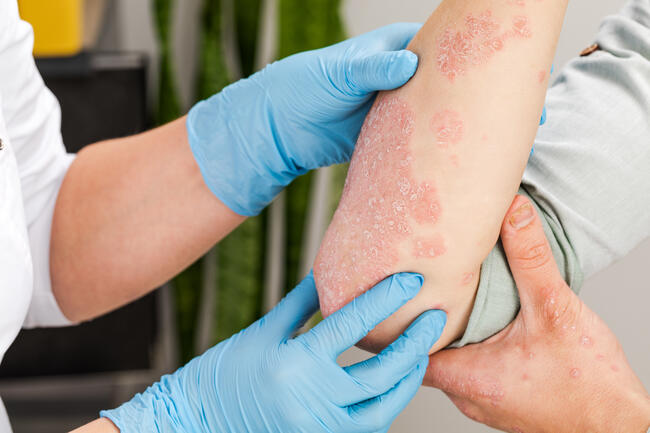
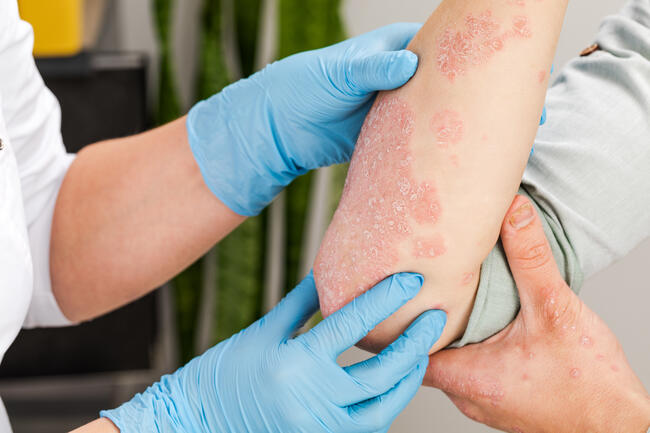
Advances in immunosuppressive therapies have resulted in enhanced survival among organ transplant recipients (OTRs). As a result of a growing population of immunosuppressed patients with prolonged survival, it is imperative that the dermatologists recognize the consequences of long-term immunosuppression and provide appropriate clinical management. Modification of the immune system places OTRs at an increased risk for a number of cutaneous conditions, including side effects from the medications themselves, immune-mediated effects from the transplanted organ, opportunistic infections and malignancy.
Cutaneous Effects of Immunosuppressives
Adverse cutaneous events from immunosuppressive medications are common. A recent survey of 80 renal transplant recipients receiving sirolimus (Rapamune) found that 99% had some type of adverse cutaneous event with 25% experiencing a severe event.1 Table 1 summarizes adverse events of commonly used immunosuppressive agents.
Cutaneous Effects of the Transplanted Organ
Most commonly associated with hematopoietic stem cell transplantation, acute graft versus host disease (GVHD) can also occur following solid organ transplantation. The highest occurrence of acute GVHD is after small intestine transplantation (5.6%), followed by liver transplantation (1%-2%).2,3 Risk factors for developing GVHD include donor human leukocyte antigen homozygosity, advanced age and inadequate or interrupted immunosuppression. GVHD often occurs between 2-6 weeks following transplantation.3 Skin involvement is often the first indicator of GVHD and precedes hepatic and gastrointestinal symptoms. Cutaneous findings typically involve erythematous macules and papules first presenting on the palms and soles that progresses to a morbilliform eruption and potentially a generalized erythema with desquamation. Presentation can be difficult to distinguish from a severe drug eruption and skin biopsy may be required to confirm the diagnosis.4 Treatment with biologics such as daclizumab (Zenapax), basiliximab (Simulect) or other immunosuppressive agents in addition to intravenous (IV) corticosteroids have been attempted with some success. However, mortality of GVHD in solid organ transplant patients is greater than 75%.5
Infectious Diseases of the Skin in OTRs
Immunosuppression required to maintain allograft function in OTRs results in an impairment of cell-mediated immunity, making these patients prone to a variety of cutaneous infections (Table 2). A review of 134 renal transplant recipients showed that 105/134 (78%) patients developed cutaneous infections, with the most frequent infections being dermatomycoses, herpes zoster and folliculitis.6 Both unusual presentations of infection with typical pathogens and infections with rare opportunistic pathogens can make diagnosis and management difficult. Infections may be a primary focus or representations of an underlying disseminated or systemic infection. Chronologically, skin infections show 3 phases in which different infections predominate.7-10
In the first postoperative month, most infections are related to surgical complications and infections with nosocomial organisms. Wound infections, cellulitis and superficial pyodermas caused by Staphylococcus and Streptococcus are the most common cutaneous infections during this time period. Additionally, atypical pathogens including gram-negative bacteria, fungi and mycobacteria can cause soft tissue and wound infections in OTRs. Deep involvement of a primary cutaneous infection can result in necrotizing fasciitis or wound dehiscence and these cases must be evaluated thoroughly with a low threshold for treatment with IV antibiotics or referral for surgical debridement.
Reactivation of herpes simplex virus (HSV) occurs with an incidence of 15%-45% of OTRs, primarily within the first 3 postoperative weeks.7,11-12 The most common manifestation of HSV in OTRs is orolabial and anogenital lesions, however, widespread dissemination may occur, which is associated with a high mortality.12 Treatment for HSV includes acyclovir, valaciclovir and famciclovir. In the presence of acyclovir-resistant HSV, foscarnet, cidofovir and trifluridine are alternatives that have been successful in patients with AIDS, but clinical experience in OTRs is lacking.13
In the second through fifth post-operative month, continued immunosuppression leads to infections with opportunistic organisms such as Nocardia, Bartonella and atypical mycobacterial species. Nocardia, a gram-positive, acid-fast rod found in the soil, typically presents as primary pulmonary disease. Cutaneous involvement is typically secondary through traumatic inoculation through contact with soil; however, both dissemination and primary skin involvement can occur.14 Cutaneous nocardiosis can present as subcutaneous nodules with pustules, abscesses with sinus tract formation, ulcers, granulomas or lymphocutaneous infection. Treatment of choice for nocardiosis is trimethoprim-sulfamethoxazole; however, resistance to sulfonamides is increasing and patients may require treatment with imipenem (Primaxin I.V.) or amikacin (Amikin).
Infection by B henselae, an intracellular gram-negative rod, can cause both catscratch disease and bacillary angiomatosis in OTRs. Catscratch disease results from transmission of Bartonella from a feline vector, OTRs can present with the typical findings of an inoculated papule with proximal adenopathy accompanied by fever. If not promptly treated in OTRs, catscratch disease can result in systemic infection commonly affecting the liver (bacillary peliosis hepatis), heart, spleen, lymph nodes or central nervous system.15,16
Bacillary angiomatosis is a vasculoproliferative disorder commonly seen in HIV patients, but has also been described in OTRs.17 Bacillary angiomatosis presents as violaceous cutaneous lesions, with dissemination affecting the liver, spleen and bone. Diagnosis of disseminated Bartonella infection may require multiple diagnostic studies including cultures, serology and histopathologic examination. Treatment of choice for Bartonella is erythromycin or doxyclycline plus rifampin.
Infections with the atypical mycobacteria, which include Mycobacterium marinum, M fortuitum, M abscessus, M kansasii, M chelonae, M haemophilum and M avium-intracellulare, have been increasing in OTRs over the past decade. The incidence of cutaneous infection in renal transplant recipients ranges from 0.16%-0.38%. However, this low incidence may be attributable to a lack of clinical suspicion among practitioners.18
The spectrum of cutaneous manifestations is diverse and ranges from plaques, to nodules to ulcers.19,20 M marinum affects patients exposed to contaminated water such as a fish tank or swimming pool. The extremities are the most common site of infection (“fish tank finger”) with sporotrichoid spread to sites of lymphatic drainage. Infection with M marium is typically limited to the skin and lymph nodes, while the rapidly growing M fortuitum, M chelonei, M abscessus as well as M avium-intracellulare and M haemophilum can cause disseminated disease following primary cutaneous infection in OTRs, which can result in significant morbidity. Treatment is complex and dependent upon the infecting agent. Typically, a multi-drug regimen is employed with careful consideration to interactions with immunosuppressive medications.
Beyond 6 months of immunosuppression, there is an increased occurrence of infections with viral and fungal pathogens. Reactivation of varicella-zoster virus is common among OTRs. In a Canadian review, the overall incidence of herpes zoster following organ transplantation was 8.6%, with a median time of onset of 9 months.21 Among OTRs, there is a high rate of cutaneous scarring and postherpetic neuralgia as well the potential for dissemination involving multiple dermatomes and risk of reoccurrence. Herpes zoster should be treated with IV acyclovir, current research on the clinical application of varicella immunoglobulins in OTRs is lacking.22 Post-transplant vaccination with the varicella vaccine has been associated with disseminated disease after immunization and the safety and efficacy of the live viral vaccine in adults has not been adequately assessed.23,24
Cytomegalovirus (CMV) is a significant cause of morbidity and mortality in OTRs. Infection may occur through a primary infection, reactivation of the latent virus or from donor transmission. Symptomatic infection occurs in 20%-60% of transplant patients, and cutaneous involvement is present in 10%-20% of patients and is associated with a poor prognosis.13,25 Multiple skin morphologies of CMV infection have been reported, and none are pathognomonic. Definitive diagnosis of CMV relies on histological examination. Acute CMV infection is treated with IV ganciclovir.
Human papillomavirus (HPV) is a frequent cause of infection in OTRs, with an incidence ranging from 25%-50%.26,27 HPV infection in OTRs has been linked to the development of periungual squamous cell carcinoma (SCC) as well as cancer of anogenital tract.28,29 The evidence implicating HPV in the pathogenesis of SCC in immunosuppressed individuals is mixed. In a study by Arron et al, transcriptome sequencing of HPV in SCCs from immunosuppressed and immunocompetent patients showed an absence of HPV gene expression.30 However, the possibility exists that HPV may play a role in the induction but not maintenance of cutaneous SCC.31 Treatment of warts caused by HPV involves use of conventional ablative therapies (cryotherapy, laser surgery, salicylic acid) and may also require intralesional bleomycin, cidofovir or topical imiquimod.32,33 Topical imiquimod should be used on limited area and with caution in immunosuppressed patients. Immunotherapy with intralesional Candida or Trichophyton antigen has not been studied in OTRs, although a recent study showed efficacy in patients with HIV infection.34 Administration of the HPV vaccine post-transplant is controversial, a recent study showed a suboptimal immune response among post-transplant patients but no adverse events.35
Epidermodysplasia verruciformis (EV) is a rare genodermatosis associated with a susceptibility to HPV infection and subsequent HPV-mediated oncogenesis. Acquired disease has been described in patients with HIV as well as OTRs.36-39 Clinically the disease presents as tinea versicolor-like hypopigmented macules or keratotic, flat, wart-like papules. There is no definitive treatment for EV. Topical glycolic acid,40 imiquimod41 and systemic retinoids and interferon42 have had limited success. A recent report of 6-month combination topical methyl aminolevulinate and photodynamic therapy followed by systemic retinoid was successful in 1 case of acquired EV in a patient with underlying myasthenia gravis.43 Patients with EV must be closely monitored for development of skin cancer.
Molluscum contagiosum may affect both the adult and pediatric OTRs. Diagnosis is made based on the characteristic appearance of the centrally umbilicated keratinous plug. Molluscum may be more numerous, larger and refractory to treatment in OTRs.44,45 Treatment with cryotherapy, curettage, electrodesiccation or imiquimod is recommended for cosmetically disturbing lesions.
Superficial fungal infections with dermatophytes, in addition to tinea versicolor and onychomycosis are very common among OTRs.46 In a case control study of 102 consecutive renal transplant recipients, pityriasis versicolor was the most common fungal infection (36%), followed by candidiasis (25%) and onychomycosis (12%).47 Infection by other opportunistic fungi such as Aspergillus, Cryptococcus, Zygomycetes, Histoplasma capsulatim, Blastomyces dermatitidis and Coccidioides immitis also can occur in OTRs and should warrant an investigation for systemic infection.48 Cutaneous findings in fungal infections of OTRs are diverse and non-specific, diagnostics must include direct microscopy and culture of samples. Terbinafine, itraconazole and fluconazole has been found to be safe and effective in patients on immunosuppressives and HIV patients.49-53 Griseofulvin and the azole antifungals should be avoided in patients on cyclosporine.54,55
Article continues on page 2
{{pagebreak}}
Cutaneous Malignancy in Organ Transplant Recipients
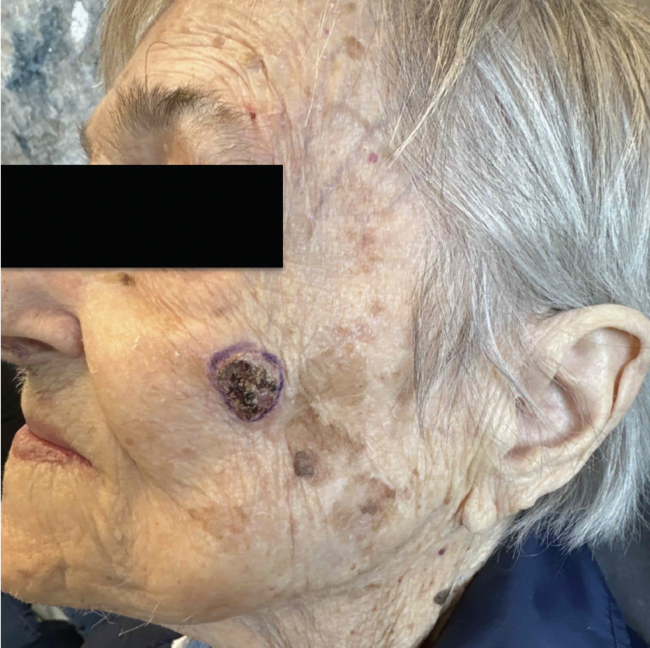
The incidence and rate of recurrence, metastasis and death of cutaneous malignancy are increased in OTRs when compared to the general population (Table 3). Skin cancers affect more than half of OTR patients.56 SCC is the most common cutaneous malignancy among OTRs, with a 65-fold increase in incidence compared to the general population.57 SCC in OTRs is highly aggressive and associated with significant mortality. In a cohort of >1,000 OTRs, 9% of patients with SCC developed local or regional metastasis and SCC specific deaths accounted for 8% of the overall mortality.58
Basal cell carcinoma (BCC) is the second most common malignancy, with a 10-fold increased risk.59 The predominance of SCC as the most common subtype of skin cancer is reversed from the immunocompetent population, in which BCC is the most common.57,60 The cause of carcinogenesis is multi-factorial in OTRs including impairment of immunosurveillance resulting in a reduced host response against tumor cells, oncogenic potential of immunosuppressant drugs, genetic risk factors and viral infections.61-63
Identifiable risk factors for the development of SCC in OTRs include the duration of immunosuppression, with the risk of carcinogenesis increasing steadily with time post-transplant (Table 4).60,64-66 Other well-defined risk factors include advanced age at time of transplant,67-72 history of skin cancer prior to transplant,63 history of sun exposure,67-79 presence of actinic keratosis,64,69 Fitzpatrick type I and II skin64,66,68-70,72 and a decreased CD4 count.73 Some studies have shown that the presence of HPV infection, smoking and male sex are also risk factors for development of cancer but this has not been reproducible between studies.64,66,68,69,72-77 OTRs who develop non-melanoma skin cancer (NMSC) following induction of immunosuppression have a risk of almost 80% of developing a subsequent cancer, with a 52%-62% risk of developing a second cancer within 3 years.78-81 Limited data has shown that among OTRs with dark skin, development of NMSC is much less common.82-83
The type of allograft, thus the choice and level of immunosuppression are major determinants of the risk of NMSC development. The risk is greatest among simultaneous pancreas and kidney transplants, heart transplants and lowest among patients with liver transplants.70,77,84-86
The degree of immunosuppression has been shown to positively correlate with the development of SCC. OTRs who were treated with a 3-drug regimen have been shown to develop NMSC at a rate 2-3 times higher than OTRs on a 2-drug regimen.82,84 Another study found that the risk for SCC 3 years after transplantation correlated with the overall level of immunosuppression, rather than with a specific immunosuppressive drug.69
Immunosuppression with mycophenolate mofetil and sirolimus have been associated with a lower risk of development of NMSC,71,87-91 while azathioprine and cyclosporine have been associated with a higher risk and may be procarcinogenic through photosensitization.71,75,78,84,92-95 Switching from calcineurin inhibitors to sirolimus has been shown to decrease the risk of SCC but can be associated with significant adverse effects.96-98
The management of NMSC in OTRs is dependent upon the type of cancer and its extent. Precancerous actinic keratosis progress more often and faster to invasive SCC in OTRs compared with the general population. For patients with a limited number of actinic keratosis, cryotherapy or curettage of individual lesions is the treatment of choice. Many OTR patients have a propensity to develop multiple lesions over a wide area, treatment options for these patients include topical 5-fluorouracil daily or under Unna boot occlusion (chemowrap),99,100 diclofenac101,102 or imiquimod.103 Ingenol mebutate (Picato) was approved by the FDA in January 2012 for treatment of actinic keratosis; however, studies regarding use in OTRs as well as treatment and chemoprevention of SCC are lacking.104,105 Photodynamic therapy with a topical photosensitizer has been shown to be more effective and cosmetically acceptable treatment for actinic keratosis in OTRs than 5-fluorouracil cream.106,107 The aforementioned field therapies are best suited for the scalp and the face. Field treatment of the extremities often requires more aggressive or frequent therapies or 5-fluorouracil treatment under Unna boot occlusion. Biopsy of any lesions that persist following medical therapy is recommended.
Management of in situ and low-risk SCC is similar to that of the general population. These lesions can be treated with cryotherapy or electrodesiccation and curettage. Based on the revised 7th edition of the American Joint Committee on Cancer staging system, high risk features for SCC include: primary site ear or non-glabrous lip, Clark level IV, 2-mm thickness, >2 cm in greatest diameter, perineural invasion, poorly differentiated or undifferentiated, local recurrence, cranial, facial bone involvement or invasion of the skeleton.108
In these high-risk lesions, surgical excision with histological examination through Mohs micrographic surgery is necessary. Patients with aggressive lesions may require adjuvant radiotherapy or chemotherapy.
Chemopreventive methods should be considered if the number of new SCCs exceeds 5-6 per year. Chemoprevention with oral acitretin has been shown to reduce the incidence of SCC and precancerous lesions in OTRs; however, poor patient tolerance and rebound after discontinuation limits the use of this medication.109 Low-dose acitretin, however, is still considered to be very useful in treatment and prevention of eruptive keratoacanthomas. In our personal experience and in a published case series of 10 patients, low-dose oral capecitabine, the pro-drug of 5-fluorouracil, has been used with good results as a chemopreventive agent.110 Importantly, in our experience, discontinuation of capecitabine does not result in a rebound seen with acitretin.
OTRs are also at increased risk for cutaneous melanoma, with a 3-5 fold increased incidence compared to the general population.56,111-112 Risk factors for melanoma in OTRs are similar to those in the general population including the presence of multiple nevi, family or personal history of melanoma and light skin. While OTRs with darker skin have a decreased risk for SCC, the risk of melanoma in African American OTRs was found to be 17 times greater than African Americans in the general population.112 Current management of melanoma in OTRs is similar to that of the general population, with wide local excision with margins based on depth. Patients with nodal or metastatic disease may benefit from reduction in immunosuppression.113 Overall, survival of OTR patients with melanoma is significantly worse than would be expected in immunocompetent patients, regardless of the Breslow thickness.114
Other malignant skin tumors affecting OTRs include Kaposi’s sarcoma and Merkel cell carcinoma (MCC). Kaposi’s sarcoma affects between 0.2%-11% of renal transplant recipients, with an increased risk of cutaneous dissemination and visceral spread compared to the general population.115-117 The risk of mortality from Kaposi’s sarcoma is related to the extent of the lesions at presentation.
Treatment includes discontinuation of immunosuppressive therapy or changing the treatment regimen to include sirolimus.118 Imiquimod, interferon alpha and chemotherapy have also been used for treatment of Kaposi’s sarcoma with varying degrees of success.119-120 MCC, or primary neuroendocrine carcinoma of the skin, is a rare tumor with an aggressive course. The incidence of MCC among OTRs is >10 times the general population.121-123 MCC has a varying presentation but most commonly presents as a blue or red, firm, non-tender, solitary, dome-shaped nodule with rapid growth on the head/neck or extremities.124 Initial treatment of primary MCC is surgical excision with sentinel lymph node biopsy followed by adjuvant chemotherapy or radiotherapy.124
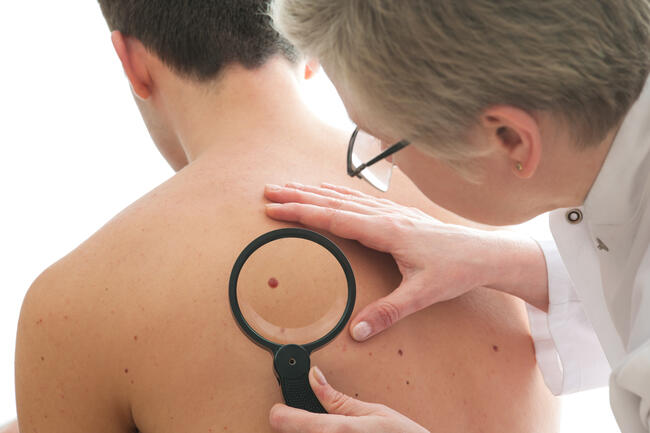
All OTRs should be advised to avoid sun exposure, to protect exposed areas with sunscreen or clothing and regularly receive full mucocutaneous skin examinations. If possible, patients should be seen prior to transplantation for identification and management of any pre-existing lesions. Surveillance intervals of OTRs in dermatology clinics should be based on overall risk (Table 5).66,125-127
Dr. Maley is with the Medical College of Wisconsin, Department of Dermatology in Milwaukee, WI.
Dr. Olasz is with the Medical College of Wisconsin, Department of Dermatology, in Milwaukee, WI.
Disclosure: The authors have no financial relationships that may lead to a conflict of interest. Funding for this study was obtained exclusively through departmental support.
References
1. Mahé E, Morelon E, Lechaton S, et al. Cutaneous adverse events in renal transplant recipients receiving sirolimus based therapy. Transplantation. 2005;79(4):476-482.
2. Mazariegos, GV, Abu-Elmagd K, Jaffe R, et al. Graft versus host disease in intestinal transplantation. Am J Transplant. 2004;4(9):1459-1465.
3. Taylor AL, Gibbs P, Bradley JA. Acute graft versus host disease following liver transplantation: the enemy within. Am J Transplant. 2004;4(4):466-474.
4. Yashar S, Wu SS, Binder SW, Cotliar J.Acute graft-versus-host disease after pediatric solid organ transplant. J Drugs Dermatol. 2008;7(5):467-469.
5. Kohler S, Pascher G, Junge G, et al. Graft versus host disease after liver transplantation: a single center experience and review of literature. Transpl Int. 2008;21(5):441-451.
6. Hogewoning AA, Goettsch W, van Loveren H, de Fijter JW, Vermeer BJ, Bouwes Bavinck JN. Skin infections in renal transplant recipients. Clin Transplant. 2001;15(1):32-38.
7. Ulrich C, Hackethal M, Meyer T, et al. Skin infections in organ transplant recipients. J Dtsch Dermatol Ges. 2008;6(2):98-105.
8. Singh N. Impact of current transplantation practices on the changing epidemiology of infections in transplant recipients. Lancet Infect Dis. 2003;3(3):156-161.
9. Fishman JA. Infection in solid-organ transplant recipients. N Engl J Med. 2007;357(25):2601-2614.
10. Varon NF, Alangaden GJ. Emerging trends in infections among renal transplant recipients. Expert Rev Anti Infect Ther. 2004;2(1):95-109.
11. Schmied E, Dufour JF, Euvrard S. Nontumoral dermatologic problems after liver transplantation. Liver Transpl. 2004;10(3):331-339.
12. Smith SR, Butterly DW, Alexander BD, Greenberg A. Viral infections after renal transplantation. Am J Kidney Dis. 2001;37(4):659-676.
13. Tan HH, Goh CL. Viral infections affecting the skin in organ transplant recipients: epidemiology and current management strategies. Am J Clin Dermatol. 2006;7(1):13-29.
14. Peleg AY, Husain S, Qureshi Z, et al. Risk factors, clinical characteristics, and outcome of Nocardia infection in organ transplant recipients: a matched case-control study. Clin Infect Dis. 2007;44(10):1307-1314.
15. Bonatti H, Mendez J, Guerrero I, et al. Disseminated Bartonella infection following liver transplantation. Transpl Int. 2006;19(8):683-687.
16. Psarros G, Riddell J 4th, Gandhi T, Kauffman CA, Cinti SK. Bartonella henselae infections in solid organ transplant recipients: report of 5 cases and review of the literature. Medicine (Baltimore). 2012;91(12):111-121.
17. Moulin C, Kanitakis J, Ranchin B, et al. Cutaneous bacillary angiomatosis in renal transplant recipients: report of three new cases and literature review. Transpl Infect Dis. 2012;14(4):403-409.
18. Mele A, Bilancio G, Luciani R, Bellizzi V, Palladino G. Atypical mycobacterial infection after kidney transplant: two clinical cases. G Ital Nefrol. 2013;30(1). pii: gin/30.1.5.
19. Doucette K, Fishman JA. Nontuberculous mycobacterial infection in hematopoietic stem cell and solid organ transplant recipients. Clin Infect Dis. 2004;38(10):1428-1439.
20. Bhambri S, Bhambri A, Del Rosso JQ. Atypical mycobacterial cutaneous infections. Dermatol Clin. 2009;27(1):63-73.
21. Gourishankar S, McDermid JC, Jhangri GS, Preiksaitis JK. Herpes zoster infection following solid organ transplantation: incidence, risk factors and outcomes in the current immunosuppressive era. Am J Transplant. 2004;4(1):108-115.
22. Fehr T, Bossart W, Wahl C, Binswanger U. Disseminated varicella infection in adult renal allograft recipients: four cases and a review of the literature. Transplantation. 2002;73(4):608-611.
23. Avery RK, Michaels M. Update on immunizations in solid organ transplant recipients: what clinicians need to know. Am J Transplant. 2008;8(1):9-14.
24. Zuckerman RA, Limaye AP. Varicella zoster virus (VZV) and herpes simplex virus (HSV) in solid organ transplant patients. Am J Transplant. 2013;13(suppl 3):55-66.
25. Brennan, DC. Cytomegalovirus in renal transplantation. J Am Soc Nephrol. 2001;12(4):848-855.
26. Stockfleth E, Nindl I, Sterry W, Ulrich C, Schmook T, Meyer T. Human papillomaviruses in transplant-associated skin cancers. Dermatol Surg. 2004;30(4 Pt 2):604-609.
27. Rudlinger R, Smith IW, Bunney MH, Hunter JA. Human papillomavirus infections in a group of renal transplant recipients. Br J Dermatol. 1986;115(6):681-692.
28. Bouwes Bavinck JN, Feltkamp M, Struijk L, ter Schegget J. Human papillomavirus infection and skin cancer risk in organ transplant recipients. J Investig Dermatol Symp Proc. 2001;6(3):207-211.
29. Meeuwis KA, Melchers WJ, Bouten H, et al. Anogenital malignancies in women after renal transplantation over 40 years in a single center. Transplantation. 2012;93(9):914-922.
30. Arron ST, Ruby JG, Dybbro E, Ganem D, Derisi JL. Transcriptome sequencing demonstrates that human papillomavirus is not active in cutaneous squamous cell carcinoma. J Invest Dermatol. 2011;131(8):1745-1753.
31. Aldabagh B, Angeles JG, Cardones AR, Arron ST. Cutaneous squamous cell carcinoma and human papillomavirus: is there an association? Dermatol Surg. 2013;39(1 Pt 1):1-23.
32. Schmook T, Nindl I, Ulrich C, Meyer T, Sherry W, Stockfleth E. Viral warts in organ transplant recipients: new aspects in therapy. Br J Dermatol. 2003;149(suppl 66):20-24.
33. Bonatti H, Aigner F, De Clercq E, et al. Local administration of cidofovir for human papilloma virus associated skin lesions in transplant recipients. Transpl Int. 2007;20(3):238-46.
34. Wong A, Crawford RI. Intralesional Candida antigen for common warts in people with HIV. J Cutan Med Surg. 2013;17(5):313-315.
35. Kumar D, Unger ER, Panicker G, Medvedev P, Wilson L, Humar A. Immunogenicity of quadrivalent human papillomavirus vaccine in organ transplant recipients. Am J Transplant. 2013;13(9):2411-2417.
36. Rogers HD, Macgregor JL, Nord KM, et al. Acquired epidermodysplasia verruciformis. J Am Acad Dermatol. 2009;60(2):315-320.
37. Lutzner MA, Crossiant O, Ducasse MF, Kreis H, Crosnier J, Orth G. A potentially oncogenic human papillomavirus (HPV5) found in two renal allograft recipients. J Invest Dermatol. 1980;75(4):353-356.
38. Lutzner MA, Orth G, Dutronquay V, Ducasse MF, Kreis H, Crosnier J. Detection of human papillomavirus type 5 DNA in skin cancers of an immunosuppressed renal allograft recipient. Lancet. 1983;2(8347):422-424.
39. Gómez-Bernal S, Rodríguez-Pazos L, Pereiro-Ferreirós MM, Toribio JJ. Acquired epidermodysplasia verruciformis in a renal transplant recipient. Actas Dermosifiliogr. 2011;102(2):159-161.
40. Moore RL, de Schaetzen V, Joseph M, et al. Acquired epidermodysplasia verruciformis syndrome in HIV-infected pediatric patients: prospective treatment trial with topical glycolic acid and human papillomavirus genotype characterization. Arch Dermatol. 2012;148(1):128-130.
41. Berthelot C, Dickerson MC, Rady P, et al. Treatment of a patient with epidermodysplasia verruciformis carrying a novel EVER2 mutation with imiquimod. J Am Acad Dermatol. 2007;56(5):882-886.
42. Anadolu R, Oskay T, Erdem C, Boyvant A, Terzi E, Gurgey E. Treatment of epidermodysplasia verruciformis with a combination of acitretin and interferon alfa-2a. J Am Acad Dermatol. 2001;45(2):296-299.
43. Zampetti A, Giurdanella F, Manco S, et al. Acquired epidermodysplasia verruciformis: a comprehensive review and a proposal for treatment. Dermatol Surg. 2013;39(7):974-980.
44. Mansur AT, Göktay F, Gündüz S, Serdar ZA. Multiple giant molluscum contagiosum in a renal transplant recipient. Transpl Infect Dis. 2004;6(3):120-123.
45. Gardner LS, Ormond PJ. Treatment of multiple giant molluscum contagiosum in a renal transplant patient with imiquimod 5% cream. Clin Exp Dermatol. 2006;31(3):452-453.
46. Kotton CN. Skin and soft tissue infections in the transplant population. Curr Infect Dis Rep. 2008;10(5):387-393.
47. Güleç AT, Demirbilek M, Seçkin D, et al M. Superficial fungal infections in 102 renal transplant recipients: a case-control study. J Am Acad Dermatol. 2003;49(2):187-192.
48. Virgili A, Zampino MR, Mantovani L. Fungal skin infections in organ transplant recipients. Am J Clin Dermatol. 2002;3(1):19-35.
49. Cribier BJ, Bakshi R. Terbinafine in the treatment of onychomycosis: a review of its efficacy in high-risk populations and in patients with nondermatophyte infections. Br J Dermatol. 2004;150(3):414-420.
50. Voisard JJ, Weill FX, Beylot-Barry M, Vergier B, Dromer C, Beylot C. Dermatophytic granuloma caused by Microsporum canis in a heart-lung recipient. Dermatology. 1999;198(3):317-319.
51. Marchese LM, Cucé LC, Chocair PR, et al. Efficacy and safety of terbinafine by oral route in the treatment of onychomycosis in renal transplanted patients. J Eur Acad Dermatol Venereol. 1996;7:S95.
52. Engelhard D, Or R, Naparstek E, Leibovici V. Treatment with itraconazole of widespread tinea corporis due to Trichophyton rubrum in a bone marrow transplant recipient. Bone Marrow Transplant. 1988;3(5):517-519.
53. Lo AC, Lui SL, Lo WK, Chan DT, Cheng IK. The interaction of terbinafine and cyclosporine A in renal transplant patients. Br J Clin Pharmacol. 1997;43(3):340-341.
54. Brodell RT, Elewski B. Antifungal drug interactions: avoidance requires more than memorization. Postgrad Med. 2000;107(1):41-43.
55. Ferguson RM, Sutherland DE, Simmons RL, Najarian JS. Ketoconazole, cyclosporine metabolism and renal transplantation. Lancet. 1982;2(8303):882-883.
56. Euvrard S, Kanitakis J, Claudy A. Skin cancers after organ transplantation. N Engl J Med. 2003;348(17):1681-1691.
57. Berg D, Otley C. Skin cancer in organ transplant recipients: Epidemiology, pathogenesis, and management. J Am Acad Dermatol. 2002;47(1):1-17.
58. Buell JF, Hanaway MJ, Thomas M, Alloway RR, Woodie ES. Skin cancer following transplantation: the Israel Penn International Transplant Tumor Registry experience. Transplant Proc. 2005;37(2):962-963.
59. Hartevelt MM, Bavinck JN, Kootte AM, Vermeer BJ, Vandenbroucke JP. Incidence of skin cancer after renal transplantation in the Netherlands. Transplantation. 1990;49(3):506-509.
60. Zwald FO, Brown M. Skin cancer in solid organ transplant recipients: advances in therapy and management: part I. Epidemiology of skin cancer in solid organ transplant recipients. J Am Acad Dermatol. 2011;65(2):253-261.
61. Guba M, Graeb C, Jauch KW, Geissler EK. Pro- and anticancer effects of immunosuppressive agents used in organ transplantation. Transplantation. 2004;77(12):1777-1782.
62. Marshall SE, Bordea C, Haldar NA, et al. Glutathione S-transferase polymorphisms and skin cancers after renal transplantation. Kidney Int. 2000;58(5):2186-2193.
63. Ramsay HM, Fryer AA, Hawley CM, Smith AG, Nicol DL, Harden PN. Factors associated with nonmelanoma skin cancer following renal transplantation in Queensland, Australia. J Am Acad Dermatol. 2003;49(3):397-406.
64. Ramsay HM, Fryer AA, Hawley CM, Smith AG, Harden PN. Non-melanoma skin cancer risk in the Queensland renal transplant population. Br J Dermatol. 2002;147(5):950-956.
65. Bordea C, Wojnarowska F, Millard PR, Doll H, Welsh K, Morris PJ. Skin cancers in renal-transplant recipients occur more frequently than previously recognized in a temperate climate. Transplantation. 2004;77(4):574-579.
66. Harwood CA, Mesher D, McGregor JM, et al. A surveillance model for skin cancer in organ transplant recipients: a 22-year prospective study in an ethnically diverse population. Am J Transplant. 2013;13(1):119-129.
67. Fuente MJ, Sabat M, Roca J, Lauzurica R, Fernández-Figueras MT, Farrándiz C. A prospective study of the incidence of skin cancer and its risk factors in a Spanish Mediterranean population of kidney transplant recipients. Br J Dermatol. 2003;149(6):1221-1226.
68. Caforio AL, Fortina AB, Piaserico S, et al. Skin cancer in heart transplant recipients: risk factor analysis and relevance of immunosuppressive therapy. Circulation. 2000;102(9 suppl 3):222-227.
69. Fortina A, Piaserico S, Caforio AL, et al. Immunosuppressive level and other risk factors for basal cell carcinoma and squamous Ccll carcinoma in heart transplant recipients. Arch Dermatol. 2004;140(9):1079-1085.
70. Herrero JI, España A, Quiroga J, et al. Nonmelanoma skin cancer after liver transplantation. Study of risk factors. Liver Transpl. 2005;11(9):1100-1106.
71. Einollahi B, Nemati E, Lessan-Pezeshki M, et al. Skin cancer after renal transplantation: Results of a multicenter study in Iran. Ann Transplant. 2010;15(3):44-50.
72. Gogia R, Binstock M, Hirose R, Boscardin WJ, Chren MM, Arron ST. Fitzpatrick skin phototype is an independent predictor of squamous cell carcinoma risk after solid organ transplantation. J Am Acad Dermatol. 2013;68(4):585-591.
73. Ducloux D, Carron PL, Rebibou JM, et al. CD4 lymphocytopenia as a risk factor for skin cancers in renal transplant recipients. Transplantation. 1998;65(9):1270-1272.
74. de Jong-Tieben LM, Berkhout RJ, ter Schegget J, et al. The prevalence of humanpapillomavirus DNA in benign keratotic skin lesions of renal transplant recipients with and without a history of skin cancer is equally high: a clinical study to assess risk factors for keratotic skin lesions and skin cancer. Transplantation. 2000;69(1):44-49.
75. Mithoefer AB, Supran S, Freeman RB. Risk factors associated with the development of skin cancer after liver transplantation. Liver Transpl. 2002;8(10):939-944.
76. Nindl I, Gottschling M, Stockfleth E. Human papillomaviruses and non-melanoma skin cancer: basic virology and clinical manifestations. Dis Markers. 2007;23(4):247-259.
77. Belloni-Fortina A, Piaserico S, Bordignon M, et al. Skin cancer and other cutaneous disorders in liver transplant recipients. Acta Derm Venereol. 2012;92(4):411-415.
78. Wisgerhof H, Edelbroek JR, de Fijter, JW, et al. Subsequent squamous- and basal-cell carcinomas in kidney-transplant recipients after the first skin cancer: cumulative incidence and risk factors. Transplantation. 2010;89(10):1231-1238.
79. Mackenzie KA, Wells JE, Lynn KL, et al. First and subsequent nonmelanoma skin cancers: incidence and predictors in a population of New Zealand renal transplant recipients. Nephrol Dial Transplant. 2010;25(1):300-306.
80. Euvrard S, Kanitakis J, Decullier E, et al. Subsequent skin cancers in kidney and heart transplant recipients after the first squamous cell carcinoma. Transplantation. 2006;81(8):1093-1100.
81. Brewer JD, Colegio OR, Phillips PK, et al. Incidence of and risk factors for skin cancer after heart transplant. Arch Dermatol. 2009;145(12):1391-1396.
82. Glover MT, Deeks JJ, Raftery MJ, Cunningham J, Leigh IM. Immunosuppression and risk of non-melanoma skin cancer in renal transplant recipients. Lancet. 1997;349(9049):398.
83. Moosa MR, Gralla J. Skin cancer in renal allograft recipients--experience in different ethnic groups residing in the same geographical region. Clin Transplant. 2005;19(6):735-741.
84. Jensen P, Hansen S, Møller B, et al. Skin cancer in kidney and heart transplant recipients and different long-term immunosuppressive therapy regimens. J Am Acad Dermatol. 1999;40(2 Pt 1):177-186.
85. Wisgerhof HC, van der Boog PJ, de Fijter JW, et al. Increased risk of squamous-cell carcinoma in simultaneous pancreas kidney transplant recipients compared with kidney transplant recipients. J Invest Dermatol. 2009;129(12):2886-2894.
86. Perera GK, Child FJ, Heaton N, O’Grady J, Higgins EM. Skin lesions in adult liver transplant recipients: a study of 100 consecutive patients. Br J Dermatol. 2006;154(5):868-872.
87. Campistol JM, Eris J, Oberbauer R, et al. Sirolimus therapy after early cyclosporine withdrawal reduces the risk for cancer in adult renal transplantation. J Am Soc Nephrol. 2006;17(2):581-589.
88. Mathew T, Kreis H, Friend P. Two-year incidence of malignancy in sirolimus-treated renal transplant recipients: results from five multicenter studies. Clin Transplant. 2004;18(4):446-449.
89. Kauffman HM, Cherikh WS, Cheng Y, Hanto DW, Kahan BD. Maintenance immunosuppression with target-of-rapamycin inhibitors is associated with a reduced incidence of de novo malignancies. Transplantation. 2005;80(7):883-889.
90. Alberu J, Pascoe MD, Campistol JM, et al. Lower malignancy rates in renal allograft recipients converted to sirolimus-based, calcineurin inhibitor-free immunotherapy: 24-month results from the CONVERT trial. Transplantation. 2011;92(3):303-310.
91. Salgo R, Gossmann J, Schöfer H, et al. Switch to a sirolimus-based immunosuppression in long-term renal transplant recipients: reduced rate of (pre-)malignancies and nonmelanoma skin cancer in a prospective, randomized, assessor-blinded, controlled clinical trial. Am J Transplant. 2010;10(6):1385-1393.
92. Doesch AO, Müller S, Konstandin M, et al. Malignancies after heart transplantation: incidence, risk factors, and effects of calcineurin inhibitor withdrawal. Transplant Proc. 2010;42(9):3694-3699.
93. Dantal J, Hourmant M, Cantarovich D, et al. Effect of long-term immunosuppression in kidney-graft recipients on cancer incidence: randomised comparison of two cyclosporin regimens. Lancet. 1998;351(9103):623-628.
94. van den Reek JM, van Lümig PP, Janssen M, et al. Increased incidence of squamous cell carcinoma of the skin after long-term treatment with azathioprine in patients with auto-immune inflammatory rheumatic diseases. J Eur Acad Dermatol Venereol. 2014;28(1):27-33.
95. O’Donovan P, Perrett CM, Zhang X, et al. Azathioprine and UVA light generate mutagenic oxidative DNA damage. Science. 2005;309(5742):1871-1874.
96. Campbell SB, Walker R, Tai SS, Jiang Q, Russ GR. Randomized controlled trial of sirolimus for renal transplant recipients at high risk for nonmelanoma skin cancer. Am J Transplant. 2012;12(5):1146-1156.
97. Euvrard S, Morelon E, Rostaing L, et al. Sirolimus and secondary skin-cancer prevention in kidney transplantation. N Engl J Med. 2012;367(4):329-339.
98. Colegio OR, Hanlon A, Olasz EB, Carucci JA. Sirolimus reduces cutaneous squamous cell carcinomas in transplantation recipients. J Clin Oncol. 2013;31(26):3297-3298.
99. Tallon B, Turnbull N. 5% fluorouracil chemowraps in the management of widespread lower leg solar keratoses and squamous cell carcinoma. Australas J Dermatol. 2013;54(4):313-316.
100. Mann M, Berk DR, Petersen J. Chemowraps as an adjuvant to surgery for patients with diffuse squamous cell carcinoma of the extremities. J Drugs Dermatol. 2008;7(7):685-688.
101. Ulrich C, Bichel J, Euvrard S, et al. Topical immunomodulation under systemic immunosuppression: results of a multicentre, randomized, placebo-controlled safety and efficacy study of imiquimod 5% cream for the treatment of actinic keratoses in kidney, heart, and liver transplant patients. Br J Dermatol. 2007;157(suppl 2):25-31.
102. Ulrich C, Johannsen A, Röwert-Huber J, Ulrich M, Sterry W, Stockfleth E. Results of a randomized, placebo-controlled safety and efficacy study of topical diclofenac 3% gel in organ transplant patients with multiple actinic keratoses. Eur J Dermatol. 2010;20(4):482-488.
103. Krawtchenko N, Roewert-Huber J, Ulrich M, Mann I, Sterry W, Stockfleth E. A randomised study of topical 5% imiquimod vs. topical 5-fluorouracil vs. cryosurgery in immunocompetent patients with actinic keratoses: a comparison of clinical and histological outcomes including 1-year follow-up. Br J Dermatol. 2007;157(suppl 2):34-40.
104. Bahner JD, Bordeaux JS. Non-melanoma skin cancers: photodynamic therapy, cryotherapy, 5-fluorouracil, imiquimod, diclofenac, or what? Facts and controversies. Clin Dermatol. 2013;31(6):792-798.
105. Soltani-Arabshahi R, Tristani-Firouzi P. Chemoprevention of nonmelanoma skin cancer. Facial Plast Surg. 2013;29:373-383.
106. Dragieva G, Prinz BM, Hafner J, et al. A randomized controlled clinical trial of topical photodynamic therapy with methyl aminolaevulinate in the treatment of actinic keratoses in transplant recipients. Br J Dermatol. 2004;151(1):196-200.
107. Perrett CM, McGregor JM, Warwick J, et al. Treatment of post-transplant premalignant skin disease: a randomized intrapatient comparative study of 5-fluorouracil cream and topical photodynamic therapy. Br J Dermatol. 2007;156(2):320-328.
108. Sober A. Cutaneous squamous cell carcinoma and other cutaneous carcinomas. In: Edge S, Byrd R, Compton C, eds. American Joint Committee on Cancer Staging Handbook. 7th ed. Chicago, IL: American Joint Committee on Cancer. 2010;357-416.
109. Chen K, Craig JC, Shumack S. Oral retinoids for the prevention of skin cancers in solid organ transplant recipients: a systematic review of randomized controlled trials. Br J Dermatol. 2005;152(3):518-523.
110. Endrizzi B, Ahmed RL, Ray T, Dudek A, Lee P. Capecitabine to reduce nonmelanoma skin carcinoma burden in solid organ transplant recipients. Dermatol Surg. 2013;39(4):634-645.
111. Vajdic CM, van Leeuwen MT, Webster AC, et al. Cutaneous melanoma is related to immune suppression in kidney transplant recipients. Cancer Epidemiol Biomarkers Prev. 2009;18(8):2297-2303.
112. Hollenbeak CS, Todd MM, Billingsley EM, Harper G, Dyer AM, Lengerich EJ. Increased incidence of melanoma in renal transplant recipients. Cancer. 2005;104(9):1962-1967.
113. Otley CC, Berg D, Ulrich C, et al. Reduction of immunosuppression for transplant-associated skin cancer: expert consensus survey. Br J Dermatol. 2006;154(3):395-400.
114. Brewer JD, Christenson LJ, Weaver AL. Malignant melanoma in solid transplant recipients: collection of database cases and comparison with surveillance, epidemiology, and end results data for outcome analysis. Arch Dermatol. 2011;147(7):790-796.
115. Hengge UR, Ruzicka T, Tyring SK, et al. Update on Kaposi’s sarcoma and other HHV8 associated diseases. Part 1: epidemiology, environmental predispositions, clinical manifestation, and therapy. Lancet Infect Dis. 2002;2(5):281-292.
116. Penn I. Sarcomas in organ allograft recipients. Transplantation. 1995;60(12):1485-14891.
117. Dreno B. Skin cancers after transplantation. Nephrol Dial Transplant. 2003;18(6):1052-1058.
118. Stallone G, Schena A, Infante B, et al. Sirolimus for Kaposi’s sarcoma in renal-transplant recipients. N Engl J Med. 2005;352(13):1317-1323.
119. Prinz Vavricka BM, Hofbauer GF, Dummer R, French LE, Kempf W. Topical treatment of cutaneous Kaposi sarcoma with imiquimod 5% in renal-transplant recipients: a clinicopathological observation. Clin Exp Dermatol. 2012;37(6):620-625.
120. Einollahi B. Kaposi sarcoma after kidney transplantation. Iran J Kidney Dis. 2007;1(1):2-11.
121. Penn I, First MR. Merkel’s cell carcinoma in organ recipients: report of 41 cases. Transplantation. 1999;68(11):1717-1721.
122. Miller RW, Rabkin CS. Merkel cell carcinoma and melanoma: etiological similarities and differences. Cancer Epidemiol Biomarkers Prev. 1999;8(2):153-158.
123. Koljonen V, Kukko H, Tukiainen E, et al. Incidence of Merkel cell carcinoma in renal transplant recipients. Nephrol Dial Transplant. 2009;24(10):3231-235.
124. Bichakjian CK, Lowe L, Lao CD, et al. Merkel cell carcinoma: critical review with guidelines for multidisciplinary management. Cancer. 2007;110(1):1-12.
124. Christenson LJ, Geusau A, Ferrandiz C, et al. Specialty clinics for the dermatologic care of solid-organ transplant recipients. Dermatol Surg. 2004;30(4 Pt 2):598-603.
125. Stasko T, Brown MD, Carucci JA, et al. Guidelines for the management of squamous cell carcinoma in organ transplant recipients. Dermatol Surg. 2004;30(4 Pt 2):642-650.
126. Greenberg JN, Zwald FO. Management of skin cancer in solid-organ transplant recipients: A multidisciplinary approach. Dermatol Clin. 2011;29(2):231-241.
127. Zwald FO, Brown M. Skin cancer in solid organ transplant recipients: advances in therapy and management: part II. Management of skin cancer in solid organ transplant recipients. J Am Acad Dermatol. 2011;65(2):263-679.
To view the Tables in this article, please download the pdf file.
Advances in immunosuppressive therapies have resulted in enhanced survival among organ transplant recipients (OTRs). As a result of a growing population of immunosuppressed patients with prolonged survival, it is imperative that the dermatologists recognize the consequences of long-term immunosuppression and provide appropriate clinical management. Modification of the immune system places OTRs at an increased risk for a number of cutaneous conditions, including side effects from the medications themselves, immune-mediated effects from the transplanted organ, opportunistic infections and malignancy.
Cutaneous Effects of Immunosuppressives
Adverse cutaneous events from immunosuppressive medications are common. A recent survey of 80 renal transplant recipients receiving sirolimus (Rapamune) found that 99% had some type of adverse cutaneous event with 25% experiencing a severe event.1 Table 1 summarizes adverse events of commonly used immunosuppressive agents.
Cutaneous Effects of the Transplanted Organ
Most commonly associated with hematopoietic stem cell transplantation, acute graft versus host disease (GVHD) can also occur following solid organ transplantation. The highest occurrence of acute GVHD is after small intestine transplantation (5.6%), followed by liver transplantation (1%-2%).2,3 Risk factors for developing GVHD include donor human leukocyte antigen homozygosity, advanced age and inadequate or interrupted immunosuppression. GVHD often occurs between 2-6 weeks following transplantation.3 Skin involvement is often the first indicator of GVHD and precedes hepatic and gastrointestinal symptoms. Cutaneous findings typically involve erythematous macules and papules first presenting on the palms and soles that progresses to a morbilliform eruption and potentially a generalized erythema with desquamation. Presentation can be difficult to distinguish from a severe drug eruption and skin biopsy may be required to confirm the diagnosis.4 Treatment with biologics such as daclizumab (Zenapax), basiliximab (Simulect) or other immunosuppressive agents in addition to intravenous (IV) corticosteroids have been attempted with some success. However, mortality of GVHD in solid organ transplant patients is greater than 75%.5
Infectious Diseases of the Skin in OTRs
Immunosuppression required to maintain allograft function in OTRs results in an impairment of cell-mediated immunity, making these patients prone to a variety of cutaneous infections (Table 2). A review of 134 renal transplant recipients showed that 105/134 (78%) patients developed cutaneous infections, with the most frequent infections being dermatomycoses, herpes zoster and folliculitis.6 Both unusual presentations of infection with typical pathogens and infections with rare opportunistic pathogens can make diagnosis and management difficult. Infections may be a primary focus or representations of an underlying disseminated or systemic infection. Chronologically, skin infections show 3 phases in which different infections predominate.7-10
In the first postoperative month, most infections are related to surgical complications and infections with nosocomial organisms. Wound infections, cellulitis and superficial pyodermas caused by Staphylococcus and Streptococcus are the most common cutaneous infections during this time period. Additionally, atypical pathogens including gram-negative bacteria, fungi and mycobacteria can cause soft tissue and wound infections in OTRs. Deep involvement of a primary cutaneous infection can result in necrotizing fasciitis or wound dehiscence and these cases must be evaluated thoroughly with a low threshold for treatment with IV antibiotics or referral for surgical debridement.
Reactivation of herpes simplex virus (HSV) occurs with an incidence of 15%-45% of OTRs, primarily within the first 3 postoperative weeks.7,11-12 The most common manifestation of HSV in OTRs is orolabial and anogenital lesions, however, widespread dissemination may occur, which is associated with a high mortality.12 Treatment for HSV includes acyclovir, valaciclovir and famciclovir. In the presence of acyclovir-resistant HSV, foscarnet, cidofovir and trifluridine are alternatives that have been successful in patients with AIDS, but clinical experience in OTRs is lacking.13
In the second through fifth post-operative month, continued immunosuppression leads to infections with opportunistic organisms such as Nocardia, Bartonella and atypical mycobacterial species. Nocardia, a gram-positive, acid-fast rod found in the soil, typically presents as primary pulmonary disease. Cutaneous involvement is typically secondary through traumatic inoculation through contact with soil; however, both dissemination and primary skin involvement can occur.14 Cutaneous nocardiosis can present as subcutaneous nodules with pustules, abscesses with sinus tract formation, ulcers, granulomas or lymphocutaneous infection. Treatment of choice for nocardiosis is trimethoprim-sulfamethoxazole; however, resistance to sulfonamides is increasing and patients may require treatment with imipenem (Primaxin I.V.) or amikacin (Amikin).
Infection by B henselae, an intracellular gram-negative rod, can cause both catscratch disease and bacillary angiomatosis in OTRs. Catscratch disease results from transmission of Bartonella from a feline vector, OTRs can present with the typical findings of an inoculated papule with proximal adenopathy accompanied by fever. If not promptly treated in OTRs, catscratch disease can result in systemic infection commonly affecting the liver (bacillary peliosis hepatis), heart, spleen, lymph nodes or central nervous system.15,16
Bacillary angiomatosis is a vasculoproliferative disorder commonly seen in HIV patients, but has also been described in OTRs.17 Bacillary angiomatosis presents as violaceous cutaneous lesions, with dissemination affecting the liver, spleen and bone. Diagnosis of disseminated Bartonella infection may require multiple diagnostic studies including cultures, serology and histopathologic examination. Treatment of choice for Bartonella is erythromycin or doxyclycline plus rifampin.
Infections with the atypical mycobacteria, which include Mycobacterium marinum, M fortuitum, M abscessus, M kansasii, M chelonae, M haemophilum and M avium-intracellulare, have been increasing in OTRs over the past decade. The incidence of cutaneous infection in renal transplant recipients ranges from 0.16%-0.38%. However, this low incidence may be attributable to a lack of clinical suspicion among practitioners.18
The spectrum of cutaneous manifestations is diverse and ranges from plaques, to nodules to ulcers.19,20 M marinum affects patients exposed to contaminated water such as a fish tank or swimming pool. The extremities are the most common site of infection (“fish tank finger”) with sporotrichoid spread to sites of lymphatic drainage. Infection with M marium is typically limited to the skin and lymph nodes, while the rapidly growing M fortuitum, M chelonei, M abscessus as well as M avium-intracellulare and M haemophilum can cause disseminated disease following primary cutaneous infection in OTRs, which can result in significant morbidity. Treatment is complex and dependent upon the infecting agent. Typically, a multi-drug regimen is employed with careful consideration to interactions with immunosuppressive medications.
Beyond 6 months of immunosuppression, there is an increased occurrence of infections with viral and fungal pathogens. Reactivation of varicella-zoster virus is common among OTRs. In a Canadian review, the overall incidence of herpes zoster following organ transplantation was 8.6%, with a median time of onset of 9 months.21 Among OTRs, there is a high rate of cutaneous scarring and postherpetic neuralgia as well the potential for dissemination involving multiple dermatomes and risk of reoccurrence. Herpes zoster should be treated with IV acyclovir, current research on the clinical application of varicella immunoglobulins in OTRs is lacking.22 Post-transplant vaccination with the varicella vaccine has been associated with disseminated disease after immunization and the safety and efficacy of the live viral vaccine in adults has not been adequately assessed.23,24
Cytomegalovirus (CMV) is a significant cause of morbidity and mortality in OTRs. Infection may occur through a primary infection, reactivation of the latent virus or from donor transmission. Symptomatic infection occurs in 20%-60% of transplant patients, and cutaneous involvement is present in 10%-20% of patients and is associated with a poor prognosis.13,25 Multiple skin morphologies of CMV infection have been reported, and none are pathognomonic. Definitive diagnosis of CMV relies on histological examination. Acute CMV infection is treated with IV ganciclovir.
Human papillomavirus (HPV) is a frequent cause of infection in OTRs, with an incidence ranging from 25%-50%.26,27 HPV infection in OTRs has been linked to the development of periungual squamous cell carcinoma (SCC) as well as cancer of anogenital tract.28,29 The evidence implicating HPV in the pathogenesis of SCC in immunosuppressed individuals is mixed. In a study by Arron et al, transcriptome sequencing of HPV in SCCs from immunosuppressed and immunocompetent patients showed an absence of HPV gene expression.30 However, the possibility exists that HPV may play a role in the induction but not maintenance of cutaneous SCC.31 Treatment of warts caused by HPV involves use of conventional ablative therapies (cryotherapy, laser surgery, salicylic acid) and may also require intralesional bleomycin, cidofovir or topical imiquimod.32,33 Topical imiquimod should be used on limited area and with caution in immunosuppressed patients. Immunotherapy with intralesional Candida or Trichophyton antigen has not been studied in OTRs, although a recent study showed efficacy in patients with HIV infection.34 Administration of the HPV vaccine post-transplant is controversial, a recent study showed a suboptimal immune response among post-transplant patients but no adverse events.35
Epidermodysplasia verruciformis (EV) is a rare genodermatosis associated with a susceptibility to HPV infection and subsequent HPV-mediated oncogenesis. Acquired disease has been described in patients with HIV as well as OTRs.36-39 Clinically the disease presents as tinea versicolor-like hypopigmented macules or keratotic, flat, wart-like papules. There is no definitive treatment for EV. Topical glycolic acid,40 imiquimod41 and systemic retinoids and interferon42 have had limited success. A recent report of 6-month combination topical methyl aminolevulinate and photodynamic therapy followed by systemic retinoid was successful in 1 case of acquired EV in a patient with underlying myasthenia gravis.43 Patients with EV must be closely monitored for development of skin cancer.
Molluscum contagiosum may affect both the adult and pediatric OTRs. Diagnosis is made based on the characteristic appearance of the centrally umbilicated keratinous plug. Molluscum may be more numerous, larger and refractory to treatment in OTRs.44,45 Treatment with cryotherapy, curettage, electrodesiccation or imiquimod is recommended for cosmetically disturbing lesions.
Superficial fungal infections with dermatophytes, in addition to tinea versicolor and onychomycosis are very common among OTRs.46 In a case control study of 102 consecutive renal transplant recipients, pityriasis versicolor was the most common fungal infection (36%), followed by candidiasis (25%) and onychomycosis (12%).47 Infection by other opportunistic fungi such as Aspergillus, Cryptococcus, Zygomycetes, Histoplasma capsulatim, Blastomyces dermatitidis and Coccidioides immitis also can occur in OTRs and should warrant an investigation for systemic infection.48 Cutaneous findings in fungal infections of OTRs are diverse and non-specific, diagnostics must include direct microscopy and culture of samples. Terbinafine, itraconazole and fluconazole has been found to be safe and effective in patients on immunosuppressives and HIV patients.49-53 Griseofulvin and the azole antifungals should be avoided in patients on cyclosporine.54,55
Article continues on page 2
{{pagebreak}}
Cutaneous Malignancy in Organ Transplant Recipients
The incidence and rate of recurrence, metastasis and death of cutaneous malignancy are increased in OTRs when compared to the general population (Table 3). Skin cancers affect more than half of OTR patients.56 SCC is the most common cutaneous malignancy among OTRs, with a 65-fold increase in incidence compared to the general population.57 SCC in OTRs is highly aggressive and associated with significant mortality. In a cohort of >1,000 OTRs, 9% of patients with SCC developed local or regional metastasis and SCC specific deaths accounted for 8% of the overall mortality.58
Basal cell carcinoma (BCC) is the second most common malignancy, with a 10-fold increased risk.59 The predominance of SCC as the most common subtype of skin cancer is reversed from the immunocompetent population, in which BCC is the most common.57,60 The cause of carcinogenesis is multi-factorial in OTRs including impairment of immunosurveillance resulting in a reduced host response against tumor cells, oncogenic potential of immunosuppressant drugs, genetic risk factors and viral infections.61-63
Identifiable risk factors for the development of SCC in OTRs include the duration of immunosuppression, with the risk of carcinogenesis increasing steadily with time post-transplant (Table 4).60,64-66 Other well-defined risk factors include advanced age at time of transplant,67-72 history of skin cancer prior to transplant,63 history of sun exposure,67-79 presence of actinic keratosis,64,69 Fitzpatrick type I and II skin64,66,68-70,72 and a decreased CD4 count.73 Some studies have shown that the presence of HPV infection, smoking and male sex are also risk factors for development of cancer but this has not been reproducible between studies.64,66,68,69,72-77 OTRs who develop non-melanoma skin cancer (NMSC) following induction of immunosuppression have a risk of almost 80% of developing a subsequent cancer, with a 52%-62% risk of developing a second cancer within 3 years.78-81 Limited data has shown that among OTRs with dark skin, development of NMSC is much less common.82-83
The type of allograft, thus the choice and level of immunosuppression are major determinants of the risk of NMSC development. The risk is greatest among simultaneous pancreas and kidney transplants, heart transplants and lowest among patients with liver transplants.70,77,84-86
The degree of immunosuppression has been shown to positively correlate with the development of SCC. OTRs who were treated with a 3-drug regimen have been shown to develop NMSC at a rate 2-3 times higher than OTRs on a 2-drug regimen.82,84 Another study found that the risk for SCC 3 years after transplantation correlated with the overall level of immunosuppression, rather than with a specific immunosuppressive drug.69
Immunosuppression with mycophenolate mofetil and sirolimus have been associated with a lower risk of development of NMSC,71,87-91 while azathioprine and cyclosporine have been associated with a higher risk and may be procarcinogenic through photosensitization.71,75,78,84,92-95 Switching from calcineurin inhibitors to sirolimus has been shown to decrease the risk of SCC but can be associated with significant adverse effects.96-98
The management of NMSC in OTRs is dependent upon the type of cancer and its extent. Precancerous actinic keratosis progress more often and faster to invasive SCC in OTRs compared with the general population. For patients with a limited number of actinic keratosis, cryotherapy or curettage of individual lesions is the treatment of choice. Many OTR patients have a propensity to develop multiple lesions over a wide area, treatment options for these patients include topical 5-fluorouracil daily or under Unna boot occlusion (chemowrap),99,100 diclofenac101,102 or imiquimod.103 Ingenol mebutate (Picato) was approved by the FDA in January 2012 for treatment of actinic keratosis; however, studies regarding use in OTRs as well as treatment and chemoprevention of SCC are lacking.104,105 Photodynamic therapy with a topical photosensitizer has been shown to be more effective and cosmetically acceptable treatment for actinic keratosis in OTRs than 5-fluorouracil cream.106,107 The aforementioned field therapies are best suited for the scalp and the face. Field treatment of the extremities often requires more aggressive or frequent therapies or 5-fluorouracil treatment under Unna boot occlusion. Biopsy of any lesions that persist following medical therapy is recommended.
Management of in situ and low-risk SCC is similar to that of the general population. These lesions can be treated with cryotherapy or electrodesiccation and curettage. Based on the revised 7th edition of the American Joint Committee on Cancer staging system, high risk features for SCC include: primary site ear or non-glabrous lip, Clark level IV, 2-mm thickness, >2 cm in greatest diameter, perineural invasion, poorly differentiated or undifferentiated, local recurrence, cranial, facial bone involvement or invasion of the skeleton.108
In these high-risk lesions, surgical excision with histological examination through Mohs micrographic surgery is necessary. Patients with aggressive lesions may require adjuvant radiotherapy or chemotherapy.
Chemopreventive methods should be considered if the number of new SCCs exceeds 5-6 per year. Chemoprevention with oral acitretin has been shown to reduce the incidence of SCC and precancerous lesions in OTRs; however, poor patient tolerance and rebound after discontinuation limits the use of this medication.109 Low-dose acitretin, however, is still considered to be very useful in treatment and prevention of eruptive keratoacanthomas. In our personal experience and in a published case series of 10 patients, low-dose oral capecitabine, the pro-drug of 5-fluorouracil, has been used with good results as a chemopreventive agent.110 Importantly, in our experience, discontinuation of capecitabine does not result in a rebound seen with acitretin.
OTRs are also at increased risk for cutaneous melanoma, with a 3-5 fold increased incidence compared to the general population.56,111-112 Risk factors for melanoma in OTRs are similar to those in the general population including the presence of multiple nevi, family or personal history of melanoma and light skin. While OTRs with darker skin have a decreased risk for SCC, the risk of melanoma in African American OTRs was found to be 17 times greater than African Americans in the general population.112 Current management of melanoma in OTRs is similar to that of the general population, with wide local excision with margins based on depth. Patients with nodal or metastatic disease may benefit from reduction in immunosuppression.113 Overall, survival of OTR patients with melanoma is significantly worse than would be expected in immunocompetent patients, regardless of the Breslow thickness.114
Other malignant skin tumors affecting OTRs include Kaposi’s sarcoma and Merkel cell carcinoma (MCC). Kaposi’s sarcoma affects between 0.2%-11% of renal transplant recipients, with an increased risk of cutaneous dissemination and visceral spread compared to the general population.115-117 The risk of mortality from Kaposi’s sarcoma is related to the extent of the lesions at presentation.
Treatment includes discontinuation of immunosuppressive therapy or changing the treatment regimen to include sirolimus.118 Imiquimod, interferon alpha and chemotherapy have also been used for treatment of Kaposi’s sarcoma with varying degrees of success.119-120 MCC, or primary neuroendocrine carcinoma of the skin, is a rare tumor with an aggressive course. The incidence of MCC among OTRs is >10 times the general population.121-123 MCC has a varying presentation but most commonly presents as a blue or red, firm, non-tender, solitary, dome-shaped nodule with rapid growth on the head/neck or extremities.124 Initial treatment of primary MCC is surgical excision with sentinel lymph node biopsy followed by adjuvant chemotherapy or radiotherapy.124
All OTRs should be advised to avoid sun exposure, to protect exposed areas with sunscreen or clothing and regularly receive full mucocutaneous skin examinations. If possible, patients should be seen prior to transplantation for identification and management of any pre-existing lesions. Surveillance intervals of OTRs in dermatology clinics should be based on overall risk (Table 5).66,125-127
Dr. Maley is with the Medical College of Wisconsin, Department of Dermatology in Milwaukee, WI.
Dr. Olasz is with the Medical College of Wisconsin, Department of Dermatology, in Milwaukee, WI.
Disclosure: The authors have no financial relationships that may lead to a conflict of interest. Funding for this study was obtained exclusively through departmental support.
References
1. Mahé E, Morelon E, Lechaton S, et al. Cutaneous adverse events in renal transplant recipients receiving sirolimus based therapy. Transplantation. 2005;79(4):476-482.
2. Mazariegos, GV, Abu-Elmagd K, Jaffe R, et al. Graft versus host disease in intestinal transplantation. Am J Transplant. 2004;4(9):1459-1465.
3. Taylor AL, Gibbs P, Bradley JA. Acute graft versus host disease following liver transplantation: the enemy within. Am J Transplant. 2004;4(4):466-474.
4. Yashar S, Wu SS, Binder SW, Cotliar J.Acute graft-versus-host disease after pediatric solid organ transplant. J Drugs Dermatol. 2008;7(5):467-469.
5. Kohler S, Pascher G, Junge G, et al. Graft versus host disease after liver transplantation: a single center experience and review of literature. Transpl Int. 2008;21(5):441-451.
6. Hogewoning AA, Goettsch W, van Loveren H, de Fijter JW, Vermeer BJ, Bouwes Bavinck JN. Skin infections in renal transplant recipients. Clin Transplant. 2001;15(1):32-38.
7. Ulrich C, Hackethal M, Meyer T, et al. Skin infections in organ transplant recipients. J Dtsch Dermatol Ges. 2008;6(2):98-105.
8. Singh N. Impact of current transplantation practices on the changing epidemiology of infections in transplant recipients. Lancet Infect Dis. 2003;3(3):156-161.
9. Fishman JA. Infection in solid-organ transplant recipients. N Engl J Med. 2007;357(25):2601-2614.
10. Varon NF, Alangaden GJ. Emerging trends in infections among renal transplant recipients. Expert Rev Anti Infect Ther. 2004;2(1):95-109.
11. Schmied E, Dufour JF, Euvrard S. Nontumoral dermatologic problems after liver transplantation. Liver Transpl. 2004;10(3):331-339.
12. Smith SR, Butterly DW, Alexander BD, Greenberg A. Viral infections after renal transplantation. Am J Kidney Dis. 2001;37(4):659-676.
13. Tan HH, Goh CL. Viral infections affecting the skin in organ transplant recipients: epidemiology and current management strategies. Am J Clin Dermatol. 2006;7(1):13-29.
14. Peleg AY, Husain S, Qureshi Z, et al. Risk factors, clinical characteristics, and outcome of Nocardia infection in organ transplant recipients: a matched case-control study. Clin Infect Dis. 2007;44(10):1307-1314.
15. Bonatti H, Mendez J, Guerrero I, et al. Disseminated Bartonella infection following liver transplantation. Transpl Int. 2006;19(8):683-687.
16. Psarros G, Riddell J 4th, Gandhi T, Kauffman CA, Cinti SK. Bartonella henselae infections in solid organ transplant recipients: report of 5 cases and review of the literature. Medicine (Baltimore). 2012;91(12):111-121.
17. Moulin C, Kanitakis J, Ranchin B, et al. Cutaneous bacillary angiomatosis in renal transplant recipients: report of three new cases and literature review. Transpl Infect Dis. 2012;14(4):403-409.
18. Mele A, Bilancio G, Luciani R, Bellizzi V, Palladino G. Atypical mycobacterial infection after kidney transplant: two clinical cases. G Ital Nefrol. 2013;30(1). pii: gin/30.1.5.
19. Doucette K, Fishman JA. Nontuberculous mycobacterial infection in hematopoietic stem cell and solid organ transplant recipients. Clin Infect Dis. 2004;38(10):1428-1439.
20. Bhambri S, Bhambri A, Del Rosso JQ. Atypical mycobacterial cutaneous infections. Dermatol Clin. 2009;27(1):63-73.
21. Gourishankar S, McDermid JC, Jhangri GS, Preiksaitis JK. Herpes zoster infection following solid organ transplantation: incidence, risk factors and outcomes in the current immunosuppressive era. Am J Transplant. 2004;4(1):108-115.
22. Fehr T, Bossart W, Wahl C, Binswanger U. Disseminated varicella infection in adult renal allograft recipients: four cases and a review of the literature. Transplantation. 2002;73(4):608-611.
23. Avery RK, Michaels M. Update on immunizations in solid organ transplant recipients: what clinicians need to know. Am J Transplant. 2008;8(1):9-14.
24. Zuckerman RA, Limaye AP. Varicella zoster virus (VZV) and herpes simplex virus (HSV) in solid organ transplant patients. Am J Transplant. 2013;13(suppl 3):55-66.
25. Brennan, DC. Cytomegalovirus in renal transplantation. J Am Soc Nephrol. 2001;12(4):848-855.
26. Stockfleth E, Nindl I, Sterry W, Ulrich C, Schmook T, Meyer T. Human papillomaviruses in transplant-associated skin cancers. Dermatol Surg. 2004;30(4 Pt 2):604-609.
27. Rudlinger R, Smith IW, Bunney MH, Hunter JA. Human papillomavirus infections in a group of renal transplant recipients. Br J Dermatol. 1986;115(6):681-692.
28. Bouwes Bavinck JN, Feltkamp M, Struijk L, ter Schegget J. Human papillomavirus infection and skin cancer risk in organ transplant recipients. J Investig Dermatol Symp Proc. 2001;6(3):207-211.
29. Meeuwis KA, Melchers WJ, Bouten H, et al. Anogenital malignancies in women after renal transplantation over 40 years in a single center. Transplantation. 2012;93(9):914-922.
30. Arron ST, Ruby JG, Dybbro E, Ganem D, Derisi JL. Transcriptome sequencing demonstrates that human papillomavirus is not active in cutaneous squamous cell carcinoma. J Invest Dermatol. 2011;131(8):1745-1753.
31. Aldabagh B, Angeles JG, Cardones AR, Arron ST. Cutaneous squamous cell carcinoma and human papillomavirus: is there an association? Dermatol Surg. 2013;39(1 Pt 1):1-23.
32. Schmook T, Nindl I, Ulrich C, Meyer T, Sherry W, Stockfleth E. Viral warts in organ transplant recipients: new aspects in therapy. Br J Dermatol. 2003;149(suppl 66):20-24.
33. Bonatti H, Aigner F, De Clercq E, et al. Local administration of cidofovir for human papilloma virus associated skin lesions in transplant recipients. Transpl Int. 2007;20(3):238-46.
34. Wong A, Crawford RI. Intralesional Candida antigen for common warts in people with HIV. J Cutan Med Surg. 2013;17(5):313-315.
35. Kumar D, Unger ER, Panicker G, Medvedev P, Wilson L, Humar A. Immunogenicity of quadrivalent human papillomavirus vaccine in organ transplant recipients. Am J Transplant. 2013;13(9):2411-2417.
36. Rogers HD, Macgregor JL, Nord KM, et al. Acquired epidermodysplasia verruciformis. J Am Acad Dermatol. 2009;60(2):315-320.
37. Lutzner MA, Crossiant O, Ducasse MF, Kreis H, Crosnier J, Orth G. A potentially oncogenic human papillomavirus (HPV5) found in two renal allograft recipients. J Invest Dermatol. 1980;75(4):353-356.
38. Lutzner MA, Orth G, Dutronquay V, Ducasse MF, Kreis H, Crosnier J. Detection of human papillomavirus type 5 DNA in skin cancers of an immunosuppressed renal allograft recipient. Lancet. 1983;2(8347):422-424.
39. Gómez-Bernal S, Rodríguez-Pazos L, Pereiro-Ferreirós MM, Toribio JJ. Acquired epidermodysplasia verruciformis in a renal transplant recipient. Actas Dermosifiliogr. 2011;102(2):159-161.
40. Moore RL, de Schaetzen V, Joseph M, et al. Acquired epidermodysplasia verruciformis syndrome in HIV-infected pediatric patients: prospective treatment trial with topical glycolic acid and human papillomavirus genotype characterization. Arch Dermatol. 2012;148(1):128-130.
41. Berthelot C, Dickerson MC, Rady P, et al. Treatment of a patient with epidermodysplasia verruciformis carrying a novel EVER2 mutation with imiquimod. J Am Acad Dermatol. 2007;56(5):882-886.
42. Anadolu R, Oskay T, Erdem C, Boyvant A, Terzi E, Gurgey E. Treatment of epidermodysplasia verruciformis with a combination of acitretin and interferon alfa-2a. J Am Acad Dermatol. 2001;45(2):296-299.
43. Zampetti A, Giurdanella F, Manco S, et al. Acquired epidermodysplasia verruciformis: a comprehensive review and a proposal for treatment. Dermatol Surg. 2013;39(7):974-980.
44. Mansur AT, Göktay F, Gündüz S, Serdar ZA. Multiple giant molluscum contagiosum in a renal transplant recipient. Transpl Infect Dis. 2004;6(3):120-123.
45. Gardner LS, Ormond PJ. Treatment of multiple giant molluscum contagiosum in a renal transplant patient with imiquimod 5% cream. Clin Exp Dermatol. 2006;31(3):452-453.
46. Kotton CN. Skin and soft tissue infections in the transplant population. Curr Infect Dis Rep. 2008;10(5):387-393.
47. Güleç AT, Demirbilek M, Seçkin D, et al M. Superficial fungal infections in 102 renal transplant recipients: a case-control study. J Am Acad Dermatol. 2003;49(2):187-192.
48. Virgili A, Zampino MR, Mantovani L. Fungal skin infections in organ transplant recipients. Am J Clin Dermatol. 2002;3(1):19-35.
49. Cribier BJ, Bakshi R. Terbinafine in the treatment of onychomycosis: a review of its efficacy in high-risk populations and in patients with nondermatophyte infections. Br J Dermatol. 2004;150(3):414-420.
50. Voisard JJ, Weill FX, Beylot-Barry M, Vergier B, Dromer C, Beylot C. Dermatophytic granuloma caused by Microsporum canis in a heart-lung recipient. Dermatology. 1999;198(3):317-319.
51. Marchese LM, Cucé LC, Chocair PR, et al. Efficacy and safety of terbinafine by oral route in the treatment of onychomycosis in renal transplanted patients. J Eur Acad Dermatol Venereol. 1996;7:S95.
52. Engelhard D, Or R, Naparstek E, Leibovici V. Treatment with itraconazole of widespread tinea corporis due to Trichophyton rubrum in a bone marrow transplant recipient. Bone Marrow Transplant. 1988;3(5):517-519.
53. Lo AC, Lui SL, Lo WK, Chan DT, Cheng IK. The interaction of terbinafine and cyclosporine A in renal transplant patients. Br J Clin Pharmacol. 1997;43(3):340-341.
54. Brodell RT, Elewski B. Antifungal drug interactions: avoidance requires more than memorization. Postgrad Med. 2000;107(1):41-43.
55. Ferguson RM, Sutherland DE, Simmons RL, Najarian JS. Ketoconazole, cyclosporine metabolism and renal transplantation. Lancet. 1982;2(8303):882-883.
56. Euvrard S, Kanitakis J, Claudy A. Skin cancers after organ transplantation. N Engl J Med. 2003;348(17):1681-1691.
57. Berg D, Otley C. Skin cancer in organ transplant recipients: Epidemiology, pathogenesis, and management. J Am Acad Dermatol. 2002;47(1):1-17.
58. Buell JF, Hanaway MJ, Thomas M, Alloway RR, Woodie ES. Skin cancer following transplantation: the Israel Penn International Transplant Tumor Registry experience. Transplant Proc. 2005;37(2):962-963.
59. Hartevelt MM, Bavinck JN, Kootte AM, Vermeer BJ, Vandenbroucke JP. Incidence of skin cancer after renal transplantation in the Netherlands. Transplantation. 1990;49(3):506-509.
60. Zwald FO, Brown M. Skin cancer in solid organ transplant recipients: advances in therapy and management: part I. Epidemiology of skin cancer in solid organ transplant recipients. J Am Acad Dermatol. 2011;65(2):253-261.
61. Guba M, Graeb C, Jauch KW, Geissler EK. Pro- and anticancer effects of immunosuppressive agents used in organ transplantation. Transplantation. 2004;77(12):1777-1782.
62. Marshall SE, Bordea C, Haldar NA, et al. Glutathione S-transferase polymorphisms and skin cancers after renal transplantation. Kidney Int. 2000;58(5):2186-2193.
63. Ramsay HM, Fryer AA, Hawley CM, Smith AG, Nicol DL, Harden PN. Factors associated with nonmelanoma skin cancer following renal transplantation in Queensland, Australia. J Am Acad Dermatol. 2003;49(3):397-406.
64. Ramsay HM, Fryer AA, Hawley CM, Smith AG, Harden PN. Non-melanoma skin cancer risk in the Queensland renal transplant population. Br J Dermatol. 2002;147(5):950-956.
65. Bordea C, Wojnarowska F, Millard PR, Doll H, Welsh K, Morris PJ. Skin cancers in renal-transplant recipients occur more frequently than previously recognized in a temperate climate. Transplantation. 2004;77(4):574-579.
66. Harwood CA, Mesher D, McGregor JM, et al. A surveillance model for skin cancer in organ transplant recipients: a 22-year prospective study in an ethnically diverse population. Am J Transplant. 2013;13(1):119-129.
67. Fuente MJ, Sabat M, Roca J, Lauzurica R, Fernández-Figueras MT, Farrándiz C. A prospective study of the incidence of skin cancer and its risk factors in a Spanish Mediterranean population of kidney transplant recipients. Br J Dermatol. 2003;149(6):1221-1226.
68. Caforio AL, Fortina AB, Piaserico S, et al. Skin cancer in heart transplant recipients: risk factor analysis and relevance of immunosuppressive therapy. Circulation. 2000;102(9 suppl 3):222-227.
69. Fortina A, Piaserico S, Caforio AL, et al. Immunosuppressive level and other risk factors for basal cell carcinoma and squamous Ccll carcinoma in heart transplant recipients. Arch Dermatol. 2004;140(9):1079-1085.
70. Herrero JI, España A, Quiroga J, et al. Nonmelanoma skin cancer after liver transplantation. Study of risk factors. Liver Transpl. 2005;11(9):1100-1106.
71. Einollahi B, Nemati E, Lessan-Pezeshki M, et al. Skin cancer after renal transplantation: Results of a multicenter study in Iran. Ann Transplant. 2010;15(3):44-50.
72. Gogia R, Binstock M, Hirose R, Boscardin WJ, Chren MM, Arron ST. Fitzpatrick skin phototype is an independent predictor of squamous cell carcinoma risk after solid organ transplantation. J Am Acad Dermatol. 2013;68(4):585-591.
73. Ducloux D, Carron PL, Rebibou JM, et al. CD4 lymphocytopenia as a risk factor for skin cancers in renal transplant recipients. Transplantation. 1998;65(9):1270-1272.
74. de Jong-Tieben LM, Berkhout RJ, ter Schegget J, et al. The prevalence of humanpapillomavirus DNA in benign keratotic skin lesions of renal transplant recipients with and without a history of skin cancer is equally high: a clinical study to assess risk factors for keratotic skin lesions and skin cancer. Transplantation. 2000;69(1):44-49.
75. Mithoefer AB, Supran S, Freeman RB. Risk factors associated with the development of skin cancer after liver transplantation. Liver Transpl. 2002;8(10):939-944.
76. Nindl I, Gottschling M, Stockfleth E. Human papillomaviruses and non-melanoma skin cancer: basic virology and clinical manifestations. Dis Markers. 2007;23(4):247-259.
77. Belloni-Fortina A, Piaserico S, Bordignon M, et al. Skin cancer and other cutaneous disorders in liver transplant recipients. Acta Derm Venereol. 2012;92(4):411-415.
78. Wisgerhof H, Edelbroek JR, de Fijter, JW, et al. Subsequent squamous- and basal-cell carcinomas in kidney-transplant recipients after the first skin cancer: cumulative incidence and risk factors. Transplantation. 2010;89(10):1231-1238.
79. Mackenzie KA, Wells JE, Lynn KL, et al. First and subsequent nonmelanoma skin cancers: incidence and predictors in a population of New Zealand renal transplant recipients. Nephrol Dial Transplant. 2010;25(1):300-306.
80. Euvrard S, Kanitakis J, Decullier E, et al. Subsequent skin cancers in kidney and heart transplant recipients after the first squamous cell carcinoma. Transplantation. 2006;81(8):1093-1100.
81. Brewer JD, Colegio OR, Phillips PK, et al. Incidence of and risk factors for skin cancer after heart transplant. Arch Dermatol. 2009;145(12):1391-1396.
82. Glover MT, Deeks JJ, Raftery MJ, Cunningham J, Leigh IM. Immunosuppression and risk of non-melanoma skin cancer in renal transplant recipients. Lancet. 1997;349(9049):398.
83. Moosa MR, Gralla J. Skin cancer in renal allograft recipients--experience in different ethnic groups residing in the same geographical region. Clin Transplant. 2005;19(6):735-741.
84. Jensen P, Hansen S, Møller B, et al. Skin cancer in kidney and heart transplant recipients and different long-term immunosuppressive therapy regimens. J Am Acad Dermatol. 1999;40(2 Pt 1):177-186.
85. Wisgerhof HC, van der Boog PJ, de Fijter JW, et al. Increased risk of squamous-cell carcinoma in simultaneous pancreas kidney transplant recipients compared with kidney transplant recipients. J Invest Dermatol. 2009;129(12):2886-2894.
86. Perera GK, Child FJ, Heaton N, O’Grady J, Higgins EM. Skin lesions in adult liver transplant recipients: a study of 100 consecutive patients. Br J Dermatol. 2006;154(5):868-872.
87. Campistol JM, Eris J, Oberbauer R, et al. Sirolimus therapy after early cyclosporine withdrawal reduces the risk for cancer in adult renal transplantation. J Am Soc Nephrol. 2006;17(2):581-589.
88. Mathew T, Kreis H, Friend P. Two-year incidence of malignancy in sirolimus-treated renal transplant recipients: results from five multicenter studies. Clin Transplant. 2004;18(4):446-449.
89. Kauffman HM, Cherikh WS, Cheng Y, Hanto DW, Kahan BD. Maintenance immunosuppression with target-of-rapamycin inhibitors is associated with a reduced incidence of de novo malignancies. Transplantation. 2005;80(7):883-889.
90. Alberu J, Pascoe MD, Campistol JM, et al. Lower malignancy rates in renal allograft recipients converted to sirolimus-based, calcineurin inhibitor-free immunotherapy: 24-month results from the CONVERT trial. Transplantation. 2011;92(3):303-310.
91. Salgo R, Gossmann J, Schöfer H, et al. Switch to a sirolimus-based immunosuppression in long-term renal transplant recipients: reduced rate of (pre-)malignancies and nonmelanoma skin cancer in a prospective, randomized, assessor-blinded, controlled clinical trial. Am J Transplant. 2010;10(6):1385-1393.
92. Doesch AO, Müller S, Konstandin M, et al. Malignancies after heart transplantation: incidence, risk factors, and effects of calcineurin inhibitor withdrawal. Transplant Proc. 2010;42(9):3694-3699.
93. Dantal J, Hourmant M, Cantarovich D, et al. Effect of long-term immunosuppression in kidney-graft recipients on cancer incidence: randomised comparison of two cyclosporin regimens. Lancet. 1998;351(9103):623-628.
94. van den Reek JM, van Lümig PP, Janssen M, et al. Increased incidence of squamous cell carcinoma of the skin after long-term treatment with azathioprine in patients with auto-immune inflammatory rheumatic diseases. J Eur Acad Dermatol Venereol. 2014;28(1):27-33.
95. O’Donovan P, Perrett CM, Zhang X, et al. Azathioprine and UVA light generate mutagenic oxidative DNA damage. Science. 2005;309(5742):1871-1874.
96. Campbell SB, Walker R, Tai SS, Jiang Q, Russ GR. Randomized controlled trial of sirolimus for renal transplant recipients at high risk for nonmelanoma skin cancer. Am J Transplant. 2012;12(5):1146-1156.
97. Euvrard S, Morelon E, Rostaing L, et al. Sirolimus and secondary skin-cancer prevention in kidney transplantation. N Engl J Med. 2012;367(4):329-339.
98. Colegio OR, Hanlon A, Olasz EB, Carucci JA. Sirolimus reduces cutaneous squamous cell carcinomas in transplantation recipients. J Clin Oncol. 2013;31(26):3297-3298.
99. Tallon B, Turnbull N. 5% fluorouracil chemowraps in the management of widespread lower leg solar keratoses and squamous cell carcinoma. Australas J Dermatol. 2013;54(4):313-316.
100. Mann M, Berk DR, Petersen J. Chemowraps as an adjuvant to surgery for patients with diffuse squamous cell carcinoma of the extremities. J Drugs Dermatol. 2008;7(7):685-688.
101. Ulrich C, Bichel J, Euvrard S, et al. Topical immunomodulation under systemic immunosuppression: results of a multicentre, randomized, placebo-controlled safety and efficacy study of imiquimod 5% cream for the treatment of actinic keratoses in kidney, heart, and liver transplant patients. Br J Dermatol. 2007;157(suppl 2):25-31.
102. Ulrich C, Johannsen A, Röwert-Huber J, Ulrich M, Sterry W, Stockfleth E. Results of a randomized, placebo-controlled safety and efficacy study of topical diclofenac 3% gel in organ transplant patients with multiple actinic keratoses. Eur J Dermatol. 2010;20(4):482-488.
103. Krawtchenko N, Roewert-Huber J, Ulrich M, Mann I, Sterry W, Stockfleth E. A randomised study of topical 5% imiquimod vs. topical 5-fluorouracil vs. cryosurgery in immunocompetent patients with actinic keratoses: a comparison of clinical and histological outcomes including 1-year follow-up. Br J Dermatol. 2007;157(suppl 2):34-40.
104. Bahner JD, Bordeaux JS. Non-melanoma skin cancers: photodynamic therapy, cryotherapy, 5-fluorouracil, imiquimod, diclofenac, or what? Facts and controversies. Clin Dermatol. 2013;31(6):792-798.
105. Soltani-Arabshahi R, Tristani-Firouzi P. Chemoprevention of nonmelanoma skin cancer. Facial Plast Surg. 2013;29:373-383.
106. Dragieva G, Prinz BM, Hafner J, et al. A randomized controlled clinical trial of topical photodynamic therapy with methyl aminolaevulinate in the treatment of actinic keratoses in transplant recipients. Br J Dermatol. 2004;151(1):196-200.
107. Perrett CM, McGregor JM, Warwick J, et al. Treatment of post-transplant premalignant skin disease: a randomized intrapatient comparative study of 5-fluorouracil cream and topical photodynamic therapy. Br J Dermatol. 2007;156(2):320-328.
108. Sober A. Cutaneous squamous cell carcinoma and other cutaneous carcinomas. In: Edge S, Byrd R, Compton C, eds. American Joint Committee on Cancer Staging Handbook. 7th ed. Chicago, IL: American Joint Committee on Cancer. 2010;357-416.
109. Chen K, Craig JC, Shumack S. Oral retinoids for the prevention of skin cancers in solid organ transplant recipients: a systematic review of randomized controlled trials. Br J Dermatol. 2005;152(3):518-523.
110. Endrizzi B, Ahmed RL, Ray T, Dudek A, Lee P. Capecitabine to reduce nonmelanoma skin carcinoma burden in solid organ transplant recipients. Dermatol Surg. 2013;39(4):634-645.
111. Vajdic CM, van Leeuwen MT, Webster AC, et al. Cutaneous melanoma is related to immune suppression in kidney transplant recipients. Cancer Epidemiol Biomarkers Prev. 2009;18(8):2297-2303.
112. Hollenbeak CS, Todd MM, Billingsley EM, Harper G, Dyer AM, Lengerich EJ. Increased incidence of melanoma in renal transplant recipients. Cancer. 2005;104(9):1962-1967.
113. Otley CC, Berg D, Ulrich C, et al. Reduction of immunosuppression for transplant-associated skin cancer: expert consensus survey. Br J Dermatol. 2006;154(3):395-400.
114. Brewer JD, Christenson LJ, Weaver AL. Malignant melanoma in solid transplant recipients: collection of database cases and comparison with surveillance, epidemiology, and end results data for outcome analysis. Arch Dermatol. 2011;147(7):790-796.
115. Hengge UR, Ruzicka T, Tyring SK, et al. Update on Kaposi’s sarcoma and other HHV8 associated diseases. Part 1: epidemiology, environmental predispositions, clinical manifestation, and therapy. Lancet Infect Dis. 2002;2(5):281-292.
116. Penn I. Sarcomas in organ allograft recipients. Transplantation. 1995;60(12):1485-14891.
117. Dreno B. Skin cancers after transplantation. Nephrol Dial Transplant. 2003;18(6):1052-1058.
118. Stallone G, Schena A, Infante B, et al. Sirolimus for Kaposi’s sarcoma in renal-transplant recipients. N Engl J Med. 2005;352(13):1317-1323.
119. Prinz Vavricka BM, Hofbauer GF, Dummer R, French LE, Kempf W. Topical treatment of cutaneous Kaposi sarcoma with imiquimod 5% in renal-transplant recipients: a clinicopathological observation. Clin Exp Dermatol. 2012;37(6):620-625.
120. Einollahi B. Kaposi sarcoma after kidney transplantation. Iran J Kidney Dis. 2007;1(1):2-11.
121. Penn I, First MR. Merkel’s cell carcinoma in organ recipients: report of 41 cases. Transplantation. 1999;68(11):1717-1721.
122. Miller RW, Rabkin CS. Merkel cell carcinoma and melanoma: etiological similarities and differences. Cancer Epidemiol Biomarkers Prev. 1999;8(2):153-158.
123. Koljonen V, Kukko H, Tukiainen E, et al. Incidence of Merkel cell carcinoma in renal transplant recipients. Nephrol Dial Transplant. 2009;24(10):3231-235.
124. Bichakjian CK, Lowe L, Lao CD, et al. Merkel cell carcinoma: critical review with guidelines for multidisciplinary management. Cancer. 2007;110(1):1-12.
124. Christenson LJ, Geusau A, Ferrandiz C, et al. Specialty clinics for the dermatologic care of solid-organ transplant recipients. Dermatol Surg. 2004;30(4 Pt 2):598-603.
125. Stasko T, Brown MD, Carucci JA, et al. Guidelines for the management of squamous cell carcinoma in organ transplant recipients. Dermatol Surg. 2004;30(4 Pt 2):642-650.
126. Greenberg JN, Zwald FO. Management of skin cancer in solid-organ transplant recipients: A multidisciplinary approach. Dermatol Clin. 2011;29(2):231-241.
127. Zwald FO, Brown M. Skin cancer in solid organ transplant recipients: advances in therapy and management: part II. Management of skin cancer in solid organ transplant recipients. J Am Acad Dermatol. 2011;65(2):263-679.
To view the Tables in this article, please download the pdf file.
Advances in immunosuppressive therapies have resulted in enhanced survival among organ transplant recipients (OTRs). As a result of a growing population of immunosuppressed patients with prolonged survival, it is imperative that the dermatologists recognize the consequences of long-term immunosuppression and provide appropriate clinical management. Modification of the immune system places OTRs at an increased risk for a number of cutaneous conditions, including side effects from the medications themselves, immune-mediated effects from the transplanted organ, opportunistic infections and malignancy.
Cutaneous Effects of Immunosuppressives
Adverse cutaneous events from immunosuppressive medications are common. A recent survey of 80 renal transplant recipients receiving sirolimus (Rapamune) found that 99% had some type of adverse cutaneous event with 25% experiencing a severe event.1 Table 1 summarizes adverse events of commonly used immunosuppressive agents.
Cutaneous Effects of the Transplanted Organ
Most commonly associated with hematopoietic stem cell transplantation, acute graft versus host disease (GVHD) can also occur following solid organ transplantation. The highest occurrence of acute GVHD is after small intestine transplantation (5.6%), followed by liver transplantation (1%-2%).2,3 Risk factors for developing GVHD include donor human leukocyte antigen homozygosity, advanced age and inadequate or interrupted immunosuppression. GVHD often occurs between 2-6 weeks following transplantation.3 Skin involvement is often the first indicator of GVHD and precedes hepatic and gastrointestinal symptoms. Cutaneous findings typically involve erythematous macules and papules first presenting on the palms and soles that progresses to a morbilliform eruption and potentially a generalized erythema with desquamation. Presentation can be difficult to distinguish from a severe drug eruption and skin biopsy may be required to confirm the diagnosis.4 Treatment with biologics such as daclizumab (Zenapax), basiliximab (Simulect) or other immunosuppressive agents in addition to intravenous (IV) corticosteroids have been attempted with some success. However, mortality of GVHD in solid organ transplant patients is greater than 75%.5
Infectious Diseases of the Skin in OTRs
Immunosuppression required to maintain allograft function in OTRs results in an impairment of cell-mediated immunity, making these patients prone to a variety of cutaneous infections (Table 2). A review of 134 renal transplant recipients showed that 105/134 (78%) patients developed cutaneous infections, with the most frequent infections being dermatomycoses, herpes zoster and folliculitis.6 Both unusual presentations of infection with typical pathogens and infections with rare opportunistic pathogens can make diagnosis and management difficult. Infections may be a primary focus or representations of an underlying disseminated or systemic infection. Chronologically, skin infections show 3 phases in which different infections predominate.7-10
In the first postoperative month, most infections are related to surgical complications and infections with nosocomial organisms. Wound infections, cellulitis and superficial pyodermas caused by Staphylococcus and Streptococcus are the most common cutaneous infections during this time period. Additionally, atypical pathogens including gram-negative bacteria, fungi and mycobacteria can cause soft tissue and wound infections in OTRs. Deep involvement of a primary cutaneous infection can result in necrotizing fasciitis or wound dehiscence and these cases must be evaluated thoroughly with a low threshold for treatment with IV antibiotics or referral for surgical debridement.
Reactivation of herpes simplex virus (HSV) occurs with an incidence of 15%-45% of OTRs, primarily within the first 3 postoperative weeks.7,11-12 The most common manifestation of HSV in OTRs is orolabial and anogenital lesions, however, widespread dissemination may occur, which is associated with a high mortality.12 Treatment for HSV includes acyclovir, valaciclovir and famciclovir. In the presence of acyclovir-resistant HSV, foscarnet, cidofovir and trifluridine are alternatives that have been successful in patients with AIDS, but clinical experience in OTRs is lacking.13
In the second through fifth post-operative month, continued immunosuppression leads to infections with opportunistic organisms such as Nocardia, Bartonella and atypical mycobacterial species. Nocardia, a gram-positive, acid-fast rod found in the soil, typically presents as primary pulmonary disease. Cutaneous involvement is typically secondary through traumatic inoculation through contact with soil; however, both dissemination and primary skin involvement can occur.14 Cutaneous nocardiosis can present as subcutaneous nodules with pustules, abscesses with sinus tract formation, ulcers, granulomas or lymphocutaneous infection. Treatment of choice for nocardiosis is trimethoprim-sulfamethoxazole; however, resistance to sulfonamides is increasing and patients may require treatment with imipenem (Primaxin I.V.) or amikacin (Amikin).
Infection by B henselae, an intracellular gram-negative rod, can cause both catscratch disease and bacillary angiomatosis in OTRs. Catscratch disease results from transmission of Bartonella from a feline vector, OTRs can present with the typical findings of an inoculated papule with proximal adenopathy accompanied by fever. If not promptly treated in OTRs, catscratch disease can result in systemic infection commonly affecting the liver (bacillary peliosis hepatis), heart, spleen, lymph nodes or central nervous system.15,16
Bacillary angiomatosis is a vasculoproliferative disorder commonly seen in HIV patients, but has also been described in OTRs.17 Bacillary angiomatosis presents as violaceous cutaneous lesions, with dissemination affecting the liver, spleen and bone. Diagnosis of disseminated Bartonella infection may require multiple diagnostic studies including cultures, serology and histopathologic examination. Treatment of choice for Bartonella is erythromycin or doxyclycline plus rifampin.
Infections with the atypical mycobacteria, which include Mycobacterium marinum, M fortuitum, M abscessus, M kansasii, M chelonae, M haemophilum and M avium-intracellulare, have been increasing in OTRs over the past decade. The incidence of cutaneous infection in renal transplant recipients ranges from 0.16%-0.38%. However, this low incidence may be attributable to a lack of clinical suspicion among practitioners.18
The spectrum of cutaneous manifestations is diverse and ranges from plaques, to nodules to ulcers.19,20 M marinum affects patients exposed to contaminated water such as a fish tank or swimming pool. The extremities are the most common site of infection (“fish tank finger”) with sporotrichoid spread to sites of lymphatic drainage. Infection with M marium is typically limited to the skin and lymph nodes, while the rapidly growing M fortuitum, M chelonei, M abscessus as well as M avium-intracellulare and M haemophilum can cause disseminated disease following primary cutaneous infection in OTRs, which can result in significant morbidity. Treatment is complex and dependent upon the infecting agent. Typically, a multi-drug regimen is employed with careful consideration to interactions with immunosuppressive medications.
Beyond 6 months of immunosuppression, there is an increased occurrence of infections with viral and fungal pathogens. Reactivation of varicella-zoster virus is common among OTRs. In a Canadian review, the overall incidence of herpes zoster following organ transplantation was 8.6%, with a median time of onset of 9 months.21 Among OTRs, there is a high rate of cutaneous scarring and postherpetic neuralgia as well the potential for dissemination involving multiple dermatomes and risk of reoccurrence. Herpes zoster should be treated with IV acyclovir, current research on the clinical application of varicella immunoglobulins in OTRs is lacking.22 Post-transplant vaccination with the varicella vaccine has been associated with disseminated disease after immunization and the safety and efficacy of the live viral vaccine in adults has not been adequately assessed.23,24
Cytomegalovirus (CMV) is a significant cause of morbidity and mortality in OTRs. Infection may occur through a primary infection, reactivation of the latent virus or from donor transmission. Symptomatic infection occurs in 20%-60% of transplant patients, and cutaneous involvement is present in 10%-20% of patients and is associated with a poor prognosis.13,25 Multiple skin morphologies of CMV infection have been reported, and none are pathognomonic. Definitive diagnosis of CMV relies on histological examination. Acute CMV infection is treated with IV ganciclovir.
Human papillomavirus (HPV) is a frequent cause of infection in OTRs, with an incidence ranging from 25%-50%.26,27 HPV infection in OTRs has been linked to the development of periungual squamous cell carcinoma (SCC) as well as cancer of anogenital tract.28,29 The evidence implicating HPV in the pathogenesis of SCC in immunosuppressed individuals is mixed. In a study by Arron et al, transcriptome sequencing of HPV in SCCs from immunosuppressed and immunocompetent patients showed an absence of HPV gene expression.30 However, the possibility exists that HPV may play a role in the induction but not maintenance of cutaneous SCC.31 Treatment of warts caused by HPV involves use of conventional ablative therapies (cryotherapy, laser surgery, salicylic acid) and may also require intralesional bleomycin, cidofovir or topical imiquimod.32,33 Topical imiquimod should be used on limited area and with caution in immunosuppressed patients. Immunotherapy with intralesional Candida or Trichophyton antigen has not been studied in OTRs, although a recent study showed efficacy in patients with HIV infection.34 Administration of the HPV vaccine post-transplant is controversial, a recent study showed a suboptimal immune response among post-transplant patients but no adverse events.35
Epidermodysplasia verruciformis (EV) is a rare genodermatosis associated with a susceptibility to HPV infection and subsequent HPV-mediated oncogenesis. Acquired disease has been described in patients with HIV as well as OTRs.36-39 Clinically the disease presents as tinea versicolor-like hypopigmented macules or keratotic, flat, wart-like papules. There is no definitive treatment for EV. Topical glycolic acid,40 imiquimod41 and systemic retinoids and interferon42 have had limited success. A recent report of 6-month combination topical methyl aminolevulinate and photodynamic therapy followed by systemic retinoid was successful in 1 case of acquired EV in a patient with underlying myasthenia gravis.43 Patients with EV must be closely monitored for development of skin cancer.
Molluscum contagiosum may affect both the adult and pediatric OTRs. Diagnosis is made based on the characteristic appearance of the centrally umbilicated keratinous plug. Molluscum may be more numerous, larger and refractory to treatment in OTRs.44,45 Treatment with cryotherapy, curettage, electrodesiccation or imiquimod is recommended for cosmetically disturbing lesions.
Superficial fungal infections with dermatophytes, in addition to tinea versicolor and onychomycosis are very common among OTRs.46 In a case control study of 102 consecutive renal transplant recipients, pityriasis versicolor was the most common fungal infection (36%), followed by candidiasis (25%) and onychomycosis (12%).47 Infection by other opportunistic fungi such as Aspergillus, Cryptococcus, Zygomycetes, Histoplasma capsulatim, Blastomyces dermatitidis and Coccidioides immitis also can occur in OTRs and should warrant an investigation for systemic infection.48 Cutaneous findings in fungal infections of OTRs are diverse and non-specific, diagnostics must include direct microscopy and culture of samples. Terbinafine, itraconazole and fluconazole has been found to be safe and effective in patients on immunosuppressives and HIV patients.49-53 Griseofulvin and the azole antifungals should be avoided in patients on cyclosporine.54,55
Article continues on page 2
{{pagebreak}}
Cutaneous Malignancy in Organ Transplant Recipients
The incidence and rate of recurrence, metastasis and death of cutaneous malignancy are increased in OTRs when compared to the general population (Table 3). Skin cancers affect more than half of OTR patients.56 SCC is the most common cutaneous malignancy among OTRs, with a 65-fold increase in incidence compared to the general population.57 SCC in OTRs is highly aggressive and associated with significant mortality. In a cohort of >1,000 OTRs, 9% of patients with SCC developed local or regional metastasis and SCC specific deaths accounted for 8% of the overall mortality.58
Basal cell carcinoma (BCC) is the second most common malignancy, with a 10-fold increased risk.59 The predominance of SCC as the most common subtype of skin cancer is reversed from the immunocompetent population, in which BCC is the most common.57,60 The cause of carcinogenesis is multi-factorial in OTRs including impairment of immunosurveillance resulting in a reduced host response against tumor cells, oncogenic potential of immunosuppressant drugs, genetic risk factors and viral infections.61-63
Identifiable risk factors for the development of SCC in OTRs include the duration of immunosuppression, with the risk of carcinogenesis increasing steadily with time post-transplant (Table 4).60,64-66 Other well-defined risk factors include advanced age at time of transplant,67-72 history of skin cancer prior to transplant,63 history of sun exposure,67-79 presence of actinic keratosis,64,69 Fitzpatrick type I and II skin64,66,68-70,72 and a decreased CD4 count.73 Some studies have shown that the presence of HPV infection, smoking and male sex are also risk factors for development of cancer but this has not been reproducible between studies.64,66,68,69,72-77 OTRs who develop non-melanoma skin cancer (NMSC) following induction of immunosuppression have a risk of almost 80% of developing a subsequent cancer, with a 52%-62% risk of developing a second cancer within 3 years.78-81 Limited data has shown that among OTRs with dark skin, development of NMSC is much less common.82-83
The type of allograft, thus the choice and level of immunosuppression are major determinants of the risk of NMSC development. The risk is greatest among simultaneous pancreas and kidney transplants, heart transplants and lowest among patients with liver transplants.70,77,84-86
The degree of immunosuppression has been shown to positively correlate with the development of SCC. OTRs who were treated with a 3-drug regimen have been shown to develop NMSC at a rate 2-3 times higher than OTRs on a 2-drug regimen.82,84 Another study found that the risk for SCC 3 years after transplantation correlated with the overall level of immunosuppression, rather than with a specific immunosuppressive drug.69
Immunosuppression with mycophenolate mofetil and sirolimus have been associated with a lower risk of development of NMSC,71,87-91 while azathioprine and cyclosporine have been associated with a higher risk and may be procarcinogenic through photosensitization.71,75,78,84,92-95 Switching from calcineurin inhibitors to sirolimus has been shown to decrease the risk of SCC but can be associated with significant adverse effects.96-98
The management of NMSC in OTRs is dependent upon the type of cancer and its extent. Precancerous actinic keratosis progress more often and faster to invasive SCC in OTRs compared with the general population. For patients with a limited number of actinic keratosis, cryotherapy or curettage of individual lesions is the treatment of choice. Many OTR patients have a propensity to develop multiple lesions over a wide area, treatment options for these patients include topical 5-fluorouracil daily or under Unna boot occlusion (chemowrap),99,100 diclofenac101,102 or imiquimod.103 Ingenol mebutate (Picato) was approved by the FDA in January 2012 for treatment of actinic keratosis; however, studies regarding use in OTRs as well as treatment and chemoprevention of SCC are lacking.104,105 Photodynamic therapy with a topical photosensitizer has been shown to be more effective and cosmetically acceptable treatment for actinic keratosis in OTRs than 5-fluorouracil cream.106,107 The aforementioned field therapies are best suited for the scalp and the face. Field treatment of the extremities often requires more aggressive or frequent therapies or 5-fluorouracil treatment under Unna boot occlusion. Biopsy of any lesions that persist following medical therapy is recommended.
Management of in situ and low-risk SCC is similar to that of the general population. These lesions can be treated with cryotherapy or electrodesiccation and curettage. Based on the revised 7th edition of the American Joint Committee on Cancer staging system, high risk features for SCC include: primary site ear or non-glabrous lip, Clark level IV, 2-mm thickness, >2 cm in greatest diameter, perineural invasion, poorly differentiated or undifferentiated, local recurrence, cranial, facial bone involvement or invasion of the skeleton.108
In these high-risk lesions, surgical excision with histological examination through Mohs micrographic surgery is necessary. Patients with aggressive lesions may require adjuvant radiotherapy or chemotherapy.
Chemopreventive methods should be considered if the number of new SCCs exceeds 5-6 per year. Chemoprevention with oral acitretin has been shown to reduce the incidence of SCC and precancerous lesions in OTRs; however, poor patient tolerance and rebound after discontinuation limits the use of this medication.109 Low-dose acitretin, however, is still considered to be very useful in treatment and prevention of eruptive keratoacanthomas. In our personal experience and in a published case series of 10 patients, low-dose oral capecitabine, the pro-drug of 5-fluorouracil, has been used with good results as a chemopreventive agent.110 Importantly, in our experience, discontinuation of capecitabine does not result in a rebound seen with acitretin.
OTRs are also at increased risk for cutaneous melanoma, with a 3-5 fold increased incidence compared to the general population.56,111-112 Risk factors for melanoma in OTRs are similar to those in the general population including the presence of multiple nevi, family or personal history of melanoma and light skin. While OTRs with darker skin have a decreased risk for SCC, the risk of melanoma in African American OTRs was found to be 17 times greater than African Americans in the general population.112 Current management of melanoma in OTRs is similar to that of the general population, with wide local excision with margins based on depth. Patients with nodal or metastatic disease may benefit from reduction in immunosuppression.113 Overall, survival of OTR patients with melanoma is significantly worse than would be expected in immunocompetent patients, regardless of the Breslow thickness.114
Other malignant skin tumors affecting OTRs include Kaposi’s sarcoma and Merkel cell carcinoma (MCC). Kaposi’s sarcoma affects between 0.2%-11% of renal transplant recipients, with an increased risk of cutaneous dissemination and visceral spread compared to the general population.115-117 The risk of mortality from Kaposi’s sarcoma is related to the extent of the lesions at presentation.
Treatment includes discontinuation of immunosuppressive therapy or changing the treatment regimen to include sirolimus.118 Imiquimod, interferon alpha and chemotherapy have also been used for treatment of Kaposi’s sarcoma with varying degrees of success.119-120 MCC, or primary neuroendocrine carcinoma of the skin, is a rare tumor with an aggressive course. The incidence of MCC among OTRs is >10 times the general population.121-123 MCC has a varying presentation but most commonly presents as a blue or red, firm, non-tender, solitary, dome-shaped nodule with rapid growth on the head/neck or extremities.124 Initial treatment of primary MCC is surgical excision with sentinel lymph node biopsy followed by adjuvant chemotherapy or radiotherapy.124
All OTRs should be advised to avoid sun exposure, to protect exposed areas with sunscreen or clothing and regularly receive full mucocutaneous skin examinations. If possible, patients should be seen prior to transplantation for identification and management of any pre-existing lesions. Surveillance intervals of OTRs in dermatology clinics should be based on overall risk (Table 5).66,125-127
Dr. Maley is with the Medical College of Wisconsin, Department of Dermatology in Milwaukee, WI.
Dr. Olasz is with the Medical College of Wisconsin, Department of Dermatology, in Milwaukee, WI.
Disclosure: The authors have no financial relationships that may lead to a conflict of interest. Funding for this study was obtained exclusively through departmental support.
References
1. Mahé E, Morelon E, Lechaton S, et al. Cutaneous adverse events in renal transplant recipients receiving sirolimus based therapy. Transplantation. 2005;79(4):476-482.
2. Mazariegos, GV, Abu-Elmagd K, Jaffe R, et al. Graft versus host disease in intestinal transplantation. Am J Transplant. 2004;4(9):1459-1465.
3. Taylor AL, Gibbs P, Bradley JA. Acute graft versus host disease following liver transplantation: the enemy within. Am J Transplant. 2004;4(4):466-474.
4. Yashar S, Wu SS, Binder SW, Cotliar J.Acute graft-versus-host disease after pediatric solid organ transplant. J Drugs Dermatol. 2008;7(5):467-469.
5. Kohler S, Pascher G, Junge G, et al. Graft versus host disease after liver transplantation: a single center experience and review of literature. Transpl Int. 2008;21(5):441-451.
6. Hogewoning AA, Goettsch W, van Loveren H, de Fijter JW, Vermeer BJ, Bouwes Bavinck JN. Skin infections in renal transplant recipients. Clin Transplant. 2001;15(1):32-38.
7. Ulrich C, Hackethal M, Meyer T, et al. Skin infections in organ transplant recipients. J Dtsch Dermatol Ges. 2008;6(2):98-105.
8. Singh N. Impact of current transplantation practices on the changing epidemiology of infections in transplant recipients. Lancet Infect Dis. 2003;3(3):156-161.
9. Fishman JA. Infection in solid-organ transplant recipients. N Engl J Med. 2007;357(25):2601-2614.
10. Varon NF, Alangaden GJ. Emerging trends in infections among renal transplant recipients. Expert Rev Anti Infect Ther. 2004;2(1):95-109.
11. Schmied E, Dufour JF, Euvrard S. Nontumoral dermatologic problems after liver transplantation. Liver Transpl. 2004;10(3):331-339.
12. Smith SR, Butterly DW, Alexander BD, Greenberg A. Viral infections after renal transplantation. Am J Kidney Dis. 2001;37(4):659-676.
13. Tan HH, Goh CL. Viral infections affecting the skin in organ transplant recipients: epidemiology and current management strategies. Am J Clin Dermatol. 2006;7(1):13-29.
14. Peleg AY, Husain S, Qureshi Z, et al. Risk factors, clinical characteristics, and outcome of Nocardia infection in organ transplant recipients: a matched case-control study. Clin Infect Dis. 2007;44(10):1307-1314.
15. Bonatti H, Mendez J, Guerrero I, et al. Disseminated Bartonella infection following liver transplantation. Transpl Int. 2006;19(8):683-687.
16. Psarros G, Riddell J 4th, Gandhi T, Kauffman CA, Cinti SK. Bartonella henselae infections in solid organ transplant recipients: report of 5 cases and review of the literature. Medicine (Baltimore). 2012;91(12):111-121.
17. Moulin C, Kanitakis J, Ranchin B, et al. Cutaneous bacillary angiomatosis in renal transplant recipients: report of three new cases and literature review. Transpl Infect Dis. 2012;14(4):403-409.
18. Mele A, Bilancio G, Luciani R, Bellizzi V, Palladino G. Atypical mycobacterial infection after kidney transplant: two clinical cases. G Ital Nefrol. 2013;30(1). pii: gin/30.1.5.
19. Doucette K, Fishman JA. Nontuberculous mycobacterial infection in hematopoietic stem cell and solid organ transplant recipients. Clin Infect Dis. 2004;38(10):1428-1439.
20. Bhambri S, Bhambri A, Del Rosso JQ. Atypical mycobacterial cutaneous infections. Dermatol Clin. 2009;27(1):63-73.
21. Gourishankar S, McDermid JC, Jhangri GS, Preiksaitis JK. Herpes zoster infection following solid organ transplantation: incidence, risk factors and outcomes in the current immunosuppressive era. Am J Transplant. 2004;4(1):108-115.
22. Fehr T, Bossart W, Wahl C, Binswanger U. Disseminated varicella infection in adult renal allograft recipients: four cases and a review of the literature. Transplantation. 2002;73(4):608-611.
23. Avery RK, Michaels M. Update on immunizations in solid organ transplant recipients: what clinicians need to know. Am J Transplant. 2008;8(1):9-14.
24. Zuckerman RA, Limaye AP. Varicella zoster virus (VZV) and herpes simplex virus (HSV) in solid organ transplant patients. Am J Transplant. 2013;13(suppl 3):55-66.
25. Brennan, DC. Cytomegalovirus in renal transplantation. J Am Soc Nephrol. 2001;12(4):848-855.
26. Stockfleth E, Nindl I, Sterry W, Ulrich C, Schmook T, Meyer T. Human papillomaviruses in transplant-associated skin cancers. Dermatol Surg. 2004;30(4 Pt 2):604-609.
27. Rudlinger R, Smith IW, Bunney MH, Hunter JA. Human papillomavirus infections in a group of renal transplant recipients. Br J Dermatol. 1986;115(6):681-692.
28. Bouwes Bavinck JN, Feltkamp M, Struijk L, ter Schegget J. Human papillomavirus infection and skin cancer risk in organ transplant recipients. J Investig Dermatol Symp Proc. 2001;6(3):207-211.
29. Meeuwis KA, Melchers WJ, Bouten H, et al. Anogenital malignancies in women after renal transplantation over 40 years in a single center. Transplantation. 2012;93(9):914-922.
30. Arron ST, Ruby JG, Dybbro E, Ganem D, Derisi JL. Transcriptome sequencing demonstrates that human papillomavirus is not active in cutaneous squamous cell carcinoma. J Invest Dermatol. 2011;131(8):1745-1753.
31. Aldabagh B, Angeles JG, Cardones AR, Arron ST. Cutaneous squamous cell carcinoma and human papillomavirus: is there an association? Dermatol Surg. 2013;39(1 Pt 1):1-23.
32. Schmook T, Nindl I, Ulrich C, Meyer T, Sherry W, Stockfleth E. Viral warts in organ transplant recipients: new aspects in therapy. Br J Dermatol. 2003;149(suppl 66):20-24.
33. Bonatti H, Aigner F, De Clercq E, et al. Local administration of cidofovir for human papilloma virus associated skin lesions in transplant recipients. Transpl Int. 2007;20(3):238-46.
34. Wong A, Crawford RI. Intralesional Candida antigen for common warts in people with HIV. J Cutan Med Surg. 2013;17(5):313-315.
35. Kumar D, Unger ER, Panicker G, Medvedev P, Wilson L, Humar A. Immunogenicity of quadrivalent human papillomavirus vaccine in organ transplant recipients. Am J Transplant. 2013;13(9):2411-2417.
36. Rogers HD, Macgregor JL, Nord KM, et al. Acquired epidermodysplasia verruciformis. J Am Acad Dermatol. 2009;60(2):315-320.
37. Lutzner MA, Crossiant O, Ducasse MF, Kreis H, Crosnier J, Orth G. A potentially oncogenic human papillomavirus (HPV5) found in two renal allograft recipients. J Invest Dermatol. 1980;75(4):353-356.
38. Lutzner MA, Orth G, Dutronquay V, Ducasse MF, Kreis H, Crosnier J. Detection of human papillomavirus type 5 DNA in skin cancers of an immunosuppressed renal allograft recipient. Lancet. 1983;2(8347):422-424.
39. Gómez-Bernal S, Rodríguez-Pazos L, Pereiro-Ferreirós MM, Toribio JJ. Acquired epidermodysplasia verruciformis in a renal transplant recipient. Actas Dermosifiliogr. 2011;102(2):159-161.
40. Moore RL, de Schaetzen V, Joseph M, et al. Acquired epidermodysplasia verruciformis syndrome in HIV-infected pediatric patients: prospective treatment trial with topical glycolic acid and human papillomavirus genotype characterization. Arch Dermatol. 2012;148(1):128-130.
41. Berthelot C, Dickerson MC, Rady P, et al. Treatment of a patient with epidermodysplasia verruciformis carrying a novel EVER2 mutation with imiquimod. J Am Acad Dermatol. 2007;56(5):882-886.
42. Anadolu R, Oskay T, Erdem C, Boyvant A, Terzi E, Gurgey E. Treatment of epidermodysplasia verruciformis with a combination of acitretin and interferon alfa-2a. J Am Acad Dermatol. 2001;45(2):296-299.
43. Zampetti A, Giurdanella F, Manco S, et al. Acquired epidermodysplasia verruciformis: a comprehensive review and a proposal for treatment. Dermatol Surg. 2013;39(7):974-980.
44. Mansur AT, Göktay F, Gündüz S, Serdar ZA. Multiple giant molluscum contagiosum in a renal transplant recipient. Transpl Infect Dis. 2004;6(3):120-123.
45. Gardner LS, Ormond PJ. Treatment of multiple giant molluscum contagiosum in a renal transplant patient with imiquimod 5% cream. Clin Exp Dermatol. 2006;31(3):452-453.
46. Kotton CN. Skin and soft tissue infections in the transplant population. Curr Infect Dis Rep. 2008;10(5):387-393.
47. Güleç AT, Demirbilek M, Seçkin D, et al M. Superficial fungal infections in 102 renal transplant recipients: a case-control study. J Am Acad Dermatol. 2003;49(2):187-192.
48. Virgili A, Zampino MR, Mantovani L. Fungal skin infections in organ transplant recipients. Am J Clin Dermatol. 2002;3(1):19-35.
49. Cribier BJ, Bakshi R. Terbinafine in the treatment of onychomycosis: a review of its efficacy in high-risk populations and in patients with nondermatophyte infections. Br J Dermatol. 2004;150(3):414-420.
50. Voisard JJ, Weill FX, Beylot-Barry M, Vergier B, Dromer C, Beylot C. Dermatophytic granuloma caused by Microsporum canis in a heart-lung recipient. Dermatology. 1999;198(3):317-319.
51. Marchese LM, Cucé LC, Chocair PR, et al. Efficacy and safety of terbinafine by oral route in the treatment of onychomycosis in renal transplanted patients. J Eur Acad Dermatol Venereol. 1996;7:S95.
52. Engelhard D, Or R, Naparstek E, Leibovici V. Treatment with itraconazole of widespread tinea corporis due to Trichophyton rubrum in a bone marrow transplant recipient. Bone Marrow Transplant. 1988;3(5):517-519.
53. Lo AC, Lui SL, Lo WK, Chan DT, Cheng IK. The interaction of terbinafine and cyclosporine A in renal transplant patients. Br J Clin Pharmacol. 1997;43(3):340-341.
54. Brodell RT, Elewski B. Antifungal drug interactions: avoidance requires more than memorization. Postgrad Med. 2000;107(1):41-43.
55. Ferguson RM, Sutherland DE, Simmons RL, Najarian JS. Ketoconazole, cyclosporine metabolism and renal transplantation. Lancet. 1982;2(8303):882-883.
56. Euvrard S, Kanitakis J, Claudy A. Skin cancers after organ transplantation. N Engl J Med. 2003;348(17):1681-1691.
57. Berg D, Otley C. Skin cancer in organ transplant recipients: Epidemiology, pathogenesis, and management. J Am Acad Dermatol. 2002;47(1):1-17.
58. Buell JF, Hanaway MJ, Thomas M, Alloway RR, Woodie ES. Skin cancer following transplantation: the Israel Penn International Transplant Tumor Registry experience. Transplant Proc. 2005;37(2):962-963.
59. Hartevelt MM, Bavinck JN, Kootte AM, Vermeer BJ, Vandenbroucke JP. Incidence of skin cancer after renal transplantation in the Netherlands. Transplantation. 1990;49(3):506-509.
60. Zwald FO, Brown M. Skin cancer in solid organ transplant recipients: advances in therapy and management: part I. Epidemiology of skin cancer in solid organ transplant recipients. J Am Acad Dermatol. 2011;65(2):253-261.
61. Guba M, Graeb C, Jauch KW, Geissler EK. Pro- and anticancer effects of immunosuppressive agents used in organ transplantation. Transplantation. 2004;77(12):1777-1782.
62. Marshall SE, Bordea C, Haldar NA, et al. Glutathione S-transferase polymorphisms and skin cancers after renal transplantation. Kidney Int. 2000;58(5):2186-2193.
63. Ramsay HM, Fryer AA, Hawley CM, Smith AG, Nicol DL, Harden PN. Factors associated with nonmelanoma skin cancer following renal transplantation in Queensland, Australia. J Am Acad Dermatol. 2003;49(3):397-406.
64. Ramsay HM, Fryer AA, Hawley CM, Smith AG, Harden PN. Non-melanoma skin cancer risk in the Queensland renal transplant population. Br J Dermatol. 2002;147(5):950-956.
65. Bordea C, Wojnarowska F, Millard PR, Doll H, Welsh K, Morris PJ. Skin cancers in renal-transplant recipients occur more frequently than previously recognized in a temperate climate. Transplantation. 2004;77(4):574-579.
66. Harwood CA, Mesher D, McGregor JM, et al. A surveillance model for skin cancer in organ transplant recipients: a 22-year prospective study in an ethnically diverse population. Am J Transplant. 2013;13(1):119-129.
67. Fuente MJ, Sabat M, Roca J, Lauzurica R, Fernández-Figueras MT, Farrándiz C. A prospective study of the incidence of skin cancer and its risk factors in a Spanish Mediterranean population of kidney transplant recipients. Br J Dermatol. 2003;149(6):1221-1226.
68. Caforio AL, Fortina AB, Piaserico S, et al. Skin cancer in heart transplant recipients: risk factor analysis and relevance of immunosuppressive therapy. Circulation. 2000;102(9 suppl 3):222-227.
69. Fortina A, Piaserico S, Caforio AL, et al. Immunosuppressive level and other risk factors for basal cell carcinoma and squamous Ccll carcinoma in heart transplant recipients. Arch Dermatol. 2004;140(9):1079-1085.
70. Herrero JI, España A, Quiroga J, et al. Nonmelanoma skin cancer after liver transplantation. Study of risk factors. Liver Transpl. 2005;11(9):1100-1106.
71. Einollahi B, Nemati E, Lessan-Pezeshki M, et al. Skin cancer after renal transplantation: Results of a multicenter study in Iran. Ann Transplant. 2010;15(3):44-50.
72. Gogia R, Binstock M, Hirose R, Boscardin WJ, Chren MM, Arron ST. Fitzpatrick skin phototype is an independent predictor of squamous cell carcinoma risk after solid organ transplantation. J Am Acad Dermatol. 2013;68(4):585-591.
73. Ducloux D, Carron PL, Rebibou JM, et al. CD4 lymphocytopenia as a risk factor for skin cancers in renal transplant recipients. Transplantation. 1998;65(9):1270-1272.
74. de Jong-Tieben LM, Berkhout RJ, ter Schegget J, et al. The prevalence of humanpapillomavirus DNA in benign keratotic skin lesions of renal transplant recipients with and without a history of skin cancer is equally high: a clinical study to assess risk factors for keratotic skin lesions and skin cancer. Transplantation. 2000;69(1):44-49.
75. Mithoefer AB, Supran S, Freeman RB. Risk factors associated with the development of skin cancer after liver transplantation. Liver Transpl. 2002;8(10):939-944.
76. Nindl I, Gottschling M, Stockfleth E. Human papillomaviruses and non-melanoma skin cancer: basic virology and clinical manifestations. Dis Markers. 2007;23(4):247-259.
77. Belloni-Fortina A, Piaserico S, Bordignon M, et al. Skin cancer and other cutaneous disorders in liver transplant recipients. Acta Derm Venereol. 2012;92(4):411-415.
78. Wisgerhof H, Edelbroek JR, de Fijter, JW, et al. Subsequent squamous- and basal-cell carcinomas in kidney-transplant recipients after the first skin cancer: cumulative incidence and risk factors. Transplantation. 2010;89(10):1231-1238.
79. Mackenzie KA, Wells JE, Lynn KL, et al. First and subsequent nonmelanoma skin cancers: incidence and predictors in a population of New Zealand renal transplant recipients. Nephrol Dial Transplant. 2010;25(1):300-306.
80. Euvrard S, Kanitakis J, Decullier E, et al. Subsequent skin cancers in kidney and heart transplant recipients after the first squamous cell carcinoma. Transplantation. 2006;81(8):1093-1100.
81. Brewer JD, Colegio OR, Phillips PK, et al. Incidence of and risk factors for skin cancer after heart transplant. Arch Dermatol. 2009;145(12):1391-1396.
82. Glover MT, Deeks JJ, Raftery MJ, Cunningham J, Leigh IM. Immunosuppression and risk of non-melanoma skin cancer in renal transplant recipients. Lancet. 1997;349(9049):398.
83. Moosa MR, Gralla J. Skin cancer in renal allograft recipients--experience in different ethnic groups residing in the same geographical region. Clin Transplant. 2005;19(6):735-741.
84. Jensen P, Hansen S, Møller B, et al. Skin cancer in kidney and heart transplant recipients and different long-term immunosuppressive therapy regimens. J Am Acad Dermatol. 1999;40(2 Pt 1):177-186.
85. Wisgerhof HC, van der Boog PJ, de Fijter JW, et al. Increased risk of squamous-cell carcinoma in simultaneous pancreas kidney transplant recipients compared with kidney transplant recipients. J Invest Dermatol. 2009;129(12):2886-2894.
86. Perera GK, Child FJ, Heaton N, O’Grady J, Higgins EM. Skin lesions in adult liver transplant recipients: a study of 100 consecutive patients. Br J Dermatol. 2006;154(5):868-872.
87. Campistol JM, Eris J, Oberbauer R, et al. Sirolimus therapy after early cyclosporine withdrawal reduces the risk for cancer in adult renal transplantation. J Am Soc Nephrol. 2006;17(2):581-589.
88. Mathew T, Kreis H, Friend P. Two-year incidence of malignancy in sirolimus-treated renal transplant recipients: results from five multicenter studies. Clin Transplant. 2004;18(4):446-449.
89. Kauffman HM, Cherikh WS, Cheng Y, Hanto DW, Kahan BD. Maintenance immunosuppression with target-of-rapamycin inhibitors is associated with a reduced incidence of de novo malignancies. Transplantation. 2005;80(7):883-889.
90. Alberu J, Pascoe MD, Campistol JM, et al. Lower malignancy rates in renal allograft recipients converted to sirolimus-based, calcineurin inhibitor-free immunotherapy: 24-month results from the CONVERT trial. Transplantation. 2011;92(3):303-310.
91. Salgo R, Gossmann J, Schöfer H, et al. Switch to a sirolimus-based immunosuppression in long-term renal transplant recipients: reduced rate of (pre-)malignancies and nonmelanoma skin cancer in a prospective, randomized, assessor-blinded, controlled clinical trial. Am J Transplant. 2010;10(6):1385-1393.
92. Doesch AO, Müller S, Konstandin M, et al. Malignancies after heart transplantation: incidence, risk factors, and effects of calcineurin inhibitor withdrawal. Transplant Proc. 2010;42(9):3694-3699.
93. Dantal J, Hourmant M, Cantarovich D, et al. Effect of long-term immunosuppression in kidney-graft recipients on cancer incidence: randomised comparison of two cyclosporin regimens. Lancet. 1998;351(9103):623-628.
94. van den Reek JM, van Lümig PP, Janssen M, et al. Increased incidence of squamous cell carcinoma of the skin after long-term treatment with azathioprine in patients with auto-immune inflammatory rheumatic diseases. J Eur Acad Dermatol Venereol. 2014;28(1):27-33.
95. O’Donovan P, Perrett CM, Zhang X, et al. Azathioprine and UVA light generate mutagenic oxidative DNA damage. Science. 2005;309(5742):1871-1874.
96. Campbell SB, Walker R, Tai SS, Jiang Q, Russ GR. Randomized controlled trial of sirolimus for renal transplant recipients at high risk for nonmelanoma skin cancer. Am J Transplant. 2012;12(5):1146-1156.
97. Euvrard S, Morelon E, Rostaing L, et al. Sirolimus and secondary skin-cancer prevention in kidney transplantation. N Engl J Med. 2012;367(4):329-339.
98. Colegio OR, Hanlon A, Olasz EB, Carucci JA. Sirolimus reduces cutaneous squamous cell carcinomas in transplantation recipients. J Clin Oncol. 2013;31(26):3297-3298.
99. Tallon B, Turnbull N. 5% fluorouracil chemowraps in the management of widespread lower leg solar keratoses and squamous cell carcinoma. Australas J Dermatol. 2013;54(4):313-316.
100. Mann M, Berk DR, Petersen J. Chemowraps as an adjuvant to surgery for patients with diffuse squamous cell carcinoma of the extremities. J Drugs Dermatol. 2008;7(7):685-688.
101. Ulrich C, Bichel J, Euvrard S, et al. Topical immunomodulation under systemic immunosuppression: results of a multicentre, randomized, placebo-controlled safety and efficacy study of imiquimod 5% cream for the treatment of actinic keratoses in kidney, heart, and liver transplant patients. Br J Dermatol. 2007;157(suppl 2):25-31.
102. Ulrich C, Johannsen A, Röwert-Huber J, Ulrich M, Sterry W, Stockfleth E. Results of a randomized, placebo-controlled safety and efficacy study of topical diclofenac 3% gel in organ transplant patients with multiple actinic keratoses. Eur J Dermatol. 2010;20(4):482-488.
103. Krawtchenko N, Roewert-Huber J, Ulrich M, Mann I, Sterry W, Stockfleth E. A randomised study of topical 5% imiquimod vs. topical 5-fluorouracil vs. cryosurgery in immunocompetent patients with actinic keratoses: a comparison of clinical and histological outcomes including 1-year follow-up. Br J Dermatol. 2007;157(suppl 2):34-40.
104. Bahner JD, Bordeaux JS. Non-melanoma skin cancers: photodynamic therapy, cryotherapy, 5-fluorouracil, imiquimod, diclofenac, or what? Facts and controversies. Clin Dermatol. 2013;31(6):792-798.
105. Soltani-Arabshahi R, Tristani-Firouzi P. Chemoprevention of nonmelanoma skin cancer. Facial Plast Surg. 2013;29:373-383.
106. Dragieva G, Prinz BM, Hafner J, et al. A randomized controlled clinical trial of topical photodynamic therapy with methyl aminolaevulinate in the treatment of actinic keratoses in transplant recipients. Br J Dermatol. 2004;151(1):196-200.
107. Perrett CM, McGregor JM, Warwick J, et al. Treatment of post-transplant premalignant skin disease: a randomized intrapatient comparative study of 5-fluorouracil cream and topical photodynamic therapy. Br J Dermatol. 2007;156(2):320-328.
108. Sober A. Cutaneous squamous cell carcinoma and other cutaneous carcinomas. In: Edge S, Byrd R, Compton C, eds. American Joint Committee on Cancer Staging Handbook. 7th ed. Chicago, IL: American Joint Committee on Cancer. 2010;357-416.
109. Chen K, Craig JC, Shumack S. Oral retinoids for the prevention of skin cancers in solid organ transplant recipients: a systematic review of randomized controlled trials. Br J Dermatol. 2005;152(3):518-523.
110. Endrizzi B, Ahmed RL, Ray T, Dudek A, Lee P. Capecitabine to reduce nonmelanoma skin carcinoma burden in solid organ transplant recipients. Dermatol Surg. 2013;39(4):634-645.
111. Vajdic CM, van Leeuwen MT, Webster AC, et al. Cutaneous melanoma is related to immune suppression in kidney transplant recipients. Cancer Epidemiol Biomarkers Prev. 2009;18(8):2297-2303.
112. Hollenbeak CS, Todd MM, Billingsley EM, Harper G, Dyer AM, Lengerich EJ. Increased incidence of melanoma in renal transplant recipients. Cancer. 2005;104(9):1962-1967.
113. Otley CC, Berg D, Ulrich C, et al. Reduction of immunosuppression for transplant-associated skin cancer: expert consensus survey. Br J Dermatol. 2006;154(3):395-400.
114. Brewer JD, Christenson LJ, Weaver AL. Malignant melanoma in solid transplant recipients: collection of database cases and comparison with surveillance, epidemiology, and end results data for outcome analysis. Arch Dermatol. 2011;147(7):790-796.
115. Hengge UR, Ruzicka T, Tyring SK, et al. Update on Kaposi’s sarcoma and other HHV8 associated diseases. Part 1: epidemiology, environmental predispositions, clinical manifestation, and therapy. Lancet Infect Dis. 2002;2(5):281-292.
116. Penn I. Sarcomas in organ allograft recipients. Transplantation. 1995;60(12):1485-14891.
117. Dreno B. Skin cancers after transplantation. Nephrol Dial Transplant. 2003;18(6):1052-1058.
118. Stallone G, Schena A, Infante B, et al. Sirolimus for Kaposi’s sarcoma in renal-transplant recipients. N Engl J Med. 2005;352(13):1317-1323.
119. Prinz Vavricka BM, Hofbauer GF, Dummer R, French LE, Kempf W. Topical treatment of cutaneous Kaposi sarcoma with imiquimod 5% in renal-transplant recipients: a clinicopathological observation. Clin Exp Dermatol. 2012;37(6):620-625.
120. Einollahi B. Kaposi sarcoma after kidney transplantation. Iran J Kidney Dis. 2007;1(1):2-11.
121. Penn I, First MR. Merkel’s cell carcinoma in organ recipients: report of 41 cases. Transplantation. 1999;68(11):1717-1721.
122. Miller RW, Rabkin CS. Merkel cell carcinoma and melanoma: etiological similarities and differences. Cancer Epidemiol Biomarkers Prev. 1999;8(2):153-158.
123. Koljonen V, Kukko H, Tukiainen E, et al. Incidence of Merkel cell carcinoma in renal transplant recipients. Nephrol Dial Transplant. 2009;24(10):3231-235.
124. Bichakjian CK, Lowe L, Lao CD, et al. Merkel cell carcinoma: critical review with guidelines for multidisciplinary management. Cancer. 2007;110(1):1-12.
124. Christenson LJ, Geusau A, Ferrandiz C, et al. Specialty clinics for the dermatologic care of solid-organ transplant recipients. Dermatol Surg. 2004;30(4 Pt 2):598-603.
125. Stasko T, Brown MD, Carucci JA, et al. Guidelines for the management of squamous cell carcinoma in organ transplant recipients. Dermatol Surg. 2004;30(4 Pt 2):642-650.
126. Greenberg JN, Zwald FO. Management of skin cancer in solid-organ transplant recipients: A multidisciplinary approach. Dermatol Clin. 2011;29(2):231-241.
127. Zwald FO, Brown M. Skin cancer in solid organ transplant recipients: advances in therapy and management: part II. Management of skin cancer in solid organ transplant recipients. J Am Acad Dermatol. 2011;65(2):263-679.