In dermatology, we are fortunate to have many insightful practitioners and great teachers and mentors. Some are bright stars in our special universe – others unsung heroes. All of these colleagues have much to share from wisdom to humor to insights into dermatology and life. This column allows us to gain insight from these practitioners and learn more about them.
SPOTLIGHT ON: EMMA GUTTMAN, MD, PhD
Biography
 Dr. Emma Guttman was born in Romania and immigrated to Israel at 8 years of age. She completed two residencies in dermatology, one in Israel and one in the United States. She earned her MD from Sackler School of Medicine at Tel-Aviv University and her PhD from Bar-Ilan University, Ramat-Gan, Israel. After completing her first dermatology residency in Israel and obtaining her Israeli board certification in dermatology (2005), she moved to the United States to pursue a postdoctoral fellowship at Rockefeller University in the Laboratory for Investigative Dermatology, followed by a second dermatology residency training in the Department of Dermatology at Weill-Cornell Medical College in New York.
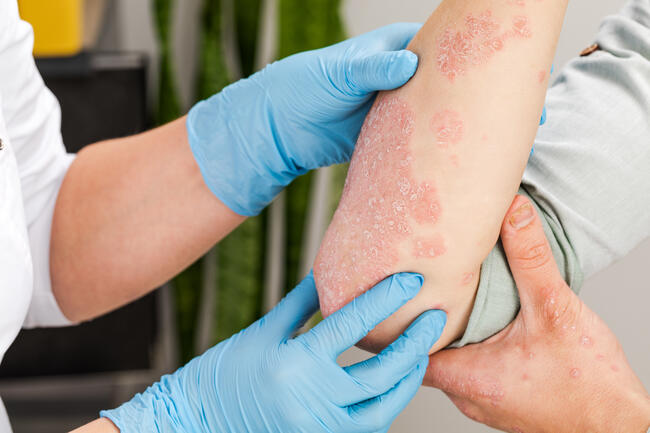
Dr. Guttman’s focus is on inflammatory skin diseases. Her groundbreaking research on atopic dermatitis focuses on understanding the mechanisms underlying the disease and promotes development of therapeutics.
Dr. Guttman has received recognition for excellence in dermatologic research from the American Academy of Dermatology: the Young Investigator Award (2011), the Dermatology Foundation’s Physician-Scientist Career Development Award and the award for the Best Presentation of the American Contact Dermatitis Society.
Since July 2011, Dr. Guttman has been an Assistant Professor of Dermatology and Immunology and the Director of Occupational/Contact Dermatitis at the Mount Sinai School of Medicine in New York.
Q. What part of your work gives you the most pleasure?
A. I like the physician-scientist approach of bedside to bench and back to bedside. I like the interaction with patients and grasping the clinical challenges we face when we treat diseases that we do not yet have a full understanding of and then going back to the lab and seeking potential answers or avenues to improve therapeutic outcomes. Since I deal with atopic dermatitis, a disease that still does not have good therapeutics, I feel frustrated many times, when my hands are tied because I have no cure to offer.
Q. What is your greatest regret?
A. I usually do not look back at my choices, and do not have regrets for what I have done. My only regret is the inability to spend more time with my children, although I am trying the best I can to combine motherhood and a busy professional career.
Q. Who was your hero/mentor and why?
A. I was blessed with several extraordinary mentors, starting with my PhD mentor, Dr. Ronit Sarid, with whom I did my HHV-8 work that influenced my research path and my passion for obtaining clinical answers through bench work.
Dr. Reuven Bergman was my chairman in Israel and I will always view him as a very important mentor who shaped my professional life. Lastly, Jim Krueger, the head of investigative dermatology at Rockefeller, exposed me to inflammatory skin diseases and enabled me to pursue research about atopic dermatitis and consolidate my research career. Jim is certainly a role model/hero for me, with his commitment to develop research and a future generation of physician scientists.
Q. Which patient had the most effect on your work and why?
A. A patient with erythrodermic atopic dermatitis who did not respond to multiple treatments including immunosuppressants. This made me decide to focus my research on this debilitating disease.
Q. What is the best piece of advice you have received and from whom?
A. The best advice I received is from Dr. Gil Yosipovitch, my friend who advised me to do my post-doctoral training with Jim Krueger at Rockefeller. It is his advice that ultimately changed my professional life, inspiring me to retrain and assume a physician-scientist career in the United States. I very much thank him for this piece of advice every time I see him.
In dermatology, we are fortunate to have many insightful practitioners and great teachers and mentors. Some are bright stars in our special universe – others unsung heroes. All of these colleagues have much to share from wisdom to humor to insights into dermatology and life. This column allows us to gain insight from these practitioners and learn more about them.
SPOTLIGHT ON: EMMA GUTTMAN, MD, PhD
Biography
 Dr. Emma Guttman was born in Romania and immigrated to Israel at 8 years of age. She completed two residencies in dermatology, one in Israel and one in the United States. She earned her MD from Sackler School of Medicine at Tel-Aviv University and her PhD from Bar-Ilan University, Ramat-Gan, Israel. After completing her first dermatology residency in Israel and obtaining her Israeli board certification in dermatology (2005), she moved to the United States to pursue a postdoctoral fellowship at Rockefeller University in the Laboratory for Investigative Dermatology, followed by a second dermatology residency training in the Department of Dermatology at Weill-Cornell Medical College in New York.
Dr. Guttman’s focus is on inflammatory skin diseases. Her groundbreaking research on atopic dermatitis focuses on understanding the mechanisms underlying the disease and promotes development of therapeutics.
Dr. Guttman has received recognition for excellence in dermatologic research from the American Academy of Dermatology: the Young Investigator Award (2011), the Dermatology Foundation’s Physician-Scientist Career Development Award and the award for the Best Presentation of the American Contact Dermatitis Society.
Since July 2011, Dr. Guttman has been an Assistant Professor of Dermatology and Immunology and the Director of Occupational/Contact Dermatitis at the Mount Sinai School of Medicine in New York.
Q. What part of your work gives you the most pleasure?
A. I like the physician-scientist approach of bedside to bench and back to bedside. I like the interaction with patients and grasping the clinical challenges we face when we treat diseases that we do not yet have a full understanding of and then going back to the lab and seeking potential answers or avenues to improve therapeutic outcomes. Since I deal with atopic dermatitis, a disease that still does not have good therapeutics, I feel frustrated many times, when my hands are tied because I have no cure to offer.
Q. What is your greatest regret?
A. I usually do not look back at my choices, and do not have regrets for what I have done. My only regret is the inability to spend more time with my children, although I am trying the best I can to combine motherhood and a busy professional career.
Q. Who was your hero/mentor and why?
A. I was blessed with several extraordinary mentors, starting with my PhD mentor, Dr. Ronit Sarid, with whom I did my HHV-8 work that influenced my research path and my passion for obtaining clinical answers through bench work.
Dr. Reuven Bergman was my chairman in Israel and I will always view him as a very important mentor who shaped my professional life. Lastly, Jim Krueger, the head of investigative dermatology at Rockefeller, exposed me to inflammatory skin diseases and enabled me to pursue research about atopic dermatitis and consolidate my research career. Jim is certainly a role model/hero for me, with his commitment to develop research and a future generation of physician scientists.
Q. Which patient had the most effect on your work and why?
A. A patient with erythrodermic atopic dermatitis who did not respond to multiple treatments including immunosuppressants. This made me decide to focus my research on this debilitating disease.
Q. What is the best piece of advice you have received and from whom?
A. The best advice I received is from Dr. Gil Yosipovitch, my friend who advised me to do my post-doctoral training with Jim Krueger at Rockefeller. It is his advice that ultimately changed my professional life, inspiring me to retrain and assume a physician-scientist career in the United States. I very much thank him for this piece of advice every time I see him.
In dermatology, we are fortunate to have many insightful practitioners and great teachers and mentors. Some are bright stars in our special universe – others unsung heroes. All of these colleagues have much to share from wisdom to humor to insights into dermatology and life. This column allows us to gain insight from these practitioners and learn more about them.
SPOTLIGHT ON: EMMA GUTTMAN, MD, PhD
Biography
Dr. Emma Guttman was born in Romania and immigrated to Israel at 8 years of age. She completed two residencies in dermatology, one in Israel and one in the United States. She earned her MD from Sackler School of Medicine at Tel-Aviv University and her PhD from Bar-Ilan University, Ramat-Gan, Israel. After completing her first dermatology residency in Israel and obtaining her Israeli board certification in dermatology (2005), she moved to the United States to pursue a postdoctoral fellowship at Rockefeller University in the Laboratory for Investigative Dermatology, followed by a second dermatology residency training in the Department of Dermatology at Weill-Cornell Medical College in New York.
Dr. Guttman’s focus is on inflammatory skin diseases. Her groundbreaking research on atopic dermatitis focuses on understanding the mechanisms underlying the disease and promotes development of therapeutics.
Dr. Guttman has received recognition for excellence in dermatologic research from the American Academy of Dermatology: the Young Investigator Award (2011), the Dermatology Foundation’s Physician-Scientist Career Development Award and the award for the Best Presentation of the American Contact Dermatitis Society.
Since July 2011, Dr. Guttman has been an Assistant Professor of Dermatology and Immunology and the Director of Occupational/Contact Dermatitis at the Mount Sinai School of Medicine in New York.
Q. What part of your work gives you the most pleasure?
A. I like the physician-scientist approach of bedside to bench and back to bedside. I like the interaction with patients and grasping the clinical challenges we face when we treat diseases that we do not yet have a full understanding of and then going back to the lab and seeking potential answers or avenues to improve therapeutic outcomes. Since I deal with atopic dermatitis, a disease that still does not have good therapeutics, I feel frustrated many times, when my hands are tied because I have no cure to offer.
Q. What is your greatest regret?
A. I usually do not look back at my choices, and do not have regrets for what I have done. My only regret is the inability to spend more time with my children, although I am trying the best I can to combine motherhood and a busy professional career.
Q. Who was your hero/mentor and why?
A. I was blessed with several extraordinary mentors, starting with my PhD mentor, Dr. Ronit Sarid, with whom I did my HHV-8 work that influenced my research path and my passion for obtaining clinical answers through bench work.
Dr. Reuven Bergman was my chairman in Israel and I will always view him as a very important mentor who shaped my professional life. Lastly, Jim Krueger, the head of investigative dermatology at Rockefeller, exposed me to inflammatory skin diseases and enabled me to pursue research about atopic dermatitis and consolidate my research career. Jim is certainly a role model/hero for me, with his commitment to develop research and a future generation of physician scientists.
Q. Which patient had the most effect on your work and why?
A. A patient with erythrodermic atopic dermatitis who did not respond to multiple treatments including immunosuppressants. This made me decide to focus my research on this debilitating disease.
Q. What is the best piece of advice you have received and from whom?
A. The best advice I received is from Dr. Gil Yosipovitch, my friend who advised me to do my post-doctoral training with Jim Krueger at Rockefeller. It is his advice that ultimately changed my professional life, inspiring me to retrain and assume a physician-scientist career in the United States. I very much thank him for this piece of advice every time I see him.