Preparing Patients for Adjuvant Immunotherapy: A Practical Guide
In this video, a medical oncologist and a dermatologist/Mohs surgeon share practical strategies for counseling patients about adjuvant immunotherapy, including discussing recurrence risk, setting treatment expectations, preparing patients for immune-related adverse events, and supporting ongoing communication throughout treatment.
How do you introduce the concept of adjuvant immunotherapy to patients who feel their cancer has already been “removed”?
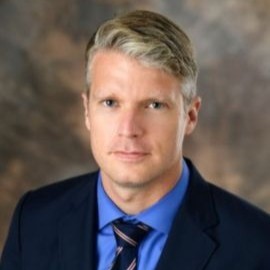
Dr Martin Dietrich: So I think one of the most important parts of discussing adjuvant therapy and the indication for adjuvant therapy is to help the patient understand what the risk is. So I typically try to set the expectation that surgery by itself may not always be the only option and the only necessary step of treatment that would be discussed. And then I work my way backwards in case we don't have to, but I tell them, "Look, we're going for surgery. Let's see what the pathology report shows, and then we can tell what your risk is of having further disease and can then decide about additional treatment." I introduce surgery, I introduce radiation therapy, I introduce immunotherapy in the very first visit that I have and set the expectation and that there's oftentimes a risk of recurrence, that we can remove what is visible, but oftentimes not be fully able to predict what may be microscopically present.
How do you counsel patients about immune-related adverse events?
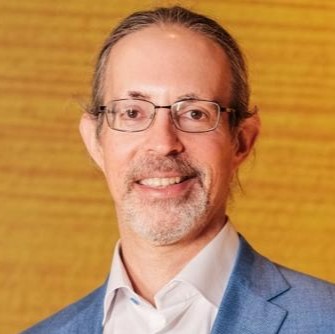
Dr Todd Schlesinger: Discussing immunotherapy, you have to get into quite a bit of detail on the adverse event profile. Fortunately, most patients tolerate immunotherapy well, but there are those that have not only near-term, but also long-term adverse events that can happen with immunotherapy, not only while they're on therapy, but even long after they're off therapy. They have to be aware that some of these things can happen to them down the road. Patients have underlying autoimmune disease or blood dyscrasias of one kind or another. Oftentimes, they have more aggressive squamous cell carcinomas. They have to be informed that in those cases, actually, immunotherapy might be more helpful, even though there's risk factors that come along with having those things as well. And then just making sure the patient has a family support in place as well. It's another big piece of it.
Dr Martin Dietrich: I always tell them, if you think about calling, call, never screen this out yourself and try to manage yourself. The early intervention is so important. I tell them, "Look, if you may have reached a tipping point where your immune system is capable," many of these autoimmune side effects coincide with their best immune responses and oftentimes patients don't need any more treatments afterwards, but the communication is really key. I always worry about patients that are not good communicators and that live alone so that their side effects are delayed in diagnosis and treatment. And that's probably one of my biggest concerns.
Dr Todd Schlesinger: So in certain cases, if you have certain adverse events, you don't really want to go back to that immunotherapy again because that risk is multiplied. And other adverse events, like for skin, for example, with skin adverse events, they have quite a bit of dermatitis or whatever. We typically can manage that quite well and the patient can continue.
What practical guidance do you provide patients before starting immunotherapy?
Dr Todd Schlesinger: I think the one thing that if I'm going to start somebody, recommend they start immunotherapy, it's going to be a lot about making sure they're as healthy as they can be going in. So, if there's any comorbidities that we can get under control better, diabetes under control, nutrition as best we can. I like to tank them up and make sure that they're really in the best shape they can be when they start without taking too much time. So we do that, make sure they've seen their primary care doctor, they have gotten their blood pressure under control, they have gotten their diabetes that they have it under control, try to get the nutrition tanked up so that way they have the best choices and make sure they know sleeping well is important, staying hydrated, all the things that can help them do better.
Dr Martin Dietrich: Yeah, I couldn't agree more. For us, the biggest challenge is that the patient has to understand that we're really not primarily treating their cancer, but that we're retraining their immune system to treat the cancer for us and that the immune system is a variable. For some patients, it responds very aggressively, very early. For others, slower over time. Especially as patients are recovering from surgery, the nutritional status gets better and their immune system ramps up. We can see some delays. So I always tell my patients it's very difficult to monitor immunotherapy unless the patient and the family of the patient is willing to help us with clinical monitoring and that those symptoms are brought to attention immediately.
What are the most important considerations clinicians should keep in mind when managing high-risk CSCC?
Dr Todd Schlesinger: As much as we're talking about all these adverse events, immunotherapy is generally well tolerated. So I think there's a lot of fear out there that I come across just talking to clinicians in the community about immunotherapy, about advanced cancer per se. And maybe as a clinician in a day-to-day dermatology practice, not really being able to explain that to a patient the way we're having this conversation now, so take that away and that education piece and be able to at least have that initial conversation that these therapies exist and to get patients into the right pathway is important. And of course be the center as a dermatologist, of course, be the center of the care team. Dr Dietrich said as an oncologist, be the center of his care team and that your patient sees you as their trusted clinician and that you can help them navigate these rough waters.
Dr Martin Dietrich: I think this was a pretty comprehensive overview. Again, I think the communication is heart and center amongst physicians and then amongst the physician and the patient. So I think those are really critical centerpieces of delivering good immunotherapy care.
© 2026 HMP Global. All Rights Reserved. Any views and opinions expressed are those of the author(s) and/or participants and do not necessarily reflect the views, policy, or position of the Dermatology Learning Network or HMP Global, their employees, and affiliates.