Unmet Needs in the Management of High-Risk CSCC
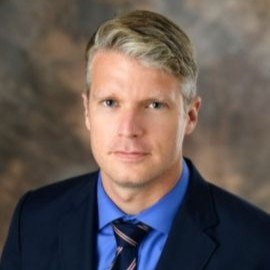
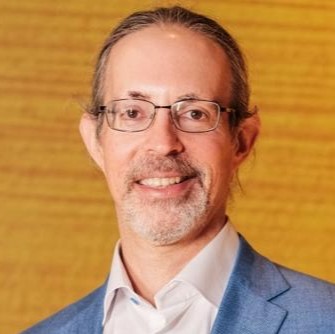
In this video, a medical oncologist and a dermatologist/Mohs surgeon discuss the evolving management of high-risk CSCC, highlighting challenges in risk recognition, multidisciplinary coordination, and identifying patients who may benefit from evaluation beyond local treatment.
What are the current challenges or unmet needs in high-risk CSCC care?
Dr Martin Dietrich: Cutaneous squamous cell carcinoma is such a common cancer, but every case presents differently. Location is different, the degree of challenge is different. So it's not as easily of a unified disease as you would think. Trying to get everybody involved, trying to get everybody on the same page and align our treatment plans with the patient's preferences and their clinical needs at the same time I think is probably still one of our biggest challenges.
Dr Todd Schlesinger: I think that one of the biggest unmet needs that I see is just education. Of course, for myself and others that are in the space, that recognition of skin cancer and which ones are high risk. That's the main thing as far as education goes is which patients are candidates for advanced therapies? How do you classify high-risk patients? I think that's one of the things that really, people have a lot of questions about in the community. And then also, of course, patient education as well. So we try to fill some gaps there as well as how to get patients better educated when it comes to immunotherapy.
What clinical features or patient scenarios raise concern that local management alone may not be enough?
Dr Todd Schlesinger: On my world, I'm looking for those high-risk factors in the patients. Number one is comorbidities, and there's two sets of comorbidities that you think about. One is background medical conditions and one is autoimmune disease. And then that includes blood cancers and things like that, that we consider to be high-risk types of conditions for immunotherapy where they might have a higher risk of immune-related adverse events. But those are the first things I think of as well, maybe higher-risk patients and then also the risk factors of the tumor itself. So the patient risk factors and tumor risk factor.
If, in our case, we're doing Mohs surgery, we come across some high-risk factors in the tumor itself. Say we are in the middle of Mohs, and we find the perineural invasion, and what's the depth and level of the perineural invasion going on that portends, "Hey, does this patient maybe have nodal disease, or they require additional imaging to find out where they are with that? Are they going to require adjuvant therapy after that based on the risk factor?" So I think those are key things that we see initially when patients present.
Dr Martin Dietrich: Yeah, I would agree. I would group them in two big categories. One is the locally advanced and the other one is the metastatic, of which we have the lymph node metastatic disease and then, obviously, the distant metastatic disease that we think of more systemic therapies.
And again, there are many risk factors that compound on top of each other. Some are patient specific, some are tumor specific, and I'm trying to find the best way. Again, it is ideal for us to have the full input from every specialty, from radiation, from surgery, whether done by dermatology or by a surgical oncologist, a head and neck oncologist, and then obviously medical oncology and pathology really working together and finding the best outcome. I think that's really important.
We have very good outcomes with most of the cutaneous squamous cell carcinomas, but oftentimes what we do is very challenging for the patient. So really providing a solution that fits the patient's needs in the best possible way is one of the great opportunities, but also one of the great challenges in delineating a best multidisciplinary outcome.
Where do multidisciplinary coordination or referral challenges most commonly occur?
Dr Todd Schlesinger: Yeah, there's lots of challenges I think in that respect. In the community setting, I think it's probably more challenging; me in isolation, of course, in private practice, so the challenge would be finding out who the specialists are who are interested in seeing these patients, being able to get these patients into those specialists in a reasonable timeframe, and then establishing a communication method.
Dr Martin Dietrich: Yeah, we get the same problem. We have patients coming through so many different channels, that's very difficult to unify. Sometimes I wish they would be involved earlier. Sometimes we do this in a more sequential fashion. I think we have to, oftentimes, ideally see the patients upfront before we do the first step of therapy after biopsy is obtained and trying to see if there's anything we can do to help facilitate a surgery or to maybe really risk stratify a patient for proper first steps in treatment.
It's very important to get the very first step in treatment right and ensure that the outcome is optimal. But it's very difficult to coordinate because, again, this is not rare disease that is only seen by two or three patients in our region, but every dermatologist sees them. So we oftentimes really need to establish these interpersonal connections.
I think that's very important having a direct contact, having a frictionless access, a cellphone number or a back-line number in the office so that you can get to the person that you need to speak to very quickly, makes it a lot more feasible and a lot easier.
How has the conversation around adjuvant evaluation evolved in recent years?
Dr Martin Dietrich: I think the biology of cutaneous squamous cell carcinoma and immunotherapy is exceptionally good. So the opportunity is unique and those have to be carefully selected cases. We have to make sure that the high risk nature of the disease is well established, that we're seeing patients that are really understanding the risk-benefit calculation when we're offering additional therapies, what the complications may be.
Dr Todd Schlesinger: That we want to make sure that we're treating the patients who can benefit from that. So if they're really not a very high-risk patient, they may not get that much benefit derived from it, but if they fall into the right category, then they should have significant benefit from receiving immunotherapy even after radiation. So that's been probably the newest development that we've seen lately.
© 2026 HMP Global. All Rights Reserved. Any views and opinions expressed are those of the author(s) and/or participants and do not necessarily reflect the views, policy, or position of the Dermatology Learning Network or HMP Global, their employees, and affiliates.