Seven Key Points for EMS Response to MCIs
Mass casualty incidents (MCIs) present significant challenges for EMS, where effective triage, resource management, and rapid adaptability are essential. What are the lessons learned from previous incidents, and how can we develop guidelines to align with the specific needs and operational realities of EMS?
Effective MCI response for EMS begins well before an incident occurs, with robust communication protocols, inter-agency coordination, and a tiered response plan that enables EMS organizations to quickly adjust to the scale and nature of the event. This reimagined framework empowers EMS to navigate the unpredictable environment of an MCI, optimize patient outcomes, and support hospitals with better prepared patient inflow.
Communications
The confusion surrounding the first reports of an incident is common to every response. EMS, police, and fire frequently don’t share a common frequency for coordinating an event. Cellphones, while a boon to accessing 9-1-1 to report car accidents and heart attacks, in the event of an MCI, quickly overload the system as bystanders and victims call for help.
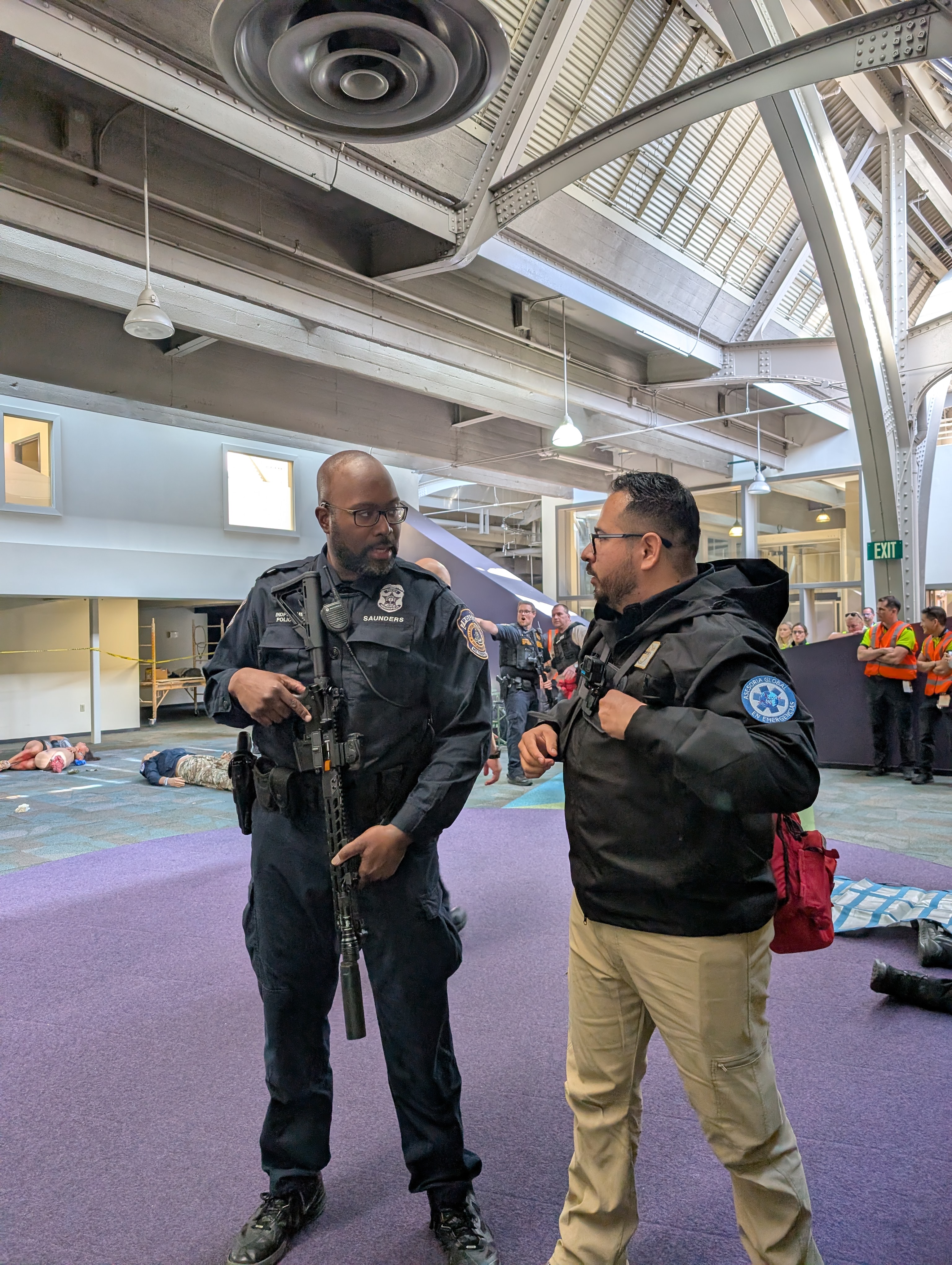
As a result, initial reports are confused and inaccurate regarding the cause of an MCI event, its severity, and the conditions at the scene. The San Bruno pipeline explosion resulted in multiple reports of a plane crash (San Francisco International Airport is two miles from the scene) or an earthquake. Incorrect information will be sent out via social media, compounding the confusion of not only victims but to emergency responders.
Keep early reports in perspective. The first World Trade Center attack in February of 1993 was first reported as a transformer explosion, a common event at that time in NYC. It wasn’t until the first units arrived on scene that the scope and magnitude of the event could be evaluated. Those initial phone reports serve as notification of an MCI, but should not be counted on as a reliable indicator for planning a detailed response.
Initiate your disaster response for the highest probable number of casualties. Once on scene re-evaluate and then roll back and stand down as you gain a better understanding as the situation evolves.
Much of this will be community dependent—a small town, with access to one hospital in another community miles away, may require a fewer number of patients to overload their EMS system than New York or Chicago. To improve readiness for this, create a tiered response plan based on the likely number of injured patients. Your Level 3 response may be for up to 10 patients; your Level 2 response may be for 11 to 25 patients; and your Level 1 response may be for 25 or more patients.
Your Level 1 response plan may include flexing up ambulance services that provide primarily interfacility and critical care transport services to either A) respond directly to the scene and/or B) to move patients out with multiple and landing zones to move critical patients from the scene to outlying hospitals to reduce the overload. Depending on the size of the incident you may need to utilize nonhospital based treatment centers, urgent cares for example, to care for patients with minor injuries. Hospitals may need assistance with moving blood from blood banks to their facilities—using Uber or Lyft may be a tool that could be used.
Minimally Injured Patients
Patients who have suffered minor injuries will self extricate, most of the time before the first ambulances arrive on scene. Where will they go? The Tokyo Sarin gas attack had hundreds of patients walk to the closest emergency department. The same thing happened during the Las Vegas shooting. Anyone who self transports doesn’t check bed statuses; they aren’t concerned with load-balancing to manage the system effectively. This results in hospitals being overrun with minimally injured patients.
Address this with hospitals now. Identify triage and casualty collection areas outside the main emergency department. This might be a parking lot or the lobby of the hospital when the weather is inclement.
What kind of communication could you send out via text message or broadcast over FM and AM radios regarding hospitals that would reach people on scene who may self transport that would help direct patients?
Friends/Family/Media
Every major incident has people who respond directly to the scene. These individuals are not patients, and they don’t require care, but they may be family or friends of patients. The news media will show up, along with individuals interested in live-streaming the event, providing information that is unfiltered and unverified to the public at large. If this is a terror event, terrorists may be looking for secondary targets of opportunity.
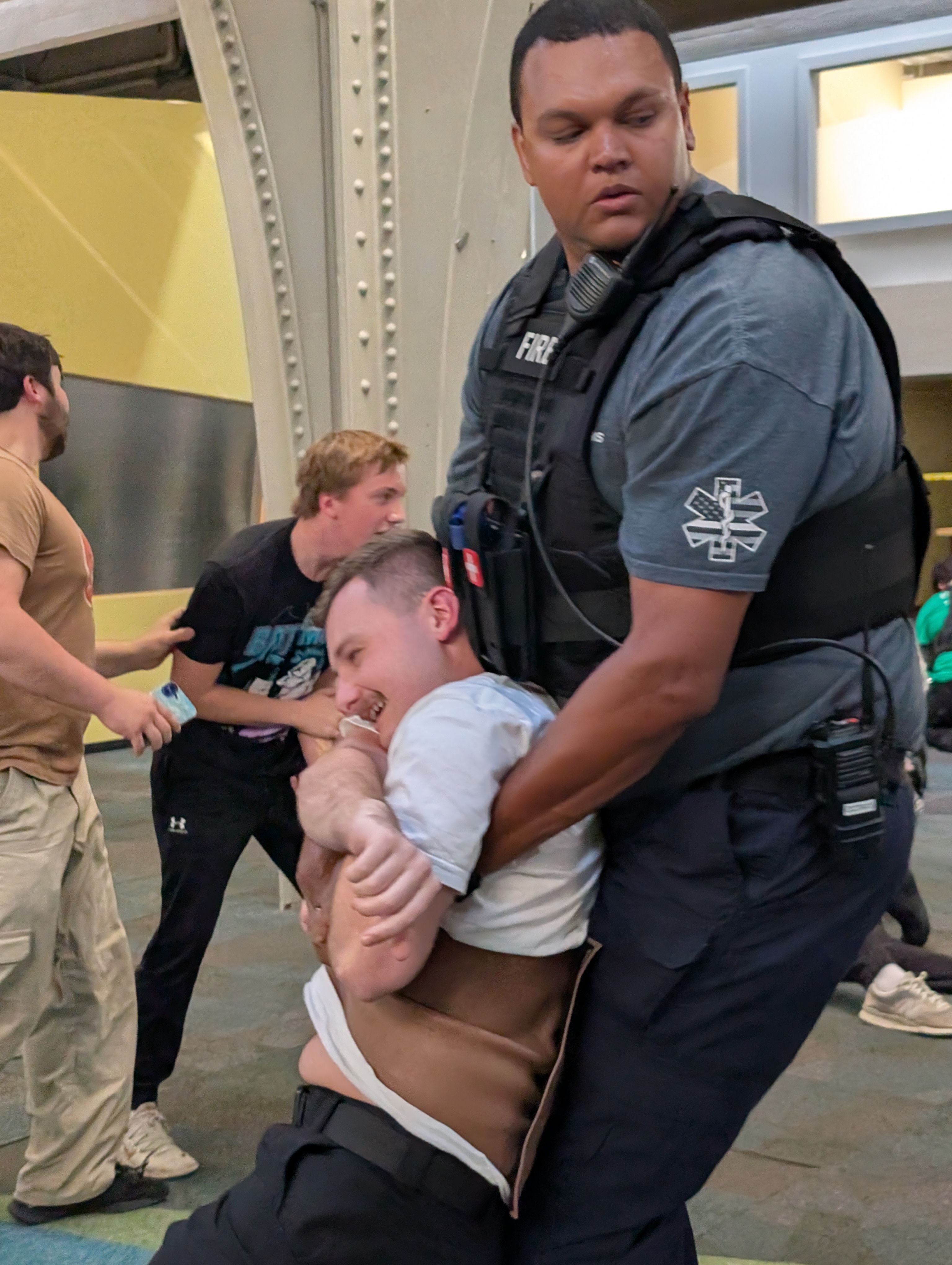 In an attempt to maintain a semblance of order:
First, establish a perimeter and to the best extent possible lock down the scene. Depending on size and scope of the incident, this may be easier said than done.
Second, establish a family area out of view of the media. Use this site to facilitate connections/reunions or to direct them to a hospital. Have victim services, grief counselors, and chaplains/humanists on scene to help families. This will be crucial if you will be providing death notifications on the scene.
Third, establish a press/media area. Make sure the area can accommodate their space and equipment needs. Provide updates or a schedule for when updates will be provided. Make sure that you have the capability to provide cloud access to any videos, audio, photos, or press releases that you may want to release, but can’t send via e-mail because of size.
Fourth, do you have special populations who need care? Patients with behavioral/mental health diagnoses who are in a care facility? Is there a correctional facility nearby that needs to be evacuated or that has been involved in the incident as well? Where and how you provide care for these special populations is critically important. Identify and designate special areas that can accommodate their needs. For example, moving patients who are in a group home who have a mental health diagnosis to a location that is removed from the incident scene, to reduce their stress and de-escalate the emotional anxiety of the event, is important. Do you have access to a secure facility for those who are in a correctional center?
Volunteers Begin to Appear
Depending on the length of time of an incident, or during larger-scale incidents, you will always have individuals who will attempt to "freelance" an incident. Most EMS systems have a mechanism to control outside agencies from just showing up, but sometimes you will get individuals who will grab some gear and show up. How will you manage them? If you decide to use volunteers who show up because of the size and scope of the incident, how will you verify credentials? Will they be covered if they are injured? Don’t wait until day of to figure this out; get it done now.
Demand Surges
During the first 10 minutes of an MCI as you begin to triage patients, you are simultaneously controlling bleeding, opening airways, and performing the minimal lifesaving care necessary. You will rapidly exceed the capacity of your trauma bags and ambulances in incidents of 50, 100, or 200 patients.
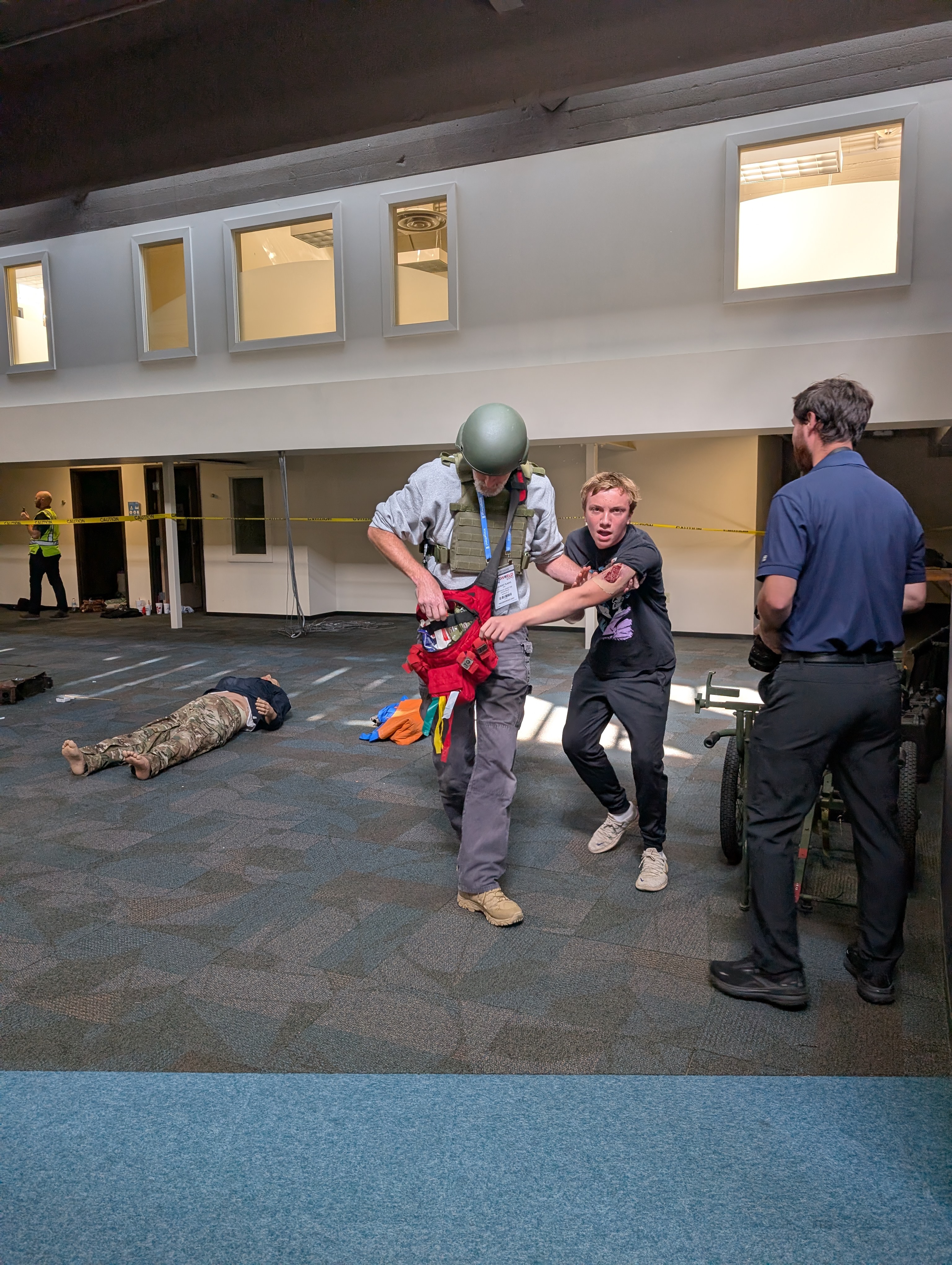 How is your system going to supplement equipment and supplies to replenish people in the field? If someone has to respond back to your headquarters to get supplies, are they ready to be deployed quickly? Some locales have individuals and vehicles dedicated to respond at a moment’s notice; others are dependent on someone responding back to start up the MCI vehicle and respond to the scene.
You still have to meet the day-to-day needs of your community for 9-1-1 requests for care, in addition to the overwhelming demands of an MCI. What is your plan for mutual aid and automatic aid? The same community you are requesting mutual aid support from may only be able to supply enough resources to address either mutual aid to the scene or automatic aid for your 9-1-1 requests. They might be able to meet the needs for both. Make sure there is an organized plan for your town, your county, and your region.
Hospital surge is another crucial factor. Depending on how many patients self extricate to the hospital, how many patients you bring to a particular facility, and the normal day-to-day EMS demand, hospitals may not be prepared to turn around ambulances quickly to get them back to the scene. Is there a plan to manage this? If the hospital can discharge patients to clear beds, can they identify an area of the hospital where those patients could be moved to, and an orderly discharge process can be undertaken? Which patients can be transferred out to other hospitals?
Do you have an EMS system that uses blood in the field? In a large enough incident, you may run into a temporary shortage of whole blood, since hospitals, most likely trauma centers, will have an increased demand for blood to implement a massive transfusion protocol, for instance. Any blood given in the field by EMS means we have a greater need for coordination with hospital-based and regional blood banks.
Patient Tracking
Patient tracking, next to communications, is another area in which EMS constantly struggles. The use of color-coded wristbands with barcodes/QR codes is one possible solution. Another is a mobile patient tracking app that can be linked to your command post, hospitals, and comms center. Tasking a group such as the Red Cross or Salvation Army to assist with this task would reduce the load for EMS and hospitals. A range of solutions is necessary to solve this problem. Train and then plan an exercise to test any possible solutions you have before an event occurs.
EMS as the Victim
EMS services have become victims of disasters. While not intentional, we have all heard of tornados, hurricanes, earthquakes, and fires that have destroyed EMS headquarters, ambulances, equipment, and supplies. Plan and prepare for the worst-case scenario and what your service will do if they become a victim to an event.
Effective EMS response to MCIs hinges on thorough planning, clear communication, and flexible adaptation, empowering responders to manage chaos, save lives, and support communities.
References
Auf der Heide, E. (2006). The importance of evidence-based disaster planning. Annals of Emergency Medicine, 47(1), 34-49.
Barbera, J.A., & Macintyre, A.G. (2007). Medical and health incident management (MaHIM) system: A comprehensive functional system description for mass casualty medical and health incident management. Prehospital and Disaster Medicine, 22(6), 473-481.
Christen, H.T., & Maniscalco, P.M. (1998). The EMS incident management system: Operations for mass casualty and high impact incidents (1st ed.). Prentice Hall.
Christen, H.T., & Maniscalco, P.M. (2002). Mass casualty and high-impact incidents: An operations guide. Prentice Hall.
U.S. Department of Justice (2024). Critical Incident Review: Active Shooter at Robb Elementary School, https://portal.cops.usdoj.gov/resourcecenter/content.ashx/cops-r1141-pub.pdf