Percutaneous Transmural Arterial Bypass Using the DETOUR System for Chronic Limb-Threatening Ischemia with Single-Vessel Runoff
Introduction
Chronic limb-threatening ischemia (CLTI) is the most severe subset of peripheral arterial disease (PAD), manifesting in ischemic rest pain, nonhealing wounds and ulcers, and gangrene.1 It is estimated to occur in 20% of patients, with 30% of patients requiring an amputation, and is associated with a 25% to 35% mortality.2 Many patients with CLTI have long femoropopliteal lesions >20 cm. Revascularization of these lesions is possible via either endovascular or surgical methods, with the choice of strategy dictated by anatomic complexity, conduit availability, or patient risk factors.3,4 Technically, surgical revascularization is limited by the absence of an ideal autologous venous conduit (only 11%-14% of patients), while endovascular intervention in lesions >20 cm is prone to higher rates of restenosis (~40%-60% at 3 years).5-8 For these reasons, up to 20% of patients with advanced CLTI may be ineligible for conventional revascularization and have an estimated 1-year amputation rate of 45% and mortality rate of 33%.9
The DETOUR System (Endologix) with percutaneous transmural arterial bypass (PTAB) is redefining the limits of endovascular intervention while simultaneously offering patients a similar extra-anatomic bypass. This novel technique utilizes a percutaneous approach to traverse from the proximal superficial femoral artery (SFA) into the parallel femoral vein with polytetraluroethylene (PTFE)-covered stent grafts that subsequently re-enter the SFA distal to the diseased segment, thereby creating a bypass.10 This procedure offers the advantage of percutaneous access and lower morbidity while simultaneously providing sustained patency in the context of endovascular interventions in long lesions.11 This case report discusses the utility of the DETOUR System for a patient with poor runoff and a high risk for limb loss.
Case Report: Poor Distal Runoff Post-DETOUR
Background
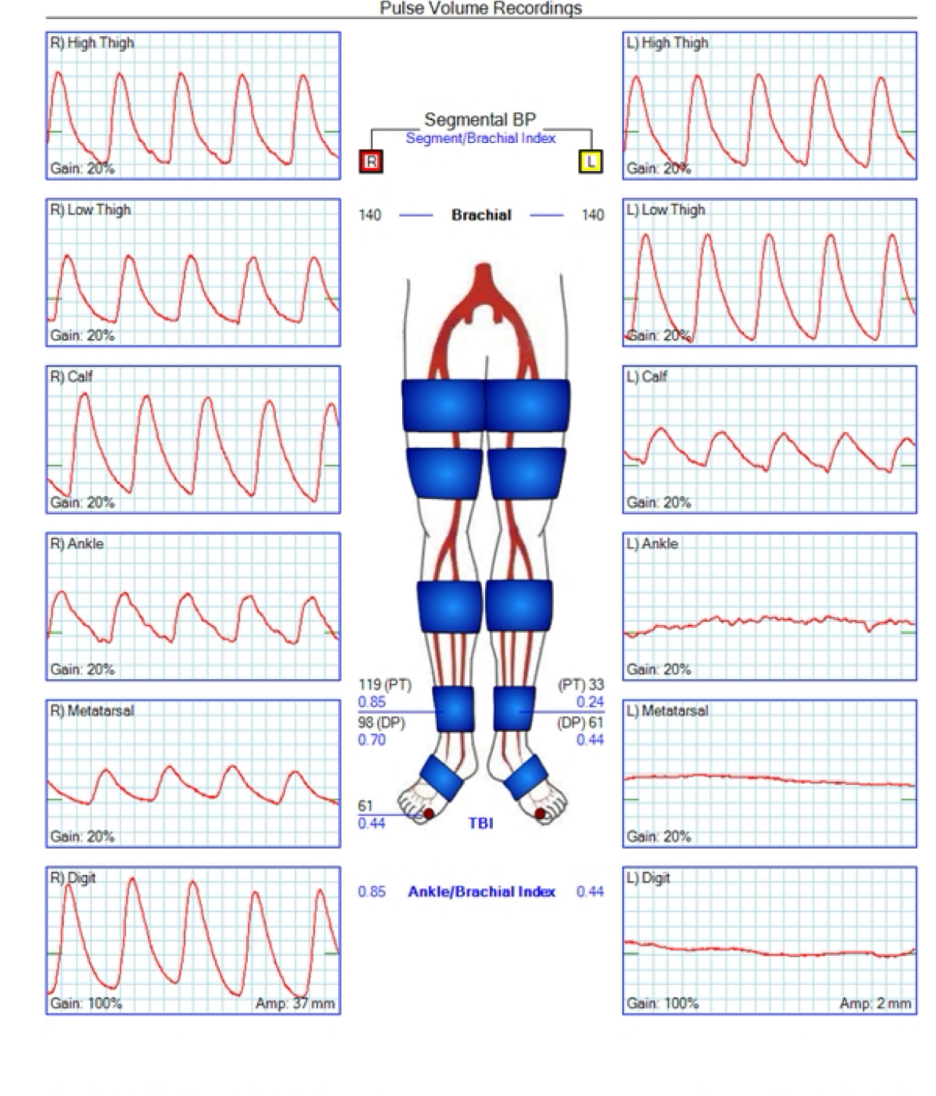
The patient was an 81-year-old man with type 2 diabetes mellitus, coronary artery disease, history of coronary artery bypass grafting (CABG), ischemic cardiomyopathy, left ventricular ejection fraction 30% to 35%, chronic kidney disease with rest pain, nonhealing ulcer of the medial and lateral plantar heel regions, and Rutherford Class 5 with a history of left SFA and popliteal artery stenting. Noninvasive testing revealed an ankle-brachial index of 0.44 on the left, with severe blunting of waveforms on pulse volume recording (Figure 1).
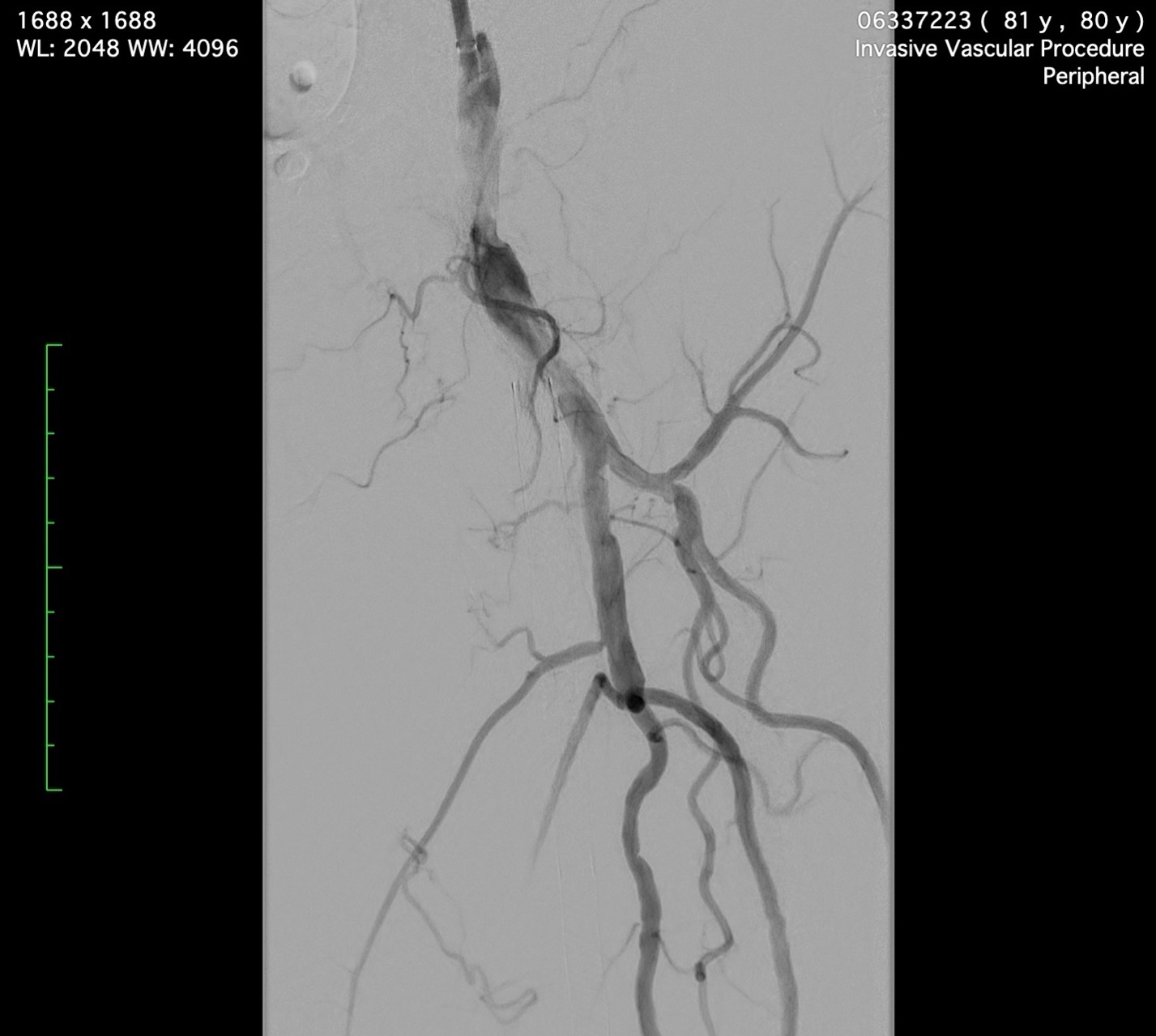
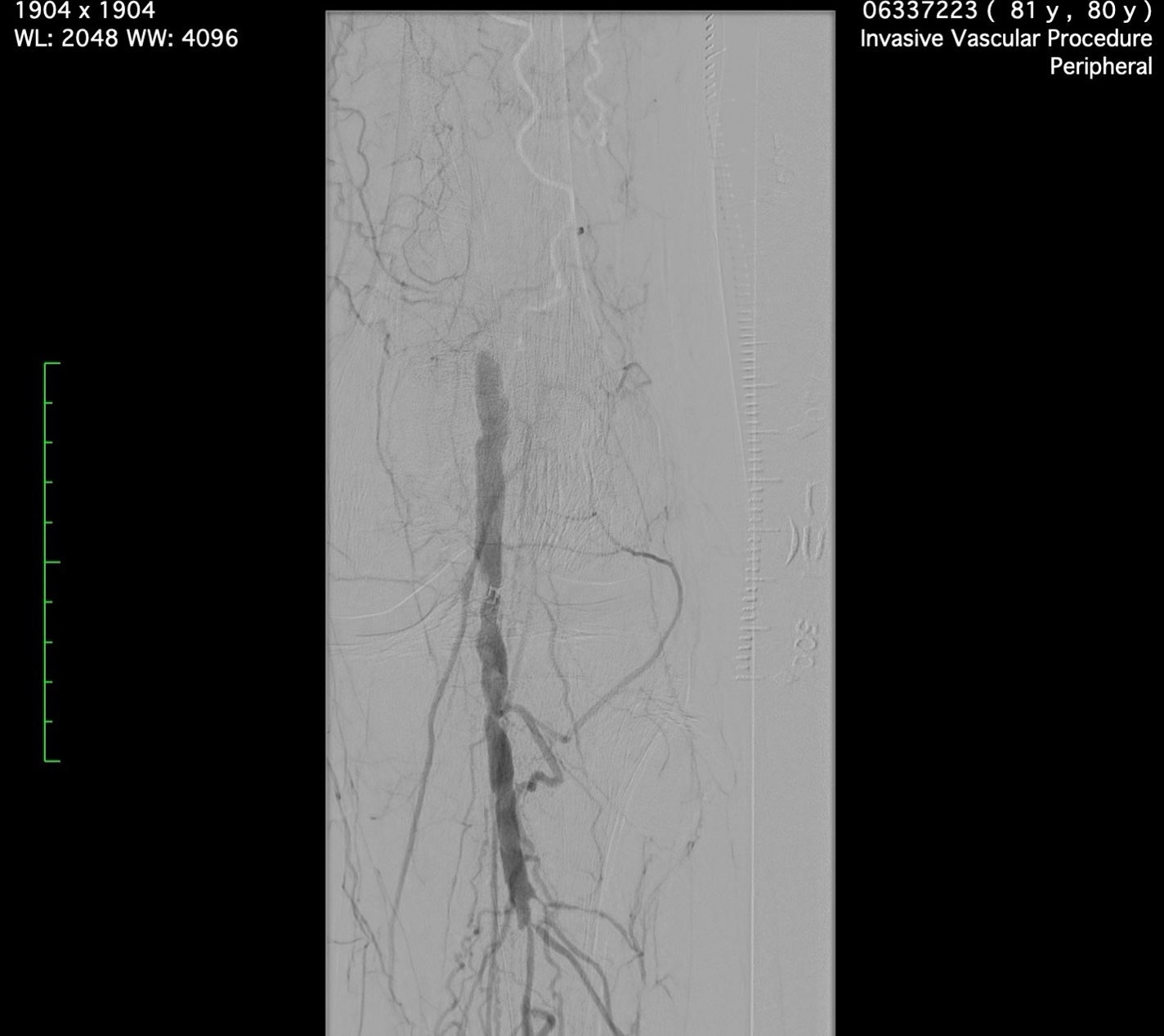
Angiography revealed occluded stents from the ostial SFA to the popliteal artery with single vessel runoff via the peroneal artery (Figures 2 and 3).
Because the patient had a history of CABG, no suitable vein for autologous femoropopliteal artery bypass, and a high risk for surgery given ischemic cardiomyopathy with recent admission for heart failure, it was decided to proceed with PTAB using the DETOUR System.
Procedural technique
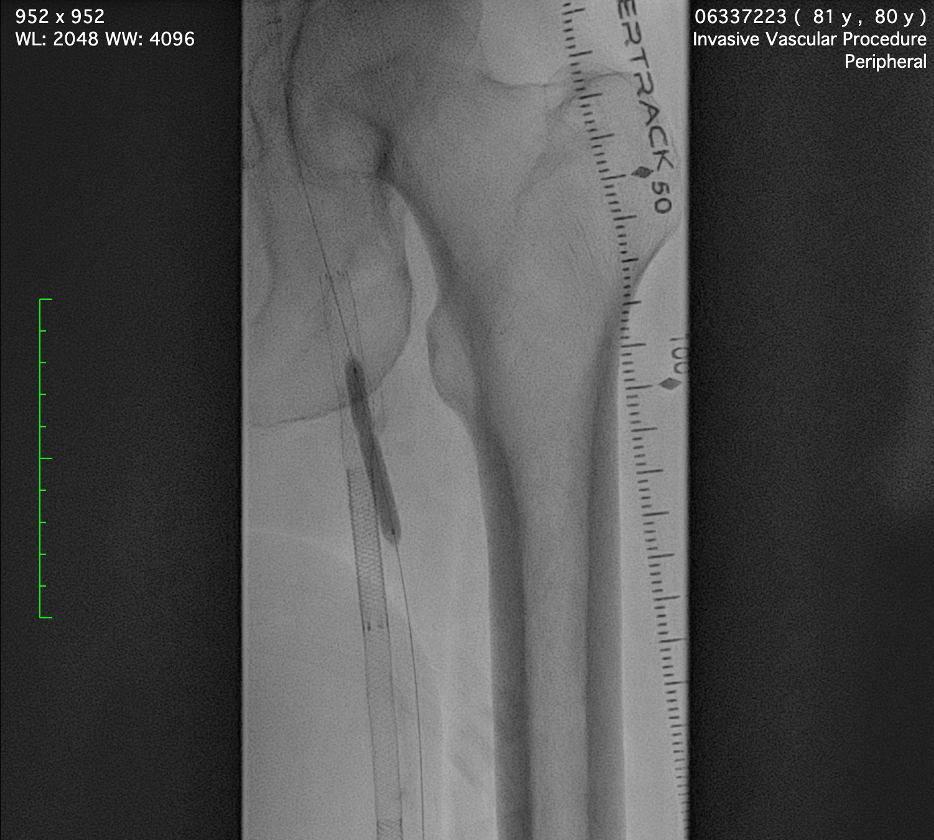
Access was obtained in the right common femoral artery (CFA), and an 8F 45-cm sheath was advanced to the contralateral left CFA. Heparin was given for anticoagulation. Venous access was obtained in the left posterior tibial vein and a 6F sheath was inserted. A 9 x 15-mm EN Snare (Merit Medical) was advanced through the venous sheath to the level of the lesser trochanter. Selective access was obtained in the left SFA stent and was predilated with a 5 x 40-mm balloon (Figure 4). An ENDOCROSS Device (Endologix) was advanced and inserted over a Grand Slam wire (Asahi Intecc), then advanced to the SFA/profunda bifurcation. The C-arm was orientated in the left anterior orientation projection to superimpose the ENDOCROSS with the snare. The ENDOCROSS was fired twice, creating the proximal anastomosis through the stent into the femoral vein, and a Spartacore wire (Abbott) was advanced into the vein and captured by the snare system. The snare system was removed, and the 0.014-inch x 300-cm wire was externalized through the venous sheath and secured. The ENDOCROSS was removed and re-prepped. A 5 x 40-mm balloon was used to dilate the arterial/venous anastomosis (Figure 4). The ENDOCROSS was advanced through the proximal anastomosis into the vein and positioned distal to the occlusion. The ENDOCROSS was fired once, creating a distal anastomosis and obtaining access into the popliteal artery. A Spartacore wire was then advanced into the popliteal artery. The ENDOCROSS was removed and a 4 x 40-mm balloon was used to re-balloon the anastomosis.
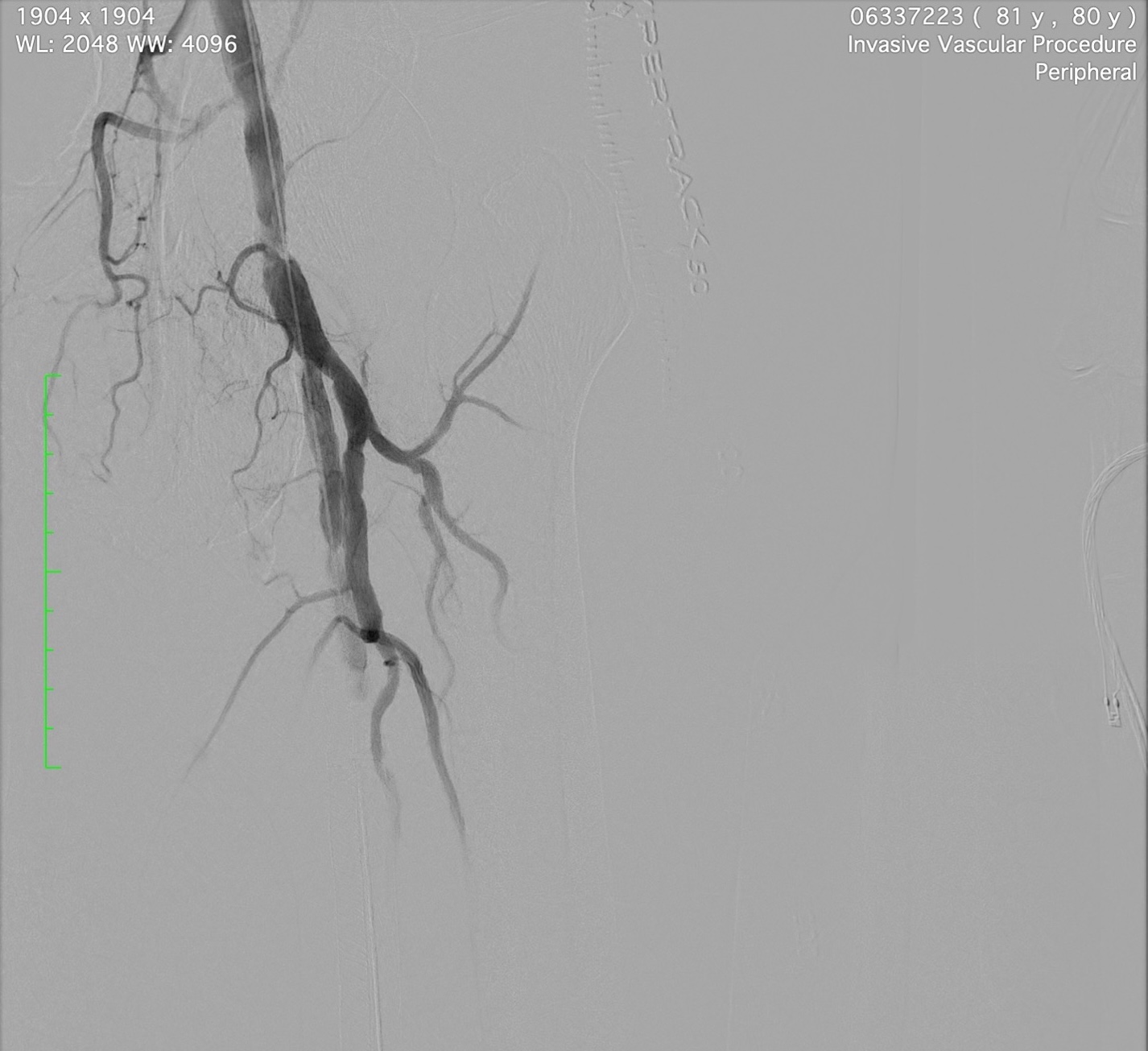
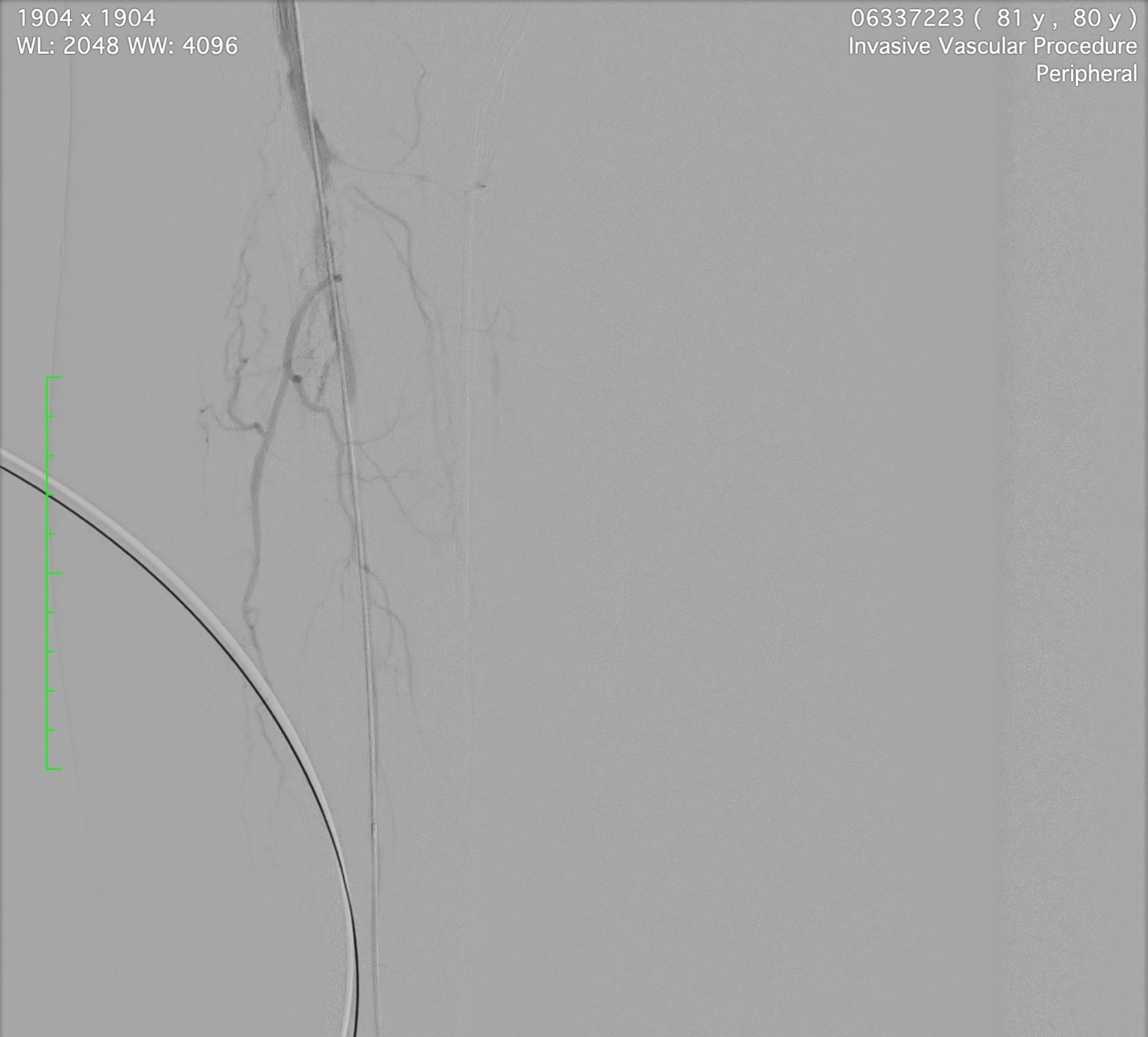
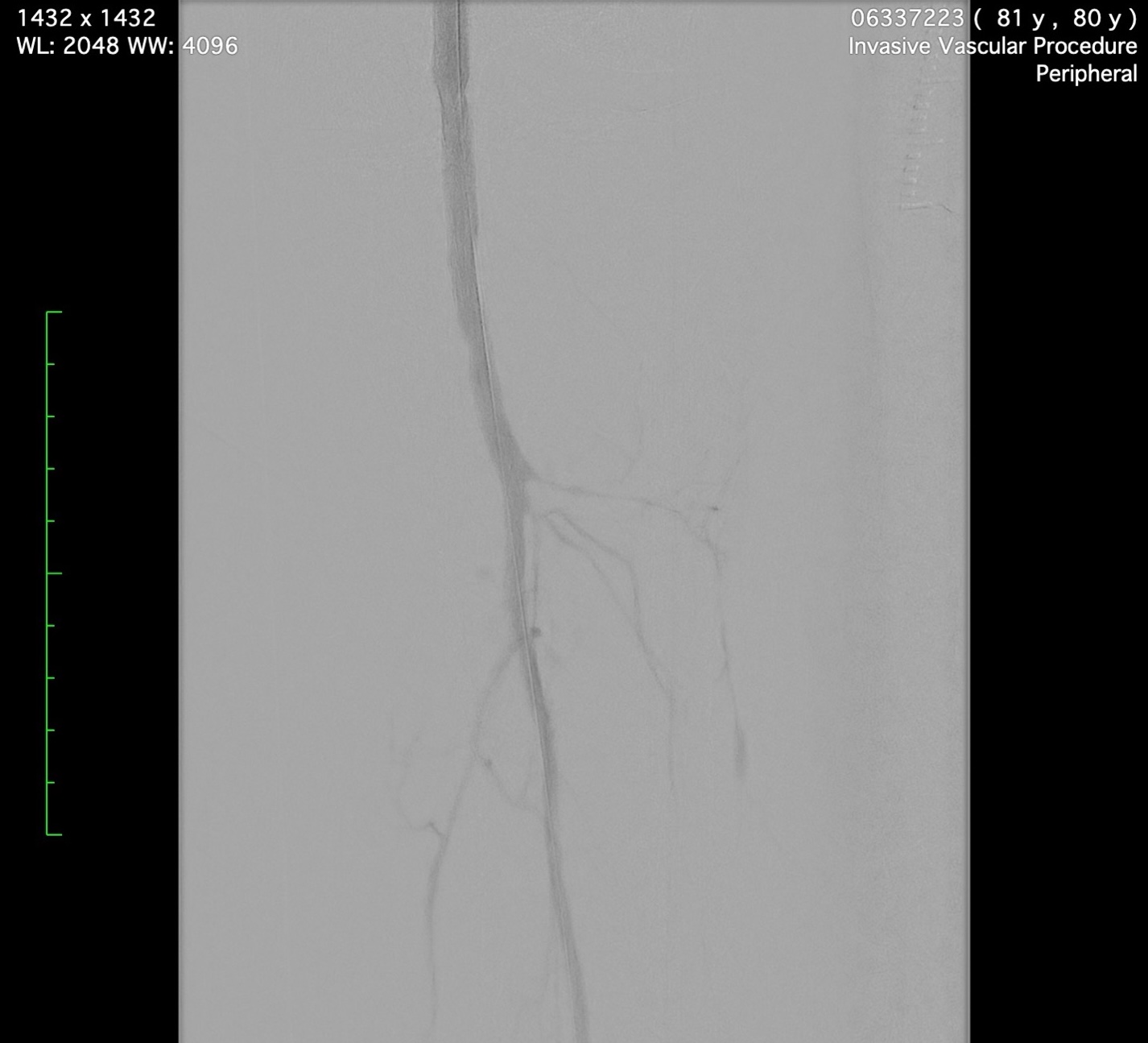
The tibioperoneal (TP) trunk was more severely diseased than anticipated, requiring changing to a 0.014-inch Command wire (Abbott) to cross the heavily diseased segment, and percutaneous transluminal angioplasty was performed with a 4.0 x 100-mm balloon. A NaviCross support catheter (Terumo) was advanced into the peroneal artery, and this was exchanged for a Supra Core wire (Abbott) to deliver the TORUS Stent Grafts (Endologix). A 5.5 x 200-mm TORUS Stent Graft was positioned 3 cm distal to the anastomosis and deployed in the popliteal artery (Figure 5). A 6.0 x 200-mm TORUS Stent Graft was deployed and overlapped with the prior stent graft, then a 6.7 x 200-mm TORUS Stent Graft was overlapped and positioned at the SFA profunda bifurcation. The stent graft was postdilated with a 7 x 60-mm balloon in the ostium and a 6 x 40-mm balloon in the remaining stent graft. Angiography revealed brisk filling down the stent graft; however, there was significant recoil and luminal stenosis in the TP trunk (Figure 6). Therefore, a 3.5 x 38-mm Esprit BTK resorbable stent (Abbott) was deployed in the TP trunk to the peroneal artery. Final angiography revealed brisk filling down the stent graft and minimal residual stenosis in the TP trunk and peroneal artery (Figure 7).
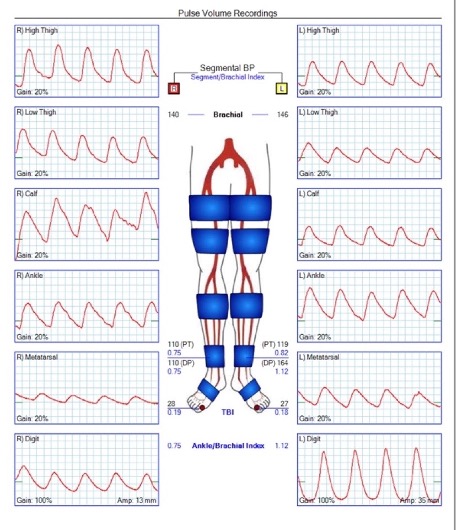
This case highlights several key points. First, we were able to perform PTAB even though the prior stents were placed extending into the ostium of the SFA. It was possible to make the proximal anastomosis through the occluded stent in the proximal SFA to the femoral vein. The high radial strength of the TORUS Stent Graft allows for a good durable result in this complex scenario. Furthermore, this patient had single-vessel runoff via a peroneal artery that supplies collateral to the dorsalis pedis and plantar arteries. It is vital to have good quality runoff to ensure patency of the stent grafts. There was severe disease in the TP trunk that was successfully treated with an Esprit BTK resorbable scaffold that led to an excellent result with brisk runoff. The stent graft has remained patent, demonstrated by positive noninvasive testing (Figure 8). Notably, the patient’s wounds have healed and he has remained asymptomatic.
Discussion
Management of long, heavily calcified femoropopliteal lesions remains challenging in both intermittent claudication and CLTI. Surgical revascularization of CLTI is fraught with clinical limitations due to patient comorbidities but also due to inadequate conduits. Conventional endovascular approaches are also prone to restenosis. This case highlights the value of the DETOUR System as a third option in such scenarios. The tensile strength of the PTFE graft offers greater durability across bends and bypassing severely calcified lesions that are more prone to restenosis.The primary patency rate in the DETOUR2 study was 81.8%, 67.5%, and 58.2% at 1, 2, and 3 years, respectively, in a patient cohort that included very challenging lesions with long occlusions and severe calcification, making PTAB an attractive option when considering outcomes of other endovascular therapies in this severe subset.11 This makes it valuable for the management of CLTI where limb preservation is paramount and mortality rates remain high.
Clinical trial and real-world experience demonstrate that the device can be used safely and effectively in heavily calcified, fully stented vessels. Additionally, these experiences have also shown feasibility in single-vessel runoff scenarios where preserving distal perfusion is critical and procedural tolerance for embolic or flow-limiting complications is low. This speaks to the uniqueness of this device, where crossing through stent interstices did not impede device delivery or conduit formation, and no stent-related mechanical complications were observed. This suggests that prior stenting, even when extensive, should not be considered a contraindication to the DETOUR System and may expand treatment options for patients with recurrent in-stent occlusions. Similarly, by leveraging the extravascular pathway, the DETOUR System avoids many of the limitations imposed by calcified plaque morphology, reinforcing its utility in “no-option” femoropopliteal disease where traditional endovascular tools are unlikely to achieve durable luminal gain.
Favorable outcomes observed in single-vessel runoff limbs represent a high-risk cohort in whom distal embolization, flow disruption, or prolonged ischemia can have outsized clinical consequences. The absence of major periprocedural complications and the preservation of distal perfusion in this case supports the feasibility of the DETOUR System even in tenuous runoff conditions. While long-term patency in this subgroup warrants further study, the early technical and clinical success is encouraging.
Conclusion
This case illustrates the versatility of the DETOUR System and its potential role in expanding endovascular revascularization options for patients with complex femoropopliteal occlusive disease and significant infrapopliteal disease. It reflects a common real-world scenario where CLTI coexists with extensive PAD, presenting substantial challenges to limb salvage and contributing to increased mortality. The DETOUR System provides a unique and safe alternative in select PAD patients where it may be the only treatment option available to restore patency, potentially contributing to limb preservation. Further studies are warranted to better define its safety, durability, and clinical outcomes in this high-risk population.
Affiliations and Disclosures
Haris Usman, MD, MS, FACC, FSCAI, and Ramzan M. Zakir, MD, RPVI, FACC, FSCAI, are from RWJBarnabas Health in New Jersey.
This article is sponsored by Endologix.
The DETOUR™ System and associated components, ENDOCROSS™ Device and TORUS™ Stent Graft System, are not available in all countries or regions. Please contact your Endologix representative for details regarding product availability. Prior to use, refer to Instructions for Use for more information concerning Indications, Contraindications, Specific Anatomic Considerations, Warnings, Precautions, and Adverse Events. Rx only. ©2026 Endologix LLC. All rights reserved. MM3074-US Rev 01
References
1. Gornik HL, Aronow HD, Goodney PP, et al; Peer Review Committee Members. 2024 ACC/AHA/AACVPR/APMA/ABC/SCAI/SVM/SVN/SVS/SIR/VESS Guideline for the Management of Lower Extremity Peripheral Artery Disease: A Report of the American College of Cardiology/American Heart Association Joint Committee on Clinical Practice Guidelines. Circulation. 2024;149(24):e1313-e1410. doi:10.1161/CIR.0000000000001251
2. Vietto V, Franco JV, Saenz V, Cytryn D, Chas J, Ciapponi A. Prostanoids for critical limb ischaemia. Cochrane Database Syst Rev. 2018;1(1):CD006544. doi:10.1002/14651858.CD006544.pub3
3. Farber A, Menard MT, Conte MS, et al; BEST-CLI Investigators. Surgery or endovascular therapy for chronic limb-threatening ischemia. N Engl J Med. 2022;387(25):2305-2316. doi:10.1056/NEJMoa2207899
4. Bradbury AW, Moakes CA, Popplewell M, et al; BASIL-2 Investigators. A vein bypass first versus a best endovascular treatment first revascularisation strategy for patients with chronic limb threatening ischaemia who required an infra-popliteal, with or without an additional more proximal infra-inguinal revascularisation procedure to restore limb perfusion (BASIL-2): an open-label, randomised, multicentre, phase 3 trial. Lancet. 2023;401(10390):1798-1809. doi:10.1016/S0140-6736(23)00462-2
5. McGevna MA, Ratner M, Speranza G, et al. Availability of a suitable single-segment great saphenous vein in patients with severe peripheral arterial disease. Ann Vasc Surg. 2026;123:168-173. doi:10.1016/j.avsg.2025.07.021
6. LaMuraglia GM, Conrad MF, Chung T, Hutter M, Watkins MT, Cambria RP. Significant perioperative morbidity accompanies contemporary infrainguinal bypass surgery: an NSQIP report. J Vasc Surg. 2009;50(2):299-304, 304.e1-4. doi:10.1016/j.jvs.2009.01.043
7. Horie K, Takahara M, Nakama T, et al. Three-year outcomes of contemporary endovascular treatment in over 25-cm femoropopliteal artery disease from a retrospective multicenter registry: a retrospective observational study. Catheter Cardiovasc Interv. 2024;104(4):782-789. doi:10.1002/ccd.31202
8. Sayfo S, Ryschon AM, Sood A, et al. Long femoropopliteal lesions challenge the limits of endovascular technique: contemporary systematic review and meta-analysis. J Soc Cardiovascular Angiogram Interv. 2026;5(3):104158. doi:10.1016/j.jscai.2025.104158
9. Dua A, Powell RJ, Lee AC, et al. Contemporary outcomes in no-option chronic limb-threatening ischemia. Sci Rep. 2025;15(1):24446. doi:10.1038/s41598-025-09784-4
10. Krievins D, Savlovskis J, Ezite N, et al. The DETOUR procedure: no more need for conventional bypass surgery? J Cardiovasc Surg (Torino). 2018;59(2):172-177. doi:10.23736/S0021-9509.18
11. Lyden SP, Schneider PA, Sood A, et al; DETOUR2 Trial Investigators. Durability of the DETOUR system for long and complex femoral-popliteal lesions: 3-year results from the DETOUR2 trial. J Soc Cardiovascular Angiogram Interv. 2026; in press. doi:10.1016/j.jscai.2026.105457