Topical Onychomycosis Treatment: Understanding and Overcoming Underexplored Barriers
Water solubility, molecular size, nail thickness, temperature, and other factors can limit whether topical antifungal agents reach an infection at an effective concentration. This article examines these barriers and presents preliminary observations from six cases involving keratolytic pretreatment and warmed soaks containing quaternary ammonium compounds and polyhexamethylene biguanide.
Key Takeaways
- The efficacy of topical onychomycosis treatment may depend on more than antifungal activity alone; nail thickness, antimycotic water solubility, molecular characteristics, temperature, activity against spores, pH, electrostatic interactions, and more may all affect penetration.
- Six cases demonstrated apparent clinical improvement following protocols combining nail trimming, warmed QAC–PHMB soaks, and, in some cases, keratolytic pretreatment or an additional topical antifungal.
- These uncontrolled observations cannot establish efficacy or safety. Larger, standardized studies incorporating confirmed diagnoses, mycological and clinical cure endpoints, comparator groups, and longer follow-up are needed.
Historically, onychomycosis has been a challenging condition to treat topically.1 One can often attribute such poor efficacy to the nail plate itself, which provides a protective barrier shielding the infection from treatment. However, there are other barriers, which this article will address. Current topical cure rates for mild-to-moderate onychomycosis is about 42%.2,3 In my observation, cure rates for severe infections via topical treatments are rarely documented and assumed much lower, given the low cure rates for mild infections. Cure rates for energy-based topical approaches such as laser, photodynamic, iontophoresis and microwave treatments are mixed, and clinicians may pair these with oral treatments to work to improve outcomes.2
In my experience, patients may resist oral treatments, being fearful of side effects from the original terbinafine studies.4 Nonetheless, approximately 24% of the population 70 years and older have onychomycosis; 28% aged 60 years and older were culture-positive compared to less than 3% of those aged from 10 to 30 years of age.5 This infection is especially one to note for those with diabetes, as one-third of this patient population worldwide has onychomycosis, which can conceivably complicate certain types of wound care or limb preservation efforts.6
Background Science: Barriers to Successful Treatment
Antimycotic Water Solubility. Kobayashi et al7 and Quintanar8 found that the permeation through the hydrophilic structure of nail keratin of a water-soluble drug was much greater than a non-water-soluble drug of similar molecular weight by a ratio of 90 to 1. Most topical treatments are only slightly water-soluble, however, most exhibit minimum fungicidal concentrations (MFCs) within their solubility concentration. For example, Kobayashi found that water-soluble 5-fluorouracil with a molecular weight of 130.077 g/mol penetrated the nail in a concentration of 1,000 µg/cm2 in 7 days whereas non-water-soluble flurbiprofen with a molecular weight of 244.26 g/mol penetrated the nail in a concentration of 30 µg/cm2 in 19 days.7,9
Energy. Gupchup-Malhotra et al determined the energy necessary to drive the permeation of water through a normal nail is 7.2 kcal/mole.10 Topical treatments are usually applied at room temperature that provides less than 2.0 kcal/mol. Askeland described activation energy as the energy barrier atoms must pass through to diffuse through a solid.11 At higher temperatures, the thermal energy supplied to diffusing atoms permits more atoms to overcome the activation energy barrier and more easily move to new lattice sites.
Gupchup-Malhotra also discovered that water permeation through nail keratin increased linearly with an increase in temperature (37°C, 47°C and 57°C).7 Using thermal energy to hydrate nail keratin may increase its capacity to absorb larger molecular weight antimycotics. Kobayashi found that hydrated nail keratin behaves like a hydrogel and swells with water, thereby increasing pore size.7 Murdan reported that hydration of this type increases the permeability of the nail plate.12 Wnek found increased swelling in nail keratin as its temperature increased.13
Nail Thickness and Onycholysis. The human nail plate is generally accepted to be composed of three layers: upper, middle and lower corresponding to the dorsal, intermediate and ventral nail plates respectively.7 The tissue under the nail plate, the nail bed, consists of viable epidermis. Of these components, the ventral nail plate and the subungual keratin are found to be infected by Trichophyton rubrum and Trichophyton mentagrophytes, in most cases.7
Kobayashi found that antimycotic nail penetration is also a function of nail thickness or separation. The thicker the nail (including keratin debris and gaps between layers) the longer it takes for the concentration of the antimycotic to accumulate to the MFC level to treat the infection.9
Keratolytics such as papain, salicylic acid, and urea are known to disrupt keratin's surface structure,8 reduce cell-to-cell cohesion, decrease energy of activation, and create microchannels that allow water and water-soluble antimycotics through to treat subungual infections.14 Quintanar8 found that minimally water-soluble larger molecular weight topical antimycotics were not any better able at penetrating a keratolytically prepared nail than a normal one at room temperature, supporting Kobayashi.7
Quintanar also found that the application of a topical keratolytic reduces nail thickness and the amount of energy required for nail penetration (papain > salicylic acid > urea).8 The reduction in the energy of activation of an infected nail from keratolytics (and increased diffusion rate) has not been quantified in the literature. For better penetration, from our experience, ethyl alcohol was applied to dissolve the salicylic acid residue prior to antimycotic application.
Donnan effect. Kobayashi found that the nail plate is made of 3 layers with the outermost layer being the least permeable.9 Kobayashi further found that nail permeability can be inhibited by the Donnan effect or the electrostatic repulsion between the keratin membrane and the diffusing molecule or antimycotic.9 Chemically, electrostatic repulsion is neutralized with the addition of an appropriate surfactant.15
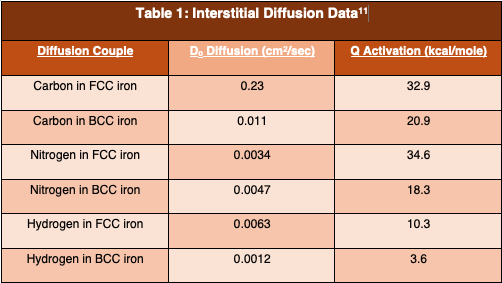
Molecular Weight and Orientation. Kobayashi found that higher molecular weight can inhibit nail antimycotic permeability and also suggests that molecular orientation between nail keratin and the antimycotic may inhibit penetration.9,11 Support for molecular orientation's influence on penetration comes from materials science and is quantified in the variation of energies and diffusion rates for the penetration through different molecular orientations of the same material11 as shown in Table 1.
For example, carbon diffuses through face-centered cubic iron over 20 times faster than through body-centered cubic iron but requires 1.6 times the energy.11 Likewise, a hydrogen atom diffuses through face-centered cubic (FCC) iron over 5 times faster than body-centered cubic (BCC) iron but requires nearly 3 times the energy.
Spores. Antimycotics, while active against a wide range of fungi, rarely demonstrate activity against spores that supports high relapse rates and incomplete cures.15,16 The findings in McDonnell15 do not differentiate between types of spores (bacterial or fungal), but the clinical cures past 90 days in Trials 1–6 discussed below suggest activity against fungal spores.
Antimycotic Concentration, Modes of Action and Synergy. Some topical antimycotics' MFC90/MIC90 values are greater that their water solubility,17 suggesting penetration levels lower than needed to effectively treat the infection. Further, most topical antimycotics demonstrate a single mode of action against fungi, however, Baran3 found that treatments that combined several antimycotics with different modes of action were more effective. Treatments limited to a single antimycotic with 2 or fewer modes of action may allow the fungal cell to develop resistance. Multiple modes of action may inhibit infection resistance by disabling many fungal cellular functions simultaneously.
Borrowing an antibacterial example from a McKenna and Davies study18 that demonstrated that a 50 µM hypochlorous acid solution (2.6 ppm—recommended for most swimming pools is between 3 and 5 ppm) inhibited DNA synthesis in E. coli by 96% within 5 minutes, whereas protein synthesis was inhibited by only 10% to 30%. Without additional modes of action that further disrupt vital cellular processes including protein synthesis, hypochlorous acid became bacteriostatic for protein synthesis instead of bactericidal in this study. Most topical antimycotics likewise exhibit 1 or 2 modes of action, making them fungistatic at best, even assuming subungual penetration.
Onychomycosis Migration. Szepietowski19 found that onychomycosis may be a source of infection that spreads to other parts of the body. This same author supports a dynamic model of the infection moving in and out of the nail, depending on its toxicity and how effectively the nail absorbs warm antimycotics, which argues in favor of applying topical antimycotic to the surrounding skin after soaking.
pH. The role of pH is not well understood in the treatment of onychomycosis. For that reason, pH levels in these trials were maintained at manufacturers' recommendations (neutral to acidic compensating for increased concentration) for public water treatments.20-24
Active Ingredients: Modes of Action
Since QAC and PHMB are antibacterial in addition to antimycotic, onychomycosis represents about 50% of the conditions this chemistry may be capable of treating. The other 50% include bacterial infections, onycholysis, paronychia, and psoriasis.
Quaternary ammonium chlorides are antimicrobial cationic surfactants that reduce surface tension and include important antimicrobial modes of action to treat infections:15,25
- Sporostatic—inhibits the outgrowth of spores (the development of a vegetative cell from a germinated spore) but not the actual germination processes; disrupts the cytoplasmic membrane (lipid or protein) causing leakage of intracellular low-molecular-weight material; degrades proteins and nucleic acids; cell wall lysis caused by autolytic enzymes; and reduces nail plate surface tension that facilitates absorption.
Biguanides are often used in wound dressings as a disinfectant, are completely water-soluble, release easily from cellulose and other fibers to infected tissue and include antimicrobial modes of action including:15,16,24,25
- Attaches to the phospholipids of the cell (cytoplasmic) membrane and results in an irreversible loss of essential cellular components; and binds to DNA and other nucleic acids and precipitates them from aqueous solution, suggesting it may damage or inactivate DNA.
Cellulose (glucose sugar chains) form the structure for plant cell walls and are used in industry as thickeners, stabilizers, and emulsifiers in food, cosmetics, and pharmaceuticals. In the clinical cures in Trials 1, 3 and 4 discussed below, cellulose was used as a carrier for PHMB and QAC delivery to the infected nail.
Findings from the Author’s Research
The following trials are an extension of our original observations that suggested this approach. The first event occurred when the infected nail in Trial #3 cleared after soaking 3-4 days per week in warm swimming pool chlorine and bromine water treatment (ANSI Standard) followed by topical application of 1% ciclopirox twice daily. The infected nail initially cleared visually, but then reinfected, presumably because none of the ingredients demonstrated activity against spores.
The second event is from soaking the infected nail in Trial #5 in warm swimming pool QAC and PHMB water treatment (ANSI Standard) followed by topical application of 1% ciclopirox twice daily. QAC, PHMB15 and ciclopirox26 all exhibit activity against bacteria in addition to fungi since the origin of the infection was not known. Tying these 2 events together suggested a possible clinical benefit to soaking infected nails in warm water-soluble antimycotics adding salicylic acid and cellulose pretreatment and a higher concentration of active ingredients.
Trial 1. This was a more severe case that did involve the nail bed. Pretreatment with 17% salicylic acid in 70% ethyl alcohol with ethyl ether and nitrocellulose (generic topical wart remover) applied biweekly after debridement with soaking for 230 days.
The infected nail (with Trichophyton rubrum or Trichophyton mentagrophytes) was periodically trimmed during the treatment period and pretreated with the previously mentioned compound biweekly. Following pretreatment, the infected nail was soaked in a mixture of 0.10% bis (hydrogenated tallow alkyl) dimethyl quaternary chlorides (QAC) and 0.12% poly (hexamethylene biguanide) hydrochloride (PHMB) in tap water and heated above nail temperature (approximately 40° C) for 10 to 15 minutes daily during the treatment period that led to clinical cure.
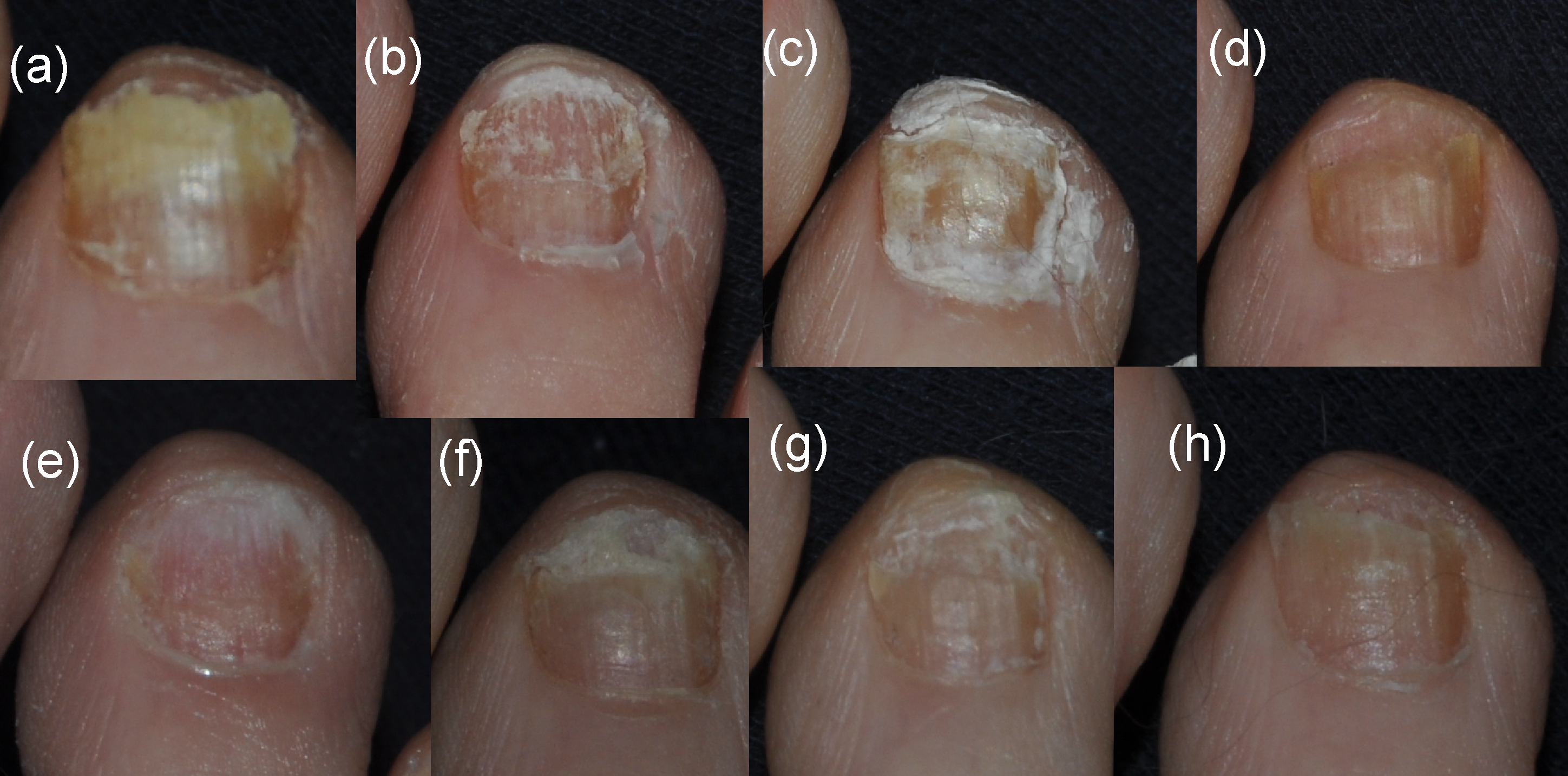
Trial 2. The infected nail (with Trichophyton rubrum or Trichophyton mentagrophytes) was periodically trimmed during the treatment period and pretreated with 15% salicylic acid in ethyl alcohol daily until depleted. Following each pretreatment, the infected nail was soaked in a mixture of 0.10% QAC and 0.12% PHMB in tap water and heated above nail temperature (approximately 40°C) for 10 to 15 minutes daily during the treatment period that led to clinical cure.
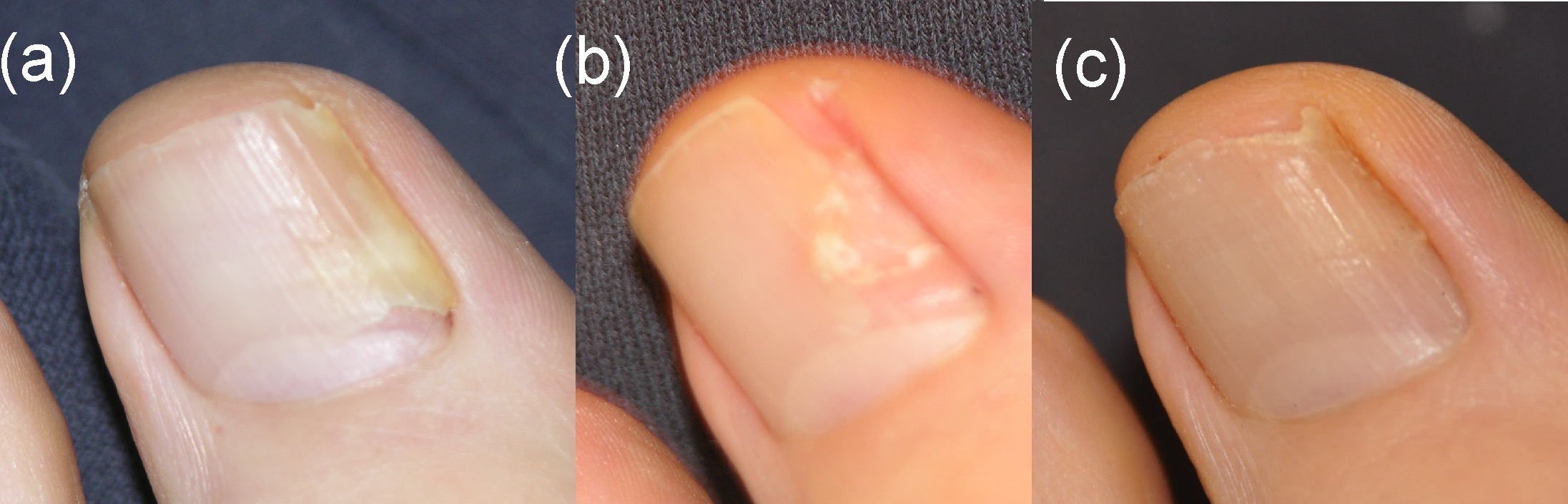
Trial 3. This case was a milder infection not involving the nail bed. Pretreatment with 17% salicylic acid in ethyl alcohol with ethyl ether and nitrocellulose (generic topical wart remover) applied biweekly with 70% ethanol applied daily prior to soaking.
The infected nail (with Trichophyton rubrum or Trichophyton mentagrophytes) was periodically trimmed during the treatment period and pretreated with the above-stated compound biweekly. Following pretreatment, the infected nail was soaked in a mixture of 0.10% QAC and 0.12% PHMB in tap water and heated above nail temperature (approximately 40°C) for 10 to 15 minutes daily during the treatment period that led to clinical cure.
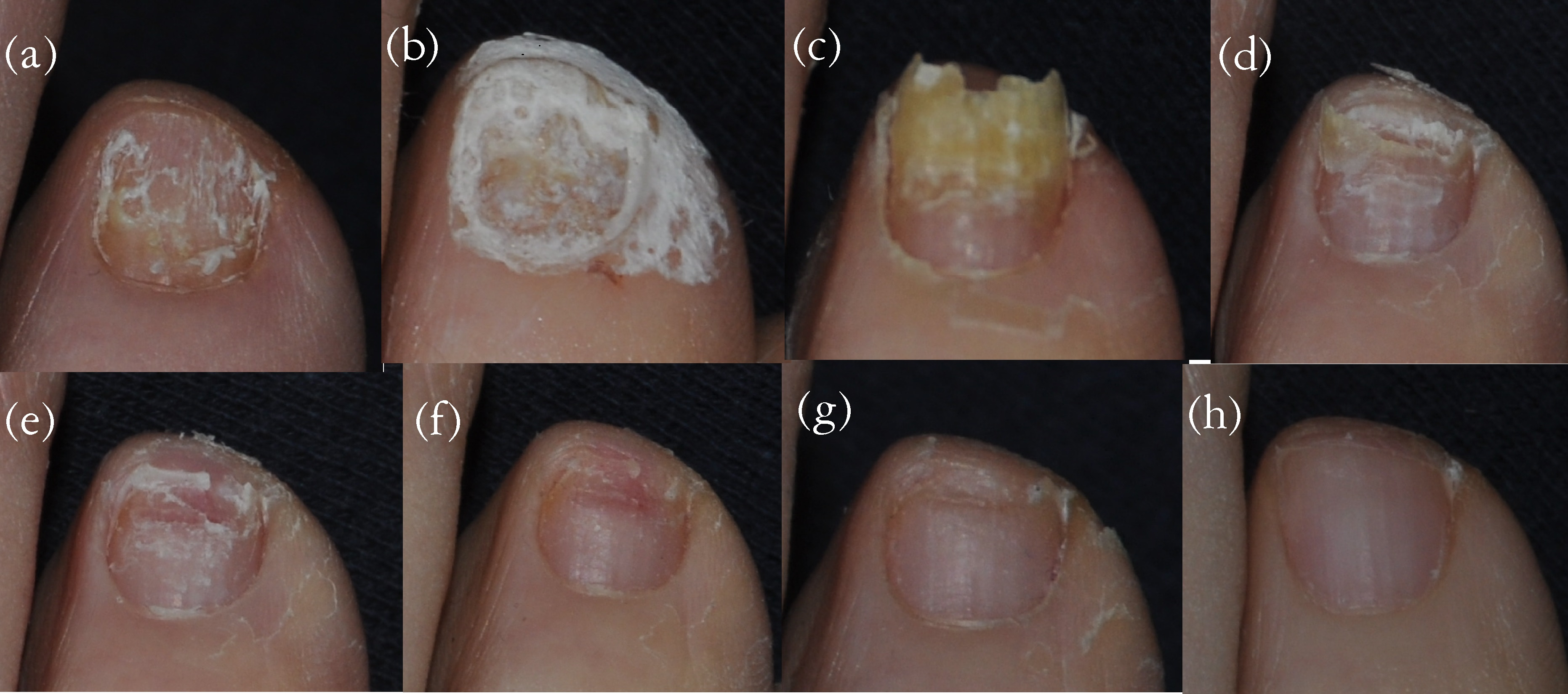
Trial 4. This next subject underwent pretreatment with 17% salicylic acid in ethyl alcohol with ethyl ether and nitrocellulose (generic topical wart remover) applied biweekly with 70% ethanol applied daily prior to soaking.
The infected nail (with Trichophyton rubrum or Trichophyton mentagrophytes) was periodically trimmed during the treatment period and pretreated with the above-described compound biweekly. Following pretreatment, the infected nail was soaked in a mixture of 0.10% QAC and 0.12% PHMB in tap water and heated above nail temperature (approximately 40°C) for 10 to 15 minutes daily during the 134-day treatment period that led to clinical cure.
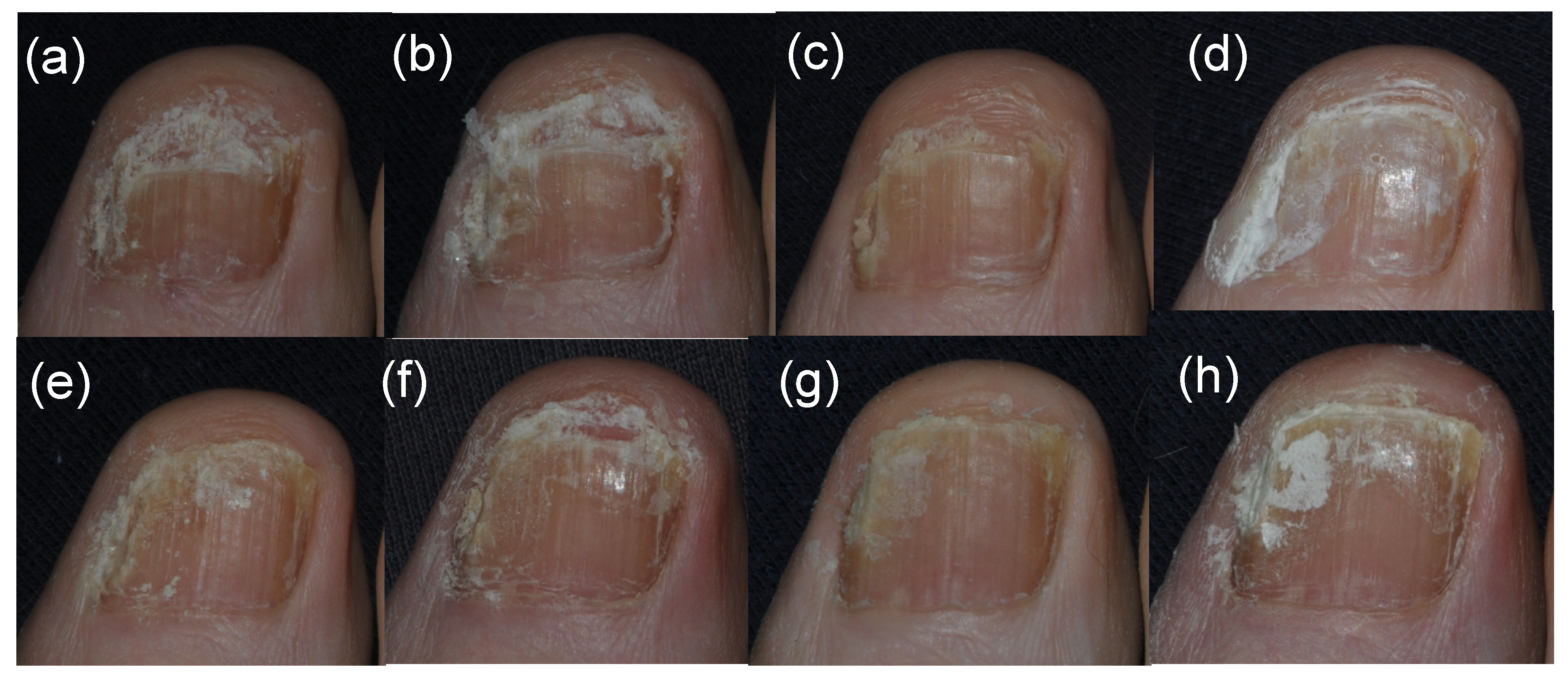
Trial 5. The infected nail was not pretreated.
The infected nail of unknown origin was periodically trimmed during the treatment period. After trimming, the infected nail was soaked 3 times per week in a mixture of 0.05% QAC and 0.03% PHMB dissolved in tap water heated above nail temperature (approximately 40° C) for 10 to 15 minutes daily that lead to clinical cure. Ciclopirox lotion 1% was applied twice daily. QAC, PHMB and ciclopirox all exhibit antibacterial in addition to antimycotic activity.15,16,26
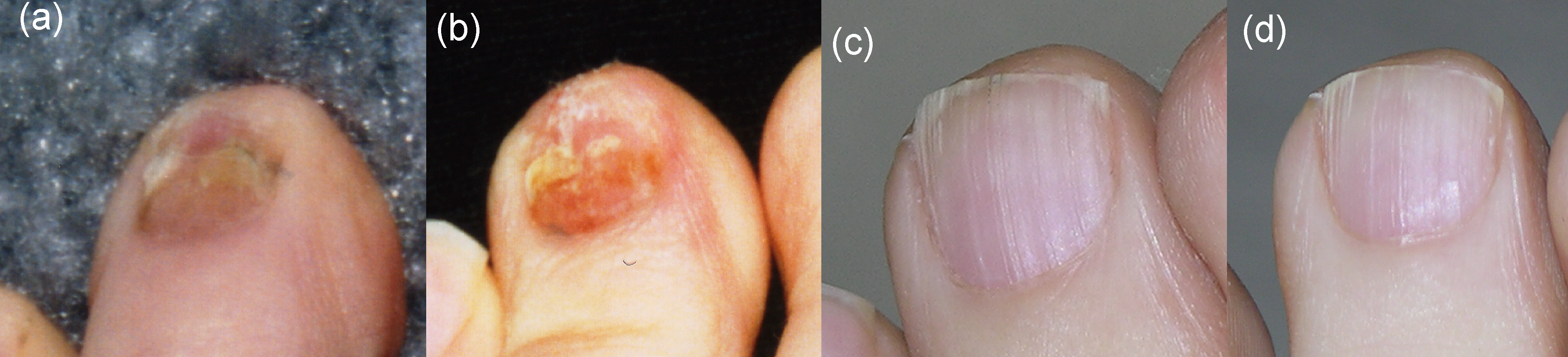
Trial 6. The infected nail (milder infection to other trials, comparatively) was not pretreated.
The infected nail (with Trichophyton rubrum or Trichophyton mentagrophytes assumed due this pathology cultured from adjacent nails) was periodically trimmed during the treatment period. After trimming, the infected nail was soaked daily in a mixture of 0.10% QAC and 0.12% PHMB dissolved in tap water heated above nail temperature (approximately 40°C) for 10 to 15 minutes daily that led to clinical cure. Topical terbinafine hydrochloride 1% was applied twice daily.
Insights, Recommendations for Future Investigation and Clinical Impact
This Author’s Insights from the Trials
As discussed at the opening of this article, there are multiple barriers to successful onychomycosis treatment. Based on my experience, I feel protocols such as the above could contribute to addressing these barriers.
There are limitations worth acknowledging, however, including the small sample size. Additionally, available data is often from bacterial research and was extrapolated to include fungi. Clinical observation of healthy nail (clinical cure) is the observed metric rather than a more direct measurement of penetration depth. Also, we used clinical cure rather than mycology-confirmed cure in these trials. Diagnosis in some of the trials was from adjacent nails, and the mechanism of the surfactant is not fully understood. Nonetheless, further study is warranted to further explore these protocols.
Antimycotic Water Solubility. PHMB is a completely water-soluble low molecular weight antimicrobial used in personal care products and public water treatments that exhibits activity against bacteria, viruses, yeasts, fungi and molds.16 QAC is a partially water-soluble antimicrobial surfactant (for better penetration of nail layers beneath the top plate).
Energy. Both QAC (0.10%) and PHMB (0.12%) are mixed with tap water and heated in the microwave above nail temperature (~40°C) for soaking in the trials. In my observation, the additional heat energy helps both active ingredients overcome the energy of activation and better penetrate the nail layers.
Nail Thickness and Onycholysis. Two different keratolytic topical pretreatments to reduce nail thickness, keratin debris and onycholysis were used in these trials depending on the severity of infection. For mild-to-moderate infections, 15% salicylic acid in 70% ethyl alcohol was used to pre-treat the nail prior to soaking. For severe infections, 10% nitrocellulose was also included, with the intent of delivering the PHMB and QAC to the infection.
Donnan Effect. QAC serves 2 functions; surfactant and antimicrobial. As a surfactant, QAC reduces the electrostatic repulsion between the keratin membrane and the diffusing molecule (PHMB) allowing them to enter the nail more readily.9,10
Molecular Weight and Orientation. Both QAC and PHMB have single-stranded molecular structure that the results could theoretically penetrate the nail more effectively than cyclical orientation antimycotics.
Spores. QAC, in addition to being a cationic surfactant and antimycotic, is sporostatic. QAC inhibits the outgrowth of spores (the development of a vegetative cell from a germinated spore) that inhibits infections from recurring.15
Antimycotic Concentration, Modes of Action, and Synergy. Combined, QAC and PHMB have 7 modes of action, which Baran3 found to be potentially more effective inhibiting infection resistance by disabling many fungal cellular functions simultaneously.
Onychomycosis Migration. The results suggest that applying a topical antimycotic after soaking may trap the infection between between antimycotic application layers, impacting another method of survival as identified by Szepietowski.19
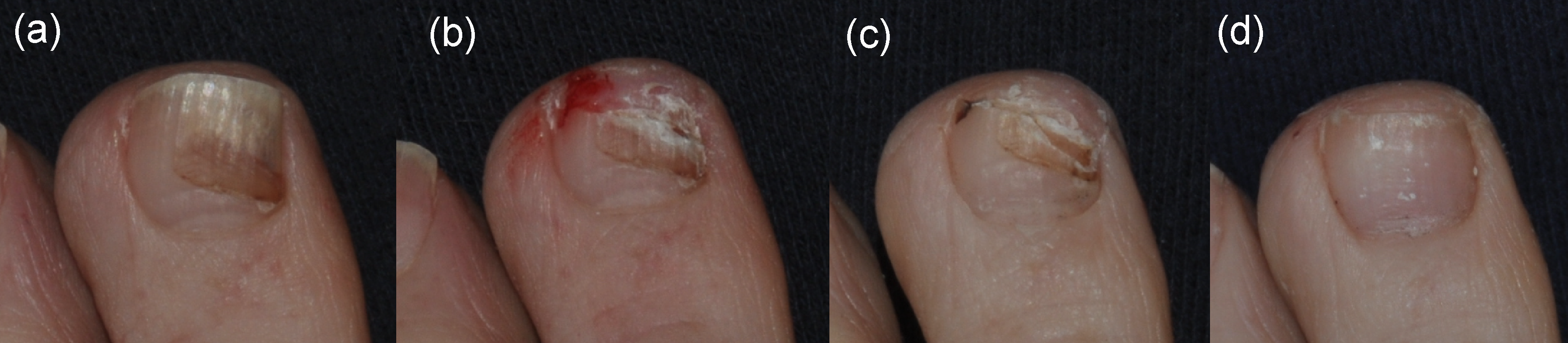
Clinical Impact. From a limited sample, we saw high clinical clearing rates (Trials 1–6) for all infections from patients who followed through with the protocol. Patients with onychomycosis tend to be skeptical of new treatments (due to possible experience from previously poor results) but may be motivated by these findings and the progress they experience using this protocol after a few weeks. In our experience, mild-to-moderate infections required about 4 months and severe infections about 8 months to clear.
Despite the trials above being part of a home kit, podiatrists may want see patients periodically to photograph, test, debride, and to apply salicylic acid with nitrocellulose. Whereas PHMB and QAC are highly toxic to a broad range of bacteria and fungi, they exhibit a very mild effect on human tissue,15,24,25,27,28 having been used in personal care products and public water treatments for the last 60 years.
Future Investigations
The benefits of using PHMB and QAC in treating onychomycosis is difficult to duplicate with other chemistry, so future investigations may benefit from focusing on the following:
- Additional trials with results added to the database to guide research, including increasing sample size robustness
- Experiment with increasing the duration/frequency to decrease overall treatment time
- Instead of soaking, apply QAC and PHMB in a glycerin thermal gel warmed in shoes
- Reusable cellulose bandage that releases QAC and PHMB warmed in shoes
- Ankle-secured shoe liner that soaks infected nails in QAC and PHMB warmed in shoes
- Experiment with adding preservatives and other chemistry such as EDTA
Mr. Weinfield is a physical chemist for Innovation Biomedical Devices and discloses assignment of patent rights from this research to that company, along with shareholder status in the company.
References
1. Gupta AK, Ravi SP, Haas-Neill S, Wang T, Cooper EA. Utility of devices for onychomycosis: a review. J Dermatolog Treat. 2023;34(1):2265658.
2. Navarro-Bielsa A, Gracia-Cazaña T, Robres P, et al. Combination of photodynamic therapy and oral antifungals for the treatment of onychomycosis. Pharmaceuticals (Basel). 2022;15(6):722.
3. Baran R, Kaoukhov A. Topical antifungal drugs for the treatment of onychomycosis: an overview of current strategies for monotherapy and combination therapy. J Eur Acad Dermatol Venereol. 2005;19(1):21-29.
4. Villars V, Jones TC. Present status of the efficacy and tolerability of terbinafine (Lamisil) used systemically in the treatment of dermatomycoses of skin and nails. J Dermatolog Treat. 1990;1(suppl 2):33-38.
5. Elewski BE. Onychomycosis: pathogenesis, diagnosis, and management. Clin Microbiol Rev. 1998;11(3):415-429.
6. Trovato L, Calvo M, De Pasquale R, Scalia G, Oliveri S. Prevalence of onychomycosis in diabetic patients: a case-control study performed at University Hospital Policlinico in Catania. J Fungi (Basel). 2022;8(9):922.
7. Kobayashi Y, Miyamoto M, Sugibayashi K, Morimoto Y. Drug permeation through the three layers of the human nail plate. J Pharm Pharmacol. 1999;51(3):271-278.
8. Quintanar-Guerrero D, Ganem-Quintanar A, Tapia-Olguín P, Kalia YN, Buri P. The effect of keratolytic agents on the permeability of three imidazole antimycotic drugs through the human nail. Drug Dev Ind Pharm. 1998;24(7):685-690.
9. Kobayashi Y, Komatsu T, Sumi M, et al. In vitro permeation of several drugs through the human nail plate: relationship between physicochemical properties and nail permeability of drugs. Eur J Pharm Sci. 2004;21(4):471-477.
10. Gupchup G, Zatz JL. Structural characteristics and permeability properties of the human nail: a review. J Cosmet Sci. 1999;50(6):363-385.
11. Askeland DR. Atomic structure, arrangement, and movement. In: The Science and Engineering of Materials. Wadsworth; 1984:95-110.
12. Murdan S. Drug delivery to the nail following topical application. Int J Pharm. 2002;236(1-2):1-26.
13. Wnek GE, Bowlin GL, eds. Encyclopedia of Biomaterials and Biomedical Engineering. 2nd ed. Informa Healthcare; 2008:1550-1551.
14. Murthy SN, Maibach HI, eds. Topical Nail Products and Ungual Drug Delivery. CRC Press; 2013:94.
15. McDonnell G, Russell AD. Antiseptics and disinfectants: activity, action, and resistance. Clin Microbiol Rev. 1999;12(1):147-179.
16. Arch Biocides. Vantocil FHC Antimicrobial: Product Information Bulletin. Arch Biocides; 2009.
17. Favre B, Hofbauer B, Hildering KS, Ryder NS. Comparison of in vitro activities of 17 antifungal drugs against a panel of 20 dermatophytes by using a microdilution assay. J Clin Microbiol. 2003;41(10):4817-4819.
18. McKenna SM, Davies KJA. The inhibition of bacterial growth by hypochlorous acid: possible role in the bactericidal activity of phagocytes. Biochem J. 1988;254(3):685-692.
19. Szepietowski JC, Reich A, Garlowska E, et al. Factors influencing coexistence of toenail onychomycosis with tinea pedis and other dermatomycoses: a survey of 2761 patients. Arch Dermatol. 2006;142(10):1279-1284.
20. Gupchup-Malhotra G, Zatz JL. Characterization of the physical factors affecting nail permeation using water as a probe. J Cosmet Sci. 2000;51(6):367-377.
21. Arch Chemical. QAC–Waterline Control/Baqua Spa: Material Safety Data Sheet No. 904578. April 28, 2009.
22. Arch Chemical. PHMB–Sanitizer/Baqua Spa: Material Safety Data Sheet No. 904580. December 2, 2009.
23. Arch Chemical. Oxidizer/Baqua Spa: Material Safety Data Sheet No. 350077. March 10, 2009.
24. Gilliver S. PHMB: a well-tolerated antiseptic with no reported toxic effects. J Wound Care. 2009; Activa Healthcare suppl:S9-S14.
25. Rutala WA, Weber DJ; Healthcare Infection Control Practices Advisory Committee. Guideline for Disinfection and Sterilization in Healthcare Facilities, 2008. Updated June 2024. Centers for Disease Control and Prevention; 2024:53-54. https://stacks.cdc.gov/view/cdc/252996.
26. Ciclopirox. ScienceDirect Topics. Accessed October 8, 2026. https://www.sciencedirect.com/topics/pharmacology-toxicology-and-pharmaceutical-science/ciclopirox.
27. Unhoch MJ, Vore RD, Lee PSK. Stability of swimming pool/spa sanitizers: comparative chemical stability of polyhexamethylene biguanide and hypochlorous acid. J Swim Pool Spa Ind. 1996;2(1):18-25.
28. Unhoch MJ, Stratton GD. Polyhexamethylene biguanide and surfactant composition and method for preventing waterline residue. US patent 5,668,084. September 16, 1997. https://patents.google.com/patent/US5668084A/en.
29. Rao P, Ahmad A, Bellubbi B. Activation energy of human nail. J Engineer Sci. 2019;10(12):298-302.
30. Messick CR, Pendland SL, Moshirfar M, et al. In-vitro activity of polyhexamethylene biguanide (PHMB) against fungal isolates associated with infective keratitis. J Antimicrob Chemother. 1999;44(2):297-298.
31. Wessels S, Ingmer H. Modes of action of three disinfectant active substances: a review. Regul Toxicol Pharmacol. 2013;67(3):456-467. PubMed
32. Allen LV Jr. Compounding for superficial fungal infections. Secundum Artem. 2005;11(4).
© 2026 HMP Global. All Rights Reserved.
Any views and opinions expressed are those of the author(s) and/or participants and do not necessarily reflect the views, policy, or position of Podiatry Today or HMP Global, their employees, and affiliates.