Medical Foods in Dermatology: Expanding the Role of Nutrition in Skin Disease and Aging
The emerging category of “medical foods” may offer dermatologists new tools to address inflammatory skin disease, aging, and overall skin health through targeted nutritional interventions, according to Mark Steven Nestor, MD, PhD, during his session at Music City SCALE 2026.
Interest in food-based therapies continues to grow. A national survey cited in the presentation found that 76% of Americans prefer to use food over prescription medications to support health. This shift is influencing dermatology, where patients increasingly seek “natural” approaches for chronic conditions and aesthetic concerns.
Medical foods differ from traditional supplements. They are regulated products designed for disease management under physician supervision, with pharmaceutical-grade ingredients and standardized manufacturing. Dr Nestor described them as, in some cases, an “RX ‘pharmaceutical grade’ super supplement,” emphasizing their consistency, purity, and clinical intent.
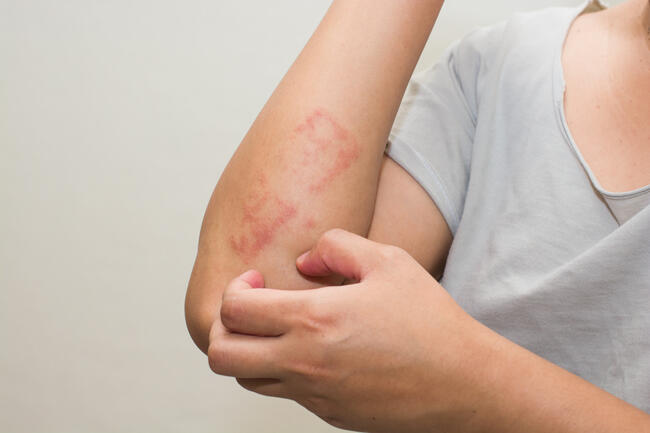
Several dermatologic applications were highlighted. Diosmin, a citrus-derived flavonoid, was discussed for its role in venous disease and stasis dermatitis. Its mechanism includes improving venous tone, enhancing lymphatic drainage, and reducing inflammation. Clinical data support its safety, with no toxicity observed at high doses in both preclinical and human studies.
Citrus flavonoids were also presented as potential treatments for conditions such as rosacea, progressive pigmentary dermatosis, and senile purpura. Their effects on capillary permeability and inflammation may contribute to clinical improvement. In rosacea, flavonoid-based therapies demonstrated reductions in erythema and overall disease severity.
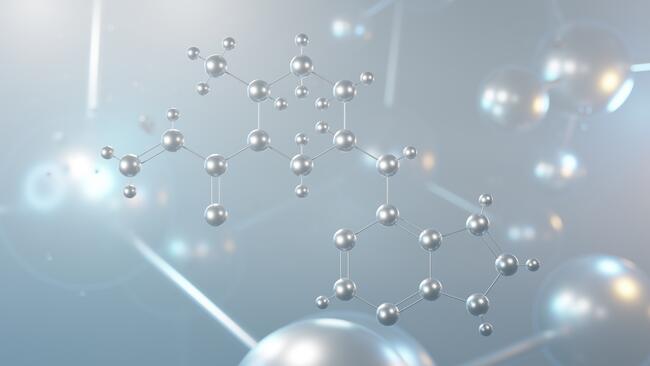
Curcumin, derived from turmeric, was a central focus due to its broad anti-inflammatory and immunomodulatory effects. It targets multiple signaling pathways, including NF-κB, JAK-STAT, and MAPK, and reduces cytokines such as TNF-α and IL-17. Dr Nestor noted that curcumin “has an effect across a wide variety of genetic transcription factors,” supporting its potential role in conditions such as psoriasis and atopic dermatitis.
Clinical studies cited in the presentation showed improvements in psoriasis severity and atopic dermatitis symptoms with curcumin-based therapies, both as monotherapy and in combination with standard treatments.
Genistein, a phytoestrogen, was highlighted for its role in aging and postmenopausal skin changes. It improves collagen production, enhances skin elasticity, and provides photoprotection. It has also demonstrated systemic benefits, including effects on bone density, cardiovascular health, and metabolic parameters.
Dr Nestor concluded that “the FDA category of ‘medical foods’ presents us with a unique opportunity to treat dermatologic disease,” while emphasizing that these therapies should be used under physician guidance.
For more meeting coverage, visit the Music City SCALE newsroom.
Reference
Nestor MS. Medical foods. Presented at: Music City SCALE Symposium; May 13–17, 2026; Nashville, TN.