Next-Generation Fillers Expand Beyond Volume to Regenerative Aesthetics
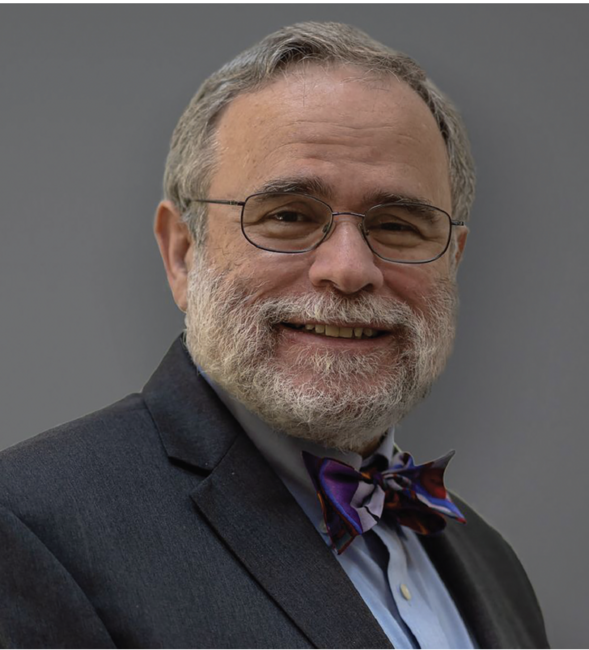
Advances in dermal filler technology are shifting the field from simple volume replacement to regenerative and multimodal approaches, according to Jeremy B. Green, MD, FAAD, during his Music City SCALE 2026 session, “The Future of Filler: What’s Coming Next?” The evolving pipeline includes new indications, novel biomaterials, and combination products designed to enhance both structure and tissue quality.
Current research is expanding the use of hyaluronic acid (HA) fillers into new anatomic areas. Potential indications include treatment of the temples, horizontal neck lines, and the décolletage. Additional applications under investigation include poly-L-lactic acid (PLLA) for cellulite and broader use of calcium hydroxylapatite (CaHA) and HA in combination treatments.
Combination fillers represent a key area of development. Products such as HA and CaHA premixed formulations aim to provide both immediate volumization and longer-term biostimulation. One such formulation combines HA with CaHA microspheres, offering structural support alongside collagen-stimulating effects.
Other biomaterials are also emerging. Polycaprolactone-based fillers, already approved in multiple international markets, are under investigation in phase 3 trials in the United States. These products consist of synthetic microspheres within a gel carrier and are designed to provide sustained tissue support.
New formulations of PLLA are also being evaluated. Early data from small cohorts demonstrated meaningful improvements in wrinkle severity, with 72% of patients achieving greater than 1 grade improvement on the Wrinkle Severity Rating Scale at 6 months. These findings support continued interest in biostimulatory fillers.
The presentation emphasized a broader shift toward “true regenerative aesthetic medicine,” highlighting the use of biomaterial scaffolds, including plant-derived collagen and animal-based dermal matrices. These approaches aim to move beyond correction of volume loss toward restoration of tissue architecture.
Dr Green described the future of fillers as centered on “new indications” and “true regenerative fillers,” reflecting a transition toward more biologically integrated treatments.
For more meeting coverage, visit the Music City SCALE newsroom.
Reference
Green J. The future of filler: what’s coming next? Presented at: Music City SCALE Symposium; May 13–17, 2026; Nashville, TN.