Secretomes in Dermatology: Expanding Regenerative Approaches Beyond PRP
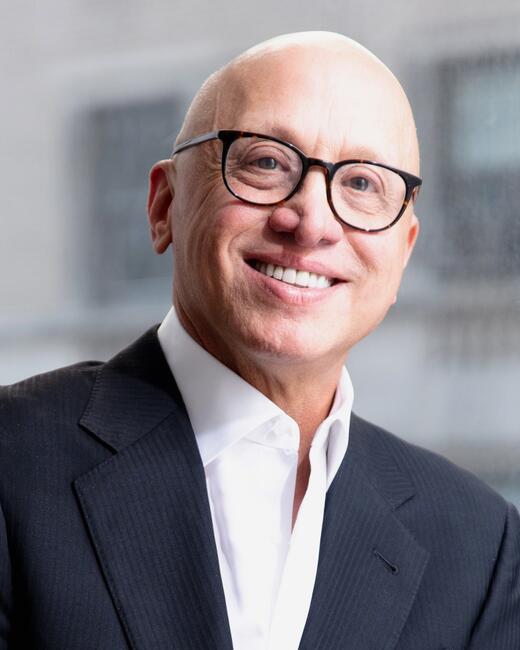
Secretome-based therapies may represent an emerging direction in regenerative dermatology, offering a broad range of bioactive molecules that support tissue repair, skin rejuvenation, and hair growth, according to Nowell Solish, MD, FRCP, during his Music City SCALE 2026 session, “The Secret of Secretomes.”
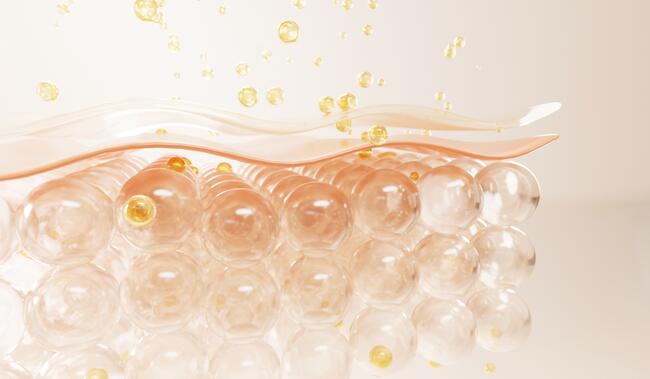
Dr Solish described secretomes as the “complete molecular product of your cells,” composed of cytokines, growth factors, carrier proteins, and extracellular vesicles such as exosomes. These components work together to regulate inflammation, enhance cellular signaling, and promote regeneration. Unlike cell-based therapies, secretomes are acellular, allowing for easier storage and delivery.
He emphasized that secretomes provide “a more comprehensive range of bioactive molecules that support healing,” distinguishing them from other regenerative modalities. Their effects include anti-inflammatory, antioxidant, and proliferative activity, which may be relevant across multiple dermatologic applications.
Hair follicle–derived stem cells were highlighted as a particularly promising source. These cells are accessible through noninvasive collection and can be expanded and reprogrammed. Secretomes derived from this environment are enriched with signaling molecules that support follicular activity.
Comparisons with platelet-rich plasma (PRP) were a key focus. While PRP contains platelets and growth factors derived from blood, secretomes include a broader array of signaling molecules and extracellular vesicles. In hair applications, secretome formulations demonstrated higher concentrations of key growth factors and matrix proteins associated with follicle regeneration and anagen phase induction.
Clinical applications discussed included wound healing, skin rejuvenation, and hair restoration. In post-procedure recovery, use of secretome products following CO₂ laser resurfacing was associated with reduced downtime and improved patient-reported outcomes, including less irritation and faster return to baseline.
The presentation also addressed variability in source material. Concerns were raised regarding allogeneic “age zero” claims, with evidence suggesting that repeated cell passaging may alter cellular behavior. In contrast, secretomes derived from hair follicle sources may maintain consistent activity across age groups.
Looking ahead, secretome-based therapies are part of a broader movement toward regenerative medicine. The field is exploring applications beyond dermatology, including tissue repair and systemic disease treatment.
For more meeting coverage, visit the Music City SCALE newsroom.
Reference
Solish N. The secret of secretomes. Presented at: Music City SCALE Symposium; May 13–17, 2026; Nashville, TN.