Atopic Dermatitis Diagnosis Requires Careful Differentiation From Inflammatory, Infectious, and Systemic Conditions
Accurate diagnosis of atopic dermatitis (AD) requires careful differentiation from inflammatory, infectious, autoimmune, and neoplastic conditions that may present with overlapping clinical features, according to a review examining the differential diagnoses of AD.
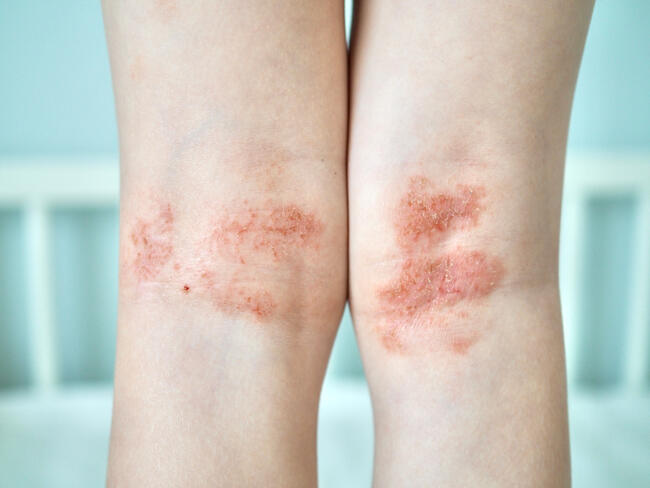
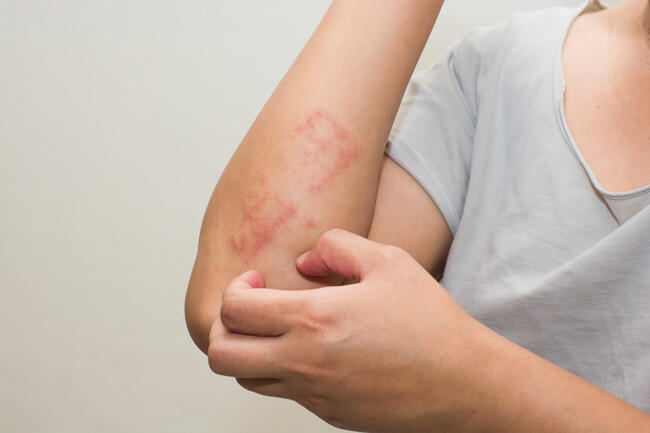
AD is a chronic, pruritic inflammatory skin disease characterized by complex pathogenesis and variable clinical presentations. These characteristics can complicate diagnosis, particularly when symptoms resemble those of other dermatologic disorders.
Among inflammatory conditions, seborrheic dermatitis, psoriasis, allergic and irritant contact dermatitis, lichen simplex chronicus, and pityriasis rosea may mimic AD. Clinical history, lesion distribution, and morphology can help distinguish these conditions.
Infectious diseases, including scabies, tinea corporis, impetigo, and secondary syphilis, also warrant consideration because they may share cutaneous manifestations with AD but have distinct clinical or diagnostic markers.
The review highlighted several high-priority diagnoses requiring particular attention, including mycosis fungoides, dermatomyositis, nutritional deficiencies involving zinc or niacin, and drug eruptions. Genetic syndromes, including Netherton syndrome and severe dermatitis-allergies-metabolic wasting syndrome, and primary immunodeficiencies such as hyper-IgE and DiGeorge and Wiskott-Aldrich syndromes may also resemble AD.
Despite advances in diagnostic research, laboratory testing has limitations. “No single biomarker offers diagnostic certainty,” the authors emphasized.
Emerging technologies, including epidermal profiling and RNA sequencing, may eventually support more individualized diagnostic approaches. However, these methods have not replaced clinical evaluation.
“Currently, accurate diagnosis of AD remains clinical and requires vigilance, especially when disease course and response to therapy deviate from expected patterns,” the authors wrote.
Reference
Lawrence CN, Karagounis TK, Cohen DE. Atopic dermatitis reconsidered: clinical mimics and diagnostic pearls. J Am Acad Dermatol. 2026;94(5S):S21-S23. doi:10.1016/j.jaad.2025.10.171