Staphylococcus aureus Identified as Key Contributor to Atopic Dermatitis Pathogenesis
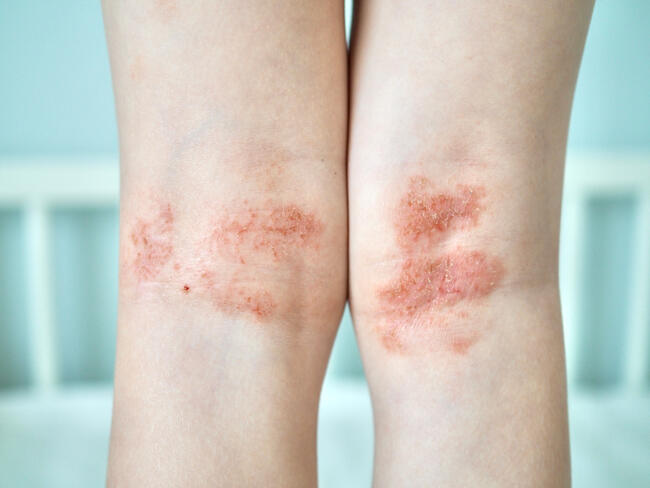
Staphylococcus aureus plays a significant role in the pathogenesis and progression of atopic dermatitis (AD), with interactions among the skin microbiome, innate immune system, and epidermal barrier contributing to disease development, according to a review examining the bacterium's influence on AD.
Although the role of S. aureus in AD was previously debated, accumulating evidence has established its contribution to disease pathophysiology and associated morbidity.
“Current evidence now shows that it is a major factor promoting the disease and is responsible for significant morbidity,” the authors wrote.
S. aureus is commonly found on healthy skin and frequently exists as part of the normal human skin microbiome. However, its relationship with the skin environment changes in patients with AD, allowing the bacterium to gain a selective growth advantage over other microbial species.
According to the review, both S. aureus and the closely related Staphylococcus epidermidis benefit from interactions involving the skin's innate immune defenses, microbial communities, and barrier properties. These relationships influence bacterial survival and contribute to changes in the composition of the skin microbiome.
Disruptions in these components or their interactions can promote microbial dysbiosis, compromise skin barrier integrity, and contribute to worsening disease.
The authors emphasized that the relationship between S. aureus and AD extends beyond bacterial colonization alone. Understanding how immune responses, microbial interactions, and skin barrier function influence bacterial survival may provide additional insight into the mechanisms underlying disease progression.
The review specifically highlighted the “interactions and factors that promote S. aureus survival on skin and its participation in the pathogenesis of AD.”
Reference
Chehadeh C, Nakatsuji T, Gallo RL. Staphylococcus aureus in atopic dermatitis: how a common bacterium exploits and drives disease. J Allergy Clin Immunol. 2026;157(3):551-557. doi:10.1016/j.jaci.2025.12.1009