A New Era in Dermatomyositis: A Conversation at the Rheumatology-Dermatology Interface
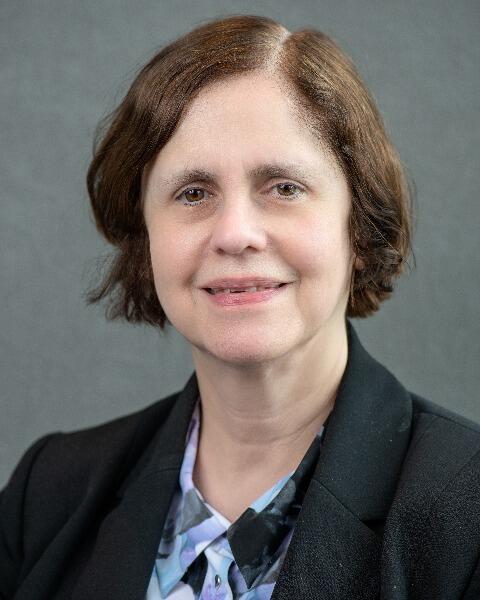
Professor and Chair, Department of Dermatology, UT Southwestern Medical Center, Dallas; Professor of Medicine, Division of Rheumatology; President, Rheumatologic Dermatology Society. Dr Merola is triple board-certified in dermatology, internal medicine, and rheumatology and has longstanding clinical and research expertise in connective tissue diseases.
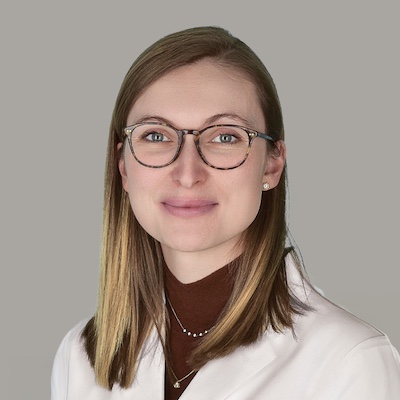
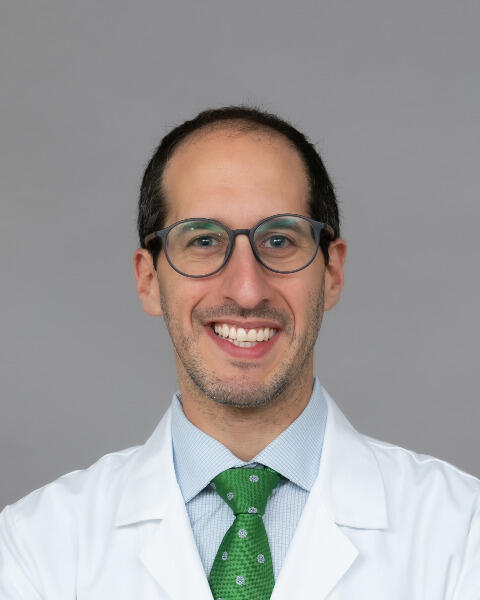
Senior Vice President, Dermatology Franchise, Priovant Therapeutics; Adjunct Assistant Professor of Dermatology, Perelman School of Medicine at the University of Pennsylvania; Co-Director of the Rheumatology-Dermatology Program, Children’s Hospital of Philadelphia (CHOP).
Dr Shaw: Joe, why do you think this is such an exciting time in connective tissue disease, and dermatomyositis in particular?
Dr Merola: I think we are entering one of the most exciting periods we have seen in connective tissue disease in quite some time. In dermatomyositis specifically, we have an emerging therapeutic pipeline that gives us an opportunity not only to introduce new treatments, but also to reinvigorate the entire discussion around the disease state: how we diagnose it, what our treatment goals should be, how aggressively we should treat it, and what best practices should look like across specialties.
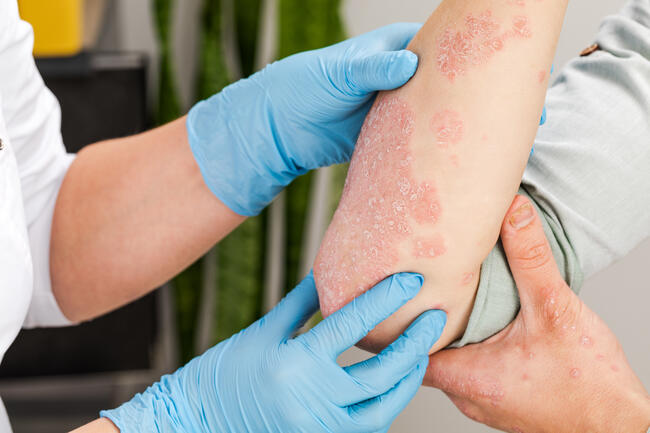
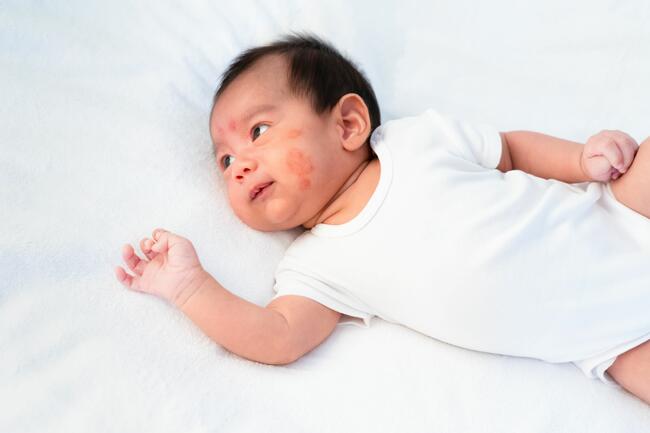
For dermatologists, this is particularly important. The skin disease of dermatomyositis can be extraordinarily difficult to treat and, for many patients, can be the most persistent and burdensome component of their disease. Severe pruritus, visible erythema, scalp disease, photosensitivity, ulceration, and other cutaneous manifestations can have an enormous impact on quality of life even when other aspects of the disease are reasonably controlled.
Dermatologists are often in the best position to recognize these patients early. I think we need to own the diagnosis and treatment of the skin disease, while at the same time recognizing that dermatomyositis is fundamentally a multisystem disease. Owning the disease does not mean managing it in isolation. It means taking responsibility for identifying the problem, achieving appropriate control of the cutaneous disease, and making sure the patient is connected with rheumatology, neurology, pulmonology, oncology, and other colleagues when those disciplines are needed.
Finally, I think recent therapeutic advances and new drug approvals are forcing us to reconsider something even more fundamental: What constitutes treatment success? Historically, we as clinicians have often accepted partial improvement while patients remain on corticosteroids and other nonspecific immunosuppressive therapies. As more effective targeted therapies become available, the question becomes whether we can intervene earlier, achieve deeper and more durable disease control, reduce corticosteroid exposure, and ultimately begin treating toward defined targets, such as low disease activity or remission.
Thus, the opportunity today is to move from simply managing difficult disease to asking: What would low disease activity or remission actually look like for a patient with dermatomyositis, and how do we get them there?
Dr Shaw: You mentioned the therapeutic pipeline. What has you particularly excited right now?
Dr Merola: For the first time, we are seeing truly targeted therapies demonstrating significant promise in dermatomyositis. And perhaps the most tangible sign that the field has changed is the US Food and Drug Administration (FDA) approval of Lisraya (brepocitinib) as the first oral treatment specifically indicated for adults with dermatomyositis. The approval occurred on August 27, 2026.
That is an extraordinary milestone.
For decades, most of what we have done in dermatomyositis has involved adapting therapies from other autoimmune diseases, often with limited randomized controlled evidence and variable effects on the skin. Now we have an oral targeted therapy supported by a positive Phase 3 trial demonstrating improvement not only in global myositis disease activity, but also in skin disease, muscle weakness, physical function, and the ability to taper corticosteroids.1
From a dermatology perspective, the skin data are particularly exciting. In the global Phase 3 VALOR trial, brepocitinib produced early and sustained improvements in cutaneous disease activity, itch, and skin-related quality of life, with treatment effects evident as early as week 4. Among patients with moderate-to-severe skin disease, substantially more patients achieved clear or almost clear skin and functional remission of cutaneous disease activity with brepocitinib compared with placebo.2
For those of us who have taken care of patients with dermatomyositis for years, these positive results really change the conversation. We are already writing our first Lisraya prescriptions. It is incredibly exciting to be able to sit with a patient with dermatomyositis and have a genuinely new, targeted, and evidence-based treatment option to offer.
Dr Merola: Katharina, you have had a remarkably unusual vantage point on this. You have cared for adults and children with connective tissue diseases as a dermatologist, worked directly at the rheumatology-dermatology interface, and then moved into a leadership role in industry helping bring this therapy to patients. What has that experience been like?
Dr Shaw: It has been an incredibly unique and rewarding opportunity. One of the things I have always loved about connective tissue disease is that these patients force us to think beyond the traditional boundaries of dermatology. Their skin findings may be what brings them to medical attention, but understanding the patient means understanding the immune biology, the systemic manifestations, the medications, and the perspectives of multiple specialties.
Having cared for both pediatric and adult patients with connective tissue disease has also made the unmet need very tangible to me. You remember the individual patients whose skin disease would not come under control, the patients who were living with severe itch or visible disease despite multiple therapies, and the families trying to navigate complex multidisciplinary care.
Moving into drug development gave me an opportunity to bring that clinical perspective to a different part of the process. It allowed me to ask very practical questions: Are we measuring the manifestations that really matter to patients? Are we adequately capturing skin disease? What constitutes a clinically meaningful response? Are we designing trials that reflect the patients that we actually see in clinical practice?
To then participate in bringing a therapy from clinical development through a Phase 3 program and ultimately to an FDA approval is extraordinarily gratifying. Very few physicians get the opportunity to see that entire arc.
And I think there is an important broader lesson here. Industry and academia are different environments, but ultimately the goal should be the same: rigorous scientific and clinical innovation translated into meaningful improvements in patients’ lives.
Dr Merola: Let’s talk about the biology. What exactly is brepocitinib, and why might its mechanism be particularly well suited to dermatomyositis?
Dr Shaw: Brepocitinib is an oral, selective inhibitor of TYK2 and JAK1—intracellular kinases that transmit signals from a number of cytokines that are highly relevant to autoimmune inflammation.
That combination is particularly interesting in dermatomyositis because it allows us to intervene in several cytokine pathways specifically implicated in dermatomyositis disease biology. TYK2 and JAK1 participate in signaling downstream of pathways, including type I interferons, type II interferon, IL-6, IL-12, and IL-23. Dermatomyositis is characterized by prominent interferon-associated biology, particularly in affected skin, muscle, and other tissues, so inhibiting TYK2 and JAK1 provides a biologically compelling way of interrupting several components of that inflammatory network simultaneously.
That represents an important evolution from the way we have historically treated dermatomyositis. Much of our traditional therapeutic approach has relied on broadly suppressing the immune system with nonspecific immunosuppressants. As our understanding of the molecular pathways driving dermatomyositis has advanced, we now have an opportunity to move toward mechanism-based therapies that more precisely target the biology underlying the disease.
Importantly, that mechanistic rationale is now supported by robust randomized, placebo-controlled, clinical trial evidence. In the Phase 3 VALOR trial, brepocitinib 30 mg demonstrated significant improvement in the myositis Total Improvement Score, as well as all 9 key secondary endpoints, including measures of cutaneous disease activity and corticosteroid reduction.
So, this is a compelling example of mechanism meeting phenotype: a strong biological rationale coupled with randomized clinical evidence that targeting these pathways can meaningfully improve multiple manifestations of dermatomyositis, including skin disease.
Dr Merola: Does this mechanism have potential beyond dermatomyositis? What else are you studying?
Dr Shaw: Absolutely, and this is another interesting aspect of the program. The biology regulated by TYK2 and JAK1 extends across a number of immune-mediated diseases, so there is a broader opportunity to study where this mechanism may be particularly relevant.
Beyond dermatomyositis, Priovant is actively running late-stage studies evaluating brepocitinib in noninfectious uveitis, where a Phase 3 program is reading out later this year; cutaneous sarcoidosis, where positive Phase 2 results led to Breakthrough Therapy Designation and a Phase 3 confirmatory study that is actively enrolling; and lichen planopilaris, where a Phase 2b/3 study is also underway. Studies in additional indications and patient populations may be initiated in the near future.
Disclaimer: LISRAYA has not been approved by the FDA for use in patients with noninfectious uveitis, cutaneous sarcoidosis, or lichen planopilaris. The FDA has not determined that brepocitinib is safe or effective for these uses.
Those are very different diseases clinically, but they share inflammatory pathways that make TYK2/JAK1 inhibition biologically interesting. More broadly, I think this illustrates something we will increasingly see in medical dermatology: rather than grouping diseases primarily by what they look like clinically, we can increasingly think about them according to their underlying immunologic circuitry and target those pathways more precisely.
Dr Merola: What should clinicians understand about safety when they begin thinking about using brepocitinib?
Dr Shaw: It is important that enthusiasm for any new therapy be accompanied by an equally careful understanding of its safety profile.
The most commonly reported adverse reactions in the approved prescribing information include upper respiratory tract infection, headache, fatigue, urinary tract infection, nausea, bronchitis, arthralgia, diarrhea, back pain, fall, influenza, and acne. Overall, treatment discontinuations were more frequent in the placebo group than in the brepocitinib 30 mg group.
As a JAK/TYK2-pathway inhibitor, Lisraya also carries a boxed warning addressing serious infections, mortality, malignancy, major adverse cardiovascular events, and thrombosis. Those warnings should be addressed and incorporated into appropriate patient selection, counseling, screening, and monitoring.
But one of the important shifts in how we think about benefit and risk in dermatomyositis is recognizing that the alternative to targeted therapy is not a risk-free state. Dermatomyositis itself is associated with substantial morbidity, including increased risk for infection, cardiovascular disease, thrombosis, and malignancy, and persistent systemic inflammation contributes to several of those risks. At the same time, the therapies we have historically relied upon carry their own substantial burden. Prolonged corticosteroid exposure (even at relatively low doses) is associated with significant cumulative toxicity, while conventional immunosuppressants can be limited by incomplete efficacy, infection risk, organ toxicity, and poor tolerability. IVIg can be effective for some patients but is associated with administrative burden and infusion-related adverse effects. And despite combinations of these therapies, many patients continue to have inadequately controlled disease.
So, the relevant clinical question is not simply, “What are the risks of this drug?” It is, “What is the overall benefit-risk of this treatment relative to inadequately controlled disease and the therapies the patient would otherwise receive?” That is a much more clinically rigorous way to think about treatment decisions.
Dr Shaw: Joe, let’s bring this back to the practicing dermatologist. If a dermatologist sees a patient with dermatomyositis tomorrow, what do you want them thinking about differently?
Dr Merola: The first thing I would say is: Do not underestimate the skin disease, and do not accept uncontrolled skin disease as inevitable.
Historically, we have sometimes tolerated a significant amount of residual cutaneous disease because we were focused on muscle strength or because our therapeutic choices were limited. But chronic erythema, scalp inflammation, pruritus, ulceration, and highly visible disease can be profoundly disabling. We should be thinking about meaningful control of the skin disease and, when possible, getting patients toward low disease activity or remission rather than simply accepting partial improvement.
Second, dermatologists should feel empowered to own the management of this disease. We are exceptionally well positioned to recognize dermatomyositis, distinguish active inflammation from damage, quantify cutaneous disease, and understand whether the skin is actually responding to therapy.
But—and this is critical—never stop at the skin.
Every dermatologist treating dermatomyositis needs a framework for identifying muscle and systemic disease. Ask about proximal weakness. Ask whether the patient is having trouble getting out of a chair, climbing stairs, lifting their arms, or performing activities they could previously perform. Ask specifically about dysphagia and dysphonia, which should immediately raise concern about more consequential muscle involvement.
Look at muscle enzymes, including creatine kinase and aldolase, recognizing that normal enzymes do not necessarily exclude clinically meaningful muscle disease.
Think about the lung. Interstitial lung disease (ILD) is an important source of morbidity in inflammatory myopathies, and certain phenotypes and antibody profiles—particularly anti-MDA5 and antisynthetase antibodies, among others—should increase our concern. Current American College of Radiology/American College of Chest Physicians guidance supports pulmonary function tests and high-resolution computed tomography as screening approaches in patients with systemic autoimmune rheumatic disease at risk for ILD.
And finally, think about malignancy. Adult-onset dermatomyositis carries an important malignancy association. The International Myositis Assessment and Clinical Studies Group international guidelines now give us a useful risk-stratified framework incorporating disease subtype, autoantibodies, clinical features, age-appropriate screening, and additional basic or enhanced screening in patients at higher risk.
Dermatologists do not necessarily have to perform every component themselves. But someone needs to own making sure it happens.
That is where multidisciplinary care becomes so important.
Dr Shaw: Does multidisciplinary care mean every patient needs to be sent elsewhere?
Dr Merola: Not at all. I actually think that distinction is important.
Multidisciplinary care should not mean that dermatologists simply identify dermatomyositis and hand the patient off. Dermatologists can and should remain central to these patients’ care, particularly when skin disease is a major driver of morbidity.
The model I favor is ownership plus collaboration.
Dermatology owns the diagnosis and assessment of the cutaneous disease and can absolutely own treatment when appropriate. Rheumatology or neurology may take the lead on significant muscle disease. Pulmonology becomes essential when there is ILD. Oncology and other specialists may enter the picture depending on malignancy risk or other organ involvement.
The patient should experience that as one coordinated care team rather than a series of disconnected referrals.
And because the skin is visible and readily measurable, dermatologists have another important role: We can tell very quickly whether we are achieving the level of disease control we should be aiming for.
Dr Merola: Katharina, are we reaching a point where our treatment goals in dermatomyositis should become more ambitious?
Dr Shaw: I think we are, and in some ways, this is the expected, natural evolution of any field in medicine when more effective therapies become available.
We have seen this happen in diseases like rheumatoid arthritis, psoriatic arthritis, and lupus. As therapies improved, the treatment paradigm evolved from sequential escalation and acceptance of residual disease toward earlier intervention and treat-to-target strategies aimed at preventing cumulative damage and achieving low disease activity or remission.
The field of dermatomyositis has not experienced that evolution yet. Historically, our therapeutic ceiling has been relatively low, so even partial improvement might have felt like success—even if a patient continued to have meaningful disease activity or remained dependent on corticosteroids.
But when clinical trials begin showing patients achieving clear or almost-clear skin, substantial reductions in global disease activity, and improvements in physical function, itch, and quality of life, together with meaningful steroid reduction, our expectations should evolve with the evidence.
I think that creates an opportunity to begin defining what treat-to-target should mean in dermatomyositis. While validated definitions of low disease activity and remission are still being developed in dermatomyositis, conceptually, the goal is clear: early and sustained control of clinically meaningful disease activity, minimal symptoms, preservation or restoration of physical function, and as little corticosteroid exposure as possible.
Ultimately, we should be asking not simply whether a patient is “better,” but whether we have achieved the optimal level of disease control that is now attainable—and, if not, what we as clinicians need to do differently to get there.
Dr Merola: I agree completely. And I think that may ultimately be the most important message for dermatologists.
We are entering an era in which dermatomyositis should no longer be thought of as a disease where we simply cycle through nonspecific immunosuppression, tolerate persistent disease, and accept prolonged corticosteroid exposure as inevitable.
With the recent approval of Lisraya, we have an opportunity to move from a reactive, step-up model toward a more proactive, mechanism-based, treat-to-target approach.
For dermatologists, this is an invitation to become even more engaged in dermatomyositis—to recognize it earlier, measure it more carefully, treat it more effectively, screen thoughtfully for systemic disease, collaborate across specialties, and advocate for a higher standard of disease control.
The goal should not simply be to make dermatomyositis somewhat better. The goal should be to achieve the deepest, most durable disease control we can for our patients and get them as close as possible to the life they had before the disease. With the approval of Lisraya, we have finally acquired a tool that may allow us to do just that.
References
-
Vleugels RA, Paik JJ, Ventura IB, et al. A phase 3 trial of brepocitinib in dermatomyositis. N Engl J Med. 2026;394(19):1883-1893. doi:10.1056/NEJMoa2503531
-
Mangold AR, Haemel A, Shahriari N, et al. Skin-specific outcomes of brepocitinib in patients with dermatomyositis: secondary analysis of a phase 3 randomized clinical trial. JAMA Dermatol . Published online August 26, 2026. doi:10.1001/jamadermatol.2026.3199
Please see lisrayahcp.com/pi for full Prescribing Information, including Boxed Warning.