In dermatology, we are fortunate to have many insightful practitioners and great teachers and mentors. Some are bright stars in our special universe – others unsung heroes. All of these colleagues have much to share, from wisdom to humor to insights into dermatology and life. This column allows us to gain insight from these practitioners and learn more about them.
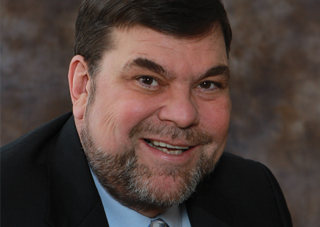
Dr. Brett Coldiron graduated from medical school at the University of Kentucky, in Lexington, KY, in 1982. He completed a residency in internal medicine at Cincinnati University Hospital from 1982 to 1985, and a dermatology residency at Parkland Hospital in Dallas from 1985 to 1988.
Dr. Coldiron is board certified in internal medicine and dermatology. He went on to Chicago where he completed a Mohs Micrographic and Dermatologic Surgery fellowship at Northwestern University and the University of Illinois at Chicago.
He returned to Cincinnati after completing his fellowship and was assistant professor of dermatology and otolaryngology at the University of Cincinnati Medical Center from 1989 to1992.
He is in private practice and maintains a clinical associate professorship at the University of Cincinnati. Dr. Coldiron’s current research interests are patient safety and the epidemiology of skin cancer. He has published more than 63 peer-reviewed articles and 4 book chapters. He is past president of the American College of Mohs Surgery and is president of the American Academy of Dermatology.
Q. What part of your work gives you the most pleasure?
A. The best part of my work is curing skin cancer. I drive home every day feeling satisfied knowing that I have cured someone.
Q. Are an understanding and appreciation of the humanities important in dermatology and why?
A. I am a liberal arts college graduate and I think that a deeper understanding of the human state is of crucial importance. Skin disease can be emotionally devastating because it is so visible. There is so much more to medicine than simply the medical part. Sometimes the biggest role a physician plays is that of advocate and counselor.
Q. What is your greatest regret?
A. I really have no regrets except that I was never skinny, never had perfect teeth and was never a movie star. Also, I wish I had met my second wife sooner.
Q. Who was your hero/mentor and why?
A. Paul Bergstresser, my residency doctor guided me gently. In addition, I think of June Robinson, my fellowship director, when I am deep in a difficult case.
Q. Which patient had the most effect on your work and why?
A. I have had several patients that have had a profound effect on me. One in particular that stood out was a long-standing patient who was a renal transplant who ended up dying from squamous cell carcinoma from one of his hundreds of skin cancers. It is just terribly frustrating to go through all that to have somebody die from their skin cancer, and I worry about that all the time with my current patients.
Q. What is the best piece of advice you have received and from whom?
A. I think the best piece of advice was from my father who told me to look over at the graveyard where he pointed out all the indispensible people. (You should not ever take yourself too seriously).
Q. What is the greatest political danger in the field of dermatology?
A. It is the attempted trivialization of skin disease by the media, insurers and government. We treat very serious and life-threatening illnesses and by trivializing us they will make access to care more difficult. n
 Dr. Barankin is a dermatologist in Toronto, Canada. He is author-editor of 6 books in dermatology and is widely published in the dermatology and humanities literature.
In dermatology, we are fortunate to have many insightful practitioners and great teachers and mentors. Some are bright stars in our special universe – others unsung heroes. All of these colleagues have much to share, from wisdom to humor to insights into dermatology and life. This column allows us to gain insight from these practitioners and learn more about them.

Dr. Brett Coldiron graduated from medical school at the University of Kentucky, in Lexington, KY, in 1982. He completed a residency in internal medicine at Cincinnati University Hospital from 1982 to 1985, and a dermatology residency at Parkland Hospital in Dallas from 1985 to 1988.
Dr. Coldiron is board certified in internal medicine and dermatology. He went on to Chicago where he completed a Mohs Micrographic and Dermatologic Surgery fellowship at Northwestern University and the University of Illinois at Chicago.
He returned to Cincinnati after completing his fellowship and was assistant professor of dermatology and otolaryngology at the University of Cincinnati Medical Center from 1989 to1992.
He is in private practice and maintains a clinical associate professorship at the University of Cincinnati. Dr. Coldiron’s current research interests are patient safety and the epidemiology of skin cancer. He has published more than 63 peer-reviewed articles and 4 book chapters. He is past president of the American College of Mohs Surgery and is president of the American Academy of Dermatology.
Q. What part of your work gives you the most pleasure?
A. The best part of my work is curing skin cancer. I drive home every day feeling satisfied knowing that I have cured someone.
Q. Are an understanding and appreciation of the humanities important in dermatology and why?
A. I am a liberal arts college graduate and I think that a deeper understanding of the human state is of crucial importance. Skin disease can be emotionally devastating because it is so visible. There is so much more to medicine than simply the medical part. Sometimes the biggest role a physician plays is that of advocate and counselor.
Q. What is your greatest regret?
A. I really have no regrets except that I was never skinny, never had perfect teeth and was never a movie star. Also, I wish I had met my second wife sooner.
Q. Who was your hero/mentor and why?
A. Paul Bergstresser, my residency doctor guided me gently. In addition, I think of June Robinson, my fellowship director, when I am deep in a difficult case.
Q. Which patient had the most effect on your work and why?
A. I have had several patients that have had a profound effect on me. One in particular that stood out was a long-standing patient who was a renal transplant who ended up dying from squamous cell carcinoma from one of his hundreds of skin cancers. It is just terribly frustrating to go through all that to have somebody die from their skin cancer, and I worry about that all the time with my current patients.
Q. What is the best piece of advice you have received and from whom?
A. I think the best piece of advice was from my father who told me to look over at the graveyard where he pointed out all the indispensible people. (You should not ever take yourself too seriously).
Q. What is the greatest political danger in the field of dermatology?
A. It is the attempted trivialization of skin disease by the media, insurers and government. We treat very serious and life-threatening illnesses and by trivializing us they will make access to care more difficult. n
Dr. Barankin is a dermatologist in Toronto, Canada. He is author-editor of 6 books in dermatology and is widely published in the dermatology and humanities literature.
In dermatology, we are fortunate to have many insightful practitioners and great teachers and mentors. Some are bright stars in our special universe – others unsung heroes. All of these colleagues have much to share, from wisdom to humor to insights into dermatology and life. This column allows us to gain insight from these practitioners and learn more about them.
Dr. Brett Coldiron graduated from medical school at the University of Kentucky, in Lexington, KY, in 1982. He completed a residency in internal medicine at Cincinnati University Hospital from 1982 to 1985, and a dermatology residency at Parkland Hospital in Dallas from 1985 to 1988.
Dr. Coldiron is board certified in internal medicine and dermatology. He went on to Chicago where he completed a Mohs Micrographic and Dermatologic Surgery fellowship at Northwestern University and the University of Illinois at Chicago.
He returned to Cincinnati after completing his fellowship and was assistant professor of dermatology and otolaryngology at the University of Cincinnati Medical Center from 1989 to1992.
He is in private practice and maintains a clinical associate professorship at the University of Cincinnati. Dr. Coldiron’s current research interests are patient safety and the epidemiology of skin cancer. He has published more than 63 peer-reviewed articles and 4 book chapters. He is past president of the American College of Mohs Surgery and is president of the American Academy of Dermatology.
Q. What part of your work gives you the most pleasure?
A. The best part of my work is curing skin cancer. I drive home every day feeling satisfied knowing that I have cured someone.
Q. Are an understanding and appreciation of the humanities important in dermatology and why?
A. I am a liberal arts college graduate and I think that a deeper understanding of the human state is of crucial importance. Skin disease can be emotionally devastating because it is so visible. There is so much more to medicine than simply the medical part. Sometimes the biggest role a physician plays is that of advocate and counselor.
Q. What is your greatest regret?
A. I really have no regrets except that I was never skinny, never had perfect teeth and was never a movie star. Also, I wish I had met my second wife sooner.
Q. Who was your hero/mentor and why?
A. Paul Bergstresser, my residency doctor guided me gently. In addition, I think of June Robinson, my fellowship director, when I am deep in a difficult case.
Q. Which patient had the most effect on your work and why?
A. I have had several patients that have had a profound effect on me. One in particular that stood out was a long-standing patient who was a renal transplant who ended up dying from squamous cell carcinoma from one of his hundreds of skin cancers. It is just terribly frustrating to go through all that to have somebody die from their skin cancer, and I worry about that all the time with my current patients.
Q. What is the best piece of advice you have received and from whom?
A. I think the best piece of advice was from my father who told me to look over at the graveyard where he pointed out all the indispensible people. (You should not ever take yourself too seriously).
Q. What is the greatest political danger in the field of dermatology?
A. It is the attempted trivialization of skin disease by the media, insurers and government. We treat very serious and life-threatening illnesses and by trivializing us they will make access to care more difficult. n
Dr. Barankin is a dermatologist in Toronto, Canada. He is author-editor of 6 books in dermatology and is widely published in the dermatology and humanities literature.