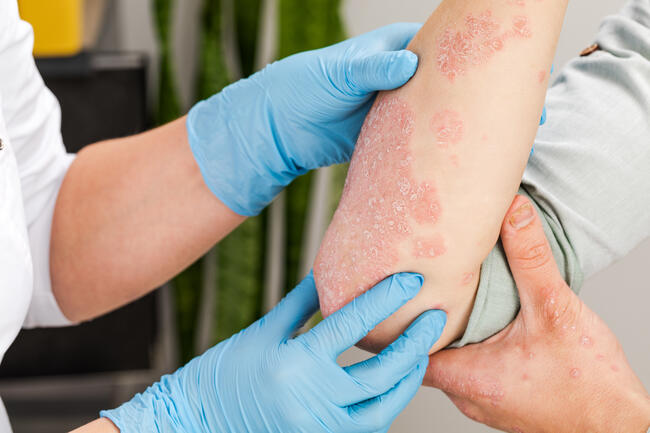
The MiraDry procedure received FDA 510(k) clearance for the new MiraDry System, from Miramar Labs, for the treatment of primary axillary hyperhidrosis.
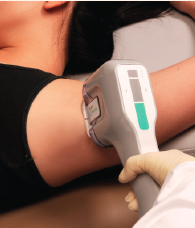 The MiraDry System is a microwave device designed to heat tissue located at the dermal-hypodermal interface where the sweat glands reside using a surface contact applicator.
The system consists of the DTS 300 Console, the MiraDry Handpiece; and a disposable, sterile MiraDry bioTip that snaps onto the handpiece to provide a sterile protective cover.
The software-driven console device contains circuit boards, a microwave generator, integrated vacuum and cooling systems and an integrated touch-screen user interface. The non-invasive handpiece is designed to deliver microwave energy to the skin at specified frequency and power levels. The proximal end of the handpiece has a cable bundle and console connector that supplies the energy and cooling to the handpiece.
The FDA cleared the MiraDry procedure based on results from a randomized, blind, sham-controlled clinical trials that included 120 subjects across 7 US sites.The results from the study were published in Dermatologic Surgery.1
Patients visit the dermatologist’s office for the procedure, which requires no surgical incisions or cuts and has minimal downtime.
The MiraDry System delivers electromagnetic energy non-invasively to the area where the sweat glands reside. The procedure uses precisely controlled energy to eliminate underarm sweat glands. The underarms are numbed prior to the procedure for patient comfort. Two procedures (an hour long each) are recommended 3 months apart to maximize the results and duration.
Patients typically return to normal activities or work immediately, and resume exercise within several days. Localized soreness or swelling clears within a few weeks. Some patients report temporary, short-term altered sensation in the skin of their underarms or upper arms, which resolves over time.
The Dermatologist Product Spotlight provides a summary of the pivotal trials that evaluated the safety and efficacy of the MiraDry procedure for the treatment of primary axillary hyperhidrosis.
Long-Term Studies: Primary Axillary Hyperhidrosis procedure
Mark Lupin, MD, and Chih-ho Hong, MD. Clinical Evaluation of a Microwave Treatment for Axillary Hyperhidrosis: Long-Term Follow-up; 2012 ASDS Annual Meeting (October 2012).2
Hong HC, Lupin M, O’Shaughnessy KF. Clinical evaluation of a microwave device for treating axillary hyperhidrosis. Dermatol Surg. 2012 May;38(5):728-35.3
Study Objective
To evaluate the follow-up results on a third-generation microwave-based device that has been developed to treat axillary hyperhidrosis by selectively heating the interface between the skin and underlying fat where the sweat glands reside.
Method
All subjects had one to three procedure sessions over a 6-month period to treat both axillae fully. Efficacy was assessed using the HDSS, gravimetric weight of sweat and the DLQI, a dermatology-specific quality-of-life scale. Subject’s safety was assessed at each visit. Subjects were followed for 24 months after all procedure sessions were complete.
Population
31 adults with primary axillary hyperhidrosis were enrolled.
Results
Results from the 2-year study data of the MiraDry procedure for the treatment of primary axillary hyperhidrosis demonstrated that the procedure is effective and leads to an improvement in quality of life for patients. Patients in the study experienced sustained improvement in sweat reduction and quality of life at 24-months post treatment.
Highlights of the 24-month data2 include:
• All of the participating patients have HDSS scores of 1 or 2, which indicate the underarm sweating no longer substantially impacts their daily lives.
• 1.3 average DLQI which indicated long-term stability, compared to average baseline score of 11.8
• This study was follow-up data to a study that assessed the efficacy and safety of the procedure, which previously 85% percent reduction of at least 5 points on the DLQI.3
Safety Assessments
At each study visit, subjects were asked a general question about their health. Reported procedure effects were categorized as Grade 0 if they were minor expected sequelae from the procedure (such as local swelling or bruising).
Other events were categorized as Grade 1 (minor) to Grade 3 (severe). The reported Grade 0 events showed that a large number of subjects experienced mild procedure effects that typically lasted a few days to a week. The most common were edema (90% of subjects), redness and vacuum acquisition marks (87% of subjects), and discomfort (84% of subjects).
The longer-term effects (all resolved) were altered sensation in the skin of the axillae (65% of subjects, median duration 37 days, range 4 days to 4 months) and palpable bumps under the skin of the axillae (71% of subjects, median duration was 41 days, 2 subjects had the effect at study exit).
In-Office Procedure for Primary Axillary Hyperhidrosis Clinical Trial
Glaser DA, Coleman WP 3rd, Fan LK, Kaminer MS, Kilmer SL, Nossa R, Smith SR, O’Shaughnessy KF. A randomized, blinded clinical evaluation of a novel microwave device for treating axillary hyperhidrosis: the dermatologic reduction in underarm perspiration study. Dermatol Surg. 2012 Feb;38(2):185-91.1
Study Objective
The study evaluated a new microwave procedure for treatment of axillary hyperhidrosis.
Study Design
Adults with primary axillary hyperhidrosis were enrolled in a randomized, sham-controlled, blinded study. Subjects were required to have a Hyperhidrosis Disease Severity Scale (HDSS) score of 3 or 4 and baseline sweat production greater than 50 mg/5 min.
Methods
Procedures were administered using a proprietary microwave energy device designed to isolate and heat target tissue. Responders were defined as subjects reporting a HDSS score of 1 or 2. Subjects were followed for 6 months (sham group) or 12 months (active group).
Results
30 days after treatment, the active group had a responder rate of 89% (72/81), and the sham group had a responder rate of 54% (21/39) (P<.001). Treatment efficacy was stable from 3 months (74%) to 12 months (69%), when follow-up ended.
The procedure demonstrated statistically significant, long-term efficacy in sweat reduction. As with any new procedure, findings from this first investigational device study identified optimization strategies for the future.
Safety Notes
Adverse events were generally mild, and all but one resolved over time.n
Additional Resources
https://www.miradry.com/physicians/clinical-studies-publications
The MiraDry procedure received FDA 510(k) clearance for the new MiraDry System, from Miramar Labs, for the treatment of primary axillary hyperhidrosis.
 The MiraDry System is a microwave device designed to heat tissue located at the dermal-hypodermal interface where the sweat glands reside using a surface contact applicator.
The system consists of the DTS 300 Console, the MiraDry Handpiece; and a disposable, sterile MiraDry bioTip that snaps onto the handpiece to provide a sterile protective cover.
The software-driven console device contains circuit boards, a microwave generator, integrated vacuum and cooling systems and an integrated touch-screen user interface. The non-invasive handpiece is designed to deliver microwave energy to the skin at specified frequency and power levels. The proximal end of the handpiece has a cable bundle and console connector that supplies the energy and cooling to the handpiece.
The FDA cleared the MiraDry procedure based on results from a randomized, blind, sham-controlled clinical trials that included 120 subjects across 7 US sites.The results from the study were published in Dermatologic Surgery.1
Patients visit the dermatologist’s office for the procedure, which requires no surgical incisions or cuts and has minimal downtime.
The MiraDry System delivers electromagnetic energy non-invasively to the area where the sweat glands reside. The procedure uses precisely controlled energy to eliminate underarm sweat glands. The underarms are numbed prior to the procedure for patient comfort. Two procedures (an hour long each) are recommended 3 months apart to maximize the results and duration.
Patients typically return to normal activities or work immediately, and resume exercise within several days. Localized soreness or swelling clears within a few weeks. Some patients report temporary, short-term altered sensation in the skin of their underarms or upper arms, which resolves over time.
The Dermatologist Product Spotlight provides a summary of the pivotal trials that evaluated the safety and efficacy of the MiraDry procedure for the treatment of primary axillary hyperhidrosis.
Long-Term Studies: Primary Axillary Hyperhidrosis procedure
Mark Lupin, MD, and Chih-ho Hong, MD. Clinical Evaluation of a Microwave Treatment for Axillary Hyperhidrosis: Long-Term Follow-up; 2012 ASDS Annual Meeting (October 2012).2
Hong HC, Lupin M, O’Shaughnessy KF. Clinical evaluation of a microwave device for treating axillary hyperhidrosis. Dermatol Surg. 2012 May;38(5):728-35.3
Study Objective
To evaluate the follow-up results on a third-generation microwave-based device that has been developed to treat axillary hyperhidrosis by selectively heating the interface between the skin and underlying fat where the sweat glands reside.
Method
All subjects had one to three procedure sessions over a 6-month period to treat both axillae fully. Efficacy was assessed using the HDSS, gravimetric weight of sweat and the DLQI, a dermatology-specific quality-of-life scale. Subject’s safety was assessed at each visit. Subjects were followed for 24 months after all procedure sessions were complete.
Population
31 adults with primary axillary hyperhidrosis were enrolled.
Results
Results from the 2-year study data of the MiraDry procedure for the treatment of primary axillary hyperhidrosis demonstrated that the procedure is effective and leads to an improvement in quality of life for patients. Patients in the study experienced sustained improvement in sweat reduction and quality of life at 24-months post treatment.
Highlights of the 24-month data2 include:
• All of the participating patients have HDSS scores of 1 or 2, which indicate the underarm sweating no longer substantially impacts their daily lives.
• 1.3 average DLQI which indicated long-term stability, compared to average baseline score of 11.8
• This study was follow-up data to a study that assessed the efficacy and safety of the procedure, which previously 85% percent reduction of at least 5 points on the DLQI.3
Safety Assessments
At each study visit, subjects were asked a general question about their health. Reported procedure effects were categorized as Grade 0 if they were minor expected sequelae from the procedure (such as local swelling or bruising).
Other events were categorized as Grade 1 (minor) to Grade 3 (severe). The reported Grade 0 events showed that a large number of subjects experienced mild procedure effects that typically lasted a few days to a week. The most common were edema (90% of subjects), redness and vacuum acquisition marks (87% of subjects), and discomfort (84% of subjects).
The longer-term effects (all resolved) were altered sensation in the skin of the axillae (65% of subjects, median duration 37 days, range 4 days to 4 months) and palpable bumps under the skin of the axillae (71% of subjects, median duration was 41 days, 2 subjects had the effect at study exit).
In-Office Procedure for Primary Axillary Hyperhidrosis Clinical Trial
Glaser DA, Coleman WP 3rd, Fan LK, Kaminer MS, Kilmer SL, Nossa R, Smith SR, O’Shaughnessy KF. A randomized, blinded clinical evaluation of a novel microwave device for treating axillary hyperhidrosis: the dermatologic reduction in underarm perspiration study. Dermatol Surg. 2012 Feb;38(2):185-91.1
Study Objective
The study evaluated a new microwave procedure for treatment of axillary hyperhidrosis.
Study Design
Adults with primary axillary hyperhidrosis were enrolled in a randomized, sham-controlled, blinded study. Subjects were required to have a Hyperhidrosis Disease Severity Scale (HDSS) score of 3 or 4 and baseline sweat production greater than 50 mg/5 min.
Methods
Procedures were administered using a proprietary microwave energy device designed to isolate and heat target tissue. Responders were defined as subjects reporting a HDSS score of 1 or 2. Subjects were followed for 6 months (sham group) or 12 months (active group).
Results
30 days after treatment, the active group had a responder rate of 89% (72/81), and the sham group had a responder rate of 54% (21/39) (P<.001). Treatment efficacy was stable from 3 months (74%) to 12 months (69%), when follow-up ended.
The procedure demonstrated statistically significant, long-term efficacy in sweat reduction. As with any new procedure, findings from this first investigational device study identified optimization strategies for the future.
Safety Notes
Adverse events were generally mild, and all but one resolved over time.n
Additional Resources
https://www.miradry.com/physicians/clinical-studies-publications
The MiraDry procedure received FDA 510(k) clearance for the new MiraDry System, from Miramar Labs, for the treatment of primary axillary hyperhidrosis.
The MiraDry System is a microwave device designed to heat tissue located at the dermal-hypodermal interface where the sweat glands reside using a surface contact applicator.
The system consists of the DTS 300 Console, the MiraDry Handpiece; and a disposable, sterile MiraDry bioTip that snaps onto the handpiece to provide a sterile protective cover.
The software-driven console device contains circuit boards, a microwave generator, integrated vacuum and cooling systems and an integrated touch-screen user interface. The non-invasive handpiece is designed to deliver microwave energy to the skin at specified frequency and power levels. The proximal end of the handpiece has a cable bundle and console connector that supplies the energy and cooling to the handpiece.
The FDA cleared the MiraDry procedure based on results from a randomized, blind, sham-controlled clinical trials that included 120 subjects across 7 US sites.The results from the study were published in Dermatologic Surgery.1
Patients visit the dermatologist’s office for the procedure, which requires no surgical incisions or cuts and has minimal downtime.
The MiraDry System delivers electromagnetic energy non-invasively to the area where the sweat glands reside. The procedure uses precisely controlled energy to eliminate underarm sweat glands. The underarms are numbed prior to the procedure for patient comfort. Two procedures (an hour long each) are recommended 3 months apart to maximize the results and duration.
Patients typically return to normal activities or work immediately, and resume exercise within several days. Localized soreness or swelling clears within a few weeks. Some patients report temporary, short-term altered sensation in the skin of their underarms or upper arms, which resolves over time.
The Dermatologist Product Spotlight provides a summary of the pivotal trials that evaluated the safety and efficacy of the MiraDry procedure for the treatment of primary axillary hyperhidrosis.
Long-Term Studies: Primary Axillary Hyperhidrosis procedure
Mark Lupin, MD, and Chih-ho Hong, MD. Clinical Evaluation of a Microwave Treatment for Axillary Hyperhidrosis: Long-Term Follow-up; 2012 ASDS Annual Meeting (October 2012).2
Hong HC, Lupin M, O’Shaughnessy KF. Clinical evaluation of a microwave device for treating axillary hyperhidrosis. Dermatol Surg. 2012 May;38(5):728-35.3
Study Objective
To evaluate the follow-up results on a third-generation microwave-based device that has been developed to treat axillary hyperhidrosis by selectively heating the interface between the skin and underlying fat where the sweat glands reside.
Method
All subjects had one to three procedure sessions over a 6-month period to treat both axillae fully. Efficacy was assessed using the HDSS, gravimetric weight of sweat and the DLQI, a dermatology-specific quality-of-life scale. Subject’s safety was assessed at each visit. Subjects were followed for 24 months after all procedure sessions were complete.
Population
31 adults with primary axillary hyperhidrosis were enrolled.
Results
Results from the 2-year study data of the MiraDry procedure for the treatment of primary axillary hyperhidrosis demonstrated that the procedure is effective and leads to an improvement in quality of life for patients. Patients in the study experienced sustained improvement in sweat reduction and quality of life at 24-months post treatment.
Highlights of the 24-month data2 include:
• All of the participating patients have HDSS scores of 1 or 2, which indicate the underarm sweating no longer substantially impacts their daily lives.
• 1.3 average DLQI which indicated long-term stability, compared to average baseline score of 11.8
• This study was follow-up data to a study that assessed the efficacy and safety of the procedure, which previously 85% percent reduction of at least 5 points on the DLQI.3
Safety Assessments
At each study visit, subjects were asked a general question about their health. Reported procedure effects were categorized as Grade 0 if they were minor expected sequelae from the procedure (such as local swelling or bruising).
Other events were categorized as Grade 1 (minor) to Grade 3 (severe). The reported Grade 0 events showed that a large number of subjects experienced mild procedure effects that typically lasted a few days to a week. The most common were edema (90% of subjects), redness and vacuum acquisition marks (87% of subjects), and discomfort (84% of subjects).
The longer-term effects (all resolved) were altered sensation in the skin of the axillae (65% of subjects, median duration 37 days, range 4 days to 4 months) and palpable bumps under the skin of the axillae (71% of subjects, median duration was 41 days, 2 subjects had the effect at study exit).
In-Office Procedure for Primary Axillary Hyperhidrosis Clinical Trial
Glaser DA, Coleman WP 3rd, Fan LK, Kaminer MS, Kilmer SL, Nossa R, Smith SR, O’Shaughnessy KF. A randomized, blinded clinical evaluation of a novel microwave device for treating axillary hyperhidrosis: the dermatologic reduction in underarm perspiration study. Dermatol Surg. 2012 Feb;38(2):185-91.1
Study Objective
The study evaluated a new microwave procedure for treatment of axillary hyperhidrosis.
Study Design
Adults with primary axillary hyperhidrosis were enrolled in a randomized, sham-controlled, blinded study. Subjects were required to have a Hyperhidrosis Disease Severity Scale (HDSS) score of 3 or 4 and baseline sweat production greater than 50 mg/5 min.
Methods
Procedures were administered using a proprietary microwave energy device designed to isolate and heat target tissue. Responders were defined as subjects reporting a HDSS score of 1 or 2. Subjects were followed for 6 months (sham group) or 12 months (active group).
Results
30 days after treatment, the active group had a responder rate of 89% (72/81), and the sham group had a responder rate of 54% (21/39) (P<.001). Treatment efficacy was stable from 3 months (74%) to 12 months (69%), when follow-up ended.
The procedure demonstrated statistically significant, long-term efficacy in sweat reduction. As with any new procedure, findings from this first investigational device study identified optimization strategies for the future.
Safety Notes
Adverse events were generally mild, and all but one resolved over time.n
Additional Resources
https://www.miradry.com/physicians/clinical-studies-publications