Patients who present with a picking disorder should be thoroughly evaluated to determine the cause of the picking. This evaluation should be utilized to develop a treatment regimen that includes medication if necessary.
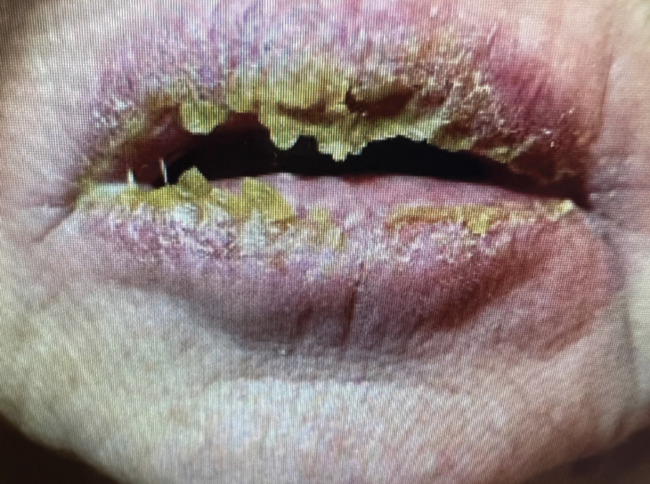
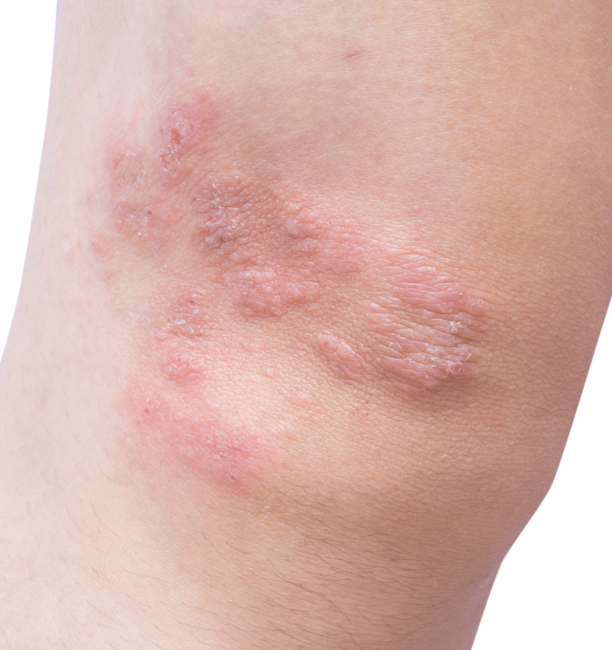
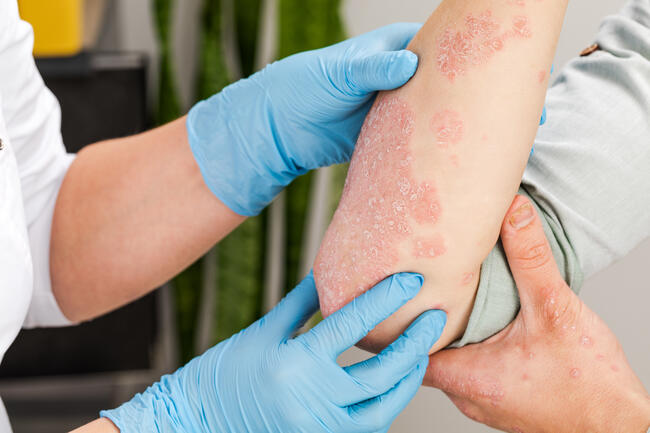
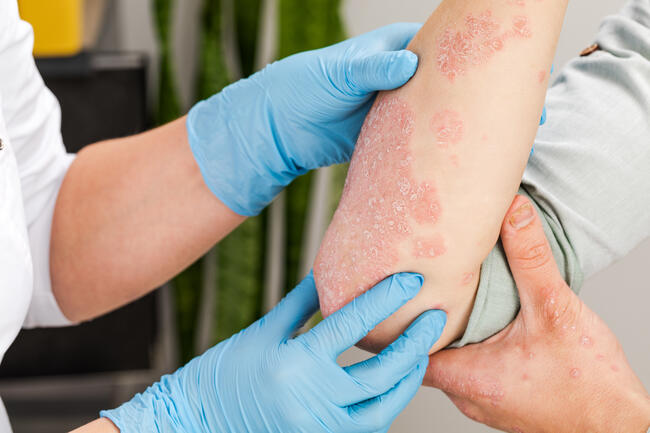
 Skin excoriation is a frequently encountered presentation in clinical practice. Diagnoses such as neurotic excoriations, acne excorie, prurigo nodularis and the more colloquial “picker” are terms commonly bestowed upon these patients. Severity of skin manipulation and insult varies considerably, ranging from a few superficial scratches at the mild end of the continuum to extensively distributed deep invasions of the integument at the other. Scarring is common with more chronic, extensive skin picking, and, in extreme cases, severe disfigurement occurs.
Skin excoriators are considered to be “neurotic,” and their behaviors lead to skin alterations — their badges of mental illness. They are barraged with admonitions and inquisitions from family, friends and medical professionals. “Don’t pick,” “Why are you picking?” and “Leave your skin alone” are but a few of the often useless and infuriating directives and questions. The unfortunate result is, frequently, an escalation of skin manipulation.
The age-old question is: Why do pickers pick? This is a very difficult question to answer simply and is perhaps analogous to asking why a patient with a fever of unknown origin (FUO) is hot? Neither “picker” nor “hot” are diagnoses; they are descriptions of alterations in behavior and thermoregulation. The etiology of both concerns should be approached, conceptualized and investigated with similar degrees of scientific rigor.
Neither the picker nor the febrile individual represents a homogeneous population. The picker picks for a multitude of reasons, including habit, anxiety, depression, obsessive compulsive disorder, borderline personality disorder, pain syndromes and other dysesthesias, as well as delusional disorders like delusions of parasitosis. The FUO may represent infection, neoplasm, drug, allergy, autoimmunity and endocrinologic dysfunction, to name but a few possibilities. It can be legitimately argued that the work-up of the FUO is more straightforward and objective than that of picking. Blood, urine and serum cultures, serologies, tissue biopsies and radiographic studies are interpreted with more unanimity regarding diagnosis and “standard of care” treatments.
Most skin pickers do not want to pick. This is exactly why the comments and admonishments of others are so exasperating. They cannot answer why they pick, nor can they offer rational explanations to themselves or others as to why they don’t stop. While there may be some transient degree of stress, anxiety or anger reduction at the time of the skin excoriation, the skin manipulation is usually followed by remorse, frustration, increased tension and anxiety, sometimes with frank self-loathing. These negative emotional sequelae often lead to more skin manipulation and damage, and a vicious cycle frequently ensues.
Is it What They See, What They Feel or Just What They Do?
I believe it is helpful to separate pickers into those who pick at visible skin lesions, those who pick in response to unpleasant sensations and those who pick “because it is what they do.” Granted, these are not necessarily mutually exclusive groups. Patients may migrate or transition from one to the other at different times during the life of their excoriating behavior.
The Forme Fruste Argument
I strongly propose that many of the “pickers” who present to our practices are victims of a biologically based disorder. The anxiety, “hollow histories” and peculiar affect may be secondary to their biologic disorder rather than etiologic. The common thread uniting a significant percentage of pickers of all etiologies and from all groups appears to be a degree of automaticity. Their excoriative behaviors eventually seem to “take on a life of their own.” It is as though new neuronal pathways have been formed, resulting in repetitive behaviors that can be independent of any identifiable eliciting stimulus, with no lesion, no sensation, no emotion necessary. Are we perhaps seeing a forme fruste of a tic disorder or other repetitive movement or behavioral disorder? I am not suggesting that skin pickers have Tourette’s Disorder. What I am proposing is that skin picking may be maintained or exacerbated by central neurochemical events that may be at least partially dopaminergic in etiology.
I have treated at least 100 skin pickers with low-dose pimozide, and it has proven effective in reducing the frequency and severity of skin picking. When dysesthetic symptoms are present (ie, burning, crawling, biting or pruritus), the benefit seems to be even more dramatic. Patients consistently report a decreased urge to pick, less preoccupation with the skin and enhanced feelings of self-control. Unlike the higher dosing regimens often required for Tourette’s Disorder (2 mg to 10 mg) and delusions of parasitosis (2 mg to 6 mg), I find 1 mg to 2 mg in a single dose or divided doses to be effective. Sedation and anticholinergic side effects including orthostatic hypotension are usually minimal at this dose range, but can be seen. Parkinsonian side effects, including tardive dyskinesia and akisthesia, are possible with any dopamine D2 receptor antagonist. QT prolongation has been reported at higher dosing.
Management of the Picker
Categorization and treatment recommendations have been described in more detail in previous writings (see “Additional Resources” below). In general, if there are lesions, treat them and eliminate them if possible. If there is dysesthetic sensation, ameliorate it if possible. If there is functionally autonomous picking, note it, explain it and treat it. Antihistamines (H1, H2), antibiotics, antivirals, anti-inflammatories, antidepressants (SSRI, SNRI, TCA), anti-seizure medications and anti-malarials should all be considered and selectively prescribed. If they work, you are a hero. If they don’t and the picking persists, consider the possibility of a forme fruste of a Tourette’s-like disorder. Entertain the therapeutic possibility of a dopamine D2 antagonist such as pimozide. Introduce it as a neuronal normalizer and an agent that can break the repetitive picking cycle. Document the risks of this medication as you would any other agent. If you choose not to add this agent to your therapeutic armamentarium, recognize that there are risks of not treating, including scarring, infection, depression and psychosocial and intrapsychic impairment. As the saying goes, “pick a winner.”
Additional Resources
1. Fried RG, Fried S. Picking apart the picker: a clinician's guide for management of the patient presenting with excoriations. Cutis. 2003;71(4):291-298.
2. Kurlan R. Clinical practice. Tourette’s Syndrome. N Engl J Med. 2010;363(24): 2332-2338.
3. Walkup JT, Ferrãro Y, Leckman JF, Stein DJ, Singer H. Tic disorders: Some key issues for DSM-V. Depress Anxiety. 2010;27(6):600-610.
Patients who present with a picking disorder should be thoroughly evaluated to determine the cause of the picking. This evaluation should be utilized to develop a treatment regimen that includes medication if necessary.
 Skin excoriation is a frequently encountered presentation in clinical practice. Diagnoses such as neurotic excoriations, acne excorie, prurigo nodularis and the more colloquial “picker” are terms commonly bestowed upon these patients. Severity of skin manipulation and insult varies considerably, ranging from a few superficial scratches at the mild end of the continuum to extensively distributed deep invasions of the integument at the other. Scarring is common with more chronic, extensive skin picking, and, in extreme cases, severe disfigurement occurs.
Skin excoriators are considered to be “neurotic,” and their behaviors lead to skin alterations — their badges of mental illness. They are barraged with admonitions and inquisitions from family, friends and medical professionals. “Don’t pick,” “Why are you picking?” and “Leave your skin alone” are but a few of the often useless and infuriating directives and questions. The unfortunate result is, frequently, an escalation of skin manipulation.
The age-old question is: Why do pickers pick? This is a very difficult question to answer simply and is perhaps analogous to asking why a patient with a fever of unknown origin (FUO) is hot? Neither “picker” nor “hot” are diagnoses; they are descriptions of alterations in behavior and thermoregulation. The etiology of both concerns should be approached, conceptualized and investigated with similar degrees of scientific rigor.
Neither the picker nor the febrile individual represents a homogeneous population. The picker picks for a multitude of reasons, including habit, anxiety, depression, obsessive compulsive disorder, borderline personality disorder, pain syndromes and other dysesthesias, as well as delusional disorders like delusions of parasitosis. The FUO may represent infection, neoplasm, drug, allergy, autoimmunity and endocrinologic dysfunction, to name but a few possibilities. It can be legitimately argued that the work-up of the FUO is more straightforward and objective than that of picking. Blood, urine and serum cultures, serologies, tissue biopsies and radiographic studies are interpreted with more unanimity regarding diagnosis and “standard of care” treatments.
Most skin pickers do not want to pick. This is exactly why the comments and admonishments of others are so exasperating. They cannot answer why they pick, nor can they offer rational explanations to themselves or others as to why they don’t stop. While there may be some transient degree of stress, anxiety or anger reduction at the time of the skin excoriation, the skin manipulation is usually followed by remorse, frustration, increased tension and anxiety, sometimes with frank self-loathing. These negative emotional sequelae often lead to more skin manipulation and damage, and a vicious cycle frequently ensues.
Is it What They See, What They Feel or Just What They Do?
I believe it is helpful to separate pickers into those who pick at visible skin lesions, those who pick in response to unpleasant sensations and those who pick “because it is what they do.” Granted, these are not necessarily mutually exclusive groups. Patients may migrate or transition from one to the other at different times during the life of their excoriating behavior.
The Forme Fruste Argument
I strongly propose that many of the “pickers” who present to our practices are victims of a biologically based disorder. The anxiety, “hollow histories” and peculiar affect may be secondary to their biologic disorder rather than etiologic. The common thread uniting a significant percentage of pickers of all etiologies and from all groups appears to be a degree of automaticity. Their excoriative behaviors eventually seem to “take on a life of their own.” It is as though new neuronal pathways have been formed, resulting in repetitive behaviors that can be independent of any identifiable eliciting stimulus, with no lesion, no sensation, no emotion necessary. Are we perhaps seeing a forme fruste of a tic disorder or other repetitive movement or behavioral disorder? I am not suggesting that skin pickers have Tourette’s Disorder. What I am proposing is that skin picking may be maintained or exacerbated by central neurochemical events that may be at least partially dopaminergic in etiology.
I have treated at least 100 skin pickers with low-dose pimozide, and it has proven effective in reducing the frequency and severity of skin picking. When dysesthetic symptoms are present (ie, burning, crawling, biting or pruritus), the benefit seems to be even more dramatic. Patients consistently report a decreased urge to pick, less preoccupation with the skin and enhanced feelings of self-control. Unlike the higher dosing regimens often required for Tourette’s Disorder (2 mg to 10 mg) and delusions of parasitosis (2 mg to 6 mg), I find 1 mg to 2 mg in a single dose or divided doses to be effective. Sedation and anticholinergic side effects including orthostatic hypotension are usually minimal at this dose range, but can be seen. Parkinsonian side effects, including tardive dyskinesia and akisthesia, are possible with any dopamine D2 receptor antagonist. QT prolongation has been reported at higher dosing.
Management of the Picker
Categorization and treatment recommendations have been described in more detail in previous writings (see “Additional Resources” below). In general, if there are lesions, treat them and eliminate them if possible. If there is dysesthetic sensation, ameliorate it if possible. If there is functionally autonomous picking, note it, explain it and treat it. Antihistamines (H1, H2), antibiotics, antivirals, anti-inflammatories, antidepressants (SSRI, SNRI, TCA), anti-seizure medications and anti-malarials should all be considered and selectively prescribed. If they work, you are a hero. If they don’t and the picking persists, consider the possibility of a forme fruste of a Tourette’s-like disorder. Entertain the therapeutic possibility of a dopamine D2 antagonist such as pimozide. Introduce it as a neuronal normalizer and an agent that can break the repetitive picking cycle. Document the risks of this medication as you would any other agent. If you choose not to add this agent to your therapeutic armamentarium, recognize that there are risks of not treating, including scarring, infection, depression and psychosocial and intrapsychic impairment. As the saying goes, “pick a winner.”
Additional Resources
1. Fried RG, Fried S. Picking apart the picker: a clinician's guide for management of the patient presenting with excoriations. Cutis. 2003;71(4):291-298.
2. Kurlan R. Clinical practice. Tourette’s Syndrome. N Engl J Med. 2010;363(24): 2332-2338.
3. Walkup JT, Ferrãro Y, Leckman JF, Stein DJ, Singer H. Tic disorders: Some key issues for DSM-V. Depress Anxiety. 2010;27(6):600-610.
Patients who present with a picking disorder should be thoroughly evaluated to determine the cause of the picking. This evaluation should be utilized to develop a treatment regimen that includes medication if necessary.
Skin excoriation is a frequently encountered presentation in clinical practice. Diagnoses such as neurotic excoriations, acne excorie, prurigo nodularis and the more colloquial “picker” are terms commonly bestowed upon these patients. Severity of skin manipulation and insult varies considerably, ranging from a few superficial scratches at the mild end of the continuum to extensively distributed deep invasions of the integument at the other. Scarring is common with more chronic, extensive skin picking, and, in extreme cases, severe disfigurement occurs.
Skin excoriators are considered to be “neurotic,” and their behaviors lead to skin alterations — their badges of mental illness. They are barraged with admonitions and inquisitions from family, friends and medical professionals. “Don’t pick,” “Why are you picking?” and “Leave your skin alone” are but a few of the often useless and infuriating directives and questions. The unfortunate result is, frequently, an escalation of skin manipulation.
The age-old question is: Why do pickers pick? This is a very difficult question to answer simply and is perhaps analogous to asking why a patient with a fever of unknown origin (FUO) is hot? Neither “picker” nor “hot” are diagnoses; they are descriptions of alterations in behavior and thermoregulation. The etiology of both concerns should be approached, conceptualized and investigated with similar degrees of scientific rigor.
Neither the picker nor the febrile individual represents a homogeneous population. The picker picks for a multitude of reasons, including habit, anxiety, depression, obsessive compulsive disorder, borderline personality disorder, pain syndromes and other dysesthesias, as well as delusional disorders like delusions of parasitosis. The FUO may represent infection, neoplasm, drug, allergy, autoimmunity and endocrinologic dysfunction, to name but a few possibilities. It can be legitimately argued that the work-up of the FUO is more straightforward and objective than that of picking. Blood, urine and serum cultures, serologies, tissue biopsies and radiographic studies are interpreted with more unanimity regarding diagnosis and “standard of care” treatments.
Most skin pickers do not want to pick. This is exactly why the comments and admonishments of others are so exasperating. They cannot answer why they pick, nor can they offer rational explanations to themselves or others as to why they don’t stop. While there may be some transient degree of stress, anxiety or anger reduction at the time of the skin excoriation, the skin manipulation is usually followed by remorse, frustration, increased tension and anxiety, sometimes with frank self-loathing. These negative emotional sequelae often lead to more skin manipulation and damage, and a vicious cycle frequently ensues.
Is it What They See, What They Feel or Just What They Do?
I believe it is helpful to separate pickers into those who pick at visible skin lesions, those who pick in response to unpleasant sensations and those who pick “because it is what they do.” Granted, these are not necessarily mutually exclusive groups. Patients may migrate or transition from one to the other at different times during the life of their excoriating behavior.
The Forme Fruste Argument
I strongly propose that many of the “pickers” who present to our practices are victims of a biologically based disorder. The anxiety, “hollow histories” and peculiar affect may be secondary to their biologic disorder rather than etiologic. The common thread uniting a significant percentage of pickers of all etiologies and from all groups appears to be a degree of automaticity. Their excoriative behaviors eventually seem to “take on a life of their own.” It is as though new neuronal pathways have been formed, resulting in repetitive behaviors that can be independent of any identifiable eliciting stimulus, with no lesion, no sensation, no emotion necessary. Are we perhaps seeing a forme fruste of a tic disorder or other repetitive movement or behavioral disorder? I am not suggesting that skin pickers have Tourette’s Disorder. What I am proposing is that skin picking may be maintained or exacerbated by central neurochemical events that may be at least partially dopaminergic in etiology.
I have treated at least 100 skin pickers with low-dose pimozide, and it has proven effective in reducing the frequency and severity of skin picking. When dysesthetic symptoms are present (ie, burning, crawling, biting or pruritus), the benefit seems to be even more dramatic. Patients consistently report a decreased urge to pick, less preoccupation with the skin and enhanced feelings of self-control. Unlike the higher dosing regimens often required for Tourette’s Disorder (2 mg to 10 mg) and delusions of parasitosis (2 mg to 6 mg), I find 1 mg to 2 mg in a single dose or divided doses to be effective. Sedation and anticholinergic side effects including orthostatic hypotension are usually minimal at this dose range, but can be seen. Parkinsonian side effects, including tardive dyskinesia and akisthesia, are possible with any dopamine D2 receptor antagonist. QT prolongation has been reported at higher dosing.
Management of the Picker
Categorization and treatment recommendations have been described in more detail in previous writings (see “Additional Resources” below). In general, if there are lesions, treat them and eliminate them if possible. If there is dysesthetic sensation, ameliorate it if possible. If there is functionally autonomous picking, note it, explain it and treat it. Antihistamines (H1, H2), antibiotics, antivirals, anti-inflammatories, antidepressants (SSRI, SNRI, TCA), anti-seizure medications and anti-malarials should all be considered and selectively prescribed. If they work, you are a hero. If they don’t and the picking persists, consider the possibility of a forme fruste of a Tourette’s-like disorder. Entertain the therapeutic possibility of a dopamine D2 antagonist such as pimozide. Introduce it as a neuronal normalizer and an agent that can break the repetitive picking cycle. Document the risks of this medication as you would any other agent. If you choose not to add this agent to your therapeutic armamentarium, recognize that there are risks of not treating, including scarring, infection, depression and psychosocial and intrapsychic impairment. As the saying goes, “pick a winner.”
Additional Resources
1. Fried RG, Fried S. Picking apart the picker: a clinician's guide for management of the patient presenting with excoriations. Cutis. 2003;71(4):291-298.
2. Kurlan R. Clinical practice. Tourette’s Syndrome. N Engl J Med. 2010;363(24): 2332-2338.
3. Walkup JT, Ferrãro Y, Leckman JF, Stein DJ, Singer H. Tic disorders: Some key issues for DSM-V. Depress Anxiety. 2010;27(6):600-610.