Antibiotic stewardship, which can help combat antibiotic resistance and reduce unnecessary complications, continues to be a major trend in medicine. In a recent article published in JAMA Dermatology, John S. Barbieri, MD, et al examined antibiotic prescribing patterns within the field of dermatology, showing a 36.6% drop in overall antibiotic use.1 Although prescriptions for antibiotics have dropped, these therapies are still used for inflammatory conditions, such as hidradenitis suppurativa (HS) and surgical procedures, suggesting more needs to be done to address antibiotic use in the field. An accompanying editorial by Joslyn Kirby, MD, MS, MEd, and Jordan S. Lim, MB BCH BAO, reflect on prescribing habits and ways to integrate best practices into the field of dermatology.2
Dr Kirby spoke with The Dermatologist about her editorial, the challenges of antibiotic stewardship, how dermatologists can improve antibiotic stewardship, and how she incorporates various strategies for reducing antibiotic use into her practice.
The Dermatologist: What inspired your editorial?
Dr Kirby: I used the commentary as an opportunity to explore my own practices for prescribing antibiotics. It was a chance for me to think creatively about my day, how I care for my patients, and how Dr Barbieri’s article might change how I prescribe antibiotics in my practice. At the beginning and end of the article, I used vignettes that may resonate with readers because they illustrate our practice and how we can start to change our prescribing habits.
The Dermatologist: In your editorial, you outline some of the challenges of antibiotic stewardship and ways to address those. In your opinion, how can dermatology better incorporate best practices from other fields?
Dr Kirby: When I have a challenge, I generally think: “this is not the first time this challenge has been confronted by someone.” I look outward first for solutions. Dr Barbieri’s article reminded me of the work pediatricians have to reduce antibiotic use for otis media. That was one of the first places I started looking, and it just snowballed from there into the challenges and ways people have been trying to decrease antibiotic use. I put the strategies into a table in the editorial, along with the reasons why the strategies were necessary
The “watch and wait” approach, one of the strategies listed in the table, requires us to be willing to have a conversation with patients about the rationale for managing their condition, listening to their concerns, and coming up with a strategy together on how to treat their illness with an antibiotic based on how the disease progresses. This allows the patient, as the person who is experiencing the problem, and provider to be heard and puts a strategy in place for treatment that both parties agree upon.
Another simple strategy to address decision fatigue and time pressure, which we often experience in busy clinics, is to pause, acknowledge the need to slow down, asking ourselves: do we make decisions the same way at the end of the session or day as we do at the beginning? The vignettes I put at the end of the editorial include a ‘pause’ to illustrate this moment to reflect on the evidence and the best ways to care for our patients.
In addition, I have started talking to patients about our expectations about antibiotic use, why we prescribe them, the length of the course, and the importance of stopping them. A lot of my patients are receptive to the idea of being on antibiotics for the time necessary and combining topical and oral therapies for conditions such as acne, rosacea, and HS. I have found it to be much easier to have patients on-board from the very beginning.
_____________________________________________________________
You may also like...
Treating Acne with Systemic Antibiotics Alters Skin Microbiota
Dermatologists Still Prescribe More Antibiotics Than Any Other Specialists
Antibiotic Resistance High Among HS Patients
_____________________________________________________________
The Dermatologist: Some inflammatory conditions, like HS, rely heavily on antibiotics and have few other options. What are the challenges of addressing antibiotic stewardship for this condition?
Dr Kirby: It was reassuring to see in Dr Barbieri’s article that there were fewer long courses of antibiotics in places where we tended to use them, such as acne and rosacea. The authors suggestion that one of the reasons for this decrease was due to more alternative therapies for these conditions. Additionally, there is more focus in the dermatology literature on the use of long-term antibiotics for rosacea and acne.
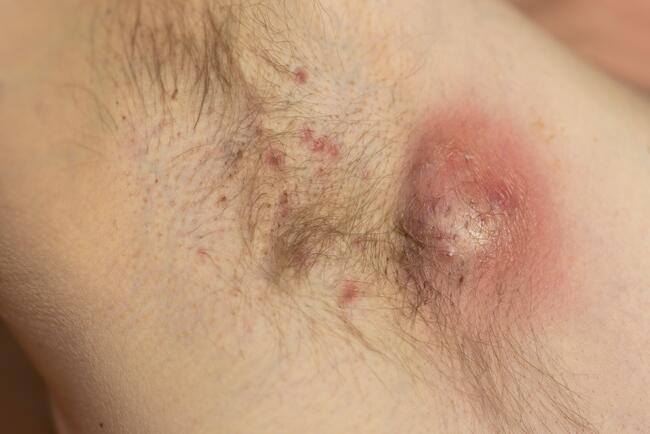
However, other chronic inflammatory skin conditions had increases in antibiotics, such as HS. There are not a lot of alternative therapies for HS or articles that reflect on how we use antibiotic as a part of treatment because if we do not use antibiotics, what are the other alternative therapies? It is a catch-22. I am optimistic that we will have more therapies for HS in the future that focus on the inflammatory aspects of the disease. Once we have more therapies that target the immune inflammation of HS, we will see similar decreases in antibiotic use for HS.
The Dermatologist: What are some of the challenges for antibiotic stewardship and alternatives dermatologists can use to reduce antibiotic use?
Dr Kirby: Dr Barbieri’s article showed increases in short term antibiotic use for surgical procedures and epidermal inclusion cysts. For epidermal inclusion cysts, we do not have enough evidence to help clinicians make decisions regarding antibiotic use yet. It is important to perform these studies and investigate the efficacy of antibiotics compared with other interventions, such as intralesional steroids. Without data, I feel like it is hard to change my practice.
Another option is to have the research at my fingertips. There are guidelines for antibiotic use related to surgical procedures, so I carry a card with recommendations and risk factors in my pocket. I can use it to make quick, evidence-based decisions and discuss treatment strategies with patients, because I can show them how we use antibiotics related to procedures. This can help transition into the “watch and wait” conversation with patients, where we can try to avoid unnecessary antibiotics for those who are not at high-risk for infection. It really comes back to the evidence and communicating with patients about the evidence, and when the evidence is not there, hopefully we can start to generate it.
Reference
1. Barbieri JS, Bhate K, Hartnett KP, Fleming-Dutra KE, Margolis DJ. Trends in oral antibiotic prescription in dermatology, 2008 to 2016 [published online January 16, 2019]. JAMA Dermatol. doi:10.1001/jamadermatol.2018.4944
2. Kirby JS, Lim JS. Dermatologists and Antibiotics—Reflecting on Our Habits, the Evidence, and Next Steps [published online January 16, 2019]. JAMA Dermatol. doi:10.1001/jamadermatol.2018.4877