Could you explain the impact of alopecia areata on women’s quality of life as oppose to men, and how the therapies you’ll discuss at AAD VMX 2021 could impact that?
The quality of life for women in particular is impacted more than men. This was shown in a study by doctors Cash, Price and Savin in 19931. It was published in the Journal of American Academy of Dermatology, where it showed that women do have a more negative body image and less adaptive functioning that directly relates to their decreased quality of life as a result of the alopecia.
In addition, Dr Zhuang and colleagues in 2013 in a publication called the Experimental Therapeutics Medicine2 published a study showing that the treatment of hair loss with minoxidil topical minoxidil, specifically can lead to an improved quality of life.
Can you elaborate on the dermatologic complications from breast cancer, and what dermatologists need to know in order to counter them?
Certainly. Dr Mario Lacouture, who is the director of the oncodermatology program at Memorial Sloan Kettering, will be presenting on this topic of dermatologic complications from breast cancer.
There's essentially three categories of complications. One would be complications related to surgery, such as scars and infections. The second would be radiation dermatitis, fibrosis, telangiectasias, and tattoos that are a result of the radiation therapy.
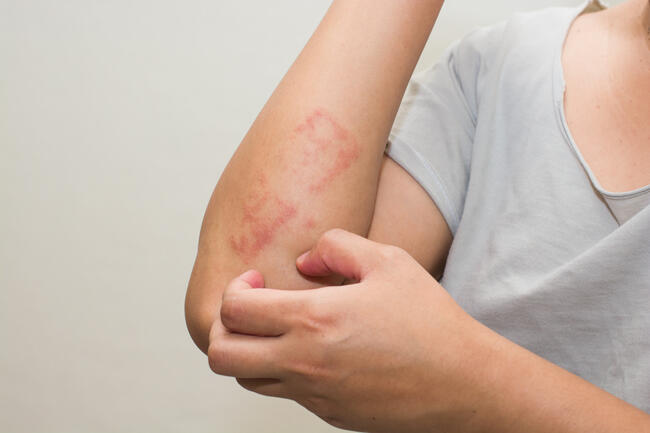
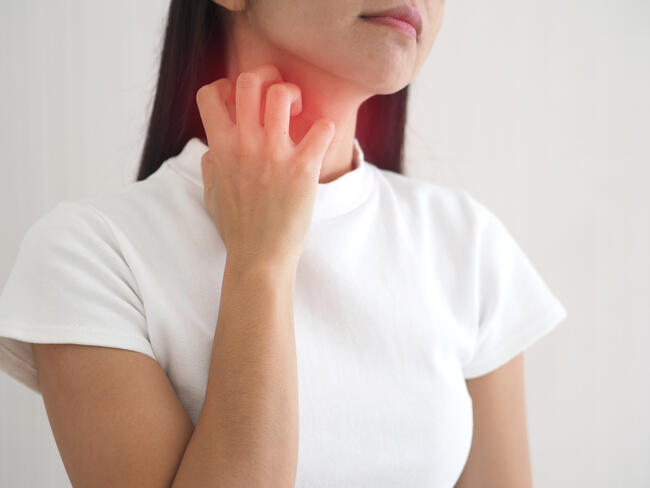
Then also, side effects from chemotherapy or endocrine therapy. In particular, those are broken up into male related issues, such as paronychia and onycholysis. Also, with dermatitis, you can get rashes as a result of the therapies, and pruritus or itch.
The skin can become very dry, xerotic, and also, they develop alopecia hair loss. In particular, for the endocrine therapies, which patients are on for upwards of 5 to 10 years for estrogen positive breast cancers, the therapy that they're on is really long term.
There have been studies published related to the quality of life impact on breast cancer survivors. One was published in JAMA Dermatology3 by Dr Lacouture and colleagues that looked at the impact of this hair loss on quality of life for tamoxifen, which is an estrogen inhibitor.
It's very important to make sure that patients are treated adequately for hair loss related to the therapy that they're on. The side effects actually occur in over 70% of patients, and the skin is within the accounts for the top 3 side effects that it can affect quality of life.
What advice would you like to share with your colleagues regarding women’s health in dermatology?
The Journal of the Women's Dermatology Society, which is the International Journal of Women's Dermatology, has a lot of really wonderful information about women's health in dermatology.
I really encourage people to go on and look at that information, because it is online, open access, and it doesn't require a Medline account in order to be able to see the information. Everyone can access the information.
Most recently, we did a special issue on skin of color in dermatology and diversity and inclusion. We have a wonderful article about skin cancer in women of color.
We also did a special issue in January on climate change in dermatology, and last year, in January, an issue on gender gap in dermatology. There's a lot of really wonderful information for people looking for information to care for patients in women's health related issues.
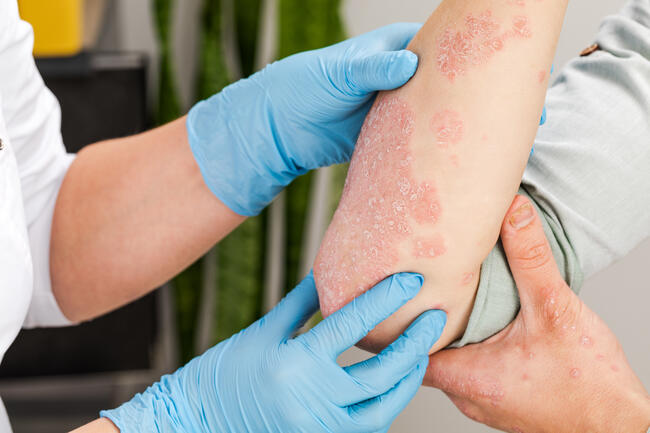
For medical dermatology patients, I think it is often difficult for patients to bring certain issues up regarding their skin and the effect of their psoriasis or the dermatitis on their skin. For example, about 50% of patients that have genital psoriasis do not mention it during the course of the visit with their provider, because they're ashamed or uncomfortable.
I think it's important for providers to really ask the right questions. The onus is on us to bring up the conversation so that the patient feels comfortable, because oftentimes, they will not feel comfortable on their own.
Asking questions as a part of a psoriasis visit, for example. You're asking about cardiovascular health, you're asking about their eyes, and screening for uveitis. You're asking about their joints. You're asking about their GI tract and screening for inflammatory bowel disease.
You should also be asking about genital disease, so that it opens the door, so that they feel comfortable discussing it. Patients are often stigmatized. They're ashamed of their bodies. Particularly, this is higher for women than men.
Making sure you're screening for mental health and depression and anxiety is also a very important part of the visit. We're really treating the whole patient. It's a patient centric approach that I think is now recognized as being what we should focus on, where the patient is in the center.
As providers, we're surrounding the patient and supporting the patient, working with a specialist and reaching out to them in order to provide the patient with the best care possible.
References
1. Cash TF, Price VH, Savin RC. Psychological effects of androgenetic alopecia on women: comparisons with balding men and with female control subjects. J Am Acad Dermatol. 1993;29(4):568-575. doi:10.1016/0190-9622(93)70223-g
2. Zhuang XS, Zheng YY, Xu JJ, Fan WX. Quality of life in women with female pattern hair loss and the impact of topical minoxidil treatment on quality of life in these patients. Exp Ther Med. 2013;6(2):542-546. doi:10.3892/etm.2013.1126
3. Freites-Martinez A, Shapiro J, Chan D, et al. Endocrine Therapy-Induced Alopecia in Patients With Breast Cancer. JAMA Dermatol. 2018;154(6):670-675. doi:10.1001/jamadermatol.2018.0454