Evaluating Adjuvant Care in CSCC With High Risk of Recurrence After Surgery and Radiation
In this multidisciplinary roundtable, Krupal Patel, MD, MSc, FRCS(C), FACS; Christopher Barker, MD; John Strasswimmer, MD, PhD, FAAD, FACMS; and Deborah J. L. Wong, MD, PhD, experts in head and neck surgery, radiation oncology, dermatology, and medical oncology, respectively, discuss the clinical and pathologic features that signal high risk of recurrence in cutaneous squamous cell carcinoma (CSCC). Applying insights from the Phase 3 C-POST trial, the panel explores the importance of risk stratification, multidisciplinary care coordination, appropriate patient selection, and safety considerations for adjuvant cemiplimab when managing patients with high-risk CSCC.
Part 1: Recognizing High-Risk CSCC
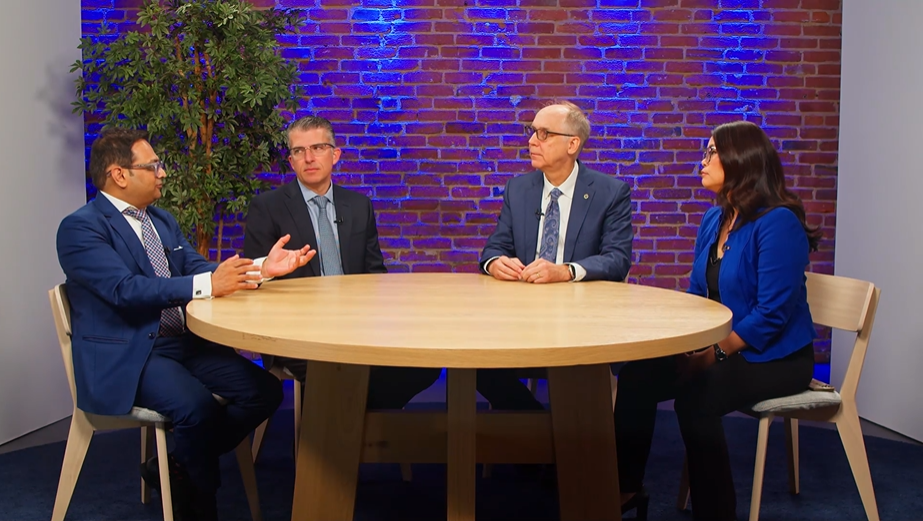
In this video, the multidisciplinary panel reviews the clinical, pathologic, and patient-related features that define high-risk CSCC, including tumor characteristics, nodal involvement, perineural invasion, and immunocompromised status. The panel also examines staging systems, high-risk criteria used in the C-POST trial, and the role of the multidisciplinary team in assessing recurrence risk.
Part 2: Integrating Adjuvant Therapy in High-Risk CSCC

The discussion turns to the role of adjuvant therapy for patients with high-risk CSCC, highlighting key findings from the C-POST trial. Through case-based discussion, the panel explores patient selection, treatment sequencing, and practical considerations for integrating immunotherapy into clinical practice.
Part 3: Multidisciplinary Coordination in High-Risk CSCC

In this video, the panel highlights the importance of early multidisciplinary collaboration in the management of high-risk CSCC. The experts discuss evolving referral patterns, the role of the tumor board, and the importance of coordinated patient education and treatment planning across specialties and practice settings.
Part 4: Applying High-Risk Criteria in CSCC Practice

The case-based discussion continues with an exploration of how high-risk features inform treatment decisions in clinical practice. The multidisciplinary panel discusses real-world application of C-POST eligibility criteria and the importance of comprehensive risk assessment when considering adjuvant therapy for CSCC.
Part 5: Safety Monitoring in High-Risk CSCC

The roundtable discussion concludes with a review of the safety profile of adjuvant cemiplimab and best practices for monitoring and managing adverse events in patients with high-risk CSCC, with an emphasis on multidisciplinary follow-up, patient education, and long-term surveillance strategies.