Instead of treating flares and episodes of seborrheic dermatitis, a chronic inflammatory skin disorder commonly seen in clinical practice, innovative product formulations and vehicles allow dermatologists to focus on the process of the condition and target long-term maintenance.
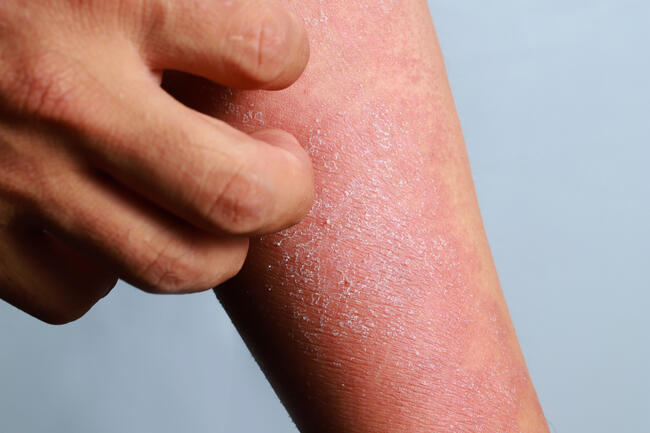
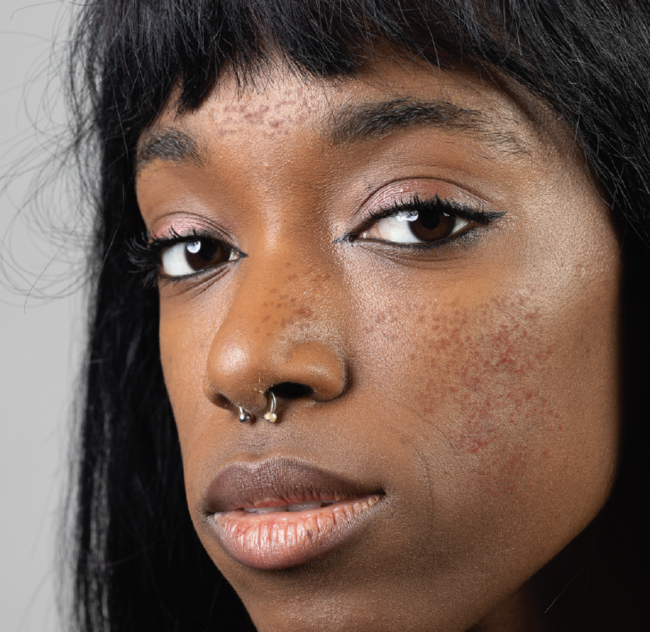
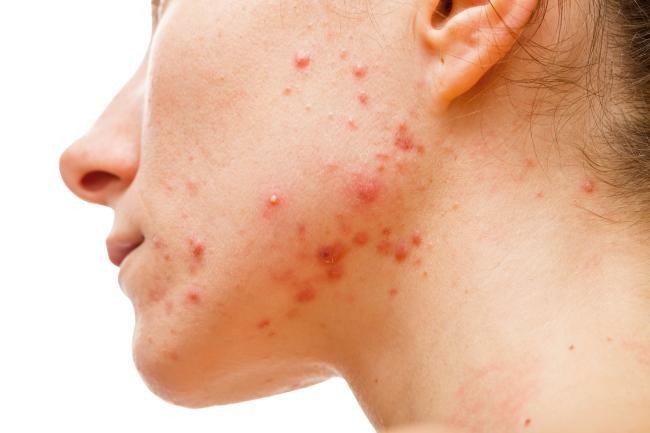
Seborrheic dermatitis affects specific areas of the skin such as the scalp, face, upper trunk and flexures. Recent research sheds new light on the treatment of this condition.1,2 Although the exact etiology is unknown,3 seborrheic dermatitis is believed to be a result a relation between overproduction of sebum and Malassezia yeast species, which exists naturally in the body.1,2 Patients of all ages can be affected, from infants to elderly persons.3
The prevalence of seborrheic dermatitis is difficult to estimate because of the variability of disease expression and absence of diagnostic criteria. However, it is thought that the condition affects about 1% to 5% of the general population, including mostly young people and particularly men.4 Certain populations, however, are more susceptible to developing the disease. For example, there is increased incidence among patients with HIV/AIDS, ranging from 34% to 83%.3,5
Treatments
Traditionally, the aim of treatment has been to control the lesions — scaling, crusts — and to prevent relapses or flare ups.3 Seborrheic dermatitis is generally a benign disease, and complications are rare. Dandruff, a less severe form of seborrheic dermatitis, affects a greater proportion of the population.6
Effective treatment options include anti-inflammatory agents, antifungal medications, keratolytic agents and non-drug therapies, such as medicated shampoos and herbal agents.3,6-8 The shampoos contain both active ingredients related to antimycotic or anti-inflammatory effects and also surfactant ingredients to clean hair and replace regular shampoos in affected patients.6
Topical corticosteroids have been used for many years and are available as creams, ointments, gels, solutions and shampoos. Double-blind and open-label clinical trials have found that >90% of patients respond to these agents, with symptom improvement of 75% to 95%.9
Treatment response often is achieved in a few days or more, although recurrence soon after the termination of corticosteroid therapy is common. While topical corticosteroids are generally well-tolerated, prolonged use is not recommended because of their potential to cause skin atrophy, telangiectasia, folliculitis and tachyphylaxis.9
Additional Options
“With the advent of new vehicles, delivery systems and more importantly active ingredients, we can now approach the process of seborrheic dermatitis and begin to think in terms of maintenance rather than just treating flares and episodes,” says Neal Bhatia, MD, in practice in Long Beach, CA.
“We have better approaches to scalp, face and chest involvement with the new wash preparations such as Promiseb Wash, new pads for easy delivery to the face during the workday, such as Avar cleansing pads, and of course improved vehicles for established active ingredients such as ketoconazole (Xolegel),” he says.
Many other approaches work similarly well, he says, adding that taking into account surface area, seasonal flare and specific gender needs will influence prescribing habits.10
“Finally, the simple counsel to the patient that this is not just a “one and done” rash but something that requires maintenance will improve compliance for the long run,” Dr. Bhatia says.
Aside from basic cleansing and moisturizing routines a successful regimen will take into account inflammation, activity against Plasmodium ovale and symptomatic relief from xerosis and pruritus, he says.
This treatment can include a mild steroid lotion for flares, sodium sulfacetamide wash for the shower or before bed, a routine of the new device creams and/or antifungal gels and even peanut oil preparations for the ears or scalp, which can provide control of disease to minimize flares and their consequences.
Recent Research
Kim and Del Rosso11 noted that alternative therapies are often used effectively to avoid protracted use of topical corticosteroid therapy and avert side effects and to sustain control of the disorder.
The researchers reported that topical pimecrolimus, a calcinuerin inhibitor, is a safe alternative for seborrheic dermatitis and is more ideal for long-term use. The topical agent has an attractive safety profile with no risk of many of the potential side effects seen with topical corticosteroids, and has favorable efficacy data, including more data on long-term use, according to the study.11
Numerous antifungals have been used to treat seborrheic dermatitis, including itraconazole, terbinafine, fluconazole, ketoconazole and pramiconazole.12
A recent systematic review of oral treatments for seborrheic dermatitis assessed the quality and quantity of published reports. The researchers reviewed 21 publications (randomized, controlled trials, open trials and case reports) covering 8 oral therapies (itraconazole, terbinafine, fluconazole, ketoconazole, pramiconazole, prednisone, isotretinoin and homeopathic mineral therapy). They concluded that most of the publications investigated oral antifungals and the quality of the evidence was generally low. The clinical efficacy outcome noted varied considerably between the studies, preventing statistical analysis and direct comparison between treatments, they concluded, adding that ketoconazole therapy was associated with more relapses compared with other treatments.12
In the recent randomized, parallel-group study,1 Alizadeh et al compared the efficacy of oral fluconazole and terbinafine in the treatment of 64 patients with moderate-to-severe seborrheic dermatitis. One study group took terbinafine 250 mg daily (n=32) and the other group took fluconazole 300 mg (n=32) weekly for 4 weeks. They found that both drugs significantly reduced the severity of seborrheic dermatitis (P<0.001). Multivariate linear regression revealed that efficacy of terbinafine is more than fluconazole (P< 0.01; 95% confidence interval [CI], 0.63-4.7). Moreover, each index of seborrheic dermatitis severity reduced 0.9 times after treatment (P<0.002; 95% CI, 0.8-1.02).
The itching rate significantly diminished (P<0.001); however, there was no difference between the 2 drugs statistically. Overall, both systemic antifungal therapies may reduce the severity index of the condition. However, terbinafine showed more reduction in the intensity of the disease.
Several studies have suggested the uses of tea tree oil for the treatment of seborrheic dermatitis.7 Tea tree oil is an essential oil, steam-distilled from the Australian native plant, Melaleuca alternifolia. It has a minimum content of terpinen-4-ol and a maximum content of 1, 8-cineole. Terpinen-4-ol is a tea tree oil component that exhibits strong antimicrobial and anti-inflammatory properties. The herbal agent, which is sometimes used in shampoo formulations,8 exerts antioxidant activity and has been reported to have broad-spectrum antimicrobial activity against bacterial, viral, fungal and protozoal infections affecting skin and mucosa.
Conclusion
Today, compliance and recognition of the needs for appropriate vehicles are 2 main challenges in treating seborrheic dermatitis, notes Dr. Bhatia. Long-term management of the disease, using a combination of treatments, yields improved results.
“The wrong vehicle for the right medication is not enough to bring improvement and can actually discourage long-term maintenance. In addition, there is often a lack of identification of the disease as an exacerbating factor of acne, rosacea, photodamaged skin and in susceptible patients such as those with AIDS and neurological disorders. In the dermatology clinic, seborrheic dermatitis is often considered a ‘by the way’ or optional problem and this might undermine attempts to give it full attention,” he says. n
References
1. Alizadeh N, Mondai Nori HM, Golchi J, Eshkevari SS, Kazemnejad E, Darjani A. Comparison the efficacy of fluconazole and terbinafine in patients with moderate to severe seborrheic dermatitis. Dermatol Res Pract. 2014;2014:705402.
2. Berth-Jones J, Burns T. Rook’s Text Book of Dermatology. Vol 23. 7th ed. London, UK: Blackwell; 2010;29-31.
3. Elsevier Inc. https://www.clinicalkey.com/topics/dermatology/seborrheic-dermatitis.html
Accessed April 15, 2014.
4. Bergler-Czop B, Brzezi´nska-Wcisło L. Dermatological problems of the puberty. Postepy Dermatol Alergol. 2013;30(3):178-187.
5. Motswaledi MH, Visser W. The spectrum of HIV-associated infective and inflammatory dermatoses in pigmented skin. Dermatol Clin. 2014;32(2):211-225.
6. Waldroup W, Scheinfeld N. Medicated shampoos for the treatment of seborrheic dermatitis.
J Drugs Dermatol. 2008;7(7):699-703.
7. Pazyar N, Yaghoobi R, Bagherani N, Kazerouni A. A review of applications of tea tree oil in dermatology. Int J Dermatol. 2013;52(7):784-190.
8. Satchell AC, Saurajen A, Bell C, Barnetson RS. Treatment of dandruff with 5% tea tree oil shampoo. J Am Acad Dermatol. 2002;47(6):852-855.
9. Kaufmann MD, Bhatia N. Seborrheic dermatitis: rational treatment based on disease severity and location. The Dermatologist. 2013;21(2):36-39.
10. Bhatia N. Treating seborrheic dermatitis: review of mechanisms and therapeutic options.
J Drugs Dermatol. 2013;12(7):796-798.
11. Kim GK, Del Rosso J. Topical pimecrolimus 1% cream in the treatment of seborrheic dermatitis. J Clin Aesthet Dermatol. 2013;6(2):29-35.
12. Gupta AK, Richardson M, Paquet M. Systematic review of oral treatments for seborrheic dermatitis. J Eur Acad Dermatol Venereol. 2014;28(1):16-26.
Instead of treating flares and episodes of seborrheic dermatitis, a chronic inflammatory skin disorder commonly seen in clinical practice, innovative product formulations and vehicles allow dermatologists to focus on the process of the condition and target long-term maintenance.
Seborrheic dermatitis affects specific areas of the skin such as the scalp, face, upper trunk and flexures. Recent research sheds new light on the treatment of this condition.1,2 Although the exact etiology is unknown,3 seborrheic dermatitis is believed to be a result a relation between overproduction of sebum and Malassezia yeast species, which exists naturally in the body.1,2 Patients of all ages can be affected, from infants to elderly persons.3
The prevalence of seborrheic dermatitis is difficult to estimate because of the variability of disease expression and absence of diagnostic criteria. However, it is thought that the condition affects about 1% to 5% of the general population, including mostly young people and particularly men.4 Certain populations, however, are more susceptible to developing the disease. For example, there is increased incidence among patients with HIV/AIDS, ranging from 34% to 83%.3,5
Treatments
Traditionally, the aim of treatment has been to control the lesions — scaling, crusts — and to prevent relapses or flare ups.3 Seborrheic dermatitis is generally a benign disease, and complications are rare. Dandruff, a less severe form of seborrheic dermatitis, affects a greater proportion of the population.6
Effective treatment options include anti-inflammatory agents, antifungal medications, keratolytic agents and non-drug therapies, such as medicated shampoos and herbal agents.3,6-8 The shampoos contain both active ingredients related to antimycotic or anti-inflammatory effects and also surfactant ingredients to clean hair and replace regular shampoos in affected patients.6
Topical corticosteroids have been used for many years and are available as creams, ointments, gels, solutions and shampoos. Double-blind and open-label clinical trials have found that >90% of patients respond to these agents, with symptom improvement of 75% to 95%.9
Treatment response often is achieved in a few days or more, although recurrence soon after the termination of corticosteroid therapy is common. While topical corticosteroids are generally well-tolerated, prolonged use is not recommended because of their potential to cause skin atrophy, telangiectasia, folliculitis and tachyphylaxis.9
Additional Options
“With the advent of new vehicles, delivery systems and more importantly active ingredients, we can now approach the process of seborrheic dermatitis and begin to think in terms of maintenance rather than just treating flares and episodes,” says Neal Bhatia, MD, in practice in Long Beach, CA.
“We have better approaches to scalp, face and chest involvement with the new wash preparations such as Promiseb Wash, new pads for easy delivery to the face during the workday, such as Avar cleansing pads, and of course improved vehicles for established active ingredients such as ketoconazole (Xolegel),” he says.
Many other approaches work similarly well, he says, adding that taking into account surface area, seasonal flare and specific gender needs will influence prescribing habits.10
“Finally, the simple counsel to the patient that this is not just a “one and done” rash but something that requires maintenance will improve compliance for the long run,” Dr. Bhatia says.
Aside from basic cleansing and moisturizing routines a successful regimen will take into account inflammation, activity against Plasmodium ovale and symptomatic relief from xerosis and pruritus, he says.
This treatment can include a mild steroid lotion for flares, sodium sulfacetamide wash for the shower or before bed, a routine of the new device creams and/or antifungal gels and even peanut oil preparations for the ears or scalp, which can provide control of disease to minimize flares and their consequences.
Recent Research
Kim and Del Rosso11 noted that alternative therapies are often used effectively to avoid protracted use of topical corticosteroid therapy and avert side effects and to sustain control of the disorder.
The researchers reported that topical pimecrolimus, a calcinuerin inhibitor, is a safe alternative for seborrheic dermatitis and is more ideal for long-term use. The topical agent has an attractive safety profile with no risk of many of the potential side effects seen with topical corticosteroids, and has favorable efficacy data, including more data on long-term use, according to the study.11
Numerous antifungals have been used to treat seborrheic dermatitis, including itraconazole, terbinafine, fluconazole, ketoconazole and pramiconazole.12
A recent systematic review of oral treatments for seborrheic dermatitis assessed the quality and quantity of published reports. The researchers reviewed 21 publications (randomized, controlled trials, open trials and case reports) covering 8 oral therapies (itraconazole, terbinafine, fluconazole, ketoconazole, pramiconazole, prednisone, isotretinoin and homeopathic mineral therapy). They concluded that most of the publications investigated oral antifungals and the quality of the evidence was generally low. The clinical efficacy outcome noted varied considerably between the studies, preventing statistical analysis and direct comparison between treatments, they concluded, adding that ketoconazole therapy was associated with more relapses compared with other treatments.12
In the recent randomized, parallel-group study,1 Alizadeh et al compared the efficacy of oral fluconazole and terbinafine in the treatment of 64 patients with moderate-to-severe seborrheic dermatitis. One study group took terbinafine 250 mg daily (n=32) and the other group took fluconazole 300 mg (n=32) weekly for 4 weeks. They found that both drugs significantly reduced the severity of seborrheic dermatitis (P<0.001). Multivariate linear regression revealed that efficacy of terbinafine is more than fluconazole (P< 0.01; 95% confidence interval [CI], 0.63-4.7). Moreover, each index of seborrheic dermatitis severity reduced 0.9 times after treatment (P<0.002; 95% CI, 0.8-1.02).
The itching rate significantly diminished (P<0.001); however, there was no difference between the 2 drugs statistically. Overall, both systemic antifungal therapies may reduce the severity index of the condition. However, terbinafine showed more reduction in the intensity of the disease.
Several studies have suggested the uses of tea tree oil for the treatment of seborrheic dermatitis.7 Tea tree oil is an essential oil, steam-distilled from the Australian native plant, Melaleuca alternifolia. It has a minimum content of terpinen-4-ol and a maximum content of 1, 8-cineole. Terpinen-4-ol is a tea tree oil component that exhibits strong antimicrobial and anti-inflammatory properties. The herbal agent, which is sometimes used in shampoo formulations,8 exerts antioxidant activity and has been reported to have broad-spectrum antimicrobial activity against bacterial, viral, fungal and protozoal infections affecting skin and mucosa.
Conclusion
Today, compliance and recognition of the needs for appropriate vehicles are 2 main challenges in treating seborrheic dermatitis, notes Dr. Bhatia. Long-term management of the disease, using a combination of treatments, yields improved results.
“The wrong vehicle for the right medication is not enough to bring improvement and can actually discourage long-term maintenance. In addition, there is often a lack of identification of the disease as an exacerbating factor of acne, rosacea, photodamaged skin and in susceptible patients such as those with AIDS and neurological disorders. In the dermatology clinic, seborrheic dermatitis is often considered a ‘by the way’ or optional problem and this might undermine attempts to give it full attention,” he says. n
References
1. Alizadeh N, Mondai Nori HM, Golchi J, Eshkevari SS, Kazemnejad E, Darjani A. Comparison the efficacy of fluconazole and terbinafine in patients with moderate to severe seborrheic dermatitis. Dermatol Res Pract. 2014;2014:705402.
2. Berth-Jones J, Burns T. Rook’s Text Book of Dermatology. Vol 23. 7th ed. London, UK: Blackwell; 2010;29-31.
3. Elsevier Inc. https://www.clinicalkey.com/topics/dermatology/seborrheic-dermatitis.html
Accessed April 15, 2014.
4. Bergler-Czop B, Brzezi´nska-Wcisło L. Dermatological problems of the puberty. Postepy Dermatol Alergol. 2013;30(3):178-187.
5. Motswaledi MH, Visser W. The spectrum of HIV-associated infective and inflammatory dermatoses in pigmented skin. Dermatol Clin. 2014;32(2):211-225.
6. Waldroup W, Scheinfeld N. Medicated shampoos for the treatment of seborrheic dermatitis.
J Drugs Dermatol. 2008;7(7):699-703.
7. Pazyar N, Yaghoobi R, Bagherani N, Kazerouni A. A review of applications of tea tree oil in dermatology. Int J Dermatol. 2013;52(7):784-190.
8. Satchell AC, Saurajen A, Bell C, Barnetson RS. Treatment of dandruff with 5% tea tree oil shampoo. J Am Acad Dermatol. 2002;47(6):852-855.
9. Kaufmann MD, Bhatia N. Seborrheic dermatitis: rational treatment based on disease severity and location. The Dermatologist. 2013;21(2):36-39.
10. Bhatia N. Treating seborrheic dermatitis: review of mechanisms and therapeutic options.
J Drugs Dermatol. 2013;12(7):796-798.
11. Kim GK, Del Rosso J. Topical pimecrolimus 1% cream in the treatment of seborrheic dermatitis. J Clin Aesthet Dermatol. 2013;6(2):29-35.
12. Gupta AK, Richardson M, Paquet M. Systematic review of oral treatments for seborrheic dermatitis. J Eur Acad Dermatol Venereol. 2014;28(1):16-26.
Instead of treating flares and episodes of seborrheic dermatitis, a chronic inflammatory skin disorder commonly seen in clinical practice, innovative product formulations and vehicles allow dermatologists to focus on the process of the condition and target long-term maintenance.
Seborrheic dermatitis affects specific areas of the skin such as the scalp, face, upper trunk and flexures. Recent research sheds new light on the treatment of this condition.1,2 Although the exact etiology is unknown,3 seborrheic dermatitis is believed to be a result a relation between overproduction of sebum and Malassezia yeast species, which exists naturally in the body.1,2 Patients of all ages can be affected, from infants to elderly persons.3
The prevalence of seborrheic dermatitis is difficult to estimate because of the variability of disease expression and absence of diagnostic criteria. However, it is thought that the condition affects about 1% to 5% of the general population, including mostly young people and particularly men.4 Certain populations, however, are more susceptible to developing the disease. For example, there is increased incidence among patients with HIV/AIDS, ranging from 34% to 83%.3,5
Treatments
Traditionally, the aim of treatment has been to control the lesions — scaling, crusts — and to prevent relapses or flare ups.3 Seborrheic dermatitis is generally a benign disease, and complications are rare. Dandruff, a less severe form of seborrheic dermatitis, affects a greater proportion of the population.6
Effective treatment options include anti-inflammatory agents, antifungal medications, keratolytic agents and non-drug therapies, such as medicated shampoos and herbal agents.3,6-8 The shampoos contain both active ingredients related to antimycotic or anti-inflammatory effects and also surfactant ingredients to clean hair and replace regular shampoos in affected patients.6
Topical corticosteroids have been used for many years and are available as creams, ointments, gels, solutions and shampoos. Double-blind and open-label clinical trials have found that >90% of patients respond to these agents, with symptom improvement of 75% to 95%.9
Treatment response often is achieved in a few days or more, although recurrence soon after the termination of corticosteroid therapy is common. While topical corticosteroids are generally well-tolerated, prolonged use is not recommended because of their potential to cause skin atrophy, telangiectasia, folliculitis and tachyphylaxis.9
Additional Options
“With the advent of new vehicles, delivery systems and more importantly active ingredients, we can now approach the process of seborrheic dermatitis and begin to think in terms of maintenance rather than just treating flares and episodes,” says Neal Bhatia, MD, in practice in Long Beach, CA.
“We have better approaches to scalp, face and chest involvement with the new wash preparations such as Promiseb Wash, new pads for easy delivery to the face during the workday, such as Avar cleansing pads, and of course improved vehicles for established active ingredients such as ketoconazole (Xolegel),” he says.
Many other approaches work similarly well, he says, adding that taking into account surface area, seasonal flare and specific gender needs will influence prescribing habits.10
“Finally, the simple counsel to the patient that this is not just a “one and done” rash but something that requires maintenance will improve compliance for the long run,” Dr. Bhatia says.
Aside from basic cleansing and moisturizing routines a successful regimen will take into account inflammation, activity against Plasmodium ovale and symptomatic relief from xerosis and pruritus, he says.
This treatment can include a mild steroid lotion for flares, sodium sulfacetamide wash for the shower or before bed, a routine of the new device creams and/or antifungal gels and even peanut oil preparations for the ears or scalp, which can provide control of disease to minimize flares and their consequences.
Recent Research
Kim and Del Rosso11 noted that alternative therapies are often used effectively to avoid protracted use of topical corticosteroid therapy and avert side effects and to sustain control of the disorder.
The researchers reported that topical pimecrolimus, a calcinuerin inhibitor, is a safe alternative for seborrheic dermatitis and is more ideal for long-term use. The topical agent has an attractive safety profile with no risk of many of the potential side effects seen with topical corticosteroids, and has favorable efficacy data, including more data on long-term use, according to the study.11
Numerous antifungals have been used to treat seborrheic dermatitis, including itraconazole, terbinafine, fluconazole, ketoconazole and pramiconazole.12
A recent systematic review of oral treatments for seborrheic dermatitis assessed the quality and quantity of published reports. The researchers reviewed 21 publications (randomized, controlled trials, open trials and case reports) covering 8 oral therapies (itraconazole, terbinafine, fluconazole, ketoconazole, pramiconazole, prednisone, isotretinoin and homeopathic mineral therapy). They concluded that most of the publications investigated oral antifungals and the quality of the evidence was generally low. The clinical efficacy outcome noted varied considerably between the studies, preventing statistical analysis and direct comparison between treatments, they concluded, adding that ketoconazole therapy was associated with more relapses compared with other treatments.12
In the recent randomized, parallel-group study,1 Alizadeh et al compared the efficacy of oral fluconazole and terbinafine in the treatment of 64 patients with moderate-to-severe seborrheic dermatitis. One study group took terbinafine 250 mg daily (n=32) and the other group took fluconazole 300 mg (n=32) weekly for 4 weeks. They found that both drugs significantly reduced the severity of seborrheic dermatitis (P<0.001). Multivariate linear regression revealed that efficacy of terbinafine is more than fluconazole (P< 0.01; 95% confidence interval [CI], 0.63-4.7). Moreover, each index of seborrheic dermatitis severity reduced 0.9 times after treatment (P<0.002; 95% CI, 0.8-1.02).
The itching rate significantly diminished (P<0.001); however, there was no difference between the 2 drugs statistically. Overall, both systemic antifungal therapies may reduce the severity index of the condition. However, terbinafine showed more reduction in the intensity of the disease.
Several studies have suggested the uses of tea tree oil for the treatment of seborrheic dermatitis.7 Tea tree oil is an essential oil, steam-distilled from the Australian native plant, Melaleuca alternifolia. It has a minimum content of terpinen-4-ol and a maximum content of 1, 8-cineole. Terpinen-4-ol is a tea tree oil component that exhibits strong antimicrobial and anti-inflammatory properties. The herbal agent, which is sometimes used in shampoo formulations,8 exerts antioxidant activity and has been reported to have broad-spectrum antimicrobial activity against bacterial, viral, fungal and protozoal infections affecting skin and mucosa.
Conclusion
Today, compliance and recognition of the needs for appropriate vehicles are 2 main challenges in treating seborrheic dermatitis, notes Dr. Bhatia. Long-term management of the disease, using a combination of treatments, yields improved results.
“The wrong vehicle for the right medication is not enough to bring improvement and can actually discourage long-term maintenance. In addition, there is often a lack of identification of the disease as an exacerbating factor of acne, rosacea, photodamaged skin and in susceptible patients such as those with AIDS and neurological disorders. In the dermatology clinic, seborrheic dermatitis is often considered a ‘by the way’ or optional problem and this might undermine attempts to give it full attention,” he says. n
References
1. Alizadeh N, Mondai Nori HM, Golchi J, Eshkevari SS, Kazemnejad E, Darjani A. Comparison the efficacy of fluconazole and terbinafine in patients with moderate to severe seborrheic dermatitis. Dermatol Res Pract. 2014;2014:705402.
2. Berth-Jones J, Burns T. Rook’s Text Book of Dermatology. Vol 23. 7th ed. London, UK: Blackwell; 2010;29-31.
3. Elsevier Inc. https://www.clinicalkey.com/topics/dermatology/seborrheic-dermatitis.html
Accessed April 15, 2014.
4. Bergler-Czop B, Brzezi´nska-Wcisło L. Dermatological problems of the puberty. Postepy Dermatol Alergol. 2013;30(3):178-187.
5. Motswaledi MH, Visser W. The spectrum of HIV-associated infective and inflammatory dermatoses in pigmented skin. Dermatol Clin. 2014;32(2):211-225.
6. Waldroup W, Scheinfeld N. Medicated shampoos for the treatment of seborrheic dermatitis.
J Drugs Dermatol. 2008;7(7):699-703.
7. Pazyar N, Yaghoobi R, Bagherani N, Kazerouni A. A review of applications of tea tree oil in dermatology. Int J Dermatol. 2013;52(7):784-190.
8. Satchell AC, Saurajen A, Bell C, Barnetson RS. Treatment of dandruff with 5% tea tree oil shampoo. J Am Acad Dermatol. 2002;47(6):852-855.
9. Kaufmann MD, Bhatia N. Seborrheic dermatitis: rational treatment based on disease severity and location. The Dermatologist. 2013;21(2):36-39.
10. Bhatia N. Treating seborrheic dermatitis: review of mechanisms and therapeutic options.
J Drugs Dermatol. 2013;12(7):796-798.
11. Kim GK, Del Rosso J. Topical pimecrolimus 1% cream in the treatment of seborrheic dermatitis. J Clin Aesthet Dermatol. 2013;6(2):29-35.
12. Gupta AK, Richardson M, Paquet M. Systematic review of oral treatments for seborrheic dermatitis. J Eur Acad Dermatol Venereol. 2014;28(1):16-26.