Building Better Oncology Pathways With Specialty Pharmacy Integration
As oral oncology treatment continues to shift toward outpatient and self-managed care, health systems are increasingly looking for ways to improve adherence, enhance patient engagement, and reduce avoidable health care utilization. In this interview, Kishen Patel, PharmD, clinical pharmacist at Shields Health Solutions, discusses the findings from the study “Pharmacist-Driven Outcomes for Patients on Oral Oncology Medications: Clinical Impact of an Integrated Specialty Pharmacy Model,” and explains how integrated specialty pharmacy services can help support patients throughout their treatment journey. Dr Patel also reflects on presenting the research at last year’s Clinical Pathways Congress and what it meant for his team to receive the conference's Innovation Award in recognition of their work (Figure). The following is an edited excerpt from the interview for clarity and brevity.
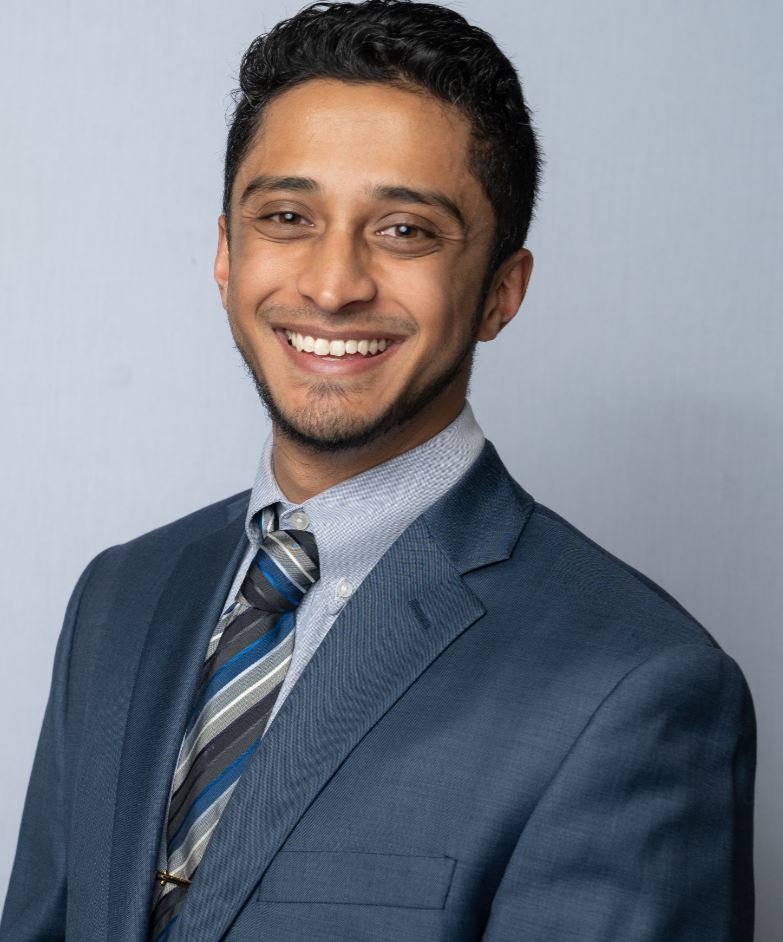
Kishen Patel, PharmD: My name is Kishen Patel. I am a clinical pharmacist here at Shields Health Solutions. I have been with the company for about 8 ½ years and I work primarily in the oncology space within our team. I also work in different areas including rheumatoid arthritis, HIV, and hyperlipidemia, and I work directly with patient care and direct patient access.
What do these findings tell us about the role pharmacists can play in helping patients stay on track with oral oncology treatments?
Dr Patel: These findings enforce that pharmacists not only play a supportive role, but also a central role in managing oral oncolytic therapies. Within our study, we found 382 individual pharmacist interventions, many of which directly impacted adherence, side effect management, and prevention of complications. With a PDC rate of 92%, it demonstrated that proactive pharmacist engagement can help patients stay on therapy despite the inherent complexity with each treatment regimen. For oral oncology, patients are largely managing their treatments independently at home alone or with a caregiver, which creates a significant need for ongoing support in-between clinic visits.
Pharmacists can play a vital and consistent role by being accessible in touchpoints during the time between a patient’s visits. Within these touchpoints, they can help reinforce instructions, clarify expectations, and help patients navigate day-to-day challenges with their therapy. From a patient engagement perspective, pharmacists are doing much more than dispensing medications. They're actively building relationships with patients.
Through regular check-ins, education, and open communication, pharmacists can help patients feel more confident and more empowered when managing their treatment. They can help identify barriers early, whether those may be side effects, cost concerns, confusion about the dosing, or even emotional hesitation. And they can intervene before these issues lead to non-adherence.
Many of the pharmacist interventions involved complex therapies like temozolomide and osimertinib. How can clinical pathways help identify patients who may need additional pharmacy support?
Dr Patel: Clinical pathways are incredibly valuable because they help standardize care and identify patients who may need more intensive support. In our findings, we saw higher rates of pharmacist intervention with therapies like temozolomide or osimertinib. These type of medications tend to have either more complex dosing schedules or higher toxicity risks. Pathways can incorporate these characteristics to flag patients who are more likely to benefit from patient involvement. For example, patients on high-risk oral therapies, those with expected toxicity concerns, or even those with prior adherence challenges can be proactively identified. This allows the care team to shift from a reactive approach to a more proactive approach where pharmacy support is already built in from the very beginning.
How has integrating specialty pharmacy services into the oncology care team changed the way your organization manages patients on oral cancer therapies?
Dr Patel: Integrating specialty pharmacy services into the oncology care team has transformed care from being somewhat fragmented to more coordinated, continuous care. Instead of patients navigating between different prescribers and different external pharmacies, pharmacists are embedded directly into the workflow from the very beginning. What that means for the patients is faster medication access, fewer delays, and more consistent follow-up. And most importantly, it allows the patient to be seen and be heard starting from day one.
From a clinical perspective, it allows pharmacists to identify issues like side effects or drug interactions or dose modifications due to kidney or hepatic function, not adherence. We're able to identify these issues much earlier and often before they can escalate. And because of this, it also improves communication with providers since interventions can be addressed in real time. Overall, it creates a more continuous team-based model of care, which is especially important for oral therapies where patients don't really have those frequent in-clinic touchpoints, but this is where the pharmacist can jump in and fill in those gaps.
With lower rates of hospitalizations and emergency department visits reported in this study, what implications do these results have for oncology pathways focused on improving quality and value of care?
Dr Patel: Our study showed ER visits and hospitalization utilization of 1.5 and 6.2%, respectively, for utilization related to oncology symptoms, which is much less compared to the national benchmark of 20%. As a whole, the percentage of Shields oncology patients reported in hospital and emergency department visits were about 3.6%. And again, this is compared to the national benchmark of 20%. This highlights the impact of proactive pharmacist-led care, which can help reduce these hospitalizations in ER visits.
From a pathways perspective, these findings suggest that optimizing outcomes isn't just about selecting the right therapy, it's about how that therapy is supported and will continue to be supported over time. It reinforces the importance of incorporating pharmacist-led services into pathways as a driver of both quality and value, particularly as oncology care continues to move toward more outpatient and self-managed treatment models.
Why was the Clinical Pathways Congress the right venue to share this work, and what conversations were you hoping to spark among oncology providers and pathways leaders?
Dr Patel: CPC is a strong venue for this work because it's recognized as a leading forum where oncology providers, pharmacists, and pathway leaders come together to share evidence, exchange ideas, and learn from one another. It's a setting where attendees are not only presenting innovative research, but they are also actively engaging with new data and thinking about how to incorporate these insights into their clinical practice and care models. From my perspective, it's one of the environments where you are consistently exposed to emerging evidence and best practices that can directly shape how we deliver care day-to-day.
This made it an ideal place to share our work because our goal was not just to present outcomes, but to contribute to a broader conversation around how integrated pharmacy services can enhance clinical pathways, beyond the treatment selection. We were hoping to spark discussions on how pharmacists can be more intentionally embedded into pathways, how their impact can be measured, and how health systems can translate these models into their own settings.
Your team won the Innovation Award at last year's Clinical Pathways Congress. Looking back, how has that recognition influenced your work, and what progress have you made since receiving the award?
Dr Patel: Winning the Innovation Award was incredibly meaningful for our team. It validated the work that we have been doing and reinforced the importance of this model in oncology care. Since receiving the award, we continued to expand and refine our approach, both by increasing pharmacist involvement across therapies and strengthening integration into care pathways.
We've been able to collect more robust outcomes data, particularly around adherence and health care utilization. It has also helped raise awareness of our model within our organization as well as externally, which has supported further adoption. For example, it was included in the 2025 Shields Clinical Outcomes Report, which covers 12 chronic and complex disease states including oncology, but also other conditions such as obesity, diabetes, hyperlipidemia, and rare disease. Because of this exposure, we're able to expand, gain more outcomes, and have a better impact on patient outcomes.
We've also been able to grow our network. We now partner over with 80 different health care systems nationwide and support approximately 700 000 patients on our service. Most importantly, it motivates us. It helps us continue to improve how we deliver care and to keep demonstrating the value pharmacists bring to our oncology care team. Ultimately, our goal is to help patients move forward more safely, more confidently, and with better outcomes—because at the end of the day, we're all patients.
Watch the full interview here.
Clinical Pathway Category: Treatment
This study supports the treatment category of clinical pathways by demonstrating how integrated specialty pharmacy services and pharmacist-led interventions improve adherence to oral oncology therapies, proactively manage toxicities, and ensure patients receive consistent, evidence-based support throughout treatment. The findings align with clinical pathway objectives by incorporating standardized, multidisciplinary care processes that enhance treatment effectiveness, reduce emergency department visits and hospitalizations, improve patient engagement and outcomes, and deliver higher-value oncology care in increasingly outpatient and self-managed treatment settings.