Bridging the Gap: Elevating Remote Patient Monitoring Through Integrated Care Management
The explosive growth of remote patient monitoring (RPM) in recent years has created both opportunities and challenges for health care organizations. While RPM technology effectively captures physiologic data points, the true potential for improving patient outcomes lies in seamlessly integrating this data with comprehensive care management. This integration, however, requires carefully navigating technical, workflow, and regulatory complexities.
 The Evolution from Data Collection to Care Delivery
Traditional RPM focuses primarily on collecting physiologic data points, but a growing number of provider organizations are discovering that the real value emerges when combining this data with coordinated care management. This marriage of technology and human expertise creates a more comprehensive approach to patient care, particularly for those managing chronic conditions.
The key difference lies in who analyzes the data and how it's utilized. When qualified health care professionals, particularly registered nurses, validate and interpret RPM data while simultaneously providing care management, they can deliver immediate value to both providers and patients. This approach transforms raw data into actionable insights that drive better patient outcomes.
Overcoming Implementation Challenges
Health care organizations implementing integrated remote care management typically face 3 primary challenges:
- Electronic Health Record (EHR) Integration: Hospital systems and community providers often operate on different EHR systems, creating significant communication gaps during care transitions. These disconnects can lead to confusion about medication changes, follow-up care, and which provider should be contacted for specific concerns. The challenge becomes particularly acute when patients transition from hospital to community care, where discharge summaries and care plans may not be immediately available to all providers. Some practices still operate on legacy electronic medical record (EMR) systems installed years ago, limiting their ability to receive and act on time-sensitive patient data. Without proper integration, valuable RPM data may not reach the right caregivers at the right time, potentially leading to unnecessary emergency department visits as providers err on the side of caution when making decisions with limited information.
- Care Coordination Complexity: Post-discharge patients often navigate a complex web of primary care physicians, specialists, and other health care providers. Questions frequently arise about who leads care decisions and who patients should contact with concerns. This complexity is particularly evident in scenarios where multiple specialists may be "elbowing" for priority in addressing a patient's various health issues during hospitalization, only to have coordination challenges emerge once the patient returns to the community setting. Primary care physicians often must research and coordinate between multiple specialists, each with their own treatment priorities. The situation can become especially challenging when specialists and primary care physicians disagree about treatment approaches, such as medication dosing. This underscores the need for dedicated care coordination to ensure clear communication channels and prevent gaps in care, with qualified nurses often serving as patient advocates who can navigate between various providers and ensure consistent care delivery.
- Reimbursement and Billing Structures: Current billing structures don't always align with integrated care delivery models. When multiple providers are involved in a patient's care, questions arise about which provider should bill for RPM and care management services, as insurance typically allows only one provider to bill certain codes per month per patient, regardless of how many diagnoses are involved. Recent changes to RPM codes are beginning to acknowledge different levels of patient compliance and care complexity, but providers often face difficult trade-offs, sometimes resulting in lower reimbursement rates for virtual services despite delivering the same level of care. The situation is further complicated by annual changes to coding and reimbursement rules, requiring dedicated resources to stay current with requirements.
Workforce Innovation: A Solution to Staffing Challenges
The ongoing health care workforce shortage has made it increasingly difficult for practices to maintain adequate nursing staff. Many clinics have resorted to replacing registered nurses with medical assistants, potentially limiting the scope of care they can provide. Remote care management programs can help bridge this gap by providing access to qualified health care professionals who can work within their full scope of practice.
This approach particularly benefits smaller practices that may not be able to afford full-time registered nurses. Through remote care management, these practices gain access to nursing expertise for patient education, medication reconciliation, and complex care coordination—services that might otherwise be unavailable to their patients.
From Data to Meaningful Care Interventions
The continued evolution of integrated remote care management hinges on several critical developments in the health care landscape. Policy makers must prioritize expanding reimbursement for virtual care services, as financial sustainability remains crucial for widespread adoption. At the same time, ongoing technological innovation needs to focus squarely on improving interoperability between health care information systems, ensuring seamless data flow between providers, facilities, and care management teams. Perhaps most importantly, health care organizations must remain receptive to new care delivery models that effectively blend technology with human expertise, recognizing that neither element alone can achieve optimal outcomes.
The future of remote patient care lies not just in collecting more data, but in creating integrated systems that transform that data into meaningful care interventions. Success requires breaking down silos between RPM and care management, ensuring that technology enhances rather than replaces the human element of health care delivery.
Organizations that successfully bridge this gap will be better positioned to meet the growing demand for home-based care while improving patient outcomes and reducing the burden on their clinical staff. The key lies in viewing RPM not as a standalone technology solution, but as one component of a comprehensive care management strategy.
About the Author
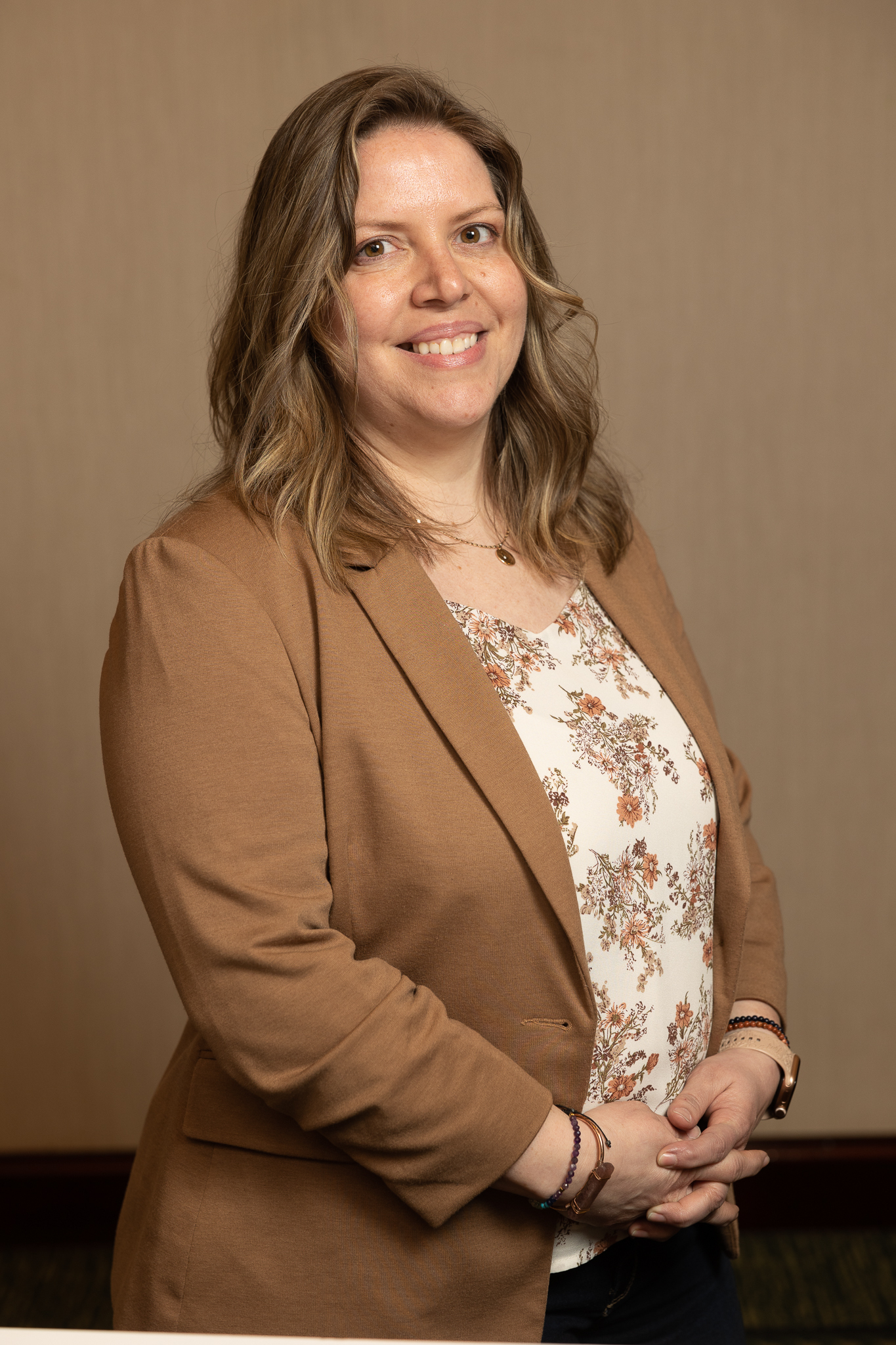
Alexandria Foley, MSN, RN, is VP of Nursing and Care Delivery at Brook Health
© 2025 HMP Global. All Rights Reserved.
Any views and opinions expressed are those of the author(s) and/or participants and do not necessarily reflect the views, policy, or position of the Journal of Clinical Pathways or HMP Global, their employees, and affiliates.