Incorporating Physical Activity Into Treatment Plans for Patients With Endometrial Cancer
Jessica Gorzelitz, PhD, MS
In an interview with a guest expert, learn how to improve care for patients with endometrial cancer through the lens of exercise and how to enhance motivation and accessibility.
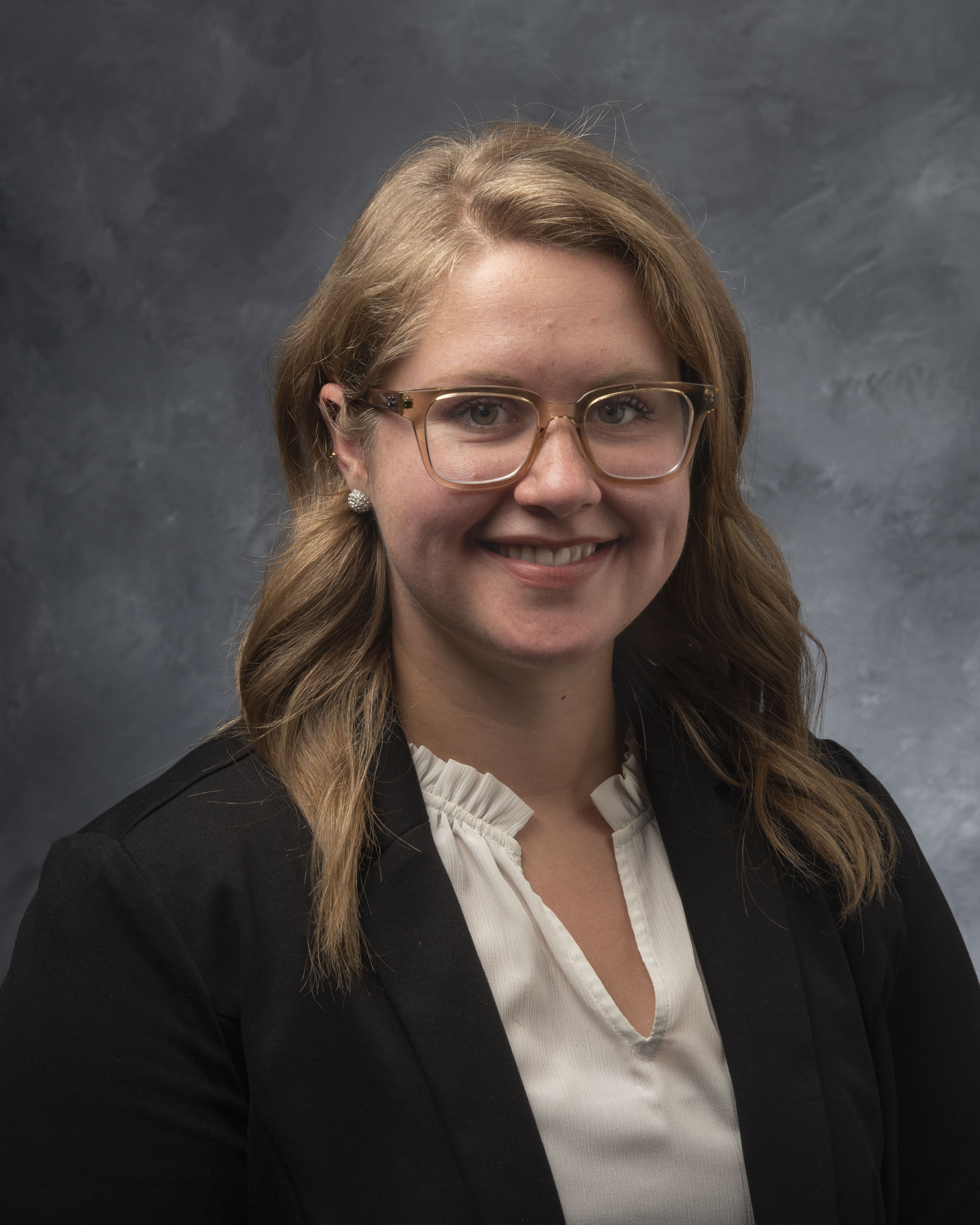 Jessica Gorzelitz, PhD, MS: I'm Jess Gorzelitz, an assistant professor of health promotion in the department of health and human physiology at the University of Iowa. I completed my BS, MS, and PhD at the University of Wisconsin-Madison specializing in physical activity epidemiology and behavioral interventions for cancer survivors. I completed the Cancer Prevention Fellowship Program at the National Cancer Institute as my postdoctoral training. I also joined the faculty at the University of Iowa in 2022 where I now direct the Physical Activity and Cancer Survivorship (PACS) Lab.
Can you explain the major themes that emerged from your interviews with endometrial cancer survivors regarding their attitudes towards exercise and barriers to participation?
Dr Gorzelitz: Yes, we found 4 major themes from our interviews indicating that participants were well aware that exercise is a helpful health behavior, and most participants endorsed the perceived benefits of exercising. Participants also identified barriers to exercise that directly limited their ability to complete exercise, some of these barriers included physical or physiological limitations that were related to age or cancer treatment. Other barriers included limited support and resources, financial strain, and geographical limitations for accessing exercise resources.
Another theme was motivational influences that impacted exercise behaviors such as social support, peers, or partners. Some participants endorsed seeing health or symptom improvements as motivating, endorsing that the ability to reclaim their health or well-being is extremely motivational.
The last theme was preferences for exercise programs, and this incorporated the understanding of the benefits of exercise, barriers, and motivators of exercise. Participants wanted programs that needed minimal equipment, no transportation needs, no financial commitment, and a reasonable time burden. Most participants concluded that home-based programs would be the most desirable program for leveraging motivators and minimizing barriers.
How important do participants feel medical providers' recommendations are in influencing their exercise behaviors during and after cancer treatment?
Dr Gorzelitz: In this patient population, we find that there is significant trust in their health care providers. Anecdotally, we've had participants say that the oncologists, nurses, and advanced practitioners saved their lives. Going through a cancer diagnosis and treatment creates a lot of trust between patient and provider. Therefore, survivorship or exercise recommendations can be quite influential as patient trust is high. We found that provider recommendations were a motivational influence on exercise.
What specific types of home-based exercise programs did participants express interest in, and why did they prefer this approach over in-person programs?
Dr Gorzelitz: For our interviews, we kept the description of home-based programs vague to let the participants interpret this term, but we did clarify that home-based programs are exercises that can be completed without having to travel and using resources in their own homes.
In our interviews, we explored barriers and facilitators to exercise. Some important barriers were travel concerns related to weather, access to other local recreational facilities, and overall transportation limitations. These barriers ultimately made home-based programs preferable as they eliminated the need for travel, considering weather, or going to facilities and paying membership dues.
How do patients believe technology can be incorporated into home-based exercise programs to enhance motivation and accessibility?
Dr Gorzelitz: It's interesting that technology was not one of our primary themes but certainly was discussed by several participants in interviews. Technology can be a great tool to provide services at a distance or over telehealth. My main caveat is we must be mindful of the digital divide and that access and usability of technology are not the same for all survivors. That said, technology is certainly a potential tool for implementing and sustaining behavior change, one that we have used in our interventions previously.
From this research, how can health care providers improve treatment plans for patients with endometrial cancer?
Dr Gorzelitz: While I am not a health care provider myself, I work with some of the best. Clinicians and providers want what's best for their patients, and I find that they are highly supportive of exercise and physical activity as a part of survivorship. Ultimately the goal is to make exercise a standard of care where patients would be assessed for exercise needs, advised on the importance of exercise, and then referred to appropriate services or resources to connect patients to increase their exercise. As we build toward that goal, it's crucial to incorporate patients’ voices and understand their lived experiences to ensure our solutions are aligned with their needs and preferences, especially for endometrial cancer survivors.
© 2025 HMP Global. All Rights Reserved.
Any views and opinions expressed are those of the author(s) and/or participants and do not necessarily reflect the views, policy, or position of the Journal of Clinical Pathways or HMP Global, their employees, and affiliates.