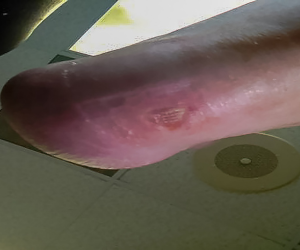
Saving Lives, Saving Limbs: Reframing Value in Wound Care Toward Prevention
This article explores how clinical, psychological, and financial incentives favor late-stage intervention over prevention—and why redefining success around ulcer-free survival and limb preservation is essential for improving outcomes and reducing costs.
Key Takeaways
- Healthcare systems disproportionately reward treatment over prevention. Ethical drivers such as the “Rule of Rescue,” combined with reimbursement models that favor procedures, create a system where advanced disease generates more attention, resources, and reimbursement than successful prevention.
- Preventive limb preservation strategies are effective but remain underutilized. Evidence supports interventions such as routine foot screening, multidisciplinary care teams, and therapeutic footwear, all of which can reduce ulceration and major amputations at a fraction of the cost of managing chronic limb-threatening ischemia and amputation-related complications.
- Wound care needs new success metrics focused on keeping patients healthy. Rather than measuring outcomes primarily through downstream events such as amputations, the field should prioritize prevention-oriented measures—including ulcer-free survival, avoidance of first ulceration, and long-term complication-free limb preservation—to better align incentives with patient outcomes.
Modern healthcare systems are designed to improve patient outcomes, yet the structure of care delivery often reveals a persistent and measurable bias toward treating advanced disease rather than preventing its onset. This imbalance is particularly visible in wound care and chronic limb-threatening ischemia (CLTI), where high-cost, late-stage interventions dominate both clinical focus and financial investment even in the presence of strong evidence supporting preventive strategies.
This dynamic creates a striking paradox: patients who successfully avoid disease progression frequently receive less attention, fewer resources, and limited recognition compared to those requiring complex, emergent interventions. Such patterns raise a critical question for industry stakeholders, whether current healthcare frameworks inadvertently reward failure rather than sustained health. The issue extends beyond individual clinical decisions, reflecting deeper systemic forces embedded within care delivery models.
Chronic wounds and CLTI exemplify the magnitude of this challenge. These conditions are associated with significant morbidity, mortality, and economic burden, yet the majority of healthcare resources remain concentrated on managing late-stage complications rather than mitigating risk earlier in the disease trajectory.1,2 This misallocation suggests structural inefficiencies that undermine both clinical outcomes and cost-effectiveness.
This article examines the underlying drivers of this imbalance, including psychological factors such as the “Rule of Rescue,” cognitive and institutional biases, and reimbursement models that favor intervention over prevention. Drawing on contemporary data and policy frameworks, I would argue that meaningful progress in limb preservation will require a fundamental shift, redefining success metrics, realigning incentives, and positioning prevention not as a secondary consideration, but as a primary outcome of care.
The Concept: Systemic Prioritization of Late-Stage Disease
The prioritization of acute and severe illness over prevention is supported by converging theoretical and empirical frameworks. Central among these is the “Rule of Rescue,” which describes the moral imperative to allocate resources toward identifiable individuals facing imminent harm, regardless of broader cost-effectiveness.3,4 This principle reflects both clinician and societal preferences, as populations consistently prioritize saving those in immediate danger over maximizing aggregate health benefit through prevention.5
Complementing this ethical framework are well-documented cognitive and structural biases that distort healthcare decision-making. Severity bias, identifiability bias, and technology bias collectively drive disproportionate investment in high-cost interventions.4,5 At the same time, cognitive heuristics such as availability bias and commission bias reinforce tendencies toward action, often in the form of procedural intervention, rather than restraint or preventive care.
These behavioral drivers are mirrored in resource allocation patterns. Preventive services account for only approximately 3.5% of total healthcare spending in the United States, despite preventable conditions contributing to more than 75% of overall expenditures.6,7 Primary prevention strategies consistently demonstrate superior cost-effectiveness compared to tertiary interventions, yet remain underfunded and underutilized, particularly in industry-sponsored research and care delivery models.8,9
A Tale of 2 Patients: Visibility Versus Value
The contrast between preventive and reactive care can be illustrated through 2 archetypal patients. One patient adheres to routine screening, utilizes protective footwear, and avoids ulcer formation entirely. The other misses preventive care, develops a wound, progresses to infection and chronic limb-threatening ischemia (CLTI), and ultimately requires amputation.
Despite the superior outcome achieved in the first scenario, the second patient generates substantially more clinical activity, documentation, and reimbursement. This disparity reflects a fundamental issue in healthcare valuation: successful prevention is largely invisible, whereas failure produces measurable and billable events. As a result, systems designed around measurable outcomes disproportionately reward late-stage disease.
Clinical and Economic Burden of Late-Stage Disease in CLTI
The consequences of delayed intervention in CLTI are profound. Major amputations in Medicare populations cost approximately $54,000 to $55,700 per patient-year, while revascularization hospitalizations approach $60,000 per event.1,10 In advanced disease stages (WIfI stages 3–4), fewer than half of wounds achieve healing, and median time to closure extends to approximately 248 days, reflecting prolonged and resource-intensive care.11
Amputation, in particular, functions as a definitive and easily measurable endpoint. It has therefore become a central quality metric, reinforced by initiatives such as the American Heart Association’s goal to reduce nontraumatic lower-extremity amputations.2 However, this emphasis on discrete outcomes may inadvertently reinforce late-stage intervention, as these events are easier to track than successful prevention. Notably, amputations are associated with approximately 18% 30-day readmission rates, with nearly half attributable to wound complications, further underscoring downstream system failure.1
Preventive Strategies: Effective but Underutilized
In contrast to the high cost and limited efficacy of late-stage interventions, preventive strategies in wound care are well-supported by evidence yet inconsistently implemented. Clinical guidelines recommend annual comprehensive foot examinations and multidisciplinary care for patients with peripheral artery disease, reflecting a strong consensus on prevention.12,13
Multidisciplinary team-based care has been shown to significantly reduce major amputation rates, while therapeutic footwear effectively decreases the incidence of diabetic foot ulcers.14-16 These interventions are comparatively low in cost and high in value, yet they remain underutilized due to limited visibility, inconsistent reimbursement, and lack of integration into existing care models.
Emerging data further suggest that wound care–first strategies in low- to moderate-risk CLTI (WIfI stages 1–2) can achieve superior amputation-free survival compared to early revascularization.13 Despite this, conservative approaches are not widely incentivized, reinforcing the dominance of procedural care even when alternative strategies may yield better outcomes.17
Drivers of Persistence: Payment Structure Misalignment
The persistence of late-stage prioritization is strongly influenced by financial incentives embedded within healthcare systems. Fee-for-service reimbursement models reward procedural volume rather than longitudinal outcomes, creating a structural bias toward intervention.18
This misalignment is compounded by evidence of provider-induced demand, wherein higher procedural rates are associated with fee-for-service compensation compared to salaried models.18,19 At the same time, reimbursement trends reveal increasing payments for facility-based procedures alongside declining professional compensation, further incentivizing interventional care.20
The absence of widely adopted value-based models in vascular care limits the ability to reward preventive strategies, leaving clinicians with few financial incentives to prioritize risk reduction or long-term disease management. As a result, even well-intentioned providers operate within a system that structurally favors intervention over prevention.
Redefining Success in Wound Care
Addressing these challenges requires a fundamental shift in how one defines and measures success. Current metrics emphasize discrete, downstream outcomes such as amputation, which reflect system failure rather than achievement.2 In contrast, a prevention-oriented framework would prioritize measures such as ulcer-free survival, prevention of initial ulceration, and duration without complications.
Such a shift would align clinical goals with population health outcomes, emphasizing the reduction of disease incidence rather than the management of its consequences. Importantly, this approach reframes success as the absence of adverse events or a form of “invisible success” that requires deliberate recognition and incentivization.
Conclusion
The current healthcare paradigm in wound care and CLTI is shaped by a convergence of ethical imperatives, cognitive biases, and financial incentives that collectively favor late-stage intervention. While the “Rule of Rescue” ensures that patients in immediate danger receive necessary care, it also contributes to systemic underinvestment in prevention.3,4
Transforming this paradigm will require coordinated efforts to realign reimbursement structures, incorporate prevention-focused metrics, and elevate the value of interventions that prevent disease progression. Ultimately, the goal of limb preservation should not be to improve rescue strategies alone, but to reduce the number of patients who require rescue altogether.
A healthcare system that rewards prevention will not only reduce costs but also achieve its most fundamental objective: improving patient outcomes before crisis occurs.
Dr. Windy Cole is a double board-certified podiatric physician and internationally recognized wound care expert with more than 24 years of clinical experience in limb preservation and advanced wound management. She serves as Adjunct Professor and Director of Wound Care Research at Kent State University College of Podiatric Medicine and is Chief Research Officer for Capsicure Clinical Research Organization. As the founder of Cole Collaborative Consulting, Dr. Cole partners with biotech and medical device companies to develop evidence generation strategies, strengthen market access pathways, and deliver high-quality scientific and medical communications. A leader in the integration of emerging technologies into wound care, Dr. Cole has directed numerous clinical trials and contributes her expertise to advisory boards across the biotech and device sectors, providing insight on FDA strategy, clinical trial oversight, medical monitoring and protocol development with real world implementation.
References
1. McKie J, Richardson J. The rule of rescue. Soc Sci Med. 2003 Jun;56(12):2407-19. doi: 10.1016/s0277-9536(02)00244-7. PMID: 12742604.
2. Cookson R, McCabe C, Tsuchiya A. Public healthcare resource allocation and the Rule of Rescue. J Med Ethics. 2008 Jul;34(7):540-4. doi: 10.1136/jme.2007.021790. PMID: 18591290.
3. Honeybul S, Gillett GR, Ho KM, Lind CR. Neurotrauma and the rule of rescue. J Med Ethics. 2011 Dec;37(12):707-10. doi: 10.1136/medethics-2011-100081. Epub 2011 Sep 24. PMID: 21947803.
4. Kirkpatrick JN, Hull SC, Fedson S, Mullen B, Goodlin SJ. Scarce-resource allocation and patient triage during the COVID-19 pandemic: JACC review topic of the week. J Am Coll Cardiol. 2020 Jul 7;76(1):85-92. doi: 10.1016/j.jacc.2020.05.006. Epub 2020 May 11. PMID: 32407772; PMCID: PMC7213960.
5. Fitzsimons D, McAloon T. The ethics of non-intervention in a study of patients awaiting coronary artery bypass surgery. J Adv Nurs. 2004; 46(4):395-402.
6. Hope T. Rationing and life-saving treatments: should identifiable patients have higher priority? J Med Ethics. 2001 Jun;27(3):179-85. doi: 10.1136/jme.27.3.179. PMID: 11417026; PMCID: PMC1733406.
7. Schattner A. Comprehensive evidence-based health maintenance. Am J Med. 2024 Aug;137(8):706-711. doi: 10.1016/j.amjmed.2024.03.038. Epub 2024 Apr 4. PMID: 38582322.
8. Mays, G.P. and Mamaril, C.B. (2017), Public Health Spending and Medicare Resource Use: A Longitudinal Analysis of U.S. Communities. Health Serv Res, 52: 2357-2377. https://doi.org/10.1111/1475-6773.12785
9. Conway P, Goodrich K, Machlin S, Sasse B, Cohen J. Patient-centered care categorization of U.S. health care expenditures. Health Serv Res. 2011;46(2):479-490. doi:10.1111/j.1475-6773.2010.01212.x
10. Bolnick HJ, Bui AL, Bulchis A, et al. Health-care spending attributable to modifiable risk factors in the USA: an economic attribution analysis. Lancet Public Health. 2020 Oct;5(10):e525-e535. doi: 10.1016/S2468-2667(20)30203-6. PMID: 33007211.
11. Dieleman JL, Cao J, Chapin A, et al. US health care spending by payer and health condition, 1996-2016. JAMA. 2020;323(9):863–884. doi:10.1001/jama.2020.0734
12. Shaw FE, Asomugha CN, Conway PH, Rein AS. The Patient Protection and Affordable Care Act: opportunities for prevention and public health. Lancet. 2014 Jul 5;384(9937):75-82. doi: 10.1016/S0140-6736(14)60259-2. Epub 2014 Jun 30. PMID: 24993913.
13. Chen L, Tian L, Bundy JD, Jaeger BC, Zhang R, Li C, et al. Five-year risk prediction models for peripheral artery disease in patients with chronic kidney disease. Kidney Medicine. 2026;8(6):101351.
14. Popplewell MA, Andronis L, Davies HOB, et al. Procedural and 12-month in-hospital costs of primary infra-popliteal bypass surgery, infrapopliteal best endovascular treatment, and major lower limb amputation for chronic limb threatening ischemia. J Vasc Surg. 2022 Jan;75(1):195-204. doi: 10.1016/j.jvs.2021.07.232. Epub 2021 Sep 3. PMID: 34481898.
15. Mustapha JA, Katzen BT, Neville RF, et al. Determinants of long-term outcomes and costs in the management of critical limb ischemia: a population-based cohort study. J Am Heart Assoc. 2018 Aug 21;7(16):e009724. doi: 10.1161/JAHA.118.009724. PMID: 30369325; PMCID: PMC6201392.
16. Criqui MH, Matsushita K, Aboyans V, Hess CN, et al; American Heart Association Council on Epidemiology and Prevention; Council on Arteriosclerosis, Thrombosis and Vascular Biology; Council on Cardiovascular Radiology and Intervention; Council on Lifestyle and Cardiometabolic Health; Council on Peripheral Vascular Disease; and Stroke Council. Lower Extremity Peripheral Artery Disease: Contemporary Epidemiology, Management Gaps, and Future Directions: A Scientific Statement From the American Heart Association. Circulation. 2021 Aug 31;144(9):e171-e191. doi: 10.1161/CIR.0000000000001005. Epub 2021 Jul 28. Erratum in: Circulation. 2021 Aug 31;144(9):e193. doi: 10.1161/CIR.0000000000001019. PMID: 34315230; PMCID: PMC9847212.
17. Kwong M, Rajasekar G, Utter GH, Nuño M, Mell MW. Updated estimates for the burden of chronic limb-threatening ischemia in the Medicare population. J Vasc Surg. 2023 Jun;77(6):1760-1775. doi: 10.1016/j.jvs.2023.01.200. Epub 2023 Feb 8. PMID: 36758910.
18. Armstrong DG, Tan T, Boulton AJM, Bus SA. Diabetic foot ulcers: a review. JAMA. 2023;330(1):62–75. doi:10.1001/jama.2023.10578
19. Musuuza J, Sutherland BL, Kurter S, Balasubramanian P, Bartels CM, Brennan MB. A systematic review of multidisciplinary teams to reduce major amputations for patients with diabetic foot ulcers. J Vasc Surg. 2020 Apr;71(4):1433-1446.e3. doi: 10.1016/j.jvs.2019.08.244. Epub 2019 Oct 30. PMID: 31676181; PMCID: PMC7096268.
20. Fang ZB, Schanzer A, Judelson DR, et al. Medical center reimbursement for vascular procedures has increased over time while professional reimbursement has declined. J Vasc Surg. 2023 Feb;77(2):616-622. doi: 10.1016/j.jvs.2022.10.023. Epub 2022 Oct 27. PMID: 36309320.
© 2026 HMP Global. All Rights Reserved.
Any views and opinions expressed are those of the author(s) and/or participants and do not necessarily reflect the views, policy, or position of Podiatry Today or HMP Global, their employees, and affiliates.