GLP-1 Receptor Agonists and the Lower Extremity
As more patients with diabetes and obesity use GLP-1–based medications, podiatrists are encountering questions about their effects on the lower extremity. This review examines emerging evidence on limb outcomes, wound healing, neuropathy, and skin reactions, with attention to where clinical benefit remains uncertain.
Key Takeaways
- Observational studies associate GLP-1 receptor agonist use with fewer diabetic foot ulcers and lower extremity amputations, but they cannot establish that the medications prevent these outcomes.
- Potential benefits for wound healing and diabetic peripheral neuropathy remain investigational; neither is an established indication for GLP-1 receptor agonist therapy.
- Podiatrists should recognize possible injection-site and other skin reactions and consider reduced oral intake when caring for patients recovering from foot surgery or healing a wound.
Few drug classes have reshaped the metabolic landscape as rapidly as the glucagon-like peptide-1 receptor agonists (GLP-1RAs). Originally developed for glycemic control in type 2 diabetes mellitus (T2DM), agents such as semaglutide (Ozempic, Wegovy, Rybelsus), tirzepatide (Mounjaro, Zepbound), dulaglutide (Trulicity), liraglutide, and exenatide are now prescribed at scale for obesity, cardiovascular risk reduction, chronic kidney disease, obstructive sleep apnea, and metabolic dysfunction–associated steatohepatitis. Because obesity and T2DM are 2 drivers of lower extremity pathology in the podiatric patient, the podiatric physician now routinely treats patients who are taking, starting, or stopping these medications. Understanding how GLP-1RAs influence the skin, soft tissue, vasculature, and peripheral nerves of the lower limb has become a practical clinical necessity, not an academic curiosity.
This article reviews the emerging and established evidence on GLP-1RAs as they pertain to the lower extremity:
- their mechanisms of action in skin and nerve;
- their potential limb-preserving and wound-healing benefits;
- their effects on inflammatory dermatoses relevant to the foot and ankle; and
- the cutaneous and injection-site adverse reactions that clinicians should be prepared to recognize and manage.
From Glycemic Control to Pleiotropic Tissue Effects
GLP-1 is an incretin hormone secreted by intestinal L-cells that potentiates glucose-dependent insulin secretion, suppresses glucagon release, slows gastric emptying, and promotes satiety. These actions explain the robust reductions in HbA1c and body weight that characterize the class. However, the clinical effects of GLP-1RAs extend well beyond glucose handling. As Narla and colleagues detail in their 2-part continuing medical education review in the Journal of the American Academy of Dermatology, GLP-1 receptors and downstream signaling pathways are distributed across multiple organ systems, and GLP-1–based agents exert immunomodulatory and anti-inflammatory effects that are increasingly relevant to skin biology.1,2
The anti-inflammatory profile of these drugs is central to understanding their effects on the lower extremity. Ros-Madrid and colleagues describe how GLP-1RAs reduce systemic and tissue-specific inflammation through inhibition of nuclear factor-kappa B (NF-κB) signaling, reduction of pro-inflammatory cytokines, and modulation of macrophage and microglial activity.3 Importantly, Wong and Drucker argue in the Journal of Clinical Investigation that a meaningful portion of these anti-inflammatory benefits appears to be independent of weight loss itself. Proteomic analyses from the STEP semaglutide weight-loss trials revealed changes in inflammatory and immune-regulatory pathways that could not be fully explained by metabolic improvement alone.4 Because GLP-1 receptor expression in peripheral tissues is generally low and restricted to rare cell types, the leading hypothesis is that GLP-1 medicines modulate inflammation through a combination of systemic metabolic improvement, direct action on immune cells, and interorgan anti-inflammatory signaling.
For the podiatric physician, this matters because chronic low-grade inflammation, impaired microvascular perfusion, and diabetic peripheral neuropathy are the shared substrate of the diabetic foot. A drug class that simultaneously improves glycemia, reduces weight, dampens inflammation, and may exert direct neurovascular effects has obvious theoretical appeal for limb preservation.
Limb Preservation and Amputation Outcomes
The most clinically consequential lower extremity data on GLP-1RAs concerns amputation. A nationwide retrospective cohort study by Hong and colleagues, published in Diabetes Care under the auspices of the American Diabetes Association, compared new users of GLP-1RAs with new users of sodium-glucose cotransporter-2 inhibitors (SGLT2is) using the TriNetX electronic health record network. After 1:1 propensity score matching, the analysis included 180,740 patients in each arm.5
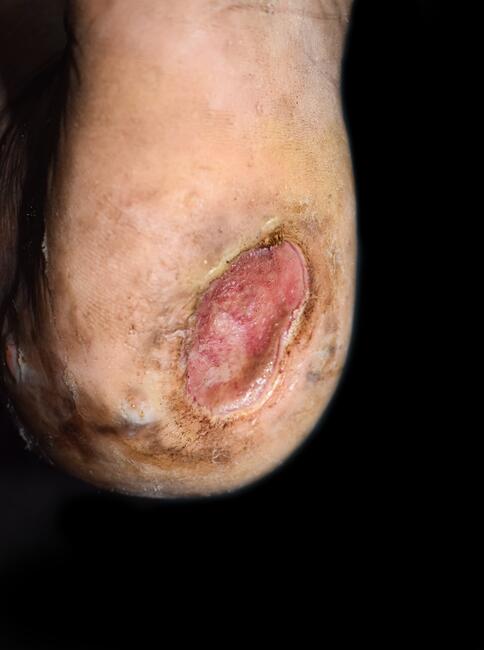
At 3 years, GLP-1RA therapy was associated with greater major (above-ankle) amputation–free survival compared with SGLT2i therapy (99.69% vs. 99.64%, P = 0.001). GLP-1RA treatment was also associated with a lower risk of major lower extremity amputation (hazard ratio [HR] 0.77; 95% CI, 0.66–0.90), minor amputation (HR 0.73; 95% CI, 0.63–0.84), diabetic foot ulcer (DFU) (HR 0.92; 95% CI, 0.87–0.96), and all-cause mortality (HR 0.66; 95% CI, 0.63–0.69). Critically for the high-risk podiatric population, the reduction in major amputation risk persisted among patients with established peripheral artery disease (PAD) (HR 0.68; 95% CI, 0.56–0.82) and among those with prevalent DFU (HR 0.70; 95% CI, 0.58–0.84). In patients with peripheral neuropathy, the protective association was even more pronounced (HR 0.68; 95% CI, 0.56–0.83) than in the overall cohort.5
These observational findings are consistent with randomized trial data. As the authors note, the LEADER cardiovascular outcomes trial demonstrated that liraglutide significantly reduced DFU-related amputation risk (HR 0.65; 95% CI, 0.45–0.95), and observational cohorts from Taiwan and Italy reported fewer lower-limb complications among GLP-1RA users than SGLT2i users.5
The comparison with SGLT2 inhibitors deserves emphasis because it is directly relevant to prescribing decisions in patients with diabetic foot disease. The CANVAS trial reported a nearly two-fold increased amputation risk with canagliflozin (HR 1.97; 95% CI, 1.41–2.75), and subsequent pharmacovigilance analyses raised amputation signals for canagliflozin and, more variably, for dapagliflozin and empagliflozin. Proposed mechanisms for the SGLT2i signal include volume depletion, altered lower-limb blood flow, and increased infection susceptibility; all of which impair wound healing. GLP-1RAs, by contrast, have not been linked to increased amputation risk and may be limb-protective.5 This distinction gives the podiatric physician a concrete talking point when comanaging pharmacotherapy with endocrinology or primary care in a patient with an active or healed foot ulcer.
A 2026 updated systematic review and meta-analysis by Dutta and colleagues reinforced these signals. Pooling data across patients with T2DM at high risk for or with established PAD, the authors reported that GLP-1RA-based therapy was associated with statistically significant reductions in major adverse limb events, amputations, and all-cause mortality, with notably low heterogeneity for the limb-specific outcomes.6 The low heterogeneity strengthens confidence in the limb benefit, although the observational nature of the underlying studies remains a limitation.
The proposed mechanisms for limb protection are multifactorial. Beyond glycemic control, GLP-1RAs improve body weight, blood pressure, lipid profiles, peripheral perfusion, and possibly endothelial function. Preclinical studies suggest that GLP-1RAs promote angiogenesis, reduce inflammation, and accelerate wound healing, and the class also improves renal outcomes; diabetic nephropathy being itself an established amputation risk factor.5
Wound Healing
Wound healing evidence is encouraging but still preliminary. Narla and colleagues report that GLP-1RAs may be associated with improved wound healing endpoints in observational studies, including fewer wound complications in retrospective datasets.2 The narrative review by Pantazopoulos and colleagues similarly lists enhanced wound healing among the beneficial cutaneous effects of GLP-1RAs, attributed to downregulation of inflammatory pathways and reduction of pro-inflammatory cytokines.7
The mechanistic rationale is coherent: chronic wounds, particularly diabetic foot ulcers, are characterized by a persistent pro-inflammatory state, impaired angiogenesis, and stalled transition from the inflammatory to the proliferative phase of healing. Agents that reduce cytokine burden, improve perfusion, and promote angiogenesis could plausibly accelerate closure. However, no large randomized controlled trials have specifically tested GLP-1RAs as a wound-healing intervention, and existing data are confounded by concurrent glycemic improvement, weight loss, and comorbidity management. The claim that GLP-1RAs directly accelerate wound healing should therefore be framed as biologically plausible and observationally supported, not established.
An important practical caveat concerns the perioperative and healing-phase patient. GLP-1RAs slow gastric emptying and can produce significant nausea, vomiting, and reduced oral intake. In a patient recovering from foot surgery or being nutritionally optimized to heal a wound, drug-induced anorexia and lean muscle mass loss are relevant considerations. Kunutsor and Seidu, in their state-of-the-art safety review, highlight lean muscle mass loss during substantial weight reduction as an emerging concern of the class.8 Adequate protein intake and nutritional surveillance remain important in surgical and wound-healing patients on these agents.
Diabetic Peripheral Neuropathy
Diabetic peripheral neuropathy (DPN) is the single most important upstream driver of ulceration and amputation, and there is growing evidence that GLP-1RAs may act directly on peripheral nerve. Dhanapalaratnam and colleagues, in Diabetologia, reported that GLP-1RA therapy reversed nerve morphological abnormalities in patients with diabetic peripheral neuropathy. Notably, multiple regression analysis found no significant effect of changes in HbA1c or body mass index (BMI) on the observed changes in nerve morphology, suggesting a direct neurotrophic effect rather than one mediated purely by metabolic improvement.9
The authors contextualize this against the CREDENCE trial's neuropathy substudy, in which the SGLT2 inhibitor canagliflozin despite renoprotection produced no neuropathy benefit, reinforcing the view that glycemic control alone is insufficient to improve neuropathy outcomes. Proposed mechanisms for the GLP-1RA effect include activation of anti-inflammatory pathways that prevent neurodegeneration, promotion of remyelination, reduction of Schwann cell apoptosis, and augmentation of the nerve sodium–potassium pump via the PI3K/Akt and cAMP/CREB pathways.9
Beyond nerve structure, GLP-1RAs may modulate neuropathic pain. He and colleagues describe preclinical pathways in which GLP-1R activation on spinal microglia drives interleukin-10 and β-endorphin expression, producing antinociception, and attenuates neuroinflammation through the AMPK/NF-κB pathway.10 For the physician managing painful diabetic neuropathy, this represents a potential disease-modifying rather than purely symptomatic mechanism, though it remains investigational and is not an approved indication.
Inflammatory and Metabolic Dermatoses of the Lower Extremity
Several inflammatory skin conditions that affect the lower extremity and adjacent regions may be favorably influenced by GLP-1RAs. The strongest signal is in psoriasis. The National Psoriasis Foundation primer, published in JAMA Dermatology, and the Journal of the American Academy of Dermatology reviews describe reductions in Psoriasis Area and Severity Index scores among patients treated with GLP-1RAs.11,2 Because plantar and palmoplantar psoriasis can be functionally disabling and because psoriasis clusters with obesity and metabolic syndrome, weight-losing and anti-inflammatory therapy has dual appeal.
The psoriasis story is nuanced, however. Sheth and colleagues note that observational studies suggest GLP-1RAs are associated with a modestly increased risk of immune-mediated diseases, including psoriasis (HR 1.17; 95% CI, 1.12–1.22), when compared with DPP-4 inhibitors. The causal interpretation is unclear, because DPP-4 inhibitors may themselves reduce psoriasis risk (by roughly 41.7% in some analyses) through effects on T-cell proliferation and cytokine production. The apparent relative risk may therefore reflect a protective effect of the comparator rather than harm from GLP-1RAs.11 This is an area of genuine uncertainty that clinicians should hold with appropriate caution.
Hidradenitis suppurativa, which frequently affects the groin, gluteal cleft, and inframammary and inguinal folds, and is strongly linked to obesity, has shown improved disease activity and patient-reported symptoms with GLP-1RA therapy in small cohorts and case series.2 Overall, Pantazopoulos and colleagues characterize the beneficial cutaneous effects of GLP-1RAs as improved psoriasis, enhanced wound healing, and cytokine downregulation, while cautioning that the evidence base is limited to case reports, small observational studies, and heterogeneous meta-analyses, with no large-scale randomized trials.7
Cutaneous Adverse Effects: What the Podiatrist Will See
While the therapeutic and limb-protective story is largely favorable, GLP-1RAs also produce a substantial burden of cutaneous adverse events, and the podiatric physician is well positioned to identify them, particularly injection-site reactions and drug eruptions.
Elgindi and Petronic-Rosic performed a comprehensive analysis of the U.S. FDA Adverse Event Reporting System (FAERS). Among 442,567 reports involving GLP-1RAs, 137,412 (31.0%) involved skin and injection-site reactions, making cutaneous events the third most frequently reported category. The proportion of skin and injection-site reports varied markedly by agent: exenatide (53.1%), dulaglutide (33.5%), tirzepatide (32.6%), liraglutide (17.1%), semaglutide (12.2%), and lixisenatide (6.9%). Common reactions included injection-site pain, bleeding, erythema, bruising, mass or nodule formation, pruritus, and swelling; additional events included dysesthesias, granulomatous reactions, and hyperhidrosis. Reassuringly, most reactions were mild-to-moderate and were managed symptomatically without requiring discontinuation.12
Injection-site reactions (ISRs) are the dominant cutaneous concern. A meta-analysis by Taj and colleagues found that GLP-1RA users experienced approximately 3-and-a-half times the risk of injection-site reactions relative to injectable comparators, with a relatively narrow prediction interval indicating consistency across settings.13 Sheth and colleagues report that ISRs occur in roughly 10% to 30% of patients treated with longer-acting agents versus less than 5% with short-acting formulations, typically manifesting as erythema, rash, and subcutaneous nodules that subside within three to four weeks.11 Kunutsor and Seidu similarly note that ISRs such as pruritus, erythema, and localized nodules were historically more common with exenatide extended-release and albiglutide (up to 15–16%) and less frequent with dulaglutide and semaglutide.8
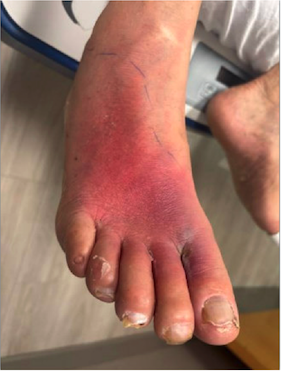
Although GLP-1RAs are typically injected in the abdomen, thigh, or upper arm, the thigh is a common site, and podiatric patients, especially those with diabetes and limited mobility, obesity, or self-injection technique difficulties, may present with lower extremity nodules, erythema, or granulomatous reactions that require differentiation from cellulitis, panniculitis, or vasculitis. Recognizing a benign, self-limited ISR can prevent unnecessary antibiotic courses or diagnostic escalation.
Less common but clinically important cutaneous reactions include morbilliform (drug) eruptions, fixed drug eruption, dermal hypersensitivity reactions, eosinophilic panniculitis, and bullous pemphigoid, which typically resolve after discontinuation.11 Pantazopoulos and colleagues emphasize that, in contrast to DPP-4 inhibitors, which have been linked to more serious dermatologic events including bullous pemphigoid and rarely Stevens-Johnson syndrome and toxic epidermal necrolysis, GLP-1RA cutaneous adverse effects are relatively uncommon and predominantly limited to rash, pruritus, and urticaria.7
Nonetheless, the authors advise avoiding these agents in patients with a history of severe cutaneous adverse reactions and monitoring closely for new or worsening skin symptoms during the first months of therapy.
Two additional signals deserve mention. First, alopecia has been reported inconsistently, with a notably higher relative risk observed with tirzepatide (RR 5.67; 95% CI, 2.47–13.00) versus placebo; the presumed mechanism is telogen effluvium secondary to rapid weight loss rather than a direct drug effect.11 Second, disproportionality analyses of pharmacovigilance data show that adverse event patterns, including injection-site reactions, hair loss, and other events, vary by agent, sex, and age, underscoring that "GLP-1RA" is not a monolithic safety category.14
Practical Guidance for the Podiatric Physician
Several practical points emerge from this evidence for day-to-day podiatric practice.
First, in patients with diabetes and lower extremity disease, especially those with prior ulceration, established PAD, or neuropathy, the available evidence favors GLP-1RAs over SGLT2 inhibitors with respect to limb outcomes. While a podiatric physician will not prescribe these agents directly, informed comanagement and communication with the prescribing clinician can influence therapy selection in the highest-risk patients.5,6
Second, the neuroprotective and possible antinociceptive effects of GLP-1RAs, while investigational, are a reason for cautious optimism in patients with painful or progressive diabetic peripheral neuropathy.9
Third, clinicians should be prepared to recognize and reassure patients about injection-site reactions and to distinguish benign nodules and erythema from infection. When a lower extremity lesion coincides with an injection site and follows a self-limited course, an ISR should be high on the differential.12,13
Fourth, the gastrointestinal effects and lean mass loss associated with these drugs are relevant to wound healing and surgical recovery; nutritional optimization should not be neglected in the patient on a GLP-1RA who is trying to heal a foot wound.8
Finally, in patients with concurrent psoriasis or hidradenitis suppurativa affecting the feet, legs, or intertriginous regions, GLP-1RAs may offer additional dermatologic benefit, though the evidence remains early and the psoriasis-risk data are conflicting.11,2
Limitations of the Evidence
The enthusiasm around GLP-1RAs and the lower extremity should be tempered by the quality of the underlying data. Much of the favorable evidence, particularly for wound healing, psoriasis, hidradenitis suppurativa, and even amputation prevention, derives from observational cohorts, registry analyses, case reports, and small series, with substantial heterogeneity in agents, dosing, and follow-up. These studies are subject to confounding by comorbid diabetes and obesity severity, concurrent therapies, and healthy-adherer effects. The Hong cohort and the Dutta meta-analysis, while large, are retrospective and cannot establish causation, and the absolute differences in amputation-free survival, though statistically significant, were numerically small.5,6 As multiple reviewers conclude, larger and longer-term randomized trials are needed to define efficacy, mechanism, and safety of GLP-1RAs for dermatologic and limb-related indications.2,7
Conclusion
GLP-1 receptor agonists have moved from a narrow glycemic role to a pleiotropic position at the intersection of metabolism, inflammation, vascular biology, and neuroprotection, precisely the axes that determine lower extremity outcomes in those with diabetes and/or obesity. The best current evidence associates GLP-1RA therapy with reduced risk of diabetic foot ulcer and lower extremity amputation, particularly in high-risk patients with PAD, neuropathy, or prior ulceration, and with plausible benefits in wound healing, nerve preservation, and inflammatory dermatoses. At the same time, the class carries a meaningful burden of cutaneous and injection-site reactions that the podiatric physician is well placed to recognize and manage. As these medications continue their extraordinary expansion, the podiatrist's fluency in their lower extremity effects, both protective and adverse, will increasingly shape limb-preservation care.
Dr. Vlahovic is a Professor at Samuel Merritt University College of Podiatric Medicine in Oakland, CA.
References
- Narla S, Narla RR, Corbett JA. JAAD CME part 1: mechanism of action of GLP-1 receptor agonists and potential pathways in skin health. J Am Acad Dermatol. Published online February 2026. doi:10.1016/j.jaad.2026.01.088
- Narla S, Narla RR. JAAD CME part 2: clinical evidence and safety considerations for GLP-1 receptor agonists in dermatology. J Am Acad Dermatol. Published online February 14, 2026. doi:10.1016/j.jaad.2025.12.116
- Ros-Madrid I, Cano-Mármol RP, Ferrer-Gomez M, Ramos-Molina B. Anti-inflammatory properties of GLP-1 receptor agonists and other ancillary benefits from a pharmacological perspective. Can J Physiol Pharmacol. 2025;103(12):369-377. doi:10.1139/cjpp-2025-0148
- Wong CK, Drucker DJ. Antiinflammatory actions of glucagon-like peptide-1-based therapies beyond metabolic benefits. J Clin Invest. 2025;135(21):e194751. doi:10.1172/JCI194751
- Hong AT, Luu IY, Lin F, et al. Differential effect of GLP-1 receptor agonists and SGLT2 inhibitors on lower-extremity amputation outcomes in type 2 diabetes: a nationwide retrospective cohort study. Diabetes Care. 2025;48(10):1728-1736. doi:10.2337/dc25-0292
- Dutta D, Mahajan K, Kamrul-Hasan ABM, Mahajan N, Sharma M, Vohra S. Impact of glucagon-like peptide-1 receptor agonism-based therapies on limb outcomes in peripheral artery disease and type 2 diabetes: an updated systematic review and meta-analysis. Diabetes Obes Metab. 2026;28(3):2075-2084. doi:10.1111/dom.70391
- Pantazopoulos D, Gouveri E, Papi M, Papazoglou D, Papanas N. GLP-1 receptor agonists, DPP-4 inhibitors and the skin—diabetes meets dermatology: a brief narrative review. Adv Ther. 2025;42(8):3621-3633. doi:10.1007/s12325-025-03257-w
- Kunutsor SK, Seidu S. Safety and tolerability of glucagon-like peptide-1 receptor agonists: a state-of-the-art narrative review. Drugs. 2026;86(1):11-36. doi:10.1007/s40265-025-02263-0
- Dhanapalaratnam R, Issar T, Lee ATK, et al. Glucagon-like peptide-1 receptor agonists reverse nerve morphological abnormalities in diabetic peripheral neuropathy. Diabetologia. 2024;67(3):561-566. doi:10.1007/s00125-023-06072-6
- He Y, Xu B, Zhang M, et al. Advances in GLP-1 receptor agonists for pain treatment and their future potential. J Headache Pain. 2025;26(1):46. doi:10.1186/s10194-025-01979-4
- Sheth S, Merola JF, Weber BN, et al. The National Psoriasis Foundation primer on GLP-1 receptor agonists in psoriasis: a review. JAMA Dermatol. 2026;162(6):619-630. doi:10.1001/jamadermatol.2026.0859
- Elgindi D, Petronic-Rosic V. Glucagon-like peptide-1 receptor agonist-associated injection site and dermatologic reactions. Clin Dermatol. Published online September 3, 2026. doi:10.1016/j.clindermatol.2026.08.012
- Taj S, Zuber M, Rashid M, et al. Injection-site and dermatologic reactions associated with glucagon-like peptide-1 receptor agonists: insights from meta-analysis of randomised controlled trials and real-world evidence. Diabetes Obes Metab. 2026;28(3):1956-1971. doi:10.1111/dom.70382
- Kim TH, Lee K, Park S, et al. Adverse drug reaction patterns of GLP-1 receptor agonists approved for obesity treatment: disproportionality analysis from global pharmacovigilance database. Diabetes Obes Metab. 2025;27(6):3490-3502. doi:10.1111/dom.16376
© 2026 HMP Global. All Rights Reserved.
Any views and opinions expressed are those of the author(s) and/or participants and do not necessarily reflect the views, policy, or position of Podiatry Today or HMP Global, their employees, and affiliates.