Conservative Foot and Ankle Care: Practical Strategies Before Surgery
When is the best surgery the one you never perform? In this episode of the Podiatry Today Podcast, host Dr. Jennifer Spector continues her conversation with Priya Parthasarathy, DPM, focusing on conservative treatment strategies that can help patients improve function, reduce pain, and potentially avoid surgery.
Key Takeaways
- Plantar fasciitis/fasciosis, tendinopathies, arthritis: Conservative care emphasizes patient education, footwear optimization, biomechanics, strengthening, and progressive loading; additional options discussed include fat allograft injections, shockwave therapy, and regenerative modalities.
- Treatment adherence: Use realistic goals, shared decision-making, and individualized plans that fit patient lifestyles. Diagnostic ultrasound can show pathology in real time and support tailored rehabilitation or regenerative treatment.
- Surgical transition: Decisions should reflect meaningful progress rather than time alone. Consider surgery after optimized conservative care when persistent pain or dysfunction limits daily life or desired activities.
Please note: This content is a direct transcript, capturing the authentic conversation without edits. Some language may reflect the flow of live discussion rather than polished text.
Transcript
Jennifer Spector, DPM: Welcome back to the Podiatry Today Podcast. I'm Dr. Jennifer Spector, the associate editorial director for Podiatry Today. And while surgery is such an important component of foot and ankle care, successful outcomes can often begin with thoughtful conservative management from plantar fasciitis and tendinopathies to arthritis or other chronic conditions. Optimizing non-surgical treatment can improve patient outcomes and in many cases even help patients avoid surgery altogether.
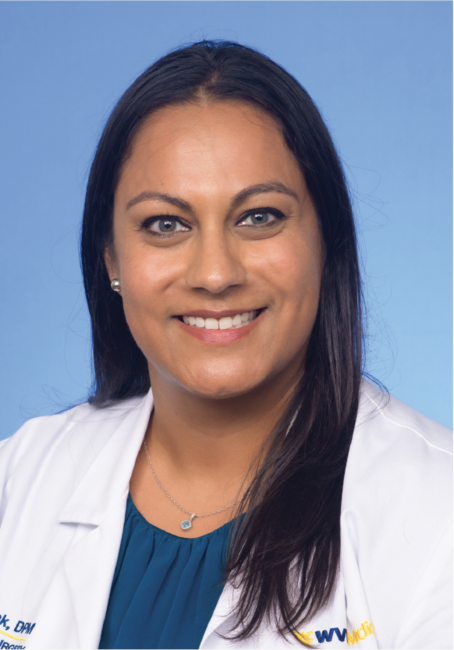
There's a session at the APMA National who will be helmed by Dr. Priya Parthasarathy, our guest today who's joining us. She's the president of the Maryland Podiatric Medical Association. She is the chair of the APMA Development Committee, and she's a partner with US Foot and Ankle Specialists. Today she's going to discuss informed conservative therapies with us, strategies for improving adherence, and how to determine when it might be time to transition from that non-operative care to surgical intervention. Related to her track at the APMA National, we're just so excited to hear her perspective today. Welcome back, doctor.
Priya Parthasarathy, DPM: Thank you so much for having me again. I really enjoy being on this podcast.
Jennifer Spector, DPM: Well, we're really excited to hear what you have to say here because we've had some really interesting discussions recently about how thinking like a surgeon can actually improve non-surgical care, but I think we're still maybe not giving enough attention to maximizing conservative treatments. So before we consider surgery, what do you feel are some underutilized or overlooked conservative treatments in today's foot and ankle care?
Priya Parthasarathy, DPM: Honestly, I still think the fundamentals are underappreciated in podiatric care. So what does that mean? So really taking the time to educate our patients, optimizing footwear, addressing biomechanics, prescribing the right strengthening exercises and encouraging progressive loading, especially after injury rehabilitation, they can all make an enormous difference. So patients often come in sometimes looking for the newest treatment, but many times it's getting the basics right and then getting the patients to stick with them that leads to the best outcomes. And the other conservative treatments that are being underutilized or overlooked is of course the whole area of regenerative medicine as well. And that could include in injecting fat allografts into the plantar aspect of the foot, using shockwave therapy and other biologic and mechanical regenerative medicine modalities.
Jennifer Spector, DPM: And so how do you feel the podiatrist can work to help patients adhere to these non-surgical treatment plans, especially when progress may take time?
Priya Parthasarathy, DPM: So I think this is really important, and I see this in clinic every single day, is trying to meet the patients where they are. So you have to spend the time to really listen to them and see if a treatment plan doesn't fit into their life, they're probably not going to follow it. So I focus on creating realistic achievable goals and making sure patients understand why we're recommending something. So especially with my patient population, when patients understand the reasoning behind the plan and feel like they're part of the decision-making process, they're much more likely to stick with it. And I do that utilizing a lot of imaging modalities such as diagnostic ultrasound in the office. Seeing pathology in real time and coming up with a custom plan, which could use regenerative therapies, progressive loading, a customized strengthening plan really makes the patient understand that you are tailing the treatment to them and listening to their lifestyle so patient compliance will be higher.
Jennifer Spector, DPM: And one more thing when you're managing these chronic conditions like plantar fasciosis, tendinopathies, or arthritis, are there any factors that help you to determine whether you're going to continue conservative care or start to transition towards some more surgical options?
Priya Parthasarathy, DPM: Absolutely. I'm a surgeon and I also operate weekly. For me, it's never just about how much time has passed. It's about whether the patient is making meaningful progress. So again, going back to educating the patients because many come in thinking that surgery is the fastest or most effective way to solve the problem. "Doc, I just want to get rid of this." Just operate. Let's go ahead. But in reality, that's often not the case, especially when you factor in postoperative recovery and rehabilitation. So if we have effective conservative options that can get the patient back to activities they love without surgery, that's always worth considering first. But once we've optimized conservative care and the patient is limited by pain or dysfunction, then it's time to have that thoughtful conversation about surgery. So I always say my goal is always to help the patient understand all of their options so we can make the best decision to get there.
Priya Parthasarathy, DPM: So if you're seeing that lack of progression, if the treatments that you are prescribing are not giving the patient the type of pain relief that they are looking for and it's affecting their daily life or the activities they love to do, then that is when I bring out the surgical plan.
Jennifer Spector, DPM: Dr. Parthasarathy, thank you so much for sharing your practical approach to conservative foot and ankle care and helping our listeners navigate one of the most important aspects of our clinical decision-making.
Priya Parthasarathy, DPM: As always, a pleasure to be on and there's so much more to discuss, but I hope this little tidbit of information piqued your curiosity to consider conservative care first.
Jennifer Spector, DPM: Absolutely. And we're going to have to bring you back so we can dive a little deeper into this.
Priya Parthasarathy, DPM: Anytime.
Jennifer Spector, DPM: So thank you as well to everyone listening to the podcast today. If you found this discussion valuable, please subscribe wherever you get your podcasts and share the episode with your colleagues. For more expert perspectives, clinical research, surgical insights, and practical resources for podiatrists, be sure to visit podiatrytoday.com. We'll see you next time.
© 2026 HMP Global. All Rights Reserved.
Any views and opinions expressed are those of the author(s) and/or participants and do not necessarily reflect the views, policy, or position of Podiatry Today or HMP Global, their employees, and affiliates.