Special Delivery of Topical Interest: Understanding Vehicle Formulation for Nonsteroidal Prescription Eczema Creams
Novel steroid-sparing topical creams approved for mild-to-moderate atopic dermatitis (AD) in recent years have stimulated a generational shift in skin-directed therapy akin to the targeted biologic breakthrough in systemic therapy for patients with moderate-to-severe disease. The growing availability of many topical nonsteroidal therapies, and others under regulatory review or in development, with favorable safety profiles that minimize or avoid skin-associated adverse effects, particularly those associated with topical corticosteroids, represents major advancements in addressing longstanding unmet needs in AD:
- Renewed emphasis on proactive treatment to improve symptom control and reduce fl are unpredictability in a dynamic and chronic disease hallmarked by waxing and waning severity in response to endogenous and exogenous exacerbating factors.
- Options that are equally viable across skin types/tones; anatomic distributions, including intertriginous and sensitive sites; and pruritic or otherwise symptomatic nonlesional areas without the need for treatment adjustment.
- Minimization of polypharmacy and multistep regimens and the associated patient confusion, cost, treatment fatigue, and adverse impacts on adherence.
Achieving these clinical benefits has required identifying appropriate therapeutic targets and refining drug-target interactions through medicinal chemistry. However, achieving optimized clinical profiles that extend beyond efficacy and safety to include improved tolerability, acceptability, convenience, and real-world patient satisfaction has also required significant innovation in topical vehicle formulation to enable successful adoption of new pharmaceutical products. In treating skin disease, all components of topical preparations must be held to a standard to do no harm but may also present an opportunity to positively contribute to skin healing and itch relief.
Although this topic is relevant across inflammatory skin diseases, it is especially relevant in AD and chronic hand eczema (CHE), where skin care practices focus on avoiding irritants, allergens, and barrier-disrupting agents, such as harsh surfactants and detergents, while utilizing products with protectants, emollients, occlusives, and/or humectants to restore moisture and reduce exposure to proinflammatory and prurito-genic triggers. For example, optimized topical formulations can combine anti-inflammatory and moisturizing properties into a single application, reducing the need for multistep routines in AD.
As dermatologists, we are accustomed to scrutinizing full ingredient lists of over-the-counter products to recommend or avoid, and we have now entered an era in which selecting among the plethora of topical prescription options demands familiarity with comprehensive ingredients lists comprised of both active and inactive (excipient) ingredients.
In this article, we dissect the vehicle constituents of 5 products in order of their US market entry for AD/CHE: pimecrolimus 1%, ruxolitinib 1.5%, rofl umilast 0.05/0.15%, tapinarof 1%, and delgocitinib 2%. The purpose of this article is not to analyze study designs or compare clinical data, but rather to explore what differentiates these agents beyond their active molecule. Not all AD creams are equivalent, and differences in delivery systems may affect skin barrier effects (perturbation vs preservation), epidermal retention, the drug release rates of the pharmaceutical active ingredient, and, ultimately, dosing schedules. Topical drug formulation is highly specialized, with general principles but no universal one-size-fits-all approach. Each product represents a deliberate combination of an active substance’s biophysical properties, tailored formulation technology, and a customized set of excipients.
DEVELOPMENT TIMELINE OVERVIEW
The evolution of topical therapies for AD has been driven by limitations of topical corticosteroids, which have been the mainstay of treatment for decades. While effective, risks include skin atrophy, telangiectasias, striae, dyspigmentation, acne, periorificial dermatitis, tachyphylaxis, and topical corticosteroid withdrawal syndrome that may be mitigated with noncontinuous and/or short-term (<4–6 weeks) usage.1 This presents an obvious challenge and leaves therapeutic gaps for chronic inflammatory dermatoses. Topical corticosteroids span many potency classes and are available in multiple formulations, including creams, ointments, foams, solutions, oils, shampoos, tapes, and sprays, providing considerable versatility. However, the wide range of branded, generic, and compounded formulations can present challenges in consistency and reliability, as formulation can significantly influence potency and the risk of irritancy or allergenicity to excipients.2
Despite dermatologists’ familiarity with topical corticosteroids as the “Swiss Army knife” of our practice, use is limited by patient steroid phobia, the need to restrict potent agents to localized short-term use on specific body sites due to safety concerns, and reliance on complex multistep regimens in many AD cases. It is still commonplace to prescribe a low potency agent for the face, a foam or solution for the scalp or other hair-bearing areas, and a high- or ultra potent ointment for the hands in the same AD clinic visit. In summary, although topical corticosteroids remain widely used in daily practice, their risk-benefit profile becomes less favorable with prolonged use, exemplifying that they are not ideally suited for long-term management of chronic inflammatory skin diseases.
The early 2000s introduced topical calcineurin inhibitors (pimecrolimus 1% cream and tacrolimus 0.1%/0.03% ointment) as steroid-sparing alternatives, but their use was limited by tolerability concerns (application site discomfort)3 and a boxed warning for a theoretical malignancy risk. This risk has been largely refuted in the literature,4 although patient hesitancy persists despite reassuring safety data. A nearly 15-year gap in topical options ended in 2016 with the approval of the first-in-class phosphodiesterase 4 (PDE4) inhibitor crisaborole 2% ointment, indicated for mild-to-moderate AD in patients age 3 months and older, which remains the only nonsteroidal agent for patients age 3 months to 2 years at the time of writing.5 However, this addition did little to improve perceptions of nonsteroidal tolerability and efficacy. These products, when tolerated, were used solely on sensitive sites most vulnerable to topical corticosteroid-associated adverse effects, primarily in steroid-averse patients, in very mild AD, for off -label indications, or as adjuncts to topical corticosteroids.
As preclinical drug developers worked to advance promising new small molecule candidates, with sizable company commitments to these programs, renewed focus on formulation emerged. Successful formulation required moving beyond the once-held view of the vehicle as an inert carrier, recognizing it instead as critical to efficacy (penetration through the stratum corneum and partitioning into the epidermis), safety (limiting dermal permeation and systemic absorption), and patient acceptance and ability to differentiate products from other existing and emerging options (cosmetic elegance across skin and hair types and disease presentations).6
Decades of experience show that patient adherence is key to real world therapeutic success. Although ointments based on occlusive lipids and/or hydrocarbons promote skin hydration, their oily nature makes them impractical for long-term daily use. Ointments remain useful for short-term treatment of hyperkeratotic, lichenified, and rupioid inflammatory plaques,7 but are generally avoided on comedogenic areas like the face and on sites where messiness and visibility may interfere with function such as the hands. Creams have become increasingly favored, reflecting patient preferences in chronic inflammatory skin disease sample groups.7
Over the past 5 years, several novel creams supported by robust randomized controlled phase 3 programs have been approved,8-12 including the first-in-class topical Janus kinase (JAK) 1/2 inhibitor ruxolitinib 1.5% cream, the high affinity PDE4 inhibitor rofl umilast 0.05/0.15% cream, the first-in-class aryl hydrocarbon receptor (AhR) agonist tapinarof 1% cream, and the first-in-class recently US Food and Drug Administration (FDA)-approved pan-JAK delgocitinib 2% cream.8-11,13-17
FUNCTIONAL EXCIPIENTS OF TOPICAL NONSTEROIDAL THERAPIES
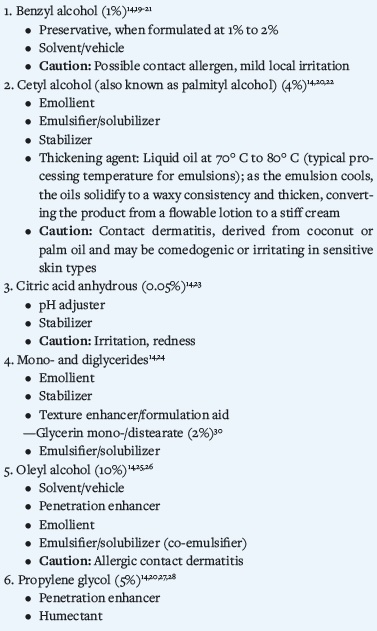
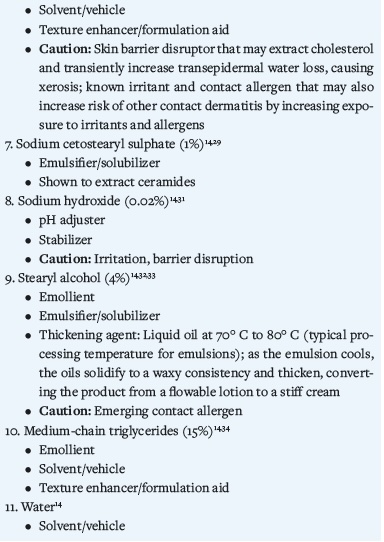
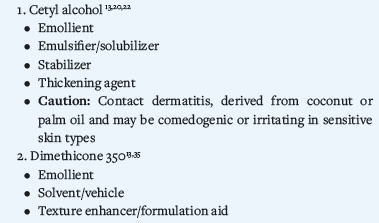
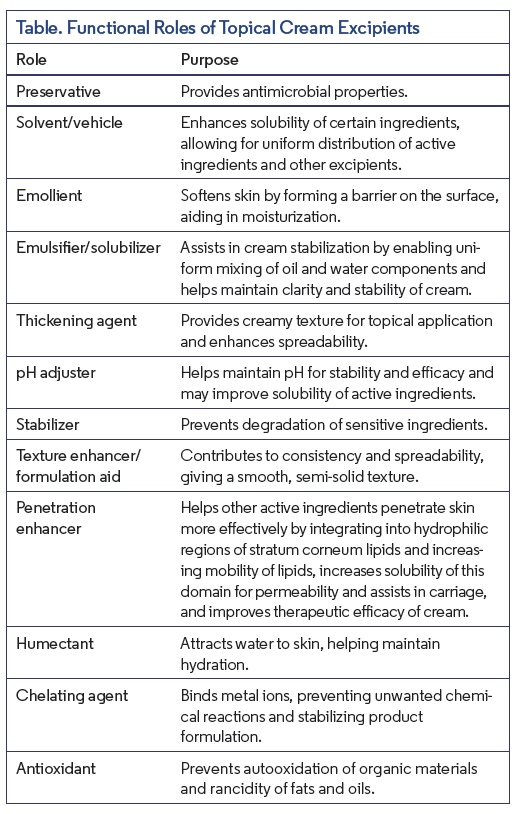
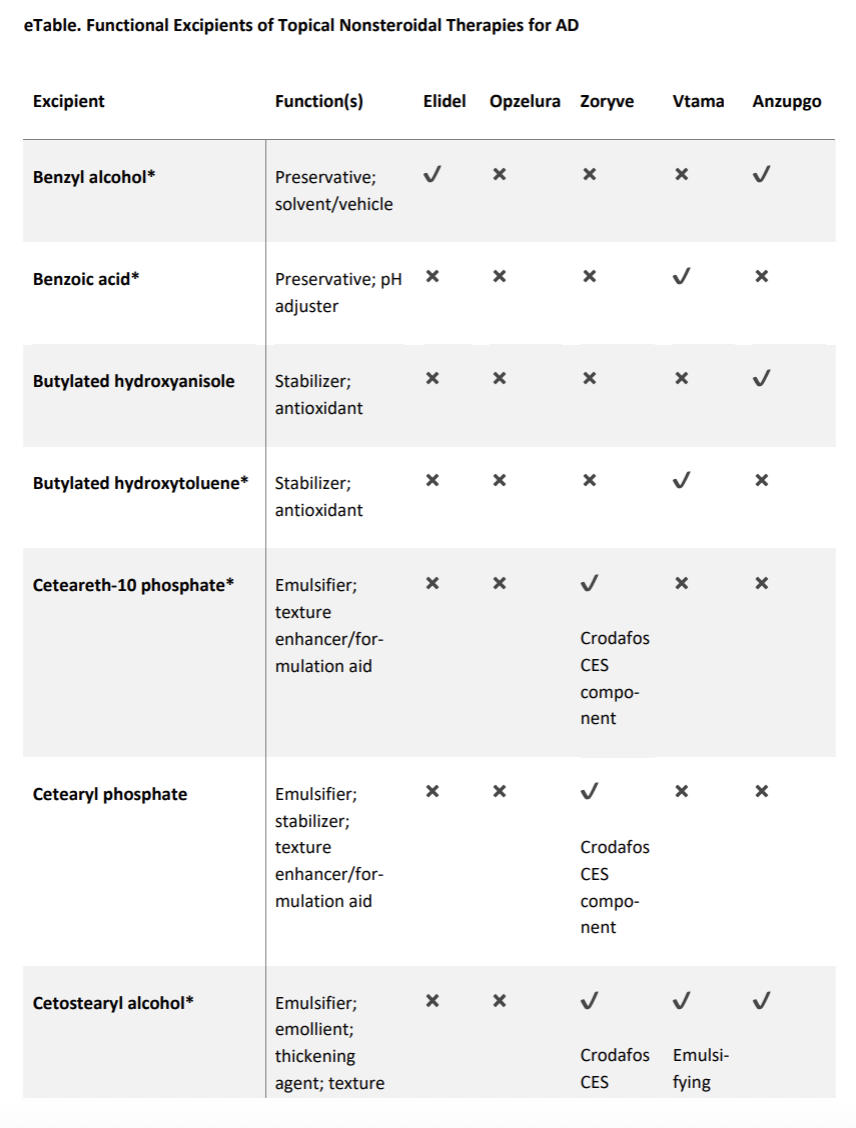
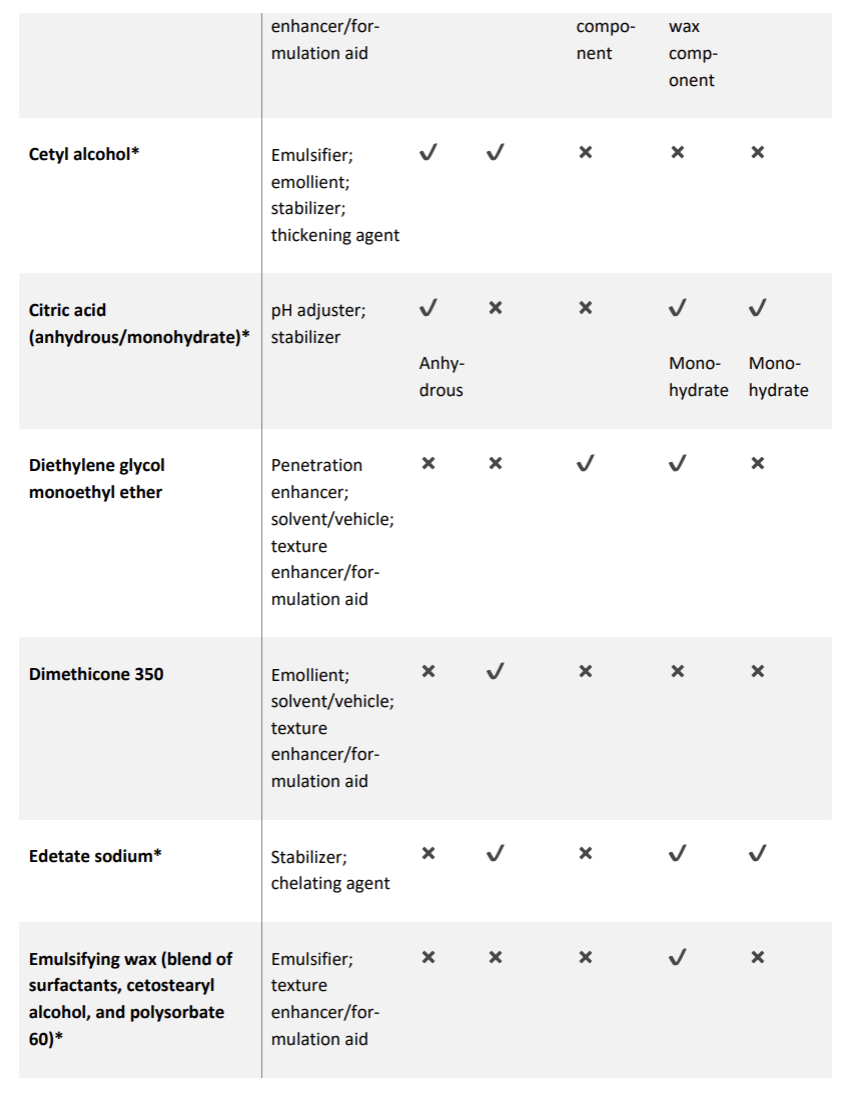
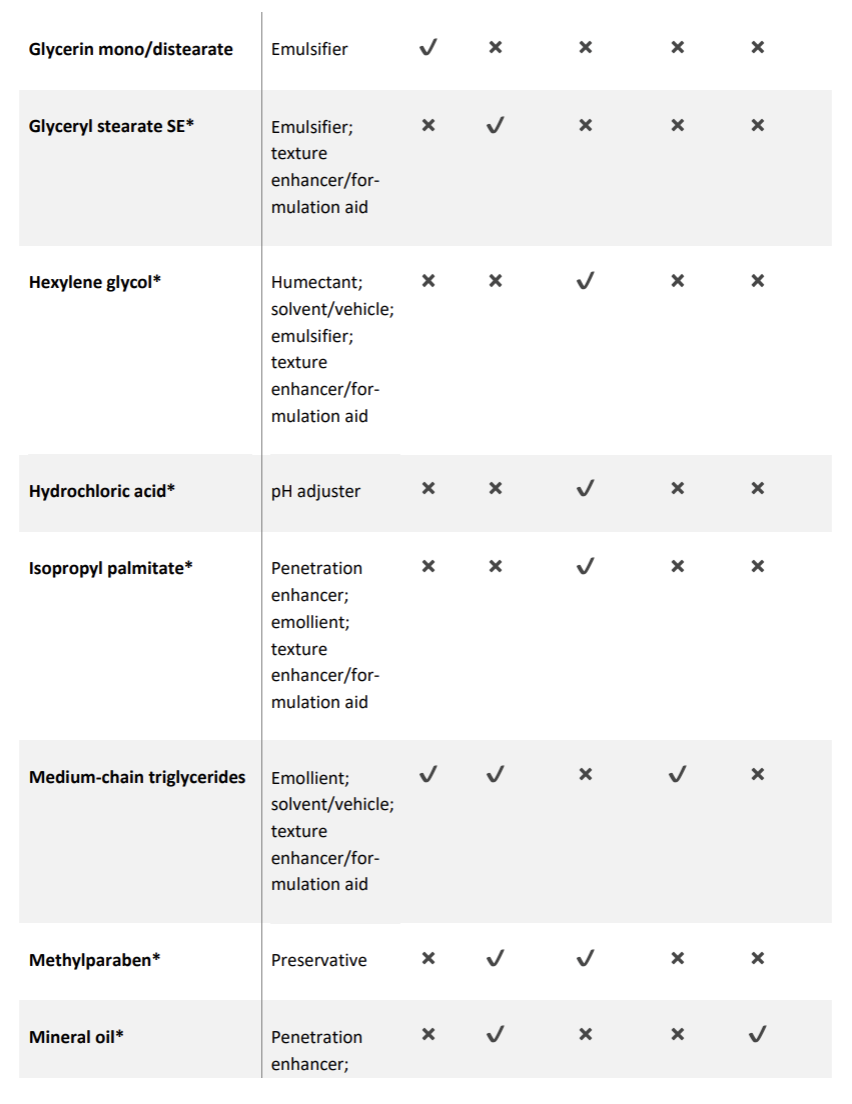
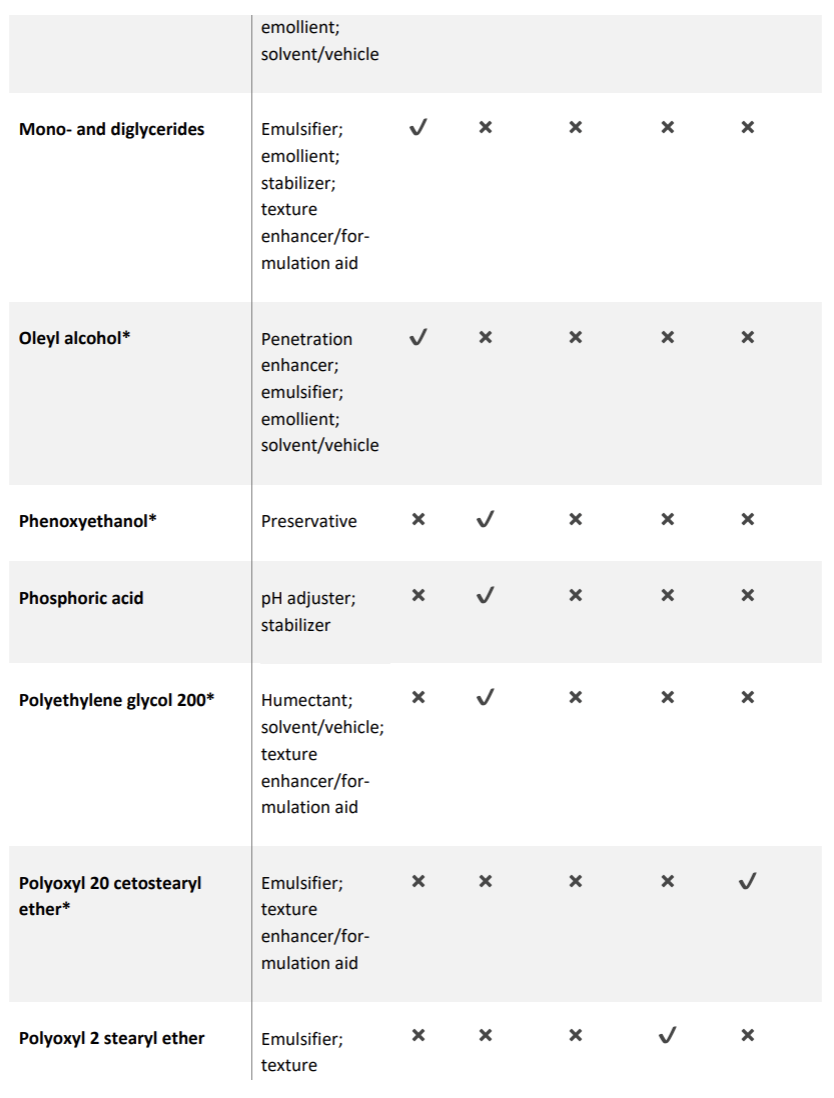
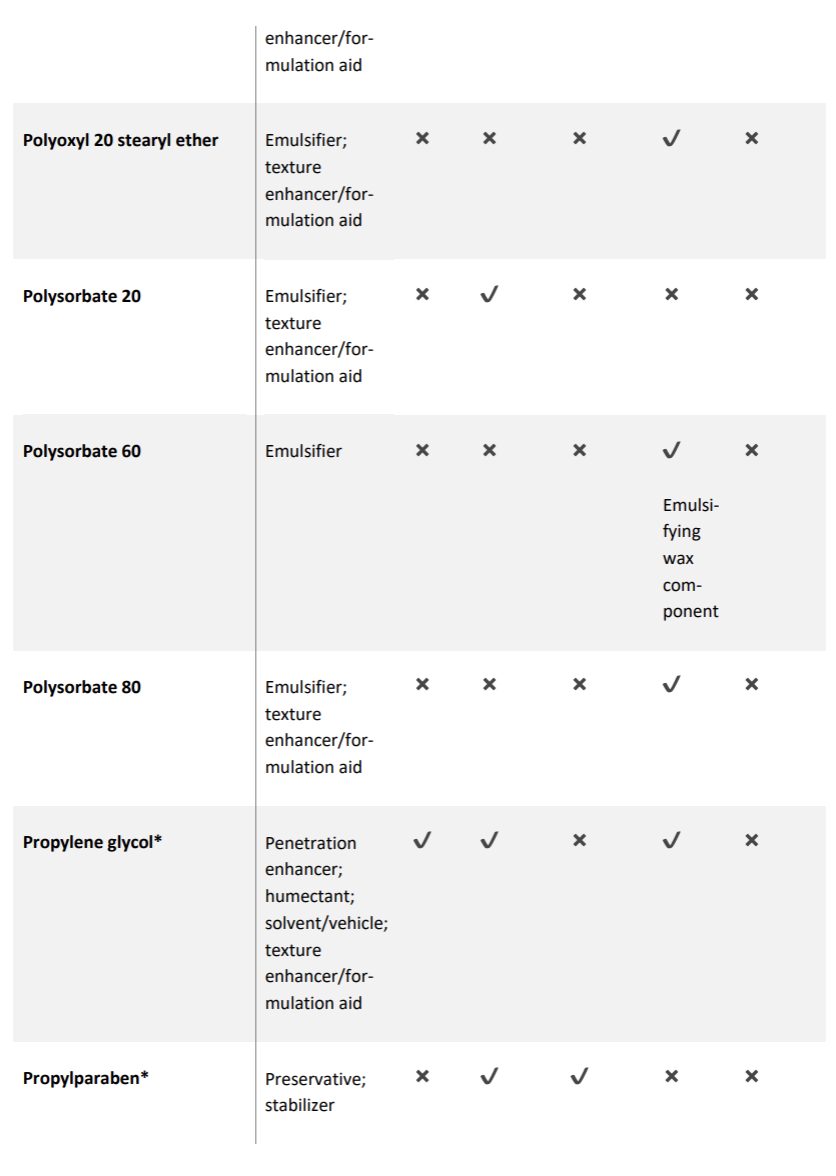
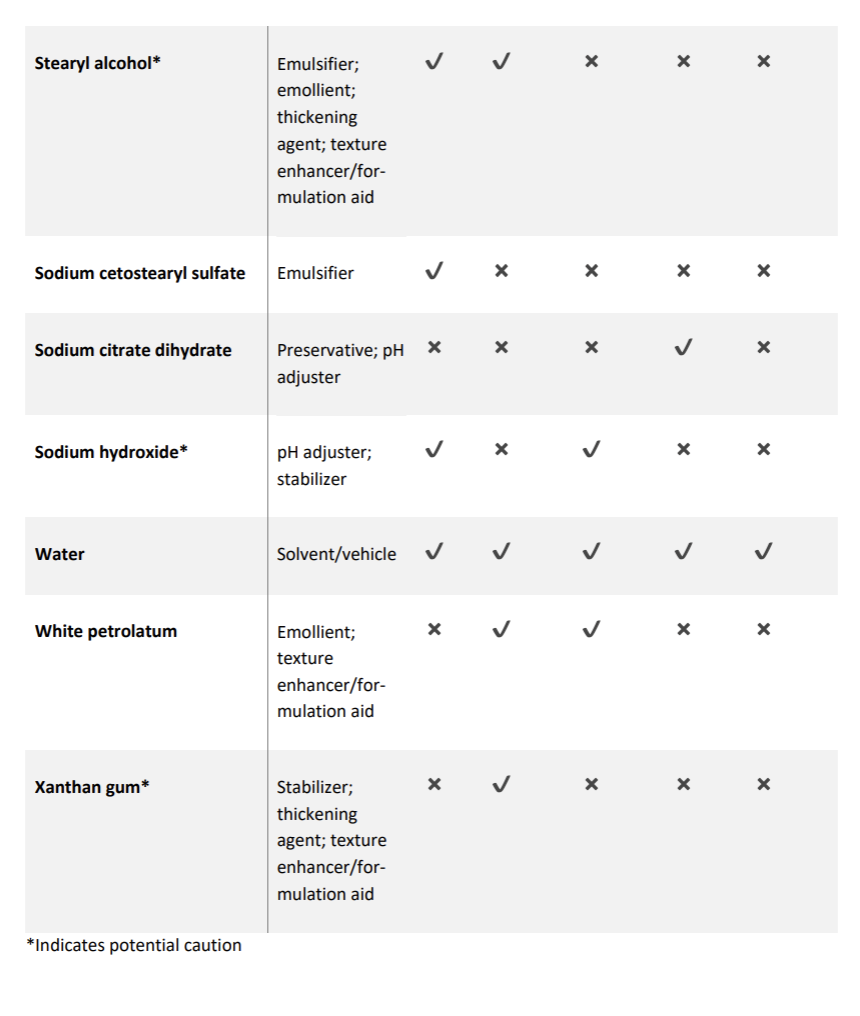
Below, we summarize key formulation components and functions for the 5 prescription AD creams (eTable). See the Table for the functional roles of the excipients in these topical creams.18
Pimecrolimus 1% Cream
Pimecrolimus 1% cream, a topical calcineurin inhibitor that suppresses T-cell cytokine production, is used twice daily as a second-line treatment for mild-to-moderate AD in patients age 2 years and older who are not adequately controlled or cannot use topical corticosteroids. An FDA-approved generic pimecrolimus 1% cream with equivalent label language is also available. Pimecrolimus is a large (810.5 g/mol), highly lipophilic molecule with limited skin penetration and minimal systemic absorption, requiring formulation strategies, such as penetration enhancers and organic solvents, due to poor aqueous solubility. Product pH is approximately 5.5. Pimecrolimus 1% cream has 11 excipients.14
Ruxolitinib 1.5% Cream
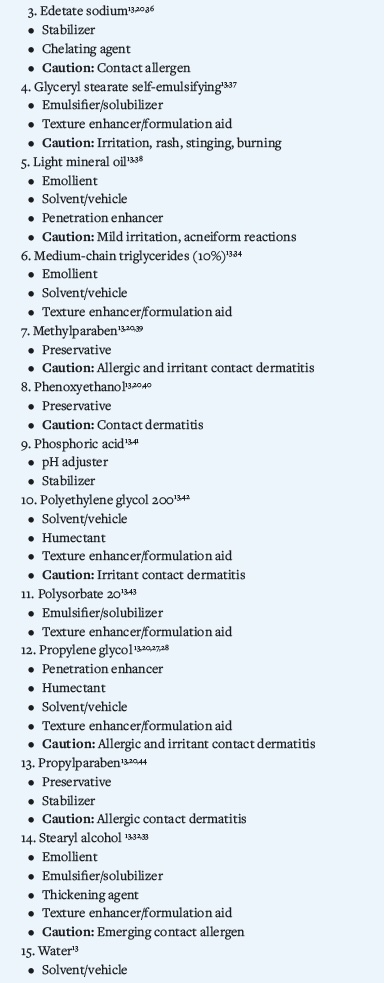
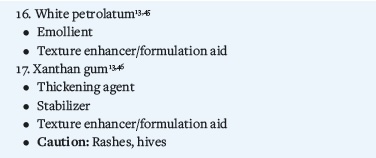
Ruxolitinib 1.5% cream is the first approved topical JAK 1/2 inhibitor, applied twice daily for short-term or intermittent chronic treatment of mild-to-moderate AD in nonimmunocompromised patients age 2 years and older who are refractory to or unable to use other topical therapies, for up to 20% body surface area. It is poorly water soluble (306.4 g/mol, 97% protein bound) and primarily metabolized by CYP3A4, necessitating a formulation that enhances skin penetration while minimizing systemic absorption. Ruxolitinib 1.5% cream has 17 excipients.12,13
Roflumilast 0.05%/0.15% Cream
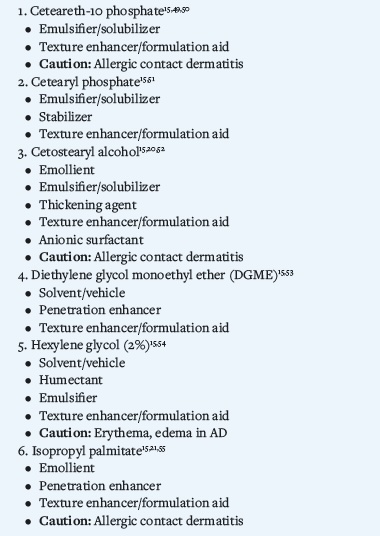
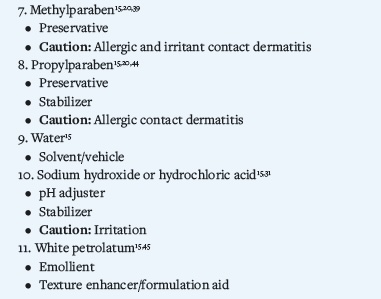
Roflumilast 0.05%/0.15% cream is a topical PDE4 inhibitor applied once daily for mild-to-moderate AD in patients age 6 years and older, with a 0.05% formulation available for ages 2 to 5 years. Roflumilast (403.2 g/mol) is poorly water-soluble, sparingly soluble in ethanol, freely soluble in acetone, and highly protein bound (99%). Its formulation includes emollients, occlusives, solvents, and penetration enhancers to improve hydration and barrier penetration while limiting systemic absorption. Crodafos CES, the emulsifi er utilized in roflumilast (a blend of ceteareth-10 phosphate, cetearyl phosphate, and cetostearyl alcohol), is a commercially available surfactant with a high Krafft temperature, preventing disruption of stratum corneum lipids.47,48 Crodafos CES creams require pH adjustment during formulation. Roflumilast 0.05%/0.15% cream has 11 excipients.15
Tapinarof 1% Cream
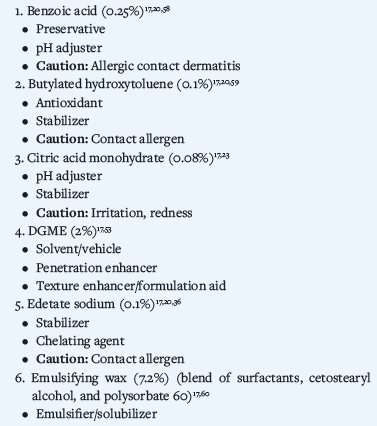
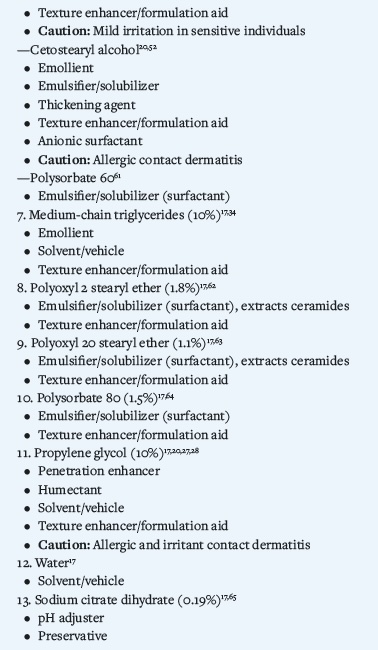
Tapinarof 1% cream is a topical AhR agonist that modulates gene transcription via AhR activation, leading to down regulation of inflammatory cytokines and up regulation of epidermal barrier related genes. It is applied once daily for AD in patients age 2 years and older. Tapinarof (254.32g/mol) is highly protein bound (~99%) and hepatically metabolized with limited aqueous solubility, necessitating solvents and penetration enhancers. Tapinarof was originally isolated from metabolites of Photorhabdus luminescens, a bioluminescent bacterium living symbiotically within the gut of insect-specific pathogenic nematodes.56 Product pH is approximately 5.2. Tapinarof 1% cream has 13 excipients.17,57
Delgocitinib 2% Cream
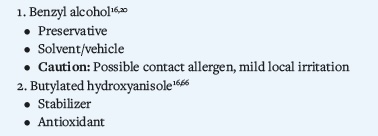
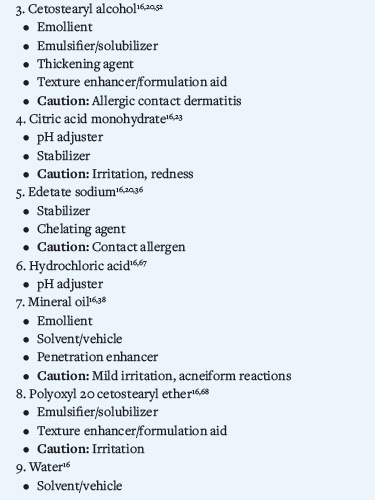
Delgocitinib 2% cream, the first FDA-approved topical JAK inhibitor for moderate-to-severe CHE, is a pan-JAK inhibitor applied twice daily in adults unresponsive to or unsuitable for topical corticosteroids, targeting the hands and wrists. Delgocitinib (310.35 g/mol) has low plasma protein binding (22%–29%), slight water solubility, minimal metabolism, and poor permeability, necessitating penetration enhancers, stabilizers, and texture enhancers. Delgocitinib 2% cream has 9 excipients.16
RISK OF SKIN-ASSOCIATED ADVERSE EVENTS AND TOLERABILITY
With skin-directed therapies, excipient ingredients may share some of the blame for any observed skin-associated side effects. These can affect patient tolerability, experience, confidence in the product and provider, and adherence and satisfaction with treatment regimens. Common adverse reactions include contact dermatitis, skin irritation, skin infections, and application site reactions.13-17
The acidic pH of the skin surface is essential for maintaining barrier function and antimicrobial defense. Although topical agents may alter the measured surface of the skin pH, this may not accurately reflect the true skin pH, and healthy skin can rapidly restore its baseline through an intrinsic buffering capacity.69
In eczematous skin, buffering capacity is reduced and pH shifts toward neutral or slightly basic levels, impairing antimicrobial and barrier functions.70 This environment promotes proliferation of Staphylococcus aureus, which thrives at a more neutral pH and can more readily proliferate in patients with AD,70 effects that may be exacerbated by the use of more basic topical formulations. Concurrently, surfactant-induced disruption of stratum corneum lipids is particularly relevant in AD, which is characterized by reduced barrier proteins, ceramides, and lipid repair enzymes (elongases), increasing susceptibility to irritation and transepidermal water loss.70
This underscores the need for a complete formulation to respect physiologic pH and minimize additives that compromise barrier integrity, as well as the potential for direct irritancy and allergenicity. It is challenging to discern to what extent treatment emergent cutaneous adverse events are attributable, at least in part, to excipient-related adverse effects in clinical practice.
CONCLUSION
Recent advancements in nonsteroidal topical therapies for AD and CHE highlight that both the active ingredient and excipients are critical for optimizing efficacy, safety, and patient adherence. Thoughtful selection of excipients can aim to protect against worsening disease elements and, in some instances, may be shown to enhance skin healing independent from efficacy of the active molecule. Ultimately, given the dynamic nature and phenotypic heterogeneity of AD and the wide range of lifestyle and personal preference factors that characterize our diverse patients, individual real-world experience will prove to be the most telling.
© 2026 HMP Global. All Rights Reserved.
Any views and opinions expressed are those of the author(s) and/or participants and do not necessarily reflect the views, policy, or position of the Dermatology Learning Network or HMP Global, their employees, and affiliates.
Dr Ross is a resident physician at Case Western Reserve University/ University Hospitals Cleveland Medical Center in Cleveland, OH. Dr Levit is a medical dermatologist and clinical trialist at Dermatology Physicians of Connecticut in Fairfi eld, CT. He is also an adjunct clinical instructor in the department of dermatology at the Yale School of Medicine and an adjunct assistant professor at the Frank H. Netter MD School of Medicine at Quinnipiac University.
Disclosure: Dr Levit has been a consultant or paid advisory board member for AbbVie, Arcutis, Galderma, Incyte Corporation, Leo Pharma, Lilly, Pfi zer, Regneron, and Sanofi ; received speaker honoraria from Arcutis, Galderma, Lilly, Pfi zer, Regeneron, and Sanofi ; and received research grants from Beiersdorf, Galderma, and Leo Pharma.
References
- Ference JD, Last AR. Choosing topical corticosteroids. Am Fam Physician. 2009;79(2):135-140.
- Choi J, Lee JJ, Lee H, et al. Analysis of total excipients of topical corticosteroids marketed in Korea. Contact Dermatitis. 2024;90(5):532-534. doi:10.1111/cod.14511
- Ashcroft DM, Dimmock P, Garside R, Stein K, Williams HC. Efficacy and tolerability of topical pimecrolimus and tacrolimus in the treatment of atopic dermatitis: meta-analysis of randomised controlled trials. BMJ. 2005;330(7490):516. doi:10.1136/bmj.38376.439653.D3
- Devasenapathy N, Chu A, Wong M, et al. Cancer risk with topical calcineurin inhibitors, pimecrolimus and tacrolimus, for atopic dermatitis: a systematic review and meta-analysis. Lancet Child Adolesc Health. 2023;7(1):13-25. doi:10.1016/S2352- 4642(22)00283-8
- Pfizer receives FDA approval for EUCRISA (crisaborole), a novel non-steroidal topical ointment for mild to moderate atopic dermatitis (eczema). Pfizer. Press release. December 14, 2016. Accessed June 29, 2026. https://www.pfi zer.com/news/press-release/press-release-detail/pfizer_receives_fda_approval_for_eucrisa_crisaborole_a_novel_non_steroidal_topical_ointment_for_mild_to_ moderate_atopic_dermatitis_eczema
- Del Rosso JQ, Kircik LH, Zeichner J, Stein Gold L. The clinical relevance and therapeutic benefit of established active ingredients incorporated into advanced foam vehicles: vehicle characteristics can influence and improve patient outcomes. J Drugs Dermatol. 2019;18(2s):s100-s107.
- Oakley A. Topical corticosteroid treatment for skin conditions. BPAC NZ Best Practice J. 2009;23.
- Opzelura (ruxolitinib) FDA approval history. Drugs.com. September 29, 2005. Accessed June 29, 2026. https://www.drugs.com/history/opzelura.html
- Vtama (tapinarof) FDA approval history. Drugs.com. December 17, 2024. Accessed June 29, 2026. https://www.drugs.com/history/vtama.html
- Anzupgo (delgocitinib) FDA approval history. Drugs.com. July 23, 2025. Accessed June 29, 2026. https://www.drugs.com/history/anzupgo.html
- Zoryve (roflumilast) FDA approval history. Drugs.com. October 7, 2025. Accessed June 29, 2026. https://www.drugs.com/history/zoryve.html
- Incyte announces additional FDA approval of Opzelura (ruxolitinib) cream in children ages 2–11 with atopic dermatitis. Incyte. Press release. September 18, 2025. Accessed June 29, 2026. https://investor.incyte.com/news-releases/news-release-details/incyte-announces-additional-fda-approval-opzelurar-ruxolitinib
- Opzelura package insert. US Food and Drug Administration. July 2022. Accessed July 1, 2026. https://www.accessdata.fda.gov/drugsatfda_docs/label/2022/215309s001lbl.pdf
- Elidel package insert. US Food and Drug Administration. March 2014. Accessed July 1, 2026. https://www.accessdata.fda.gov/drugsatfda_docs/label/2014/021302s018lbl.pdf
- Zoryve package insert. US Food and Drug Administration. July 2024. Accessed July 1, 2026. https://www.accessdata.fda.gov/drugsatfda_docs/label/2024/215985s007lbl.pdf
- Anzupgo package insert. US Food and Drug Administration. July 2025. Accessed July 1, 2026. https://www.accessdata.fda.gov/drugsatfda_docs/label/2025/219155s000lbl.pdf
- Vtama package insert. US Food and Drug Administration. May 2022. Accessed July 1, 2026. https://www.accessdata.fda.gov/drugsatfda_docs/label/2022/215272s000lbl.pdf
- Barnes TM, Mijaljica D, Townley JP, Spada F, Harrison IP. Vehicles for drug delivery and cosmetic moisturizers: review and comparison. Pharmaceutics. 2021;13(12):2012. doi:10.3390/pharmaceutics13122012
- Hirsch S, Kriwet K, Ledergerber D, et al. Cosmeceutical composition. Google Patents. January 9, 2008. Accessed June 29, 2026. https://patents.google.com/ patent/EP1874260A1/en
- Zemlok SK, Woodard E, Yu J. Contact allergens in topical therapies commonly used in eczema and seborrheic dermatitis: a reference guide for prescribing clinicians. J Am Acad Dermatol. 2026;94(2):608-611. doi:10.1016/j.jaad.2025.10.002
- Lazzarini S. Contact allergy to benzyl alcohol and isopropyl palmitate, ingredients of topical corticosteroid. Contact Dermatitis. 1982;8(5):349-350. doi:10.1111/j.1600-0536.1982.tb04253.x
- Cetyl alcohol. SpecialChem. January 12, 2026. Accessed June 29, 2026. https://www.specialchem.com/cosmetics/inci-ingredients/cetyl-alcohol
- Citric acid. MiYé. Accessed June 29, 2026. https://www.miye.care/en/pages/glossaire/citricacide
- Ali S, Tiwari A, Yeoh T, et al. Crystallization and rheology of mono- and diglycerides and their role in stabilization of emulsion droplets in model topical ointments. Langmuir. 2022;38(28):8502-8512. doi:10.1021/acs.langmuir.2c00202
- Andersen KE, Broesby-Olsen S. Allergic contact dermatitis from oleyl alcohol in Elidel cream. Contact Dermatitis. 2006;55(6):354-356. doi:10.1111/j.1600-0536.2006.00948.x
- Oleyl alcohol. SpecialChem. August 2, 2024. Accessed June 29, 2026. https://www. specialchem.com/cosmetics/inci-ingredients/oleyl-alcohol
- Mistry J, Notman R. Mechanisms of the drug penetration enhancer propylene glycol interacting with skin lipid membranes. J Phys Chem B. 2024;128(16):3885-3897. doi:10.1021/acs.jpcb.3c06784
- Schurr L. Contact allergy to propylene glycol. DermNet. January 2022. Accessed June 29, 2026. https://dermnetnz.org/topics/contact-allergy-to-propylene-glycol
- Sodium cetearyl sulfate. SpecialChem. April 25, 2023. Accessed June 30, 2026. https://www.specialchem.com/cosmetics/inci-ingredients/sodium-cetearyl-sulfate
- Hirsch S, Kriwet K, Ledergerber D, et al. Cosmeceutical composition. Google Patents. January 9, 2008. Accessed June 29, 2026. https://patents.google.com/patent/EP1874260A1/en
- Sodium hydroxide in skin care: everything you need to know. Clique Clinic. May 27, 2025. Accessed June 29, 2026. https://www.cliqueclinic.com/blog/sodium-hydroxide-in-skincare
- Stearyl alcohol. Cosmetics Info. Accessed June 29, 2026. https://www.cosmeticsinfo. org/ingredient/stearyl-alcohol
- Nishioka K, Koizumi A, Takita Y. Seven cases of contact dermatitis due to stearyl alcohol contained in topical medications. J Dermatol. 2022;49(5):515-518. doi:10.1111/1346-8138.16325
- Kollisolv MCT 70. Pharma Excipients. Accessed June 29, 2026. https://www. pharmaexcipients.com/product/kollisolv-mct-70
- Dimethicone 350. Ataman Chemicals. Accessed June 30, 2026. https://www. ataman-chemicals.com/products/dimethicone-350-1223.html
- Patel A. Everything you need to know about EDTA disodium salt: applications, safety & trends. Annexe Chem Pvt Ltd. September 17, 2024. Accessed June 29, 2026. https://annexechem.com/everything-you-need-to-know-about-edta-di-sodium-salt-applications-safety-trends
- All about glyceryl stearate SE. New Directions Aromatics. November 21, 2018. Accessed June 29, 2026. https://www.newdirectionsaromatics.com/blog/all-about-glyceryl-stearate-se
- Mineral oil light topical. Kaiser Permanente. October 2024. Accessed June 29, 2026. https://healthy.kaiserpermanente.org/health-wellness/drug-encyclopedia/drug. mineral-oil-light-topical.216568
- Gotter A. What you should know before using that product that contains methyl paraben. Healthline. October 30, 2024. Accessed June 29, 2026. https://www.healthline.com/health/methylparaben
- Pedroja C. Is phenoxyethanol in cosmetics safe? Healthline. November 27, 2018. Accessed June 29, 2026. https://www.healthline.com/health/phenoxyethanol
- Phosphoric acid. MultiChem. Accessed June 29, 2026. https://www.multichemindia. com/product-details/phosphoricacid
- Patel V, Gaurav V. Role of polyethylene glycol in dermatology. Indian Dermatol Online J. 2025;16(2):227. doi:10.4103/idoj.idoj_648_24
- Polysorbate 20. Lotioncrafter. Accessed June 29, 2026. https://lotioncrafter.com/ products/polysorbate-20
- Contact allergy to parabens. DermNet. March 2024. Accessed June 29, 2026. https://dermnetnz.org/topics/allergy-to-parabens
- Engelbert PR, Palma JK. Petroleum jelly: a novel medium for ocular ultrasound. J Emerg Med. 2015;49(2):172-174. doi:10.1016/j.jemermed.2015.03.003
- Tharpe C. Xanthan gum allergy: symptoms, diagnosis & relief. Curex. May 3, 2025. Accessed June 29, 2026. https://getcurex.com/allergens-and-symptoms/allergy-symptoms-immunotherapy-xanthan-gum
- Crodafos CES pharma. Croda Pharma. Accessed June 29, 2026. https://www.crodapharma.com/en-gb/product-fi nder/product/96-crodafos_1_ces_1_pharma
- Berk DR, Osborne DW. Krafft temperature of surfactants in vehicles for roflumilast and pimecrolimus cream and effects on skin tolerability. J Invest Dermatol. 2022;142(8 suppl):S101.
- Ceteareth-10: premium non-ionic emulsifier & solubilizer for multi-phase formulations. NIKOO Chemical. Accessed June 30, 2026. https://www.nikoochem.com/ceteareth-10-premium-non-ionic-emulsifier-solubilizer-for-multi-phase-formulations.html
- Franklin H. Ceteareth-10 phosphate: what is it, cosmetic uses, benefits & side effects. Glooshi. June 24, 2025. Accessed June 30, 2026. https://www.glooshi.com/ceteareth-10-phosphate
- Fiume MM, Bergfeld WF, Belsito DV, et al. Safety assessment of alkyl phosphates as used in cosmetics. Int J Toxicol. 2019;38(2 suppl):12S-32S. doi:10.1177/1091581819856582
- Cetostearyl alcohol. Contact Dermatitis Institute. Accessed July 1, 2026. https:// www.contactdermatitisinstitute.com/pdfs/allergens/Cetylstearylalcohol.pdf
- Transcutol P: for efficient drug solubilization and skin penetration. Gattefosse. Accessed July 1, 2026. https://www.pharmaexcipients.com/wp-content/uploads/2020/07/Brochure-Transcutol-P-for-efficient-skin-penetration.pdf
- Kinnunen T, Hannuksela M. Skin reactions to hexylene glycol. Contact Dermatitis. 1989;21(3):154-158. doi:10.1111/j.1600-0536.1989.tb04728.x
- Isopropyl palmitate. Multichem Exports. Accessed June 30, 2026. https://www. multichemexports.com/product-details/isopropyl-palmitate
- National Center for Biotechnology Information. PubChem compound summary for CID 6439522, tapinarof. Accessed June 30, 2026. https://pubchem.ncbi.nlm.nih.gov/compound/6439522
- Sonti SD, Thomas JR, Lenn J, et al. Topical pharmaceutical compositions. Google Patents. Accessed July 1, 2026. https://patents.google.com/patent/US10426743B2/en
- Benzoic acid. SpecialChem. September 18, 2023. Accessed June 30, 2026. https:// www.specialchem.com/cosmetics/inci-ingredients/benzoic-acid
- BHT. SpecialChem. Accessed June 30, 2026. https://www.specialchem.com/ cosmetics/product/makingcosmetics-bht-makingcosmetics
- Emulsifying wax safety data sheet. Chemistry Store. May 26, 2015. Accessed July 1, 2026. https://www.chemistrystore.com/SDS/Emulsifying%20Wax%20SDS.pdf
- Polysorbate-60. EWG’s Skin Deep. Accessed June 30, 2026. https://www.ewg.org/ skindeep/ingredients/705139-POLYSORBATE60
- Steareth-2. Cosmetics Ingredient Guide. Accessed June 30, 2026. https://ci.guide/ polymers/steareth-2
- Steareth-20. SpecialChem. February 27, 2023. Accessed June 30, 2026. https://www.specialchem.com/cosmetics/inci-ingredients/steareth-20
- Polysorbate 80. SpecialChem. July 17, 2023. Accessed June 30, 2026. https://www. specialchem.com/cosmetics/inci-ingredients/polysorbate-80
- Sodium citrate. SpecialChem. June 19, 2026. Accessed June 30, 2026. https://www. specialchem.com/cosmetics/inci-ingredients/sodium-citrate
- National Toxicology Program. Butylated hydroxyanisole. In: 15th Report on Carcinogens [Internet]. National Toxicology Program; 2021. Accessed June 30, 2026. https://www.ncbi.nlm.nih.gov/books/NBK590883
- Hydrochloric acid. American International Ingredients. Accessed June 30, 2026. https://www.americaninternationalingredients.com/ingredient-categories/acidulants/hydrochloric-acid
- Polyoxyl 20 cetostearyl ether. Ataman Chemicals. Accessed June 30, 2026. https:// www.atamanchemicals.com/polyoxyl-20-cetostearyl-ether_u30007/
- Sanjeevini M, Pa HP, Rakshitha L, et al. Skin can modulate the pH of topical creams and gels. AAPS PharmSciTech. 2025;26(5):166. doi:10.1208/s12249-025-03161-0
- Panther DJ, Jacob SE. The Importance of acidification in atopic eczema: an underexplored avenue for treatment. J Clin Med. 2015;4(5):970-978. doi:10.3390/jcm405097