FDA Approves Bemotrizinol: What Dermatologists Need to Know
On June 9, 2026, the US Food and Drug Administration (FDA) added bemotrizinol to the list of permitted active ingredients in over-the-counter (OTC) sunscreen products, marking the first addition of a new sunscreen active ingredient to the OTC monograph in more than 2 decades and expanding broad-spectrum UV protection options for consumers.
Bemotrizinol, which has been used in Europe and other countries for years, provides protection against both ultraviolet A (UVA) and ultraviolet B (UVB) rays. The FDA determined that the ingredient is generally recognized as safe and effective for use in sunscreen products by adults and children aged 6 months and older. According to the FDA, bemotrizinol demonstrates low levels of absorption through the skin into the body and meets the criteria for inclusion in the OTC sunscreen monograph.
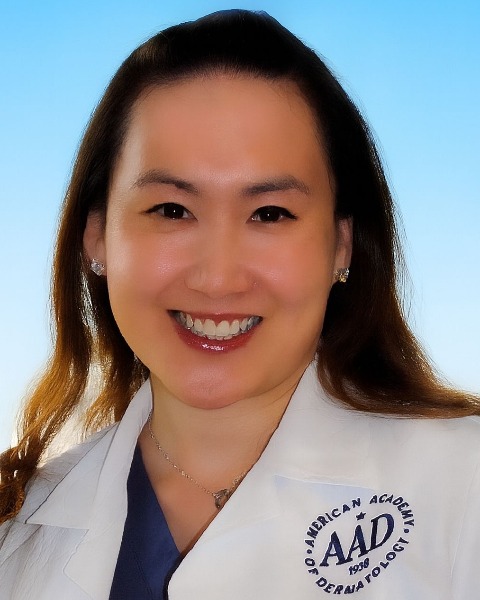
The Dermatologist spoke with Dr Jane Yoo about the FDA’s landmark approval of bemotrizinol. Dr Yoo discusses how this photostable, broad-spectrum UV filter may improve UVA protection, expand cosmetically elegant sunscreen options for diverse skin types, and benefit patients with melasma, photodamage, skin cancer risk, and photosensitive disorders. She also highlights the importance of broad-spectrum coverage beyond SPF and what this approval could mean for the future of sunscreen innovation in the United States.
The Dermatologist: The FDA has approved the first new sunscreen active ingredient in more than 20 years. How significant is this milestone for dermatologists and consumers?
Dr Yoo: This is historic! On June 9, 2026, the FDA added bemotrizinol to the list of permitted sunscreen active ingredients, making it the first new active ingredient added to the OTC sunscreen monograph since the late 1990s.1
The Dermatologist: What is bemotrizinol, and why have dermatologists and photobiology experts been advocating for access to this filter in the United States?
Dr Yoo: Bemotrizinol, also known as bis-ethylhexyloxyphenol methoxyphenyl triazine, BEMT, Parsol Shield, or Tinosorb S, is a next-generation broad-spectrum UV filter. It is photostable and holds up extremely well in sunlight unlike avobenzone, which is commonly used in US sunscreens for UVA protection and needs to be paired with stabilizing ingredients.
Bemotrizinol was engineered in the late 1990s through a very intentional design process where chemists created a large, highly stable molecule that remains on the skin’s surface while blocking both UVA and UVB radiation. Because of its large molecule size, there is minimal skin penetration. Additionally, it rarely causes skin irritation, which is an important consideration for patients with sensitive skin. The FDA considers bemotrizinol to be generally recognized as safe and effective for use in sunscreens by adults and children 6 months of age and older.
The Dermatologist: How does bemotrizinol compare with the UV filters currently available in US sunscreens, particularly when it comes to UVA protection?
Dr Yoo: It has absorption peaks at 310 nm for UVB and 340 nm for UVA, providing more comprehensive protection than many filters currently available in US sunscreens. Zinc oxide provides broad-spectrum coverage but often requires higher concentrations to achieve meaningful UVA1 protection and it also contributes to the white cast problem. Bemotrizinol, on the other hand, provides robust, photostable UVA1 coverage, works well in formulations with other filters, and goes on clear, not white.
The Dermatologist: Patients often focus on SPF alone. What should clinicians be teaching patients about UVA vs UVB protection, and why does broad-spectrum coverage matter?
Dr Yoo: SPF measures only UVB protection, the rays responsible for sunburn and a significant portion of skin cancer risk. UVA, which makes up roughly 95% of UV radiation reaching the earth's surface, penetrates more deeply and drives photoaging, which encompasses collagen degradation, hyperpigmentation, and dermal changes that patients come to me for. UVA also contributes to melanoma risk and immunosuppression. The approval of bemotrizinol will allow for more UVA1 coverage than most current US products deliver.
The Dermatologist: Will this approval change the way you recommend sunscreens to patients, or does it primarily expand the range of effective options available?
Dr Yoo: Yes, absolutely. I often direct patients, particularly those with melasma, photodamage concerns, or skin of color, to Korean, Japanese, and European sunscreens because they have superior filter technology. With products containing bemotrizinol on the shelves, there will be an expansion of the range of cosmetically elegant options across different skin types.
The Dermatologist: Are there specific patient populations, such as those with a history of skin cancer, melasma, or significant photodamage, that may particularly benefit from sunscreens containing bemotrizinol?
Dr Yoo: Yes, several groups stand to benefit from the approval of bemotrizinol. Patients with melasma are 1 group since we know that UVA1, visible light, and infrared all trigger melasma, and the deeper UVA1 coverage that bemotrizinol provides is significant. Patients with a history of skin cancer who need rigorous daily photoprotection will also benefit from formulations that close the UVA coverage gap. In addition to these 2 groups, patients who are immunocompromised, such organ transplant recipients taking immunosuppressants, are another group that needs to be diligent about photoprotection given their elevated skin cancer risk. Finally, patients with photodermatoses, including polymorphous light eruption and lupus-related photosensitivity, need the broadest possible spectrum coverage.
Beyond these groups, I am also thinking about patients with darker skin tones who have historically underused sunscreen partly because current options have not worked well cosmetically on their skin. Better-formulated products enabled by bemotrizinol could improve adherence in a population that already carries a disproportionate burden of underdiagnosis and late-stage skin cancer.
The Dermatologist: As patients head into the summer months, what are the top 3 things they should look for when choosing a sunscreen, regardless of the active ingredients?
Dr Yoo: I would go with the American Academy of Dermatology recommendations:2
- SPF 30 or higher
- Broad-spectrum protection
- Water resistant (40 or 80 minutes)
The Dermatologist: Do you see this approval as the beginning of a new era for sunscreen innovation in the United States, and what developments would you like to see next?
Dr Yoo: The bemotrizinol approval is a definite start. What I would like to see next is the approval of additional filters that expand our visible light and high energy visible light protection options, since that is the next frontier in photoprotection science. I would also like to see the FDA lean into the broader reforms with the SAFE Sunscreen Standards Act to a more efficient, scientifically grounded review process that does not create a 20-year lag between global evidence and US availability.
References
1. FDA expands sunscreen options for the first time in 20 years. US Food and Drug Administration. News release. June 9, 2026. Accessed June 11, 2026. https://www.fda.gov/news-events/press-announcements/fda-expands-sunscreen-options-first-time-20-years
2. How to select a sunscreen. American Academy of Dermatology. Accessed June 11, 2026. https://www.aad.org/public/everyday-care/sun-protection/shade-clothing-sunscreen/how-to-select-sunscreen