A Conversation With Emily Ruiz, MD, MPH
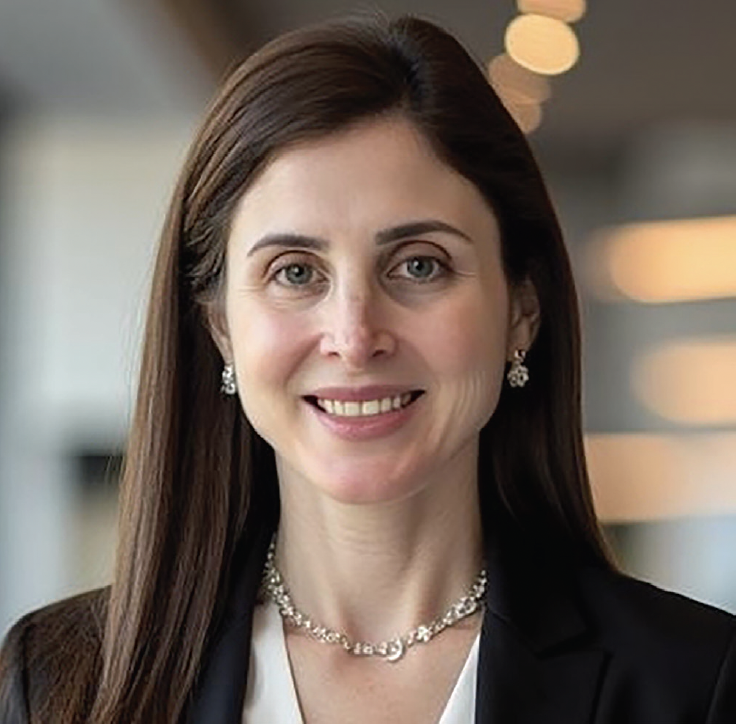
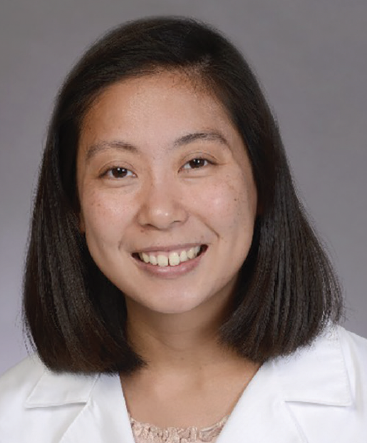
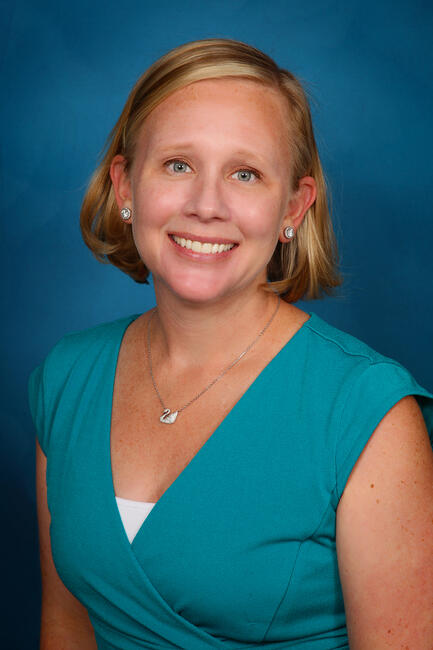
Emily Ruiz, MD, MPH, is an associate professor in dermatology at Harvard Medical School, program director of the micrographic surgery and dermatologic oncology fellowship at Brigham and Women’s Hospital, and director of the high-risk skin cancer clinic at Dana-Farber/Brigham and Women’s Hospital. Dr Ruiz received her undergraduate degree from Duke University, her medical degree from New York University School of Medicine, and her Master of Public Health degree from Harvard School of Public Health. She completed an internship in internal medicine at New York University School of Medicine, a dermatology residency at Albert Einstein College of Medicine, and a fellowship in micrographic surgery and dermatologic oncology at Brigham and Women’s Hospital. Dr Ruiz is an expert in the management of early and advanced nonmelanoma skin cancer. She has authored more than 100 publications in the field and serves as the principal investigator for several clinical trials for novel therapeutics. Her clinical research focuses on cutaneous squamous cell carcinoma (cSCC) prognostication and management.
Q. What part of your work gives you the most pleasure?
A. I am fortunate to wear many hats in my work. Some days I perform Mohs surgery; on others, I help manage advanced nonmelanoma skin cancers. Beyond clinical care, I spend about half of my week on research, a portion on administrative responsibilities for the micrographic surgery and dermatologic oncology fellowship at Brigham and Women’s Hospital, and about once a month traveling to conferences. Each of these roles brings me joy, and the variety keeps me grounded. Because I move between different aspects of my work, I tend to remember the highlights rather than the challenges. I am also lucky to collaborate with talented clinicians from various specialties. Working together creatively to find the best treatment for each patient is deeply rewarding and the part I reflect on most often.
Q. Which patient has had the most effect on your work?
A. During my final year of fellowship, I met a patient with the most extreme form of field cancerization. Over the 10 years that I cared for him, he developed multiple high-stage SCCs and melanomas. What was most challenging, however, was the sheer number of invasive SCCs that covered his entire body. He had undergone countless surgeries and medical treatments, leaving him profoundly disfigured. Yet, he maintained an unwaveringly positive attitude and focused on preserving his quality of life, most notably by continuing to play golf as often as possible.
This past year he developed persistent endocarditis due to skin breakdown from the cancers and ultimately required major cardiac surgery. The night before his surgery, he told me, “If I don’t make it to the other side, it has been nice knowing you.” I replied, “I’ll see you on the other side.” That was the last time we spoke.
I think of him often. I learned a great deal from him about resilience, grace, and the limits of medicine. Most of all, he reminded me that medicine is profoundly humbling, and that even when we believe we are performing at our highest level, we must continue to push ourselves to do more and to be better.
Q. What do you consider your greatest achievement?
A. I hope my “greatest” accomplishment is still ahead of me. That said, I am proud of several milestones: developing a prognostic model for cSCC (known as riSCC), contributing to multiple pivotal clinical trials, building a multidisciplinary collaborative group at my institution, and mentoring individuals at various stages of their careers. The field of cSCC continues to evolve, and I aspire for my future work to drive meaningful advances in how we care for patients with skin cancer. This goal keeps me focused and motivated to continue conducting impactful clinical research.
Q. What has been your greatest disappointment?
A. I continue to work on finding a better balance between my professional and personal life. Ideally, I would be able to fully disconnect from work when I am with my family, and from home life when I am at work, but I have not mastered that yet. When I travel for conferences, I still find myself setting alarms to order dinner for my kids, and when I am home, I sometimes get distracted by a complex case or an urgent email. I am making progress by limiting evening work calls, minimizing weekend emails, and arranging for more help at home, but balance remains a work in progress.
Q. Who was your hero/mentor and why?
A. I would be a very different doctor and person without the mentorship of Chrys Schmults. I completed my Mohs fellowship under her guidance, and she continues to influence my professional and personal growth. Chrys has had an extraordinary career: She built a robust cutaneous oncology program, developed a staging system for cSCC when few others were studying it, and led pivotal clinical trials—all while maintaining a wonderful family life and raising 2 impressive daughters. What sets Chrys apart is her constant pursuit of self-improvement. She regularly reflects on clinical situations, not to dwell on mistakes, but to identify how she could do even better next time. Training and working alongside her has inspired me to strive for excellence both at work and at home.