Pivotal Structural and Coronary Trials Driving Practice Change in 2025
 In their Friday morning presentation at the 2026 Society for Cardiovascular Angiography & Interventions (SCAI) Scientific Sessions, Samer Mansour, MD (University of Montreal) and Andrew Czarnecki, MD, MSc (Sunnybrook Health Sciences Centre) highlighted the most influential trial data across coronary and structural heart disease from 2025. Their conclusions reflected a clear theme: the data serve to revalidate and refine—rather than reinvent—interventional cardiology (IC) practice through better patient selection, procedural optimization, and long-term outcome data.
Coronary Trials
The coronary intervention trials, presented by Dr Mansour, largely validate current strategies while sharpening how and when to apply them.
Percutaneous Coronary Intervention (PCI): STEMI, OPTION, PROCTOR, ORBITA-2
The talk began on the topic of PCI, starting with STEMI-PCI and the OPTION-STEMI trial. Results of this 994-patient study did not demonstrate the noninferiority of an immediate complete revascularization to a staged approach in patients with STEMI and multivessel disease in regard to the primary endpoint (all-cause death, myocardial infarction [MI], or unplanned revascularization) at 1-year, reinforcing staged PCI as the default strategy during the index case.
Next up was CTO-PCI, specifically the PROCTOR Trial, which looked at patients with significant saphenous vein graft stenosis who had previously undergone coronary artery bypass grafting (CABG). One-year results showed lower MACE with SVG PCI vs native vessel PCI, suggesting SVG intervention may be preferable in these cases.
Also mentioned was the ORBITA-2 trial, the “first blinded, placebo-controlled trial designed specifically to isolate the symptomatic benefit of CTO PCI.”1 Following the 2017 ORBITA study, ORBITA-2 demonstrated that CTO PCI improves angina, supporting a symptom-driven approach.
Imaging: OPTIMAL, IVUS-CHIP, DKCRUSH VIII
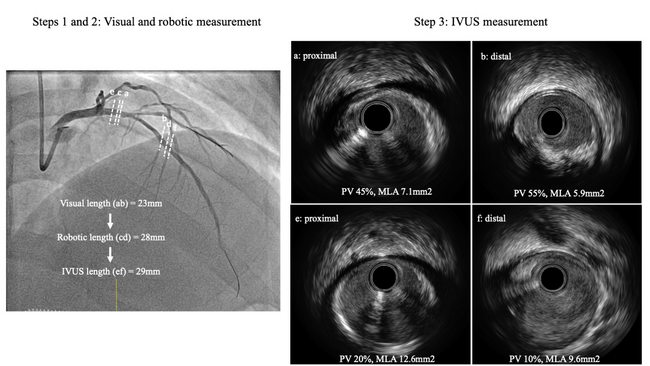
Trials such as OPTIMAL (left main) and IVUS-CHIP (complex PCI) showed no clear reduction in major events with IVUS-guided PCI, challenging universal routine adoption; primary endpoints were a composite of any stroke, MI, or revascularization, or all-cause death; and target-vessel failure, respectively.
DKCRUSH VIII compared the outcomes of PCI guided by IVUS vs angiography in patients with complex bifurcation lesions. While results favored IVUS, this was largely due to operators’ application of the data, rather than the use of the system itself. Importantly, the authors caution that the findings should not be extrapolated beyond the lesion type and crush technique described in the study.
Coronary Physiology: FAME-3
Long-term follow-up from FAME-3 continues to inform the role of fractional flow reserve (FFR)-guided PCI in patients with multivessel coronary artery disease, with the final report published in early 2025. While death and stroke remained comparable between PCI and CABG in these patients, MI and repeat revascularization were higher at 5 years with PCI; however, the composite endpoint was not significantly different between the 2 groups. Though noninferiority was not shown for FFR-guided PCI, investigators hope that the information provided by the trial will help guide decision making.
Calcium Modification: “No One Size Fits All”
Recent trials highlight that multiple calcium modification strategies achieve similar clinical and procedural outcomes when appropriately selected.
The ECLIPSE trial (orbital atherectomy vs conventional balloon angioplasty) and ROLLER COASTR-EPIC 22 (RA vs IVL vs ELCA) showed no clear difference in outcomes. Likewise, VICTORY demonstrated noninferiority of OPN high-pressure balloons to IVL, and ShortCUT showed cutting balloons noninferior to IVL for stent expansion.
The overall conclusions are that no single device is superior; rather, success depends on lesion-specific selection and technique.
Drug-Coated Balloons: DCB-BIF
The final subject was the use of drug-coated balloons (DCB), which Dr Mansour noted is “gaining more and more interest.” The DCB-BIF trial showed lower MACE with DCB vs non-compliant balloons when treating compromised side branches, supporting routine DCB consideration in bifurcation strategies.
Structural Trials
Structural heart interventions are entering a transformational phase, with the “landmark” trials presented by Dr Czarnecki demonstrating expanding indications and improving safety profiles.
Mitral Valve: ENCIRCLE
The ENCIRCLE trial positions transcatheter mitral valve replacement as promising alternative for patients ineligible for surgery or transcatheter-edge-to-edge repair. Among 299 older patients, the SAPIEN M3 system showed high procedural safety (0% intraprocedural death, embolization, left ventricular outflow tract obstruction) and more than 95% of patients were reduced to mild mitral regurgitation at 30 days and 1 year. In addition, the device demonstrated broad applicability, with only 35% of patients excluded.
Tricuspid Valve: TRISCEND II
In TRISCEND II, the EVOQUE system combined with optimal medical therapy (OMT) significantly improved 1-year outcomes compared with OMT alone for the treatment of tricuspid regurgitation. While clear advantages were seen in terms of mortality, heart failure hospitalization, and quality of life, almost a quarter of the patients who received the EVOQUE also needed a new pacemaker within 30 days, highlighting a trend that will need to be further evaluated.
Aortic Valve: PARTNER-3, Evolut, ALIGN-AR
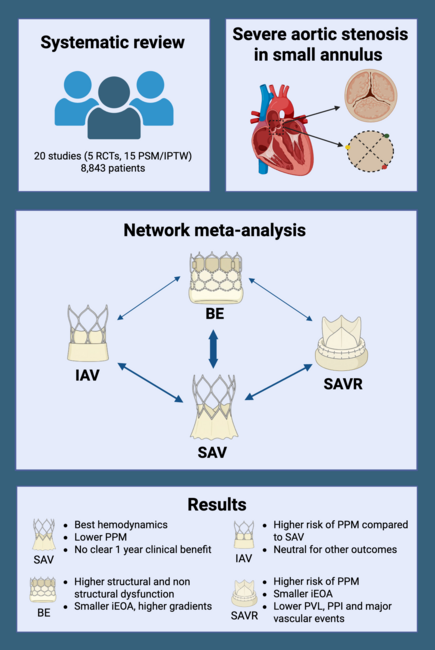
For transcatheter aortic valve replacement (TAVR), Dr Czarnecki began with the PARTNER-3 (SAPIEN-3) and Evolut Low Risk (Evolut) trials, both of which compared TAVR to surgical replacement (SAVR) for low-surgical-risk patients. In PARTNER-3, 1000 patients with severe aortic stenosis were randomized to TAVR or SAVR, with TAVR showing a significantly lower rate of the composite primary endpoint of death, stroke, or rehospitalization at 1 year.
Evolut showed no difference in death or disabling stroke at 6 years between TAVR and SAVR; however, 6- and 7-year reintervention rates were higher in the group who received TAVR—primarily due to aortic regurgitation. Also, as with EVOQUE, higher pacemaker rates (~29% vs 13%) were seen in the TAVR arm.
The ALIGN-AR trial marks a major advance, introducing a dedicated TAVR solution for native aortic regurgitation. JenaValve’s Trilogy THV showed encouraging early clinical outcomes and strong technical success, though conduction disturbances persist—the “Achilles heel” of these technologies.
Key Takeaways
Across both coronary and structural domains, several unifying themes emerge:
- No “one-size-fits-all” approach: Patient selection and anatomy drive decisions
- Technique matters more than tools: Imaging and devices are only as effective as their application
- Durability is now central: Long-term outcomes are shaping therapy choices
- Percutaneous therapies are expanding rapidly: Especially in structural heart disease
- Tradeoffs remain critical: e.g., pacemakers in TAVR/TTVR, repeat revascularization in PCI
© 2026 HMP Global. All Rights Reserved.
Any views and opinions expressed are those of the author(s) and/or participants and do not necessarily reflect the views, policy, or position of the Journal of Invasive Cardiology or HMP Global, their employees, and affiliates.