Beyond “Feeling Better”: Expert Approaches to MDD Management
A patient with major depressive disorder (MDD) says they feel better—but have they reached remission?
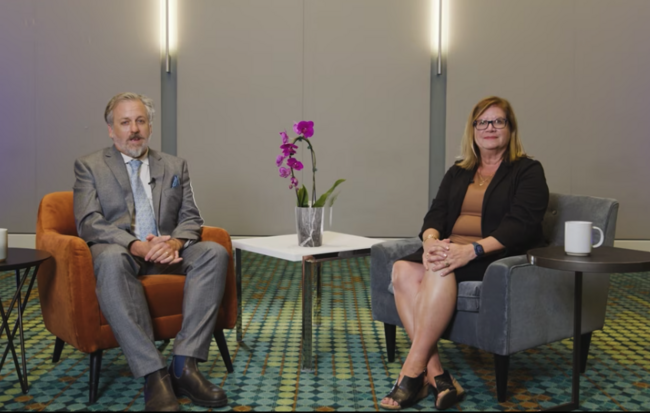
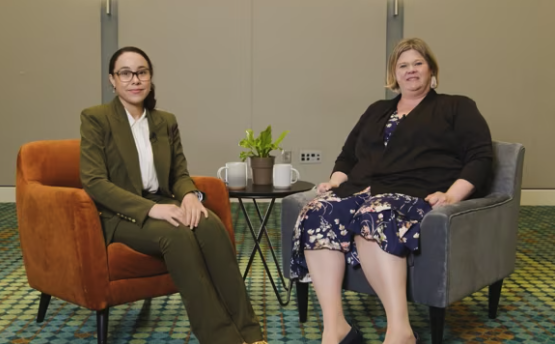
In this expert Q&A moderated by Saundra Jain, PsyD, MA, MPC, Psych Congress Steering Committee Member, leading psychiatry clinicians explore how residual symptoms such as anhedonia, anxiety, and suicidality can inform treatment decisions and why clinicians should look beyond a simple assessment of response. The expert panel is comprised of several faculty members on the Psych Congress Steering Committee, including Brittany Albright, MD, MPH, DABOM, Brooke Kempf, PMHNP-BC, and Kevin Williams, MS, MPAS, PA-C.
The conversation covers key topics, including considerations when deciding whether to switch or augment treatment, distinguishing emotional blunting from anhedonia, assessing suicide risk at every visit, and individualizing care for older adults. The faculty also share practical approaches to uncovering symptoms patients may not readily volunteer and determining whether treatment is moving them toward their personal baseline.
Key Takeaways for Clinical Practice
- MDD management should assess residual anhedonia, anxiety, and suicidality rather than relying solely on whether a patient reports improvement. Faculty emphasized assessing suicide risk at every visit and using patients’ usual interests and activities to gauge progress toward remission.
- Switching versus augmentation should be individualized through shared decision-making. Emotional blunting, sexual adverse effects, weight gain, and cognitive effects may influence whether clinicians consider changing the existing antidepressant rather than adding therapy.
- Older adults with depression and anxiety require individualized risk-benefit assessment. A “low and slow” approach is recommended, alonside more frequent follow-up, attention to falls and somnolence, and care-partner communication when appropriate.
Brittany Albright MD, MPH, is a Harvard-trained, triple board-certified psychiatrist with clinical expertise in interventional psychiatry, addiction psychiatry, and obesity medicine. She completed her adult psychiatry residency at the nation’s top ranked program, Massachusetts General Hospital and McLean Hospital and a fellowship in addiction psychiatry at the Medical University of South Carolina, where she serves as an Affiliate Assistant Professor in the Department of Psychiatry & Behavioral Sciences. Dr. Albright is the Founder and CEO of Sweetgrass Psychiatry, South Carolina’s largest physician-owned psychiatry practice with three locations.
Her research and academic work include numerous abstracts presented at national meetings and peer-reviewed manuscripts focused on innovative treatments and psychiatric education. A national speaker and consultant, she serves as President Elect of the South Carolina Psychiatric Association and holds multiple leadership roles with Psych Congress, including co-chair of Psych Congress Elevate and originator of the Private Practice Summit.
She firmly believes in collaborative, comprehensive treatment and the restoration of wellness in her patients and practices psychotherapy with expertise in mentalization-based therapy and psychodynamic therapy. She also holds certifications in psychedelic assisted psychotherapy and transcranial magnetic stimulation.
Saundra Jain, MA, PsyD, LPC, is an adjunct clinical affiliate in the School of Nursing at The University of Texas at Austin and a psychotherapist in private practice. Dr Jain is a co-creator of WILD 5 – A Proven Path to Wellness and co-author of The Science and Practice of Wellness: Interventions for Happiness, Enthusiasm, Resilience, and Optimism (HERO). She is the co-creator of the Psychedelics and Wellness Survey (PAWS), exploring the intersection between psychedelics and wellness. She is the co-host of the newly launched podcast Happy Human 3.0, which explores how modern humans can move beyond merely surviving 21st-century stressors and begin to flourish by integrating neuroscience, positive psychiatry, and compassionate, human-centered care.
In addition, Dr. Jain serves on the Psych Congress Steering Committee, helping guide educational priorities and identify emerging needs in mental health practice. She also teaches with Fluence Training, a leading provider of psychedelic education for mental health professionals, where she serves as faculty in their certification programs in Psychedelic Harm Reduction and Integration (PHRI) and Ketamine-Assisted Psychotherapy (KAP).
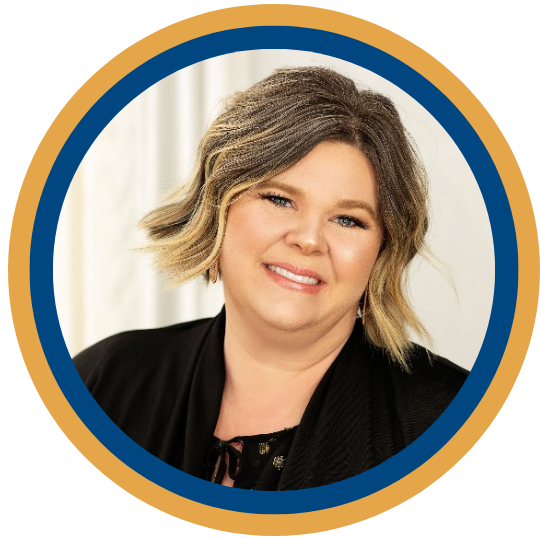
Brooke Kempf, PMHNP-BC, is a nationally recognized psychiatric-mental health nurse practitioner and educator with nearly 3 decades of experience providing direct patient care and advancing evidence-based mental health services. She began her career at Hamilton Center in Terre Haute, Indiana, where she worked as a psychiatric nurse across multiple areas of the community mental health center. Her leadership earned her the Hamilton Award for Outstanding Staff Member and helped shape an outpatient care model now used across several sites.
Brooke earned her Master of Science in Nursing from Stony Brook University and is board-certified as a psychiatric-mental health nurse practitioner through the American Nurses Credentialing Center. Her advanced certification expanded her clinical role to include medication management and psychiatric care as an outpatient provider, inpatient hospitalist, and Chief Nursing Officer. She also played a key role in integrating psychiatric services into Wabash Valley Health Center, expanding access to care for underserved communities.
In addition to her clinical and administrative leadership, Brooke serves as adjunct faculty in the PMHNP program at Indiana University Indianapolis, where she has taught neuro-psychopharmacology and serves as a clinical instructor. She has contributed to program development at George Washington University and received the DAISY Award for Extraordinary Nursing Faculty. Nationally, she serves on pharmaceutical advisory boards, the Psych Congress Steering Committee, and volunteers with the American Foundation for Suicide Prevention.
Kevin N. Williams MS, MPAS, PA-C, is the CEO and Lead Clinician at OnPoint Behavioral Health. He is a Physician Associate that specializes in psychiatry and has a mission to provide care that is experienced, holistic, and compassionate. He holds 2 master’s degrees in interdisciplinary medical sciences and physician assistant studies from the University of South Florida and South University respectively. He has gained experience treating children, adolescents, and adults for the past 11 years in the areas of inpatient, outpatient, and long-term care. Kevin has 10 years of experience teaching as an Adjunct Professor at several institutions around the country. Kevin also has over 10 years in executive leadership experience and maintains a passion of educating others to lead with effective influence.
© 2026 HMP Global. All Rights Reserved.
Any views and opinions expressed above are those of the author(s) and do not necessarily reflect the views, policy, or position of the Psych Congress Network or HMP Global, their employees, and affiliates.