Injectables for the Male Face: Neuromodulator Dosing and Filler Techniques
Clinical Summary
Male Injectables: Anatomical Considerations for Neuromodulators and Fillers
-
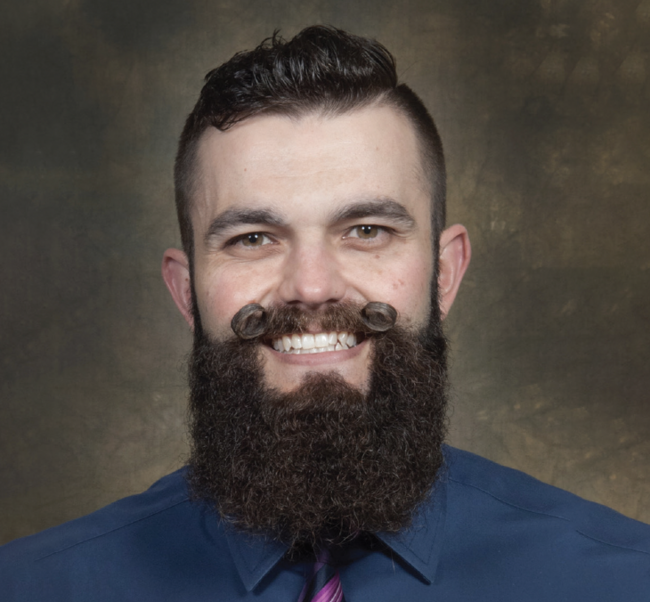
Male facial anatomy and injectables: Men typically have greater muscle mass, particularly in the glabella and frontalis, often requiring higher neuromodulator doses. Larger skull dimensions and greater jaw prominence should be considered when planning filler treatments.
-
Neuromodulators and filler placement: Injection patterns can be adjusted to maintain a flatter, more masculine brow rather than creating an arched appearance. Hyaluronic acid fillers and biostimulatory fillers may be placed to preserve a flatter cheek contour and avoid excessive zygomatic projection.
-
Clinical approach: Avoid “cookie-cutter” treatment plans. Optimal outcomes require individualized assessment of male anatomy, customized dosing, appropriate product volumes, and treatment strategies that align with each patient’s desired aesthetic while preserving masculine features.
Reviewed by Jessica Garlewicz, Managing Digital Editor of Immunology Group
Dr Ardalan Minokadeh discusses how injectable treatments should be tailored to male facial anatomy, including differences in muscle mass, brow shape, jaw structure, and midface contours. Learn how to optimize neuromodulator dosing and filler placement to maintain masculine features, avoid common treatment mistakes, and achieve natural-looking aesthetic outcomes.
Transcript
Hi, I'm Dr Ardalan Minokadeh, a board-certified, cosmetic fellowship-trained dermatologist practicing in Los Angeles at Skin Care & Laser Physicians of Beverly Hills.
What are the key anatomical and aesthetic differences that should guide injectable treatments in male patients?
Dr Minokadeh: The key anatomic differences that should guide injectable treatments in men are primarily for neuromodulators or neurotoxins that men tend to have higher muscle mass. So for example, when we're injecting the glabella or frontalis, we really need to appreciate that men, relative to women, have a higher muscle mass. So that imparts higher dosage requirements. So that's something that I think is really important for us to consider.
Also, in terms of injectables like fillers or dermal re-volumizing agents, we really want to respect male anatomy. So the skull tends to be a little bigger, more prominence of the jaw. And these are areas that we want to focus on to get the ideal male aesthetic outcome.
How should clinicians adjust neuromodulator dosing and filler placement to maintain masculine features while achieving natural results?
Dr Minokadeh: So, to adjust dosage of neuromodulators, it's usually, primarily, dosing, meaning increased doses, especially for the glabella in men. And also with neuromodulators, many of us who inject, know that we can shape the face and we can actually shape the brow. So, one thing I've seen is that often men would be treated sort of like a cookie-cutter type fashion. When men are getting arched brows when they may not want that as a desirable result. So there are different ways that we can modify our injection patterns to get a more optimal male aesthetic and keep the brows flat.
Separately, in terms of fillers, there are different ways that we can inject and place those dermal fillers, whether they're hyaluronic acid fillers or biostimulatory fillers, to really maintain a more flat cheek and not make a more prominent zygomatic cheek. And really volumize the midface in a way that keeps that male aesthetic.
What common mistakes do you see when treating male patients with injectables, and how can they be avoided?
Dr Minokadeh: I think a common mistake is, like I mentioned, the idea of having a template or cookie cutter treatment for all patients, men or women. So we really need to have the person who's injecting, the clinician, really understand male anatomy, differences in men versus women, and again all treatments would be customized and tailored to the patient. But just respecting if someone wants to maintain their brow position, to make sure that we're treating the patient in that way that maintains the brow and doesn't make the peak or adjust. But if a man has a deep low-set brow, we can adjust neuromodulators and add fillers to adjust the brow. So we truly are able to customize and use the tools that are available to us to get the best patient outcome. Just one last question.
What are some key clinical takeaways regarding the evidence-based approach to neuromodulators and fillers to the male face?
Dr Minokadeh: Key clinical takeaways are to get an optimal outcome, we need to really understand our canvas, if you will, which is the patient, and really formulate our treatment plan using the tools available to us and really make sure we're dosing appropriately and using the right volumes of our products. Because if we don't use enough, we may not get that best outcome.