The 3 Rapidly Changing Fields Transforming Psychiatry
SAN FRANCISCO—Rapid advancements in 3 areas are intersecting and setting the stage for a revolution in mental health care, former National Institute of Mental Health director Thomas R. Insel, MD, said at Elevate by Psych Congress 2017.
The fields of genomics, neuroscience, and technology have been transformed over the last decade, driving new understanding of psychiatric disorders and providing opportunity for innovative new treatments, said Dr. Insel, Director, Clinical Neuroscience, Verily Life Sciences LLC (formerly Google Life Sciences), Mountain View, California.
“If you go back over the last decade, I don’t think it’s hyperbole to say we’re going through a revolution in each of those,” Dr. Insel said.
Mobile Apps in Clinical Practice: Powerful Tools, With Pitfalls
In genomics, sequencing technology has become much cheaper, better, and faster, he said. Genetic research was transformed after scientists began to work together to establish collective data sets and make discoveries about specific conditions.
The neuroscience field has also advanced with the help of crowdsourcing in projects such as the Human Connectome. Discoveries have given scientists new insights into brain circuits and plasticity, and how different treatment modalities change the brain.
While most recent genetic and neuroscientific findings are not clinically actionable, Dr. Insel said technology and information science advancements may not be far from directly driving meaningful improvements in mental health.
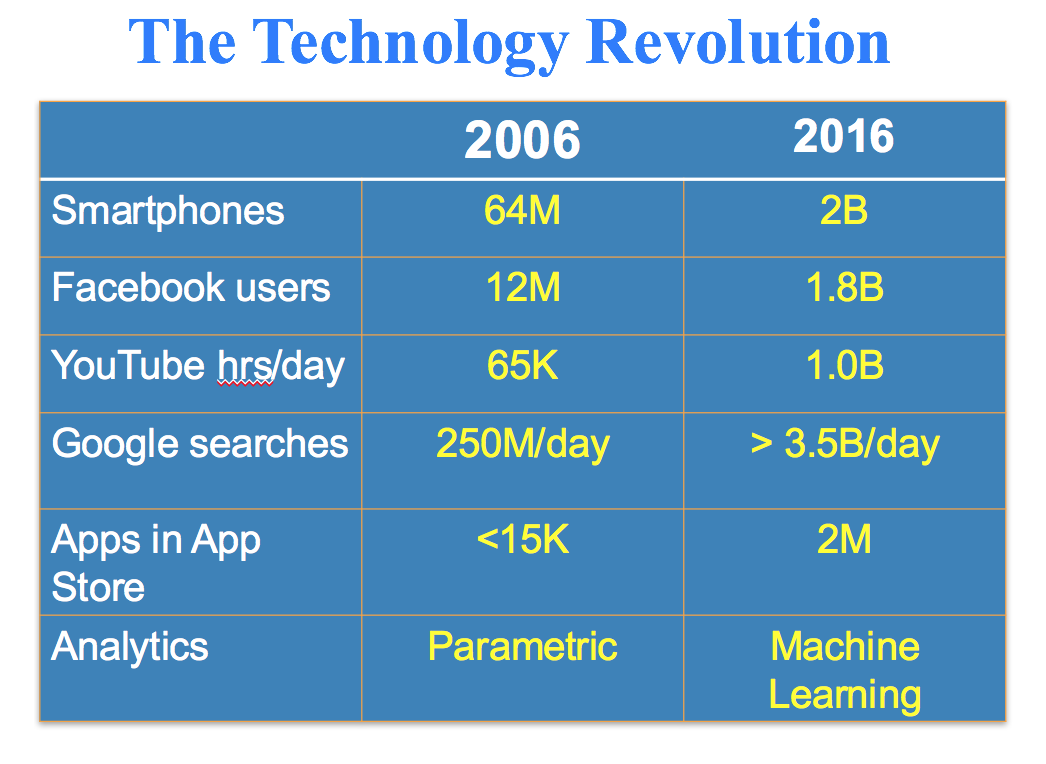
One of the most interesting developments, Dr. Insel said, is that technological tools such as mobile apps and devices can now provide clinicians with a look at how their patients are doing over time, rather than just at the time of a visit.
“You can for the first time get a much deeper and continuous sense of someone’s behavioral state and their cognitive state, because you can build into your phone all kinds of measures,” he said. “There’s a huge amount that we can get just from what you’ve already got in your pocket. It’s free, it’s continuous, it’s passive, and it’s objective. How cool is that?”
Mental Health and Wellness Apps
Mobile phones can be helpful in crisis intervention, Dr. Insel said, pointing to the Crisis Text Line, which has received 31 million messages since 2013. They may also help reach people who don’t seek traditional mental health treatment, particularly young people.
To begin to take advantage of the technological revolution, Dr. Insel urged clinicians to sign up for some free tools, and find out from patients what they like using.
“Anyone of us can become a listener or can get online and just start to play with this see what it feels like, see if it’s working,” he said.
—Terri Airov
Reference
“Psychiatry in 2030: An Exclusive Look at the Future of Mental Healthcare.” Presented at Elevate by Psych Congress 2017; March 5, 2017; San Francisco, CA.