2.2 TAVR for Aortic Insufficiency: ALIGNed for the Future but Are We Ready for ARTIST?
Problem Presenter: George Hanzel
Problem Presenter: George Hanzel
These proceedings summarize the educational activity of the 18th Biennial Meeting of the International Andreas Gruentzig Society held January 27 to 30, 2026, in Puerto Ayora, Santa Cruz, Ecuador.
Faculty Disclosures Sponsors
2026 IAGS Summary Document
Statement of problem or issue
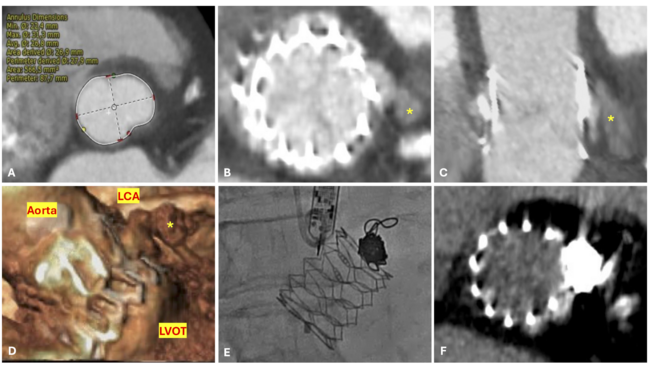
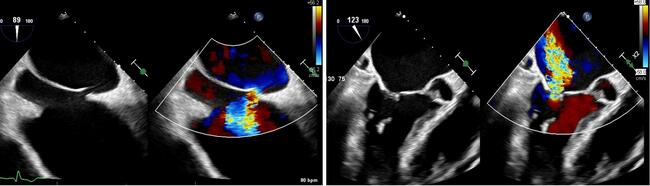
Clinically significant aortic valve regurgitation (AR) is a relatively common condition, particularly after age 65, and carries a substantial mortality risk.[1] The standard of care for patients with AR has been surgical aortic valve replacement (SAVR).[2] Off-label use of TAVR valves designed for treatment of aortic stenosis has been found less than ideal when used to treat AR; however, specially-designed TAVR valves dedicated for treating AR have had better results.[3]
- SAVR – standard of care [2]
- Analysis of STS database; 12,564 operations
- Overall mortality 1.1%; (mortality 2.7% in patients with LVEF <30%)
- Unknown how many patients were turned down or never referred
- Off-label TAVR – less than ideal [3]
- Meta-analysis: 34 studies; 2162 patients (1193 dedicated devices; 969 off-label)
- Mortality 9% in off-label group versus 3% in dedicated group.
- Embolization/malpostition in 8% off-label group versus 3% dedicated group
- Moderate or greater paravalvular leak (PVL) in 10% off-label group versus 4% dedicated group
- ALIGN-AR trial (NCT04415047) [4]
- 700 high-risk patients enrolled (1352 screened) – single-arm study
- Dedicated device: Trilogy valve (JenaValve Technology)
- 30-day outcomes:
- Mortality = 1.6%
- Stroke = 1.7%
- PPM (perm. pacemaker) = 21.6%
- Moderate or greater AR = 0.5%
- One year mortality = 7.7% (performance goal 25%)
- Excellent hemodynamics and meaningful improvements in functional status and LV remodeling
Gaps in current knowledge
How large is the untreated AR population? Is a PPM implantation rate of 22% acceptable with TAVR for AR? (For comparison, the PPM rate with SAVR is only about 3%.) Are there other anatomic considerations – bicuspid valves, etc.? Are current valve sizes adequate?
Possible solutions or future directions
Several clinical research efforts are underway that will help guide future directions:
- ARTIST trial (NCT06608823)
- 1000+ low and intermediate risk patients with 3-4+ AR and ≥NYHA II
- 1:1 randomization to Trilogy valve vs SAVR (noninferiority)
- Primary endpoint at 1 year: composite of death, stroke, unplanned cardiac rehospitalization
- Planned for 10-year follow-up
- Jena-VAD ALIGN-AR LVAD registry (NCT06594705)
- 50 patients with LVAD and ≥2+ AR
- Primary endpoint(s) 30 days
- 1-year follow-up planned
- JOURNEY trial (NCT06455787)
- 194 high-risk patients with 3-4+ AR and NYHA II
- Single-arm study using J-Valve (Edwards)
- Safety endpoints at 30-days and Mortality at 1-year
- 5-year follow-up planned
References
- Généreux P, et al. Mortality burden for patients with untreated aortic regurgitation. JACC Adv. 2024 Sep 6;3(10):101228. doi: 10.1016/j.jacadv.2024.101228. PMID: 39296816; PMCID: PMC11408366.
- Ryan CT, et al. Outcomes of aortic valve replacement for chronic aortic insufficiency: analysis of the Society of Thoracic Surgeons Database. Ann Thorac Surg. 2022;113(3):763-772. doi: 10.1016/j.athoracsur.2021.04.027. Epub 2021 Apr 25. PMID: 33910050; PMCID: PMC8542644.
- Samimi S, et al. Meta-Analysis of Dedicated vs Off-Label Transcatheter Devices for Native Aortic Regurgitation. JACC Cardiovasc Interv. 2025;18(1):44-57. doi: 10.1016/j.jcin.2024.08.042. Epub 2024 Nov 20. PMID: 39570231.
- Makkar RR, et al. Transcatheter aortic valve implantation with the Trilogy valve for symptomatic native aortic regurgitation (ALIGN-AR): a pivotal, multicentre, single-arm, investigational device exemption study. Lancet. 2025;406(10521):2757-2771. doi: 10.1016/S0140-6736(25)02215-9. Epub 2025 Nov 16. PMID: 41260228.
© 2026 HMP Global. All Rights Reserved.
Any views and opinions expressed are those of the author(s) and/or participants and do not necessarily reflect the views, policy, or position of the Journal of Invasive Cardiology or HMP Global, their employees, and affiliates.