Large Language Models in Interventional Cardiology: Too Good to Be True?
© 2026 HMP Global. All Rights Reserved.
Any views and opinions expressed are those of the author(s) and/or participants and do not necessarily reflect the views, policy, or position of the Journal of Invasive Cardiology or HMP Global, their employees, and affiliates.
J INVASIVE CARDIOL 2026. doi:10.25270/jic/26.00357. Epub October 20, 2026.
I am so clever that sometimes I don't understand a single word of what I am saying.
Oscar Wilde, “The Remarkable Rocket”
Generative artificial intelligence (GenAI) tools, including large language models (LLMS), are widely used across the medical field today.1,2 However, the question remains as to whether these novel technologies can be leveraged by interventional cardiologists as well?3
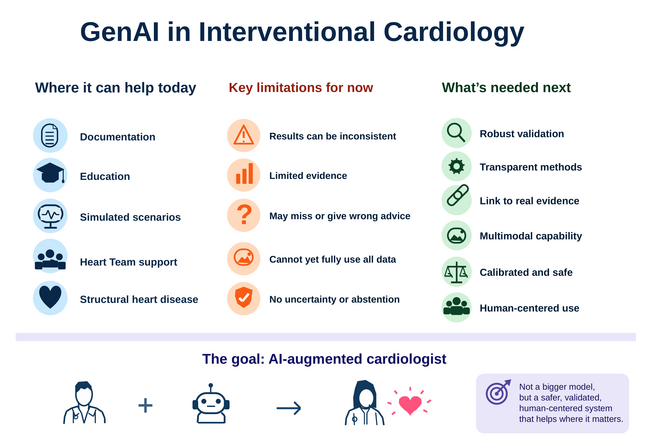
In the December 2026 issue of the Journal of Invasive Cardiology, Skalidis et al provide a timely synthesis of a field that is evolving almost faster than it can be reviewed.4 They attentively analyzed 7 recent studies on LLMs in our subspeciality, concluding that LLMs already show meaningful potential across documentation, education, simulated catheterization-laboratory scenarios, Heart Team decision support, and structural heart disease.5
Yet, current GenAI technologies remain immature for autonomous clinical use for several reasons. Indeed, the most important point is no longer whether an LLM can generate a plausible answer to an interventional cardiology (IC) problem—the more consequential question is whether its performance can be reproduced, calibrated, externally validated, and safely integrated into a workflow in which decisions are time-sensitive, multimodal, and occasionally irreversible. This holds even truer as current evidence on LLMs in IC remains dominated by retrospective series, expert-rated outputs, and carefully structured vignettes.2,6 Even apparently strong results must therefore be interpreted as demonstrations of capability under constrained conditions, not as evidence of clinical readiness. This distinction is especially important because model performance is not static: successive model versions, altered interfaces, retrieval functions, and reasoning modes can materially change results within months.7 Within this context, each published benchmark should be viewed as a time-stamped experiment rather than a durable estimate of what “ChatGPT” (OpenAI), “Claude” (Anthropic), “Gemini” (Alphabet, Inc.), “Grok” (SpaceX), or another model can do.
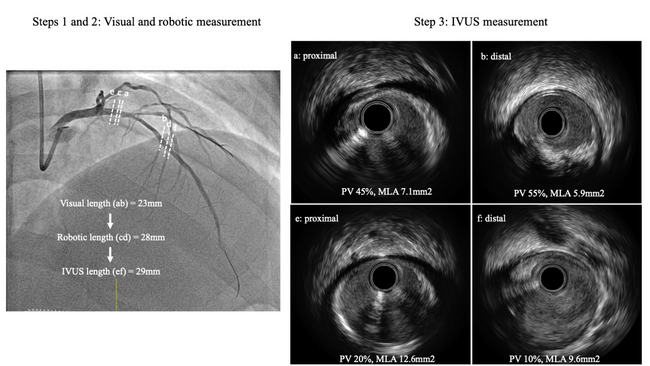
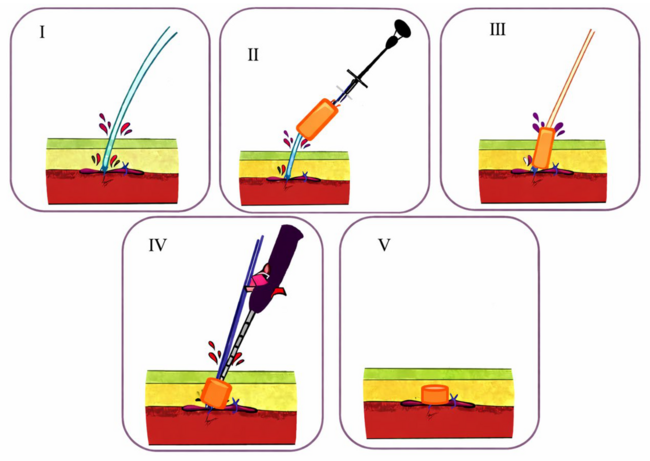
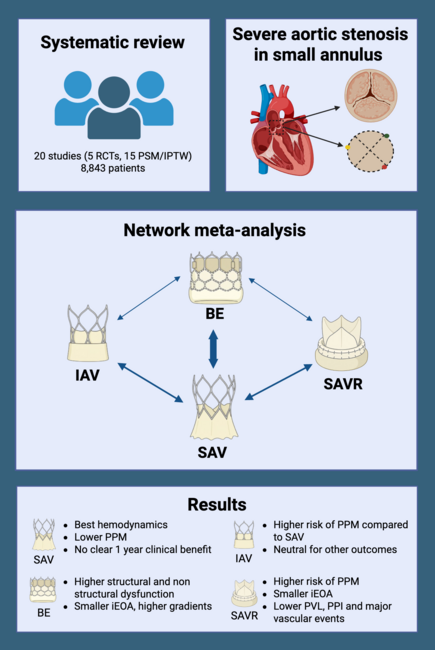
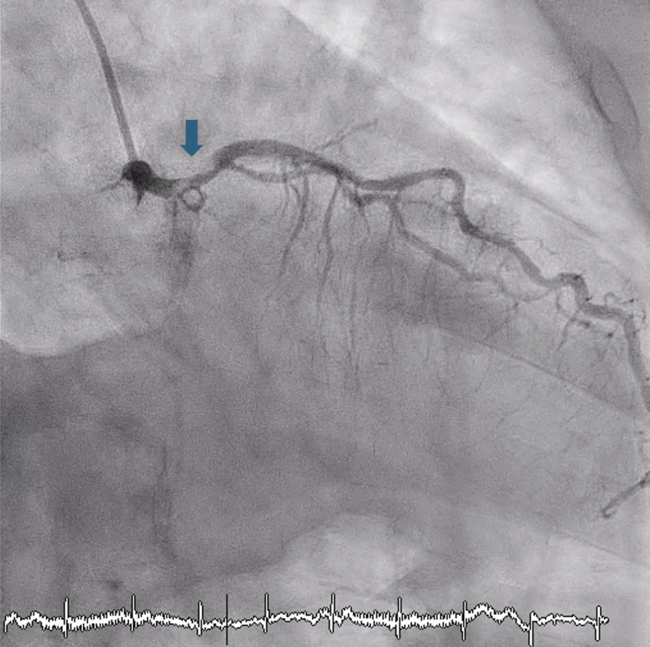
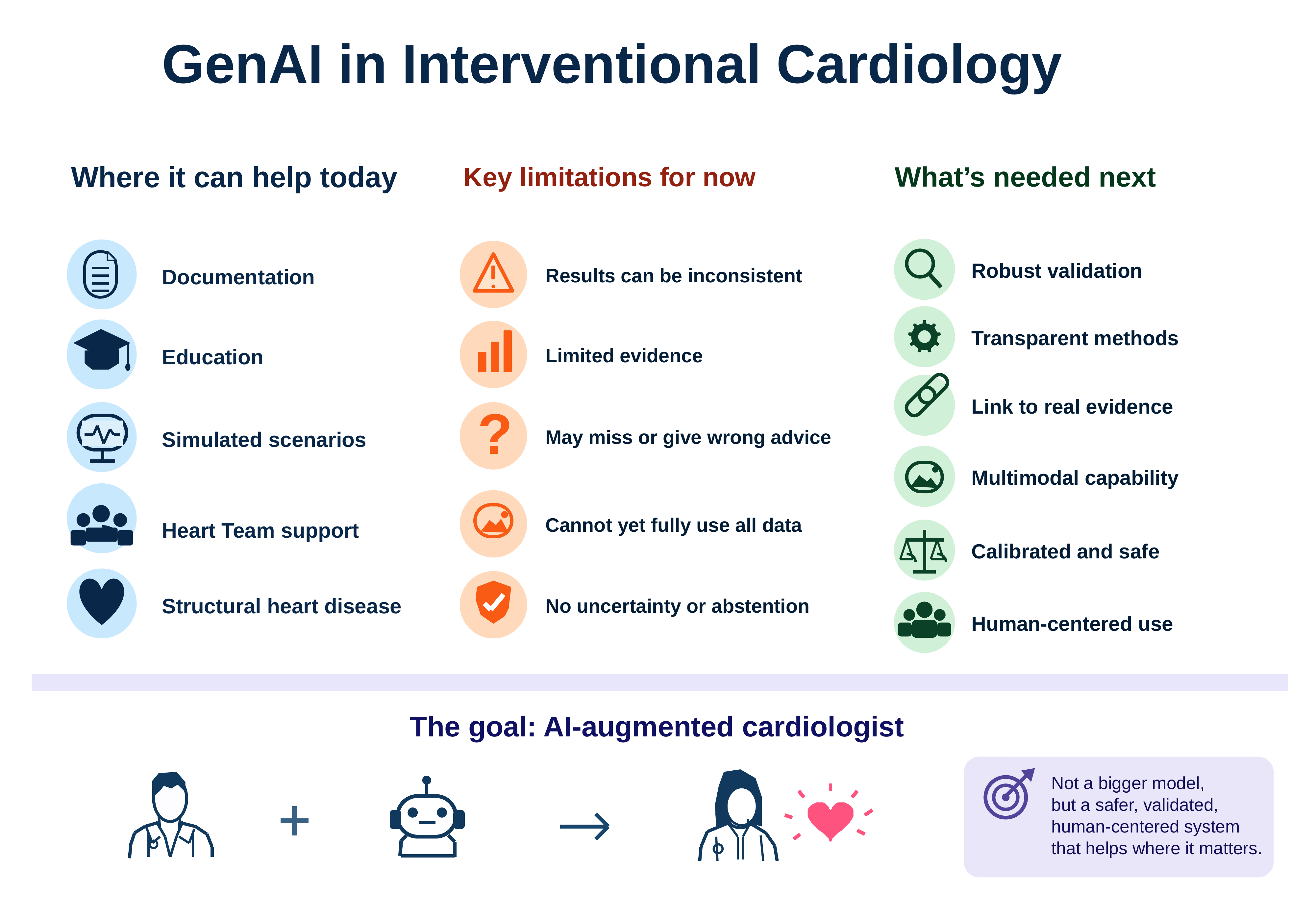
Arguably, the next phase of research should therefore focus less on headline accuracy and more on the clinical property being measured, as well as the eventual benefits for patients, caregivers, and healthcare organizations (Figure).8 Accuracy, sensitivity, F1 score, inter-rater agreement, and expert preference scores are not interchangeable; yet, they are often summarized under broad terms such as “concordance”, “agreement”, or “performance”.9 More importantly, average diagnostic or prognostic accuracy may conceal failures that matter most and have the most impact in the catheterization lab, such as omission of a life-saving action, recommendation of a contraindicated treatment, incorrect prioritization, or excessive confidence in an ambiguous situation.10
Skalidis et al correctly highlight that prompt sensitivity, limited benchmarking standards, and explainability are key barriers to every clinical translation. Indeed, addressing these concerns requires expanding the reproducibility framework to explicitly state exact model version, evaluation date, access route, reasoning configuration, web or retrieval access, prompt structure, and repeated-query variability. These should be treated as core methodological variables to maximize informative yield and decision making. Such focus is crucial because recent works on decision-support systems for percutaneous coronary intervention (PCI) have shown marked differences among model families with potential benefits from ensemble strategies, underscoring that the very concept of “average LLM performance” is not a single stable and valid construct.11
Clearly, the appeal of LLMs and GenAI is the apparent certainty of their outputs, but uncertainty estimates are equally important in medicine.12 As an example, a manuscript without 95% confidence intervals in the Abstract would have few chances of getting published in a leading medical journal, exactly because point estimates of effect (and thus pointwise outputs of LLMs) are per se unreliable, amounting to spurious precision. Indeed, retrieval-augmented generation may offer an attractive route toward evidence-linked recommendations because it can connect model outputs to current guidelines, landmark trials, and institutional protocols rather than relying exclusively on parametric knowledge.13
Studies on coronary physiology similarly suggest that retrieval can materially improve agreement between model predictions and invasive measurements, although such findings remain preliminary and require larger external validation.14 Grounding should not be reduced to adding citations, as a clinically useful system should make clear which elements derive from the patient record, which arise from retrieved evidence, which represent model inference, and which constitute the final recommendation. This separation may be more valuable than an elaborate generated rationale because fluent “reasoning” is not necessarily a faithful explanation of how the model arrived at its answer. Just as importantly, future evaluations should explicitly reward appropriate abstention. In IC, a safe response may be, “I cannot recommend the next step without seeing the angiogram, physiology, intravascular imaging, or hemodynamic trace.”15 A system that knows when not to answer may ultimately be more clinically trustworthy than one optimized to answer every prompt.
The defining technical barrier for the seamless application of LLMs in IC remains multimodality.16 Indeed, our field cannot be reduced to text inputs or outputs, as decisions depend on a plethora of multidimensional inputs, including patient features, laboratory data, echocardiography, computed tomography, cardiac magnetic resonance, coronary angiography, intravascular ultrasound, optical coherence tomography, fractional flow reserve or instantaneous wave-free ratio, invasive pressure tracings, fluoroscopic device position, and the temporal evolution of the patient and the procedure.17
Skalidis and coauthors appropriately identify limited multimodal integration as a major constraint of currently available LLMs. This limitation also exposes the weakness of static vignette benchmarking, which prioritizes feasibility to usability. Indeed, a model that performs well after receiving a complete written description of an angiogram has not demonstrated that it can interpret the angiogram itself, nor that it can update its reasoning when flow deteriorates, blood pressure falls, or new imaging becomes available. Future testing should therefore move toward dynamic “second-operator” simulations in which information is released sequentially, and the model must repeatedly update the diagnosis, next diagnostic step, treatment priority, actions to avoid, and confidence. Counterfactual stress testing should complement this approach: changing a decisive variable, such as renal function, platelet count, surgical risk, or left-main anatomy, should appropriately change management, whereas irrelevant changes in wording, demographics, or information order should not.18
In conclusion, the clinically relevant comparison is unlikely to be LLM vs cardiologist. It is clinician alone vs clinician augmented by a well-designed AI system, in keeping with a leitmotiv of current AI applications: move from the concept of human vs AI towards toward that of AI-augmented human. The near-term value of LLMs may be greatest in lower-risk tasks such as structured documentation, note taking, registry abstraction, evidence retrieval, Heart Team preparation, and patient communication, while real-time procedural guidance should face a substantially higher evidentiary threshold, also focusing on cost. The field should therefore adopt a risk-stratified development pathway in which increasingly consequential applications require progressively stronger evidence of calibration, abstention, multimodal competence, external validity, human-factors safety, and prospective clinical benefit. Other elephants in the room include the issues of confidentiality, explainability, and responsibility, among others.19
Accordingly, Skalidis et al should be complimented for their recommendation that successful adoption of LLMs in IC will depend less on larger models than on safer systems, validated workflows, and human-centered oversight in a modern AI-wise application of the 80/20 Pareto principle. Indeed, the next milestone in IC will arguably not be another model that scores a few percentage points higher on a benchmark, but rather a system that can reliably recognize what matters, retrieve the right evidence, acknowledge what is missing, update when the case changes, and support, without obscuring, the judgment of the interventional cardiologist, for the eventual benefit of all patients.
Affiliations and Disclosures
Giuseppe Biondi-Zoccai, MD, MStat1,2; Nicola Corcione, MD3; Alberto Morello, MD3; Arturo Giordano, MD, PhD3
From the 1Department of Medical-Surgical Sciences and Biotechnologies, Sapienza University of Rome, Latina, Italy; 2IRCCS Maria Cecilia Hospital, GVM Care & Research, Cotignola, Italy; 3Cardiovascular Interventional Unit, Pineta Grande Hospital, Castel Volturno, Caserta, Italy.
Acknowledgments: This manuscript was drafted and illustrated with the assistance of artificial intelligence (AI) tools, such as ChatGPT (OpenAI). The final content, including all conclusions and opinions, has been thoroughly revised, edited, and approved by the authors. The authors take full responsibility for the integrity and accuracy of the work and retain full credit for all intellectual contributions. Compliance with ethical standards and guidelines for the use of AI in research has been ensured.
Disclosures: Dr Biondi-Zoccai has consulted, lectured, and/or served as advisory board member and/or expert witness for Abiomed, Advanced Nanotherapies, Amarin, AstraZeneca, Balmed, Cardionovum, Cepton, Cordis, Crannmedical, Endocore Lab, Eukon, Guidotti, Innova HTS, Innovheart, Menarini, Microport, Opsens Medical, Otsuka Medical Devices Europe, Recor, SciSpace, Servier, Synthesa, Terumo, and Translumina, outside the present work; he is also the inventor of patents 'IT202200001988A1 - Balloon anchorable vascular catheter' and 'IT202300010854A1 - Device for traction and bandaging of the left atrial appendage'. The remaining authors report no financial relationships or conflicts of interest regarding the content herein.
Address for correspondence: Giuseppe Biondi-Zoccai, MD, Department of Medical-Surgical Sciences and Biotechnologies, Sapienza University of Rome, Corso della Repubblica 74, Latina 04100, Italy. Email: giuseppe.biondizoccai@uniroma1.it
References
1. Biondi-Zoccai G, ed. ChatGPT for Medical Research. Edizioni Minerva Medica; 2024.
2. Lauretti A, Colaiori I, Calcagno S, et al. Performance of large language models in interventional cardiology: the ILLUMINATE blinded model-comparison study. J Invasive Cardiol. 2026;38(4). doi:10.25270/jic/25.00104
3. Sule AA, Poh KK, Srinivasan DK. Role of ChatGPT in interventional cardiology. Singapore Med J. 2025. doi:10.4103/singaporemedj.SMJ-2024-139
4. Skalidis I, Simioni L, Beretta GS, et al. Large language models in interventional cardiology: current evidence and future directions. J Invasive Cardiol. 2026;38(12). doi:10.25270/jic/26.00176
5. Morello A, Corcione N, Ferraro P, et al. The best way to transcatheter aortic valve implantation: from standard to new approaches. Int J Cardiol. 2021;322:86-94. doi:10.1016/j.ijcard.2020.08.036
6. Garin D, Cook S, Ferry C, et al. Improving large language models accuracy for aortic stenosis treatment via Heart Team simulation: a prompt design analysis. Eur Heart J Digit Health. 2025;6(4):665-674. doi:10.1093/ehjdh/ztaf068
7. Harskamp RE, De Clercq L. Performance of ChatGPT as an AI-assisted decision support tool in medicine: a proof-of-concept study for interpreting symptoms and management of common cardiac conditions (AMSTELHEART-2). Acta Cardiol. 2024;79(3):358-366. doi:10.1080/00015385.2024.2303528
8. Bedi S, Liu Y, Orr-Ewing L, et al. Testing and evaluation of health care applications of large language models: a systematic review. JAMA. 2025;333(4):319-328. doi:10.1001/jama.2024.21700
9. Biondi-Zoccai G, ed. Medical Statistics: A User-Friendly Handbook. Edizioni Minerva Medica; 2025.
10. Legendre E, Cvek U, Greathouse S, et al. Large language models fail to reliably predict emergent catheterization laboratory activation from prehospital electrocardiograms. Heart Lung. 2026;80:102956. doi:10.1016/j.hrtlng.2026.102956
11. Lin C, Lan Y, Zeng Z, et al. Evaluation of large language models in percutaneous coronary intervention decision-making. Front Cardiovasc Med. 2026;13:1690716. doi:10.3389/fcvm.2026.1690716
12. Savage T, Wang J, Gallo R, et al. Large language model uncertainty proxies: discrimination and calibration for medical diagnosis and treatment. J Am Med Inform Assoc. 2025;32(1):139-149. doi:10.1093/jamia/ocae254
13. Alexandrou M, Kumar S, Mahtani AU, et al. Performance of large language models on the acute coronary syndrome guidelines using retrieval-augmented generation. JACC Cardiovasc Interv. 2025;18(20):2458-2467. doi:10.1016/j.jcin.2025.08.019
14. Kumar S, Nandakumar K, Villablanca PA, Aggarwal V, Naik H, Falluji N. Retrieval-augmented large language model for angiographic prediction of coronary physiology. J Clin Med. 2026;15(13):5253. doi:10.3390/jcm15135253
15. Presacan O, Nik A, Ojha J, Thambawita V, Ionescu B, Riegler MA. When silence is safer: a review and decision-theoretic framework for LLM abstention in healthcare. NPJ Digit Med. 2026;9(1):749. doi:10.1038/s41746-026-02882-1
16. Hoppe JM, Kellnar A, Esser D, Diegruber K, Stremmel C. Artificial intelligence in coronary angiography: benchmarking the diagnostic accuracy of ChatGPT-4o against interventional cardiologists. Open Heart. 2025;12(2):e003316. doi:10.1136/openhrt-2025-003316
17. Alsharqi M, Edelman ER. Artificial intelligence in cardiovascular imaging and interventional cardiology: emerging trends and clinical implications. J Soc Cardiovasc Angiogr Interv. 2025;4(3Part B):102558. doi:10.1016/j.jscai.2024.102558
18. Hager P, Jungmann F, Holland R, et al. Evaluation and mitigation of the limitations of large language models in clinical decision-making. Nat Med. 2024;30(9):2613-2622. doi:10.1038/s41591-024-03097-1
19. Biondi-Zoccai G, Mahajan A, Powell D, Peruzzi M, Carnevale R, Frati G. Advancing cardiovascular care through actionable AI innovation. NPJ Digit Med. 2025;8(1):249. doi:10.1038/s41746-025-01621-2